



In China's increasingly cutthroat new-energy vehicle market, few new brands manage to find their footing quickly.
NIO's boutique all-electric city car brand FIREFLY is doing just that, staking out a position in the 100,000-yuan NEV segment with a low-to-high move. On January 12, the brand said it has reached 40,000 deliveries — far outpacing CEO William Li's early expectation of around 3,000 units a month.
FIREFLY's rapid ascent is turning into a noteworthy swing factor in NIO's multi-brand strategy.
Two months to 20,000-unit deliveries
Looking back over the past year, FIREFLY's delivery cadence has clearly accelerated.
Hitting the market on April 19, 2025, the brand hit its 20,000th delivery on September 27, then quickly cleared the 30,000 mark on November 22. By December 2025, monthly sales had topped 7,000, marking five straight months of sequential gains.
FIREFLY's delivery volumes now line up against traditional premium small-car nameplates such as smart and the all-electric MINI — and in several months, its combined sales have even outpaced those rivals.
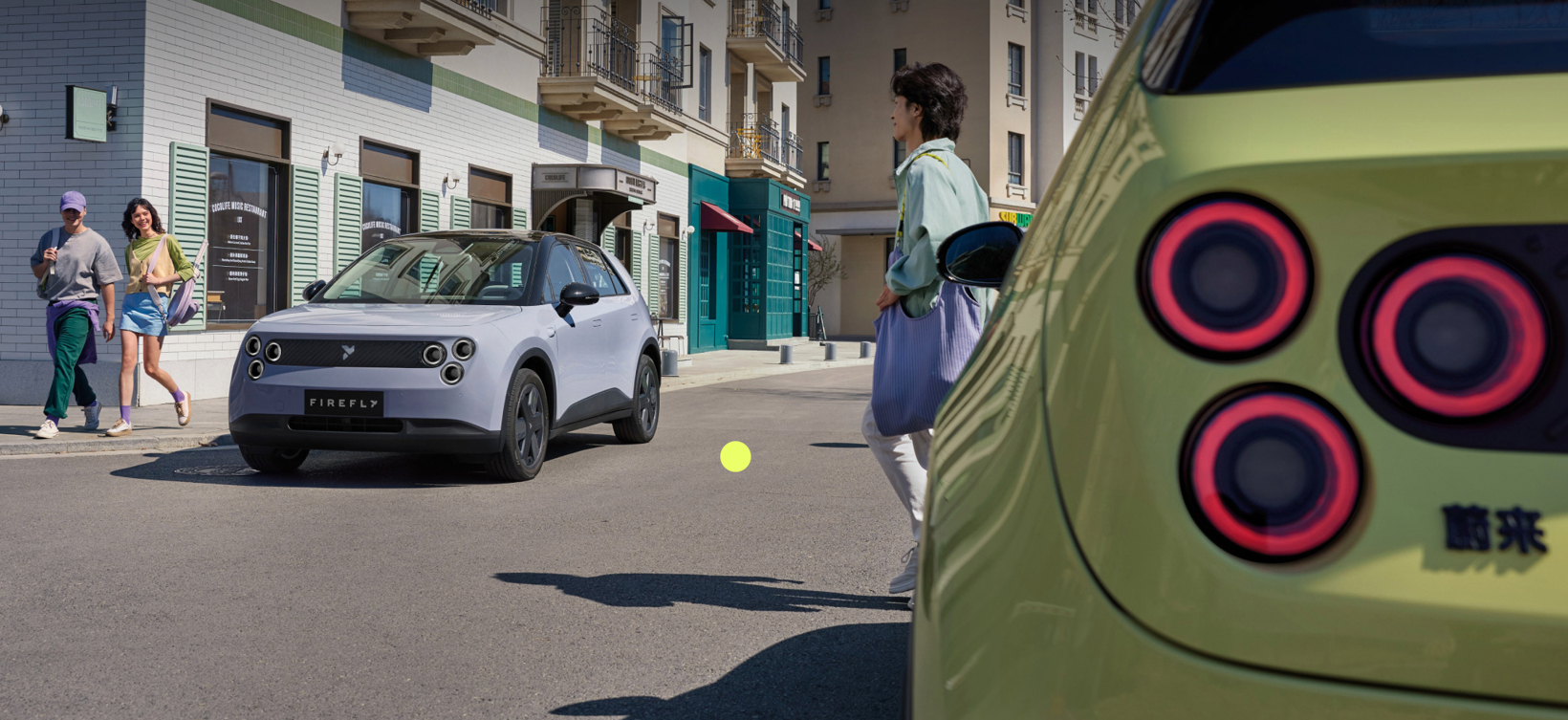
Image source: FIREFLY
Even so, FIREFLY's debut was contentious. The brand formally appeared at NIO Day 2024, where its distinctive triple-headlamp design — derided by some online as a "six-eyed flying fish," and even compared to an iPhone camera cluster — diverged from mainstream tastes. Expectations were muted at the time, not least because the tentative presale price of 148,800 yuan put off many potential buyers.
The turn came at launch. In April 2025, firefly (the brand's first production model) entered the market with a starting price of 119,800 yuan, lowering the decision barrier for consumers. NIO then brought its BaaS (battery-as-a-service) rental plan to FIREFLY, pulling the upfront purchase price into the 80,000-yuan range.
That pricing and financing reset carved out a distinct spot in the segment: firefly steers clear of bare-bones budget city cars focused purely on value, yet it also sits well below premium small cars such as smart and MINI on price.
On product, firefly centers on a single model with multiple trims, keeping the lineup simple. Core specs stay consistent — a 42kWh battery, 420km CLTC range, rear-wheel drive and a 105kW motor. The restrained strategy helps concentrate production and supply-chain resources while lowering the cognitive load for users.
Data show that in its second full delivery month (June 2025), FIREFLY handed over 3,932 cars — close to the combined EV sales of MINI and smart that month. Volumes kept climbing, reaching 5,912 in October and topping 7,000 in December. In just four months, FIREFLY went from zero to 20,000 deliveries.
Sustained momentum, in large part, reflects how the product performs in everyday use. Safety, repeatedly cited as a core strength, stands out.
All trims come standard with nine airbags, and the car has earned high marks in several authoritative safety tests — challenging the notion that small cars must compromise on structure and protection. FIREFLY also makes smart use of space, with a front trunk and expandable rear cargo area to raise utility within a compact footprint, fitting urban commutes and second-car needs.
Brand equity, moreover, carries over effectively. FIREFLY may be new, but it sits on NIO's premium service backbone. Every NIO store can sell FIREFLY, letting small-car buyers tap the parent brand's service assurance and perceived quality.
Marketing has been proactive as well. Rather than retreat from early design controversies, NIO leaned in — riffing on memes via livestreams, launching the "Let's Shine Together" campaign, and nurturing a distinct modder culture that turned debate into a recognizable brand signature.
2026: scaling up
Into 2026, FIREFLY shifts from tentative entry to scaled expansion. NIO co-founder Qin Lihong set the year's operating theme: sell good cars, deliver strong service, and invest heavily in infrastructure.
On product planning, FIREFLY will stick to a boutique approach, anchoring the main model while rolling out customized and co-branded editions. In October last year, it unveiled three limited paint schemes at Shanghai Fashion Week and launched the "Nocturnal Creature" special edition — moves aimed at sustaining fashion credentials and pricing power.

Image source: FIREFLY
Infrastructure will bring another step-change in 2026. FIREFLY does not yet support battery swapping, but the hardware is prepped for it and the function is expected to go live once NIO's fifth-generation swap stations start operating. Deployment is planned to begin in early 2026, after which FIREFLY owners can tap into NIO's expanding swap network — easing range and charging anxiety for compact EVs.
To unlock scale, NIO also plans deeper channel penetration this year. The company is preparing integrated NIO stores in lower-tier markets with solid sales potential, selling NIO, ONVO and FIREFLY under one roof. The first locations could open before Lunar New Year, cutting per-brand operating costs while widening FIREFLY's reach in smaller cities.
Overseas expansion is equally central in 2026. As a global strategic model, FIREFLY's right-hand-drive version is already in mass production and shipping to Southeast Asia, including Singapore and Thailand. In Europe, the brand is focusing on markets without additional EV tariffs, such as the UK, and plans to expand across 17 countries in Europe, North America and Southeast Asia.
With pricing around €30,000 and smarter features than many local rivals, FIREFLY's upside abroad looks significant.
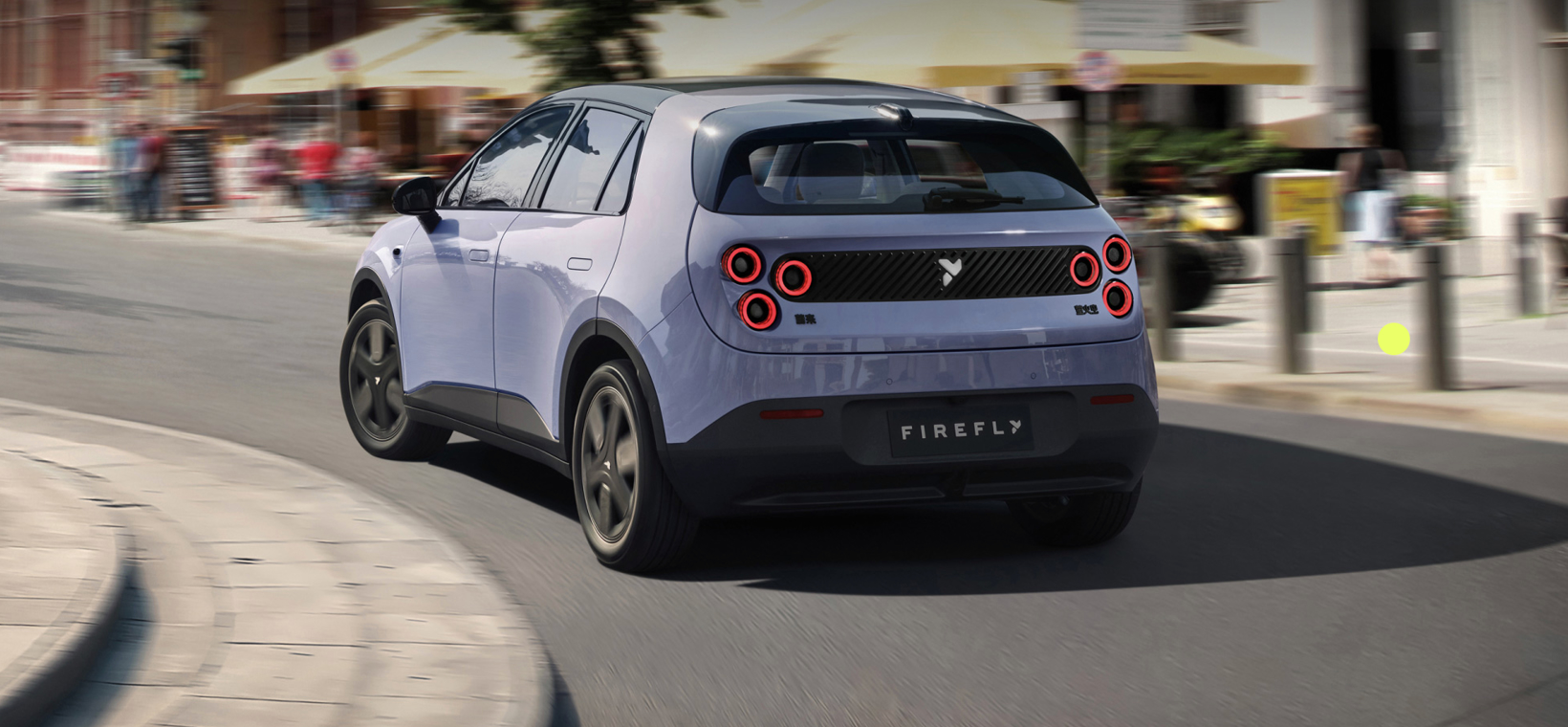
Image source: FIREFLY
"China's demand for premium small cars isn't strong," said FIREFLY president Jin Ge. "But in Europe, small cars are mainstream — about 4 million units — and demand is very large."
For NIO Group, FIREFLY's role in overall sales and performance is less about per-vehicle profit than user-base expansion. The brand can bring more first-time NIO customers into the fold, and its "added-car" appeal can raise the number of NIO vehicles per household. As the three-brand synergy takes shape, FIREFLY is on track to become one of NIO's stable volume pillars in 2026.


