



Gasgoo Munich- According to the Beijing Municipal Human Resources and Social Security Bureau, the city has officially issued the "Interim Measures for the Evaluation of Professional Titles for Robotics in Beijing." This adds a dedicated robotics category to the engineering and technology series, filling a long-standing gap in professional evaluations for the sector. While the policy formally takes effect in 2026, the first round of reviews is set to begin this July.
Beijing currently hosts more than 940 robotics-related enterprises with a workforce of roughly 30,000. Yet the absence of evaluation standards tailored to the industry has stalled career progression for these high-tech professionals. The new policy directly addresses these demands, creating a scientific evaluation framework designed to attract and retain talent while injecting fresh policy momentum into the sector's upgrade.
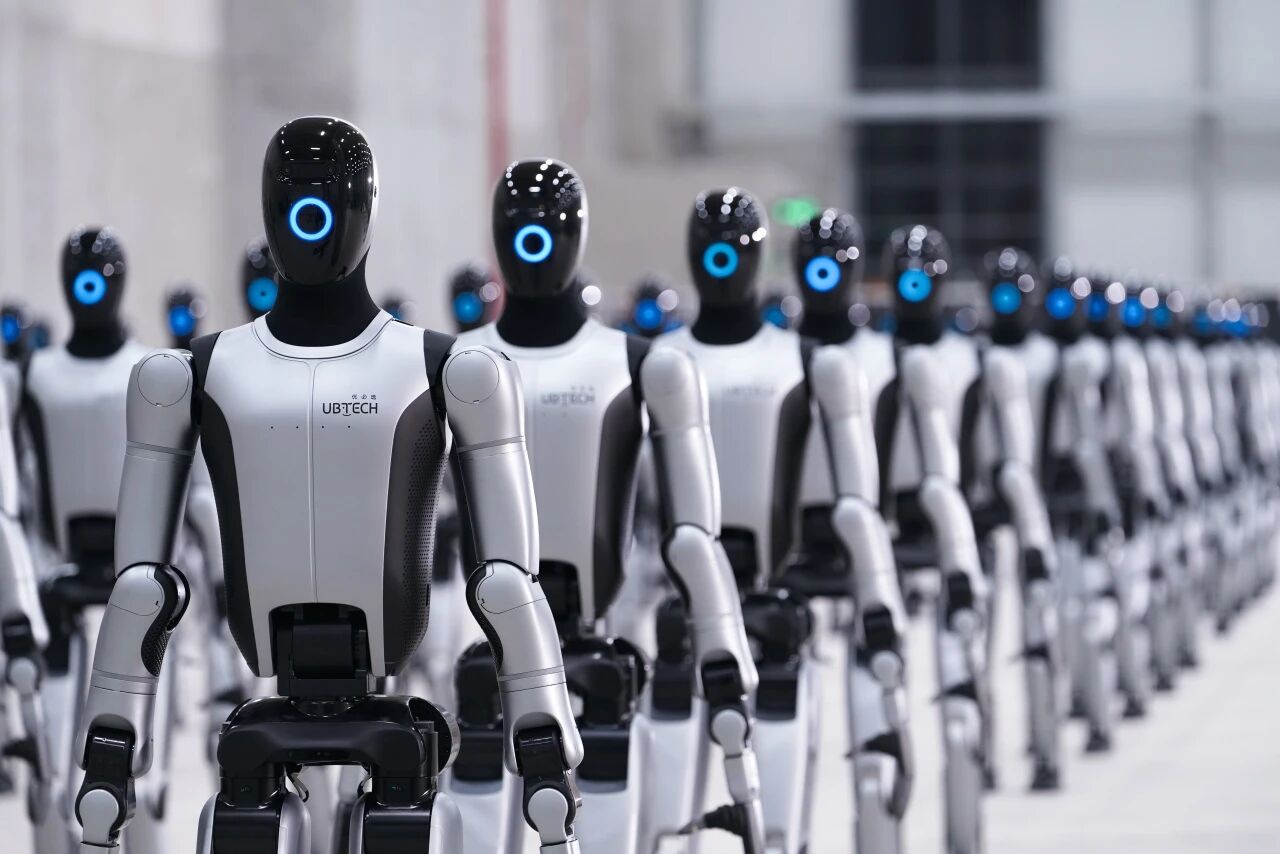
Image Credit: UBTECH
The guidelines outline a comprehensive, multi-level review system designed to align with the industry's evolving needs. The review categories are split into four distinct tracks: core components; algorithms and software; whole-machine design and manufacturing; and system integration and application. This structure spans the entire value chain—from core R&D to end-user deployment—ensuring professionals across every niche can find a suitable evaluation path that matches their expertise.
The title hierarchy is standardized across four levels: Junior (Assistant Engineer), Intermediate (Engineer), Senior (Senior Engineer), and Principal (Principal Engineer). This creates a full-cycle career ladder ranging from young professionals to top industry leaders, offering robotics experts a clear roadmap for advancement.
The guidelines clarify that the scope of Beijing's title evaluations includes professional technical personnel. These roles span core components, algorithms and software, whole-machine design and manufacturing, and system integration and application. This applies to those employed by state-owned enterprises, public institutions, non-public economic organizations, and social organizations alike.


