



Gasgoo Munich-On October 25, Cui Dongshu, head of the China Passenger Car Association, released new figures. China imported just 21,000 vehicles in September 2026. This represents a 49% plunge from a year earlier and a 6% drop from August. Cumulative imports for the first nine months stood at 290,000 units, down 20% year on year. Cui described the September slump as persistent downward pressure on imported cars.
Such figures would have been unthinkable just a few years ago. Before 2019, imported cars were a status symbol in China. Waitlists, dealer markups, and scarcity were the norm. Buyers often waited months for popular models. Today, the premium market once controlled by imports is being eroded by domestic new-energy vehicles. From premium markups to fading demand, imported cars are facing a sharp decline in China.
The shrinking import market is no isolated phenomenon. It is driven by three converging forces. These include the rise of domestic brands, the accelerated localization of joint ventures, and rapid advancements in new-energy and intelligent technologies. Understanding why imported cars are losing ground requires understanding the logic reshaping the Chinese auto market.
Luxury Car Localization Erodes Import Sales
Formerly bestselling luxury imports are the first to feel the impact.
Reports indicate domestic brands now capture over 60% of monthly market share. A comparison of domestic and import data reveals a strong substitution effect. End-consumer preferences are steadily shifting away from imports.
This substitution plays out directly as once-popular imported models shift to local production. Import sales have plummeted for consecutive years. The first force behind this is luxury localization reducing core volume. Former import mainstays like the BMW X5 and Mercedes-Benz mid-to-large SUVs are now built domestically. This attracts consumers who previously targeted pure import versions.
Once a luxury model enters local production, prices often drop by more than 20%. This sharply boosts its appeal and compresses the market space for pure import versions.
The rise of high-end domestic new-energy vehicles is cutting into import sales from another angle. The NEV sector has reshaped the competitive landscape. Equipped with smart features, premium materials, and rational pricing, domestic models have broken the long-held monopoly imported luxury cars held on the premium segment.
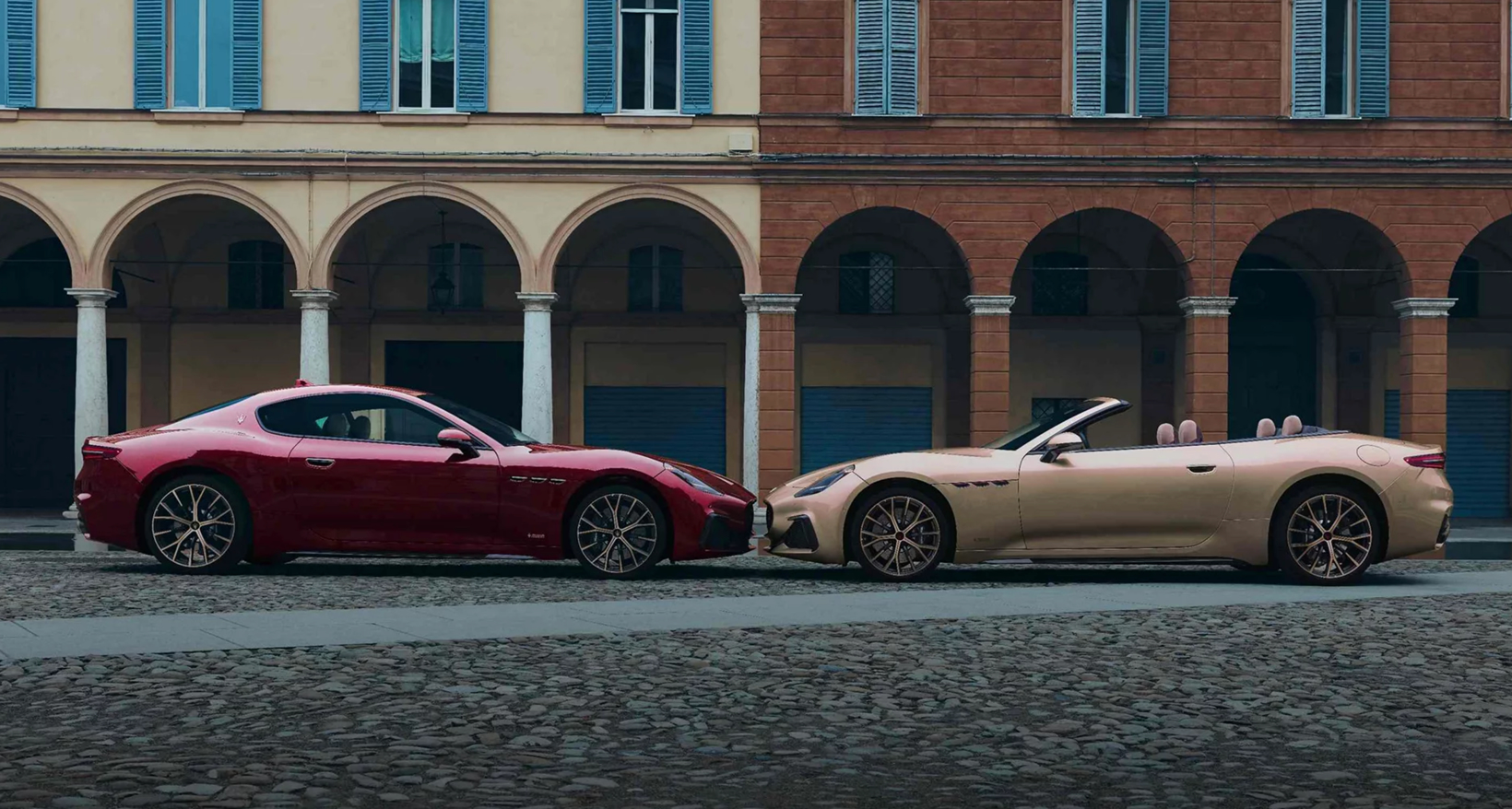
Image source: Maserati
The full-size SUV segment, once controlled by imports, has been disrupted. Models like the NIO ES8 and ZEEKR 9X have entered the niche. They use 800V high-voltage platforms, advanced driver-assistance systems, and spacious cabins to take sales from imported luxury SUVs.
Ultra-luxury brands are faring no better. Bentley, Rolls-Royce, and Ferrari have seen China sales slump by roughly 30%. Maserati volumes have been halved. These former status symbols are losing their appeal to high-end buyers.
Consider the off-road segment. Long dominated by imports, it was ruled by the Jeep Wrangler, Toyota Prado, Land Rover Defender, and Mercedes-Benz G-Class. These models anchored the 400,000-yuan-plus market for years. However, as domestic brands have improved chassis technology, powertrains, and overall reliability in recent years.
A veteran off-road modifier notes: "The officially modified Tank 300 matches imports in performance. I have seen plenty of customers sell their imported off-roaders and switch to a Tank 300."
Broader economic shifts are also influencing buying decisions. Zhang Hong, a committee member of the China Automobile Dealers Association, notes: "The global economic downturn has weakened consumer purchasing power. High-net-worth individuals, the core target for ultra-luxury brands, are acting more cautiously. Their willingness to spend on non-essentials like luxury cars has declined."
Domestic Substitution: The Import Decline Is No Accident
The import retreat looks like a single-month collapse on paper. In reality, it is the result of domestic brands long-term technological build-up.
Cui has repeatedly stressed that rising domestic strength and faster localization by international brands have depressed import volumes in recent years. The data supports this clearly. In 2020, joint ventures held roughly 60% of the market. By the first half of 2026, the picture had fully inverted. Domestic brands commanded over 60%.

Image source: Cui Dongshu
Underpinning this domestic comeback are breakthroughs in core technologies. Immersive smart cabins, all-scenario advanced driver-assistance systems, and ultra-fast charging from 800V architectures have become the competitive edge for domestic new-energy vehicles.
Features once exclusive to million-yuan imports, such as air suspensions and LiDAR, are increasingly standard on domestic models priced around 200,000 yuan.
With the technology gap closed, brand premium alone cannot justify imports steep prices. When buyers realize a 200,000-yuan domestic EV matches or beats a 600,000-yuan imported luxury car in intelligence, space, and features, declining import sales become inevitable. Years of negative growth in auto imports are simply the cumulative result of this substitution effect.
The plight of import dealers corroborates the trend. The old channel model, profiting from markups and forced bundles, is unsustainable as sales dry up. Some import sales staff report that bloated inventory and price inversions are now the norm. Certain stores have already scaled back import operations. They are pivoting to domestic premium brands with steadier margins.
Ultimately, the persistent slump in imports stems from wholesale domestic substitution. This is not a short-term blip. It is the market direct feedback as China auto industry evolves from catching up to running alongside, and in some fields leading, the pack.
The deeper meaning of the import decline is clear. Now that domestic cars have achieved significant milestones in technology, quality, and intelligence, the market dividends once enjoyed by imports are inevitably coming to an end.


