



Gasgoo Munich- As 2026 begins, China's new energy vehicle industry is caught in a mix of fire and ice.
Early this year, NIO's 1 millionth mass-produced vehicle rolled off the assembly line at the second phase of the Hefei Xinqiao Smart Electric Vehicle Industrial Park. Standing in the spotlight, founder William Li offered a simple tribute—"Thank you, Anhui; thank you, Hefei"—summing up six years of shared growth between a brand and a city.
Just a week later, a stark reminder of the market's cruelty emerged. Yao Zhenhua, the de facto controller of Qoros Automotive Co., Ltd., released a self-identifying video alleging that the company's assets were at risk of being auctioned off at rock-bottom prices.
The sharp contrast highlights the role local governments play in industrial development, along with the risks they shoulder and the decision-making required.
As regions race to build their auto sectors, Hefei's investment in NIO helped the company weather its darkest hours. That bet paid off: in 2025, Anhui secured the top spot nationwide in total vehicle production, NEV output, and auto exports.
Now, with emerging fields like embodied intelligence and the low-altitude economy taking shape, local governments face fresh choices in industrial planning. The question is whether Hefei's success was a stroke of luck—or a systematic model of industry cultivation that can be replicated.
Everyone Has Stood at a Crossroads
The partnership between NIO and Hefei was, at its core, a two-way street born of mutual necessity.
NIO was once mired in the gravest operational crisis since its inception. In 2019, the company's net loss hit 11.4 billion yuan, while its stock price plummeted to $1.19—dangerously close to the delisting threshold. Li Bin, dubbed "2019's most miserable man," scrambled everywhere to secure a lifeline.

Image Source: NIO
At the same time, Hefei was grappling with its own transition pressures. While the city had established a foothold in home appliances, advanced displays, and integrated circuits, it lacked a flagship player to drive its NEV sector. With a relatively weak traditional auto base, Hefei wasn't the center of attention in the race to host new EV startups.
Outsiders often liken Hefei's investment strategy to a gamble, but local decision-makers reject that label.
"It's not gambling; it's scientific judgment," Li Hongzhuo, chairman of Hefei Construction Investment Holding (Group), has insisted in multiple retrospectives, firmly rejecting the "Gambler City" tag.
The deal, now etched in Chinese business history, moved with blistering speed: from the signing of a framework agreement on February 25, 2020, to the final deal on April 29—which locked in 7 billion yuan in strategic investment—took just 65 days.
Behind this "flash marriage" lay a calculation that was precise, cool-headed, and even ruthless. Within just two months, Hefei assembled a massive due-diligence team comprising state-owned asset platforms, professional investment firms, technical experts, and legal and financial squads. Their scrutiny went beyond NIO's financials, patents, and supply chain; it delved into user community efficiency, full lifecycle cost models for battery swapping, and even rounds of background and competency checks on Li Bin and his core team.
The due diligence findings were far from rosy. The report clearly flagged the immense risks NIO faced: mounting losses, intensifying competition, and a business model still awaiting validation.
Yet, the report also highlighted NIO's unique "assets": budding brand recognition in China's premium EV market, fierce user loyalty forged by an ultimate customer experience, and a leading portfolio of battery-swapping patents.
Hefei's logic was rooted in a venture capital mindset: they weren't betting on a company that was profitable today, but on a "platform seed" poised to claim a vital ecological niche in the future smart EV race.
That 7 billion yuan was more than a lifeline; it was an anchor, designed to bind NIO's core fate irrevocably to the rise of Hefei.
From Lifeline to Self-Sufficiency
Hefei earns the title of "master strategist" through a series of interlocking, escalating moves—a masterclass in the art of "tiered binding" for industrial cultivation.
The agreement's core clause was the establishment of "NIO China" headquarters. This was no mere change of address. It meant NIO's strategic decision-making, R&D, financial settlement, and supply chain management would all be woven into Hefei. That ensured Hefei was not just a shareholder, but NIO's true home base.
Together, the city and NIO planned the Xinqiao Smart EV Industrial Park. NIO's second advanced manufacturing base (F2) moved in first, becoming the cornerstone for production capacity. Then, to meet surging demand, the even larger Xinqiao Phase 2 plant (F3) was rapidly launched.
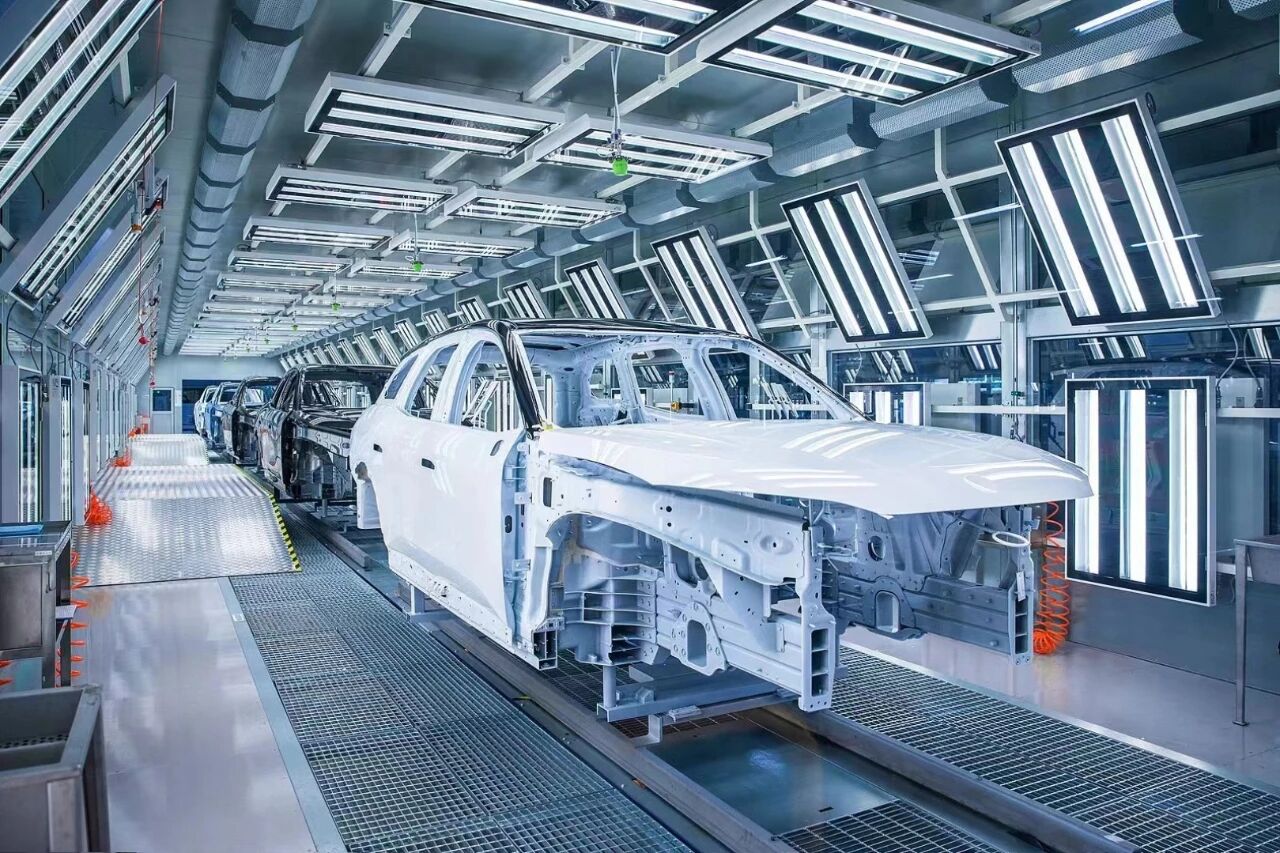
Image Source: NIO
Today, the site is the heart of NIO's global manufacturing network. The glory of the 1 millionth vehicle rolling off the line stands as the best proof of this "manufacturing fortress's" strength.
Yet, the ultimate goal of Hefei's strategy was to cultivate an ecosystem—a "tropical rainforest" of industrial clusters. Using NIO's assembly plant as a magnet, the city launched a targeted "chain investment" drive, crafting customized plans to attract leaders in batteries, motors, electronic controls, seats, glass, chips, and autonomous driving.
Today, companies like Gotion High-Tech and iFLYTEK have set up shop or expanded in and around Hefei. The city had no interest in building a closed "NIO sphere"; instead, it aimed to foster an open, competitive, and vibrant NEV ecosystem.
Leveraging research resources from local universities like the University of Science and Technology of China and Hefei University of Technology, the city co-founded labs with NIO. Together, they've advanced R&D in solid-state batteries, autonomous driving algorithms, and chip design, creating a virtuous cycle of industry and academia.
At the ceremony marking the 1 millionth vehicle, NIO donated that car—a Starry Green ES8—to the Anhui Mozi Quantum Science Foundation. The gesture aimed to support cutting-edge research by providing transportation for top experts in quantum technology.
Additionally, NIO signed a framework agreement with Chery and JAC to build a collaborative innovation platform for auto industry development. It also finalized a deal with Longtech Semiconductor on vehicle-chip collaboration, further driving an open, synergistic, and win-win industrial ecosystem in Anhui and Hefei.
The true measure of a successful strategy lies in tangible results. The returns on Hefei's investment in NIO have been comprehensive and exceeded expectations. Most visibly, the deal has completely reshaped the auto industry landscape across Anhui province.
The numbers tell the story: In 2021, Anhui produced 1.503 million vehicles, including 252,000 NEVs. By 2024, those figures had surged to 3.57 million and 1.684 million, respectively.
According to the Anhui Provincial Development and Reform Commission, the province clinched the top spot nationwide in 2025 for total vehicle production, NEV output, and auto exports. Automobiles became Anhui's first industry to exceed 100 billion yuan in exports.
One Bet Reshapes a Province's Industrial Map
"The world looks to China for cars, and China looks to Anhui." Li Bin's public proclamation, though steeped in pride, is no exaggeration. It reflects a seismic shift in the geography of a burgeoning industry.
A local NEV owner in Hefei captured the shift in an interview: "There are more and more Anhui-plated EVs on the road now. You can feel the city's industrial temperament changing. Before, Hefei meant home appliances; now, it means high-tech and smart cars."
Anhui has now installed 1 million charging piles, creating a 2-kilometer charging service circle in urban areas and achieving full coverage along highways and in townships. The drive is to eliminate range anxiety and become the most friendly province for NEV travel.
Looking ahead, Anhui plans to stay innovation-driven, pushing for integrated development across R&D, vehicle manufacturing, parts, and the aftermarket. It will deepen AI's empowerment of the entire supply chain to accelerate digital transformation. The goal is also to upgrade from exporting products to exporting brands and ecosystems, bringing "Intelligent Manufacturing in Anhui" to more users worldwide.
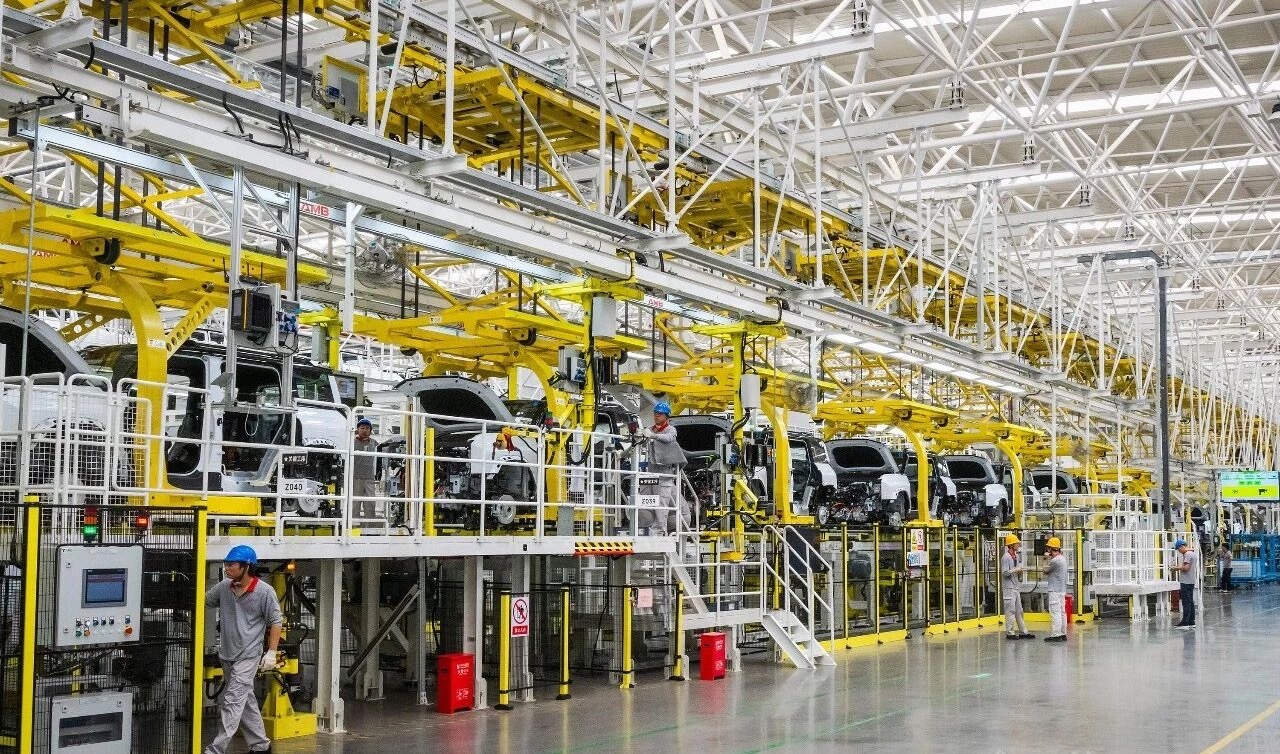
Image Source: Anhui Daily
The success of Hefei and Anhui has sparked lasting reflection. A central question looms: Can the "Hefei Model" be replicated?
Dissecting the core elements of the Hefei Model reveals three pillars: a professional decision-making mechanism, strategic patience grounded in long-term thinking, and a precise focus on industrial ecosystems.
Yet, replicating the Hefei Model faces immense hurdles. First, master strategists are rare: few local government teams possess Hefei's analytical rigor, risk appetite, and ability to execute across market cycles. Many investments elsewhere are hampered by information asymmetry, a lack of expertise, and a desire for quick returns, often leaving local governments holding the bag. Second, the window of opportunity is closing. The NEV market has shifted from a blue ocean to a red ocean of fierce competition; barriers to entry are high, and opportunities to provide a lifeline—like the one NIO received in 2020—are scarce. Third, companies vary wildly. Not every firm boasts NIO's brand-building power, technical reserves, or user-centric mindset. Choosing the right target is the biggest risk of all.
Cao Guangping, a partner at Chefu Consulting, noted in an interview that local government support for NEVs is a double-edged sword. "You gain jobs, tax revenue, and a supply chain, but you face fiscal, loan, and profitability pressures," he said. The key to success, he argued, lies in backing companies that choose the right technology path, build a profitable industrial cycle, and expand into external markets through innovation. Otherwise, a wrong bet on technology, a market shift, or a funding crunch can turn every prior investment into a crushing burden.
The failures of projects like Qoros Automotive Co., Ltd., Borui, and Byton, along with the heavy debt some regions incurred to lure them, serve as a cautionary tale. They warn that beneath the heat of industrial investment lies a cold, hard test of risk management and professional competence.
How to Become the Next 'Master Strategist'
Returning to the initial question: who will be the next master strategist? The answer may not be a specific city, but rather an "industrial governance operating system" that is being widely studied and adapted to local conditions.
Shenzhen, anchored by global giant BYD, has naturally evolved a massive, self-consistent NEV ecosystem, with its government focusing on top-level planning and optimizing the market environment. Shanghai, by luring Tesla, used a strategy of "open overwhelming advantage" to reshape supply chain standards and manufacturing efficiency in China's NEV sector, catalyzing an upgrade across the Yangtze River Delta. Meanwhile, cities like Xi'an are drilling down into specific segments—such as power batteries—striving to become indispensable links in the national and global supply chain.
Their paths differ, but their core aligns with the Hefei Model: professional judgment replaces blind following; ecosystem thinking trumps isolated deal-making; and long-term vision curbs short-term impulse.
Becoming the "next" big player isn't about copying Hefei's story. It depends on mastering the ability to identify critical tracks amid uncertainty—and nurturing industries with the mindset of a "partner."
The race for new frontiers—artificial intelligence, the low-altitude economy, and embodied intelligence—is already on. The industrial tide never stops: from smart cars to low-altitude aircraft, from industrial robots to embodied AI agents with perception and interaction skills, new opportunities are taking shape. Hangzhou and Shenzhen are busy building future industrial ecosystems around these sectors, hoping to seize the first-mover advantage in the next wave of transformation.
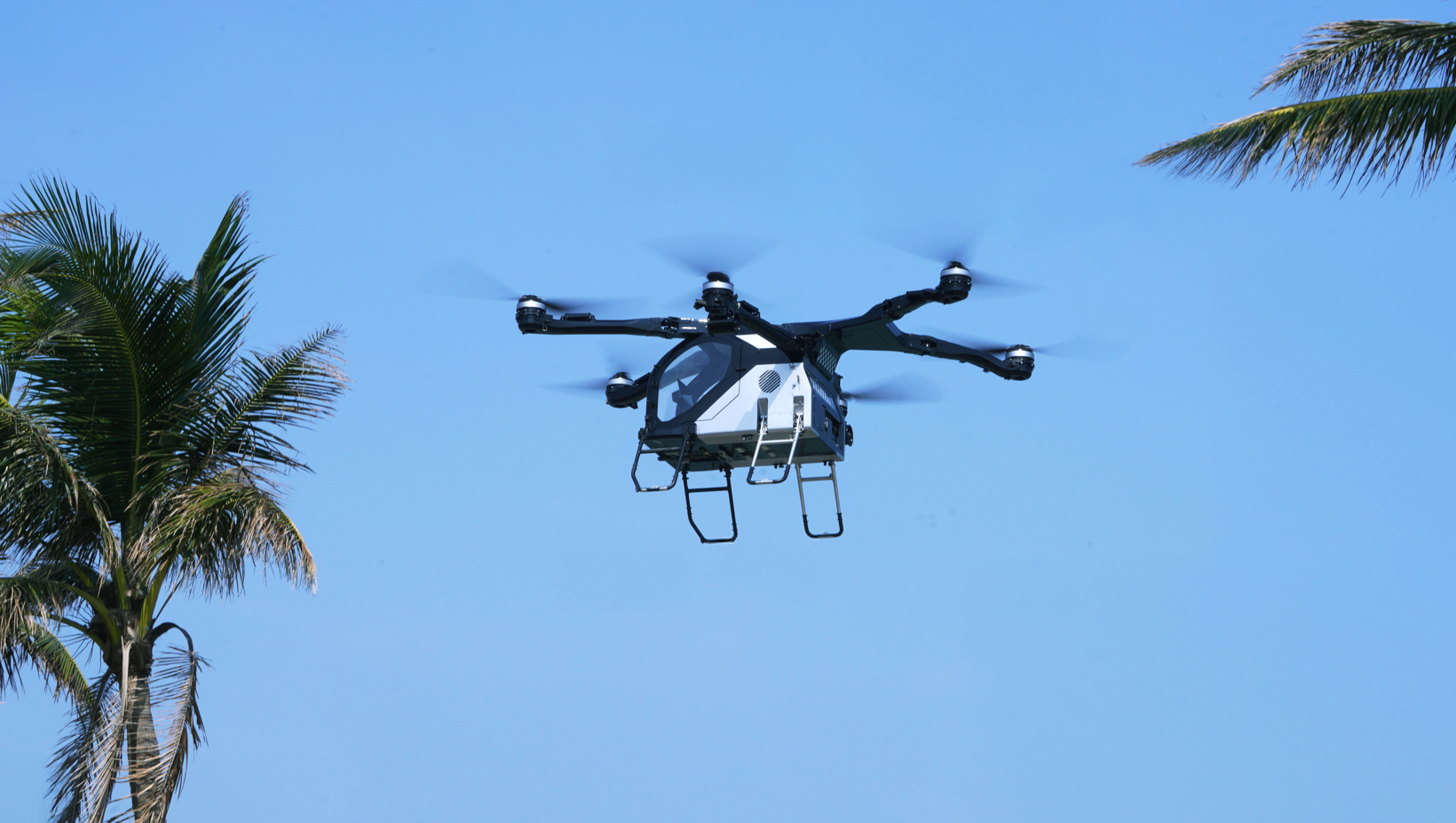
Image Source: XPENG AeroHT
The true lesson of the Hefei Model may be this profound insight: how local governments can evolve into "strategic partners," transcending the mere label of "venture capital."
Facing new fields that are more technologically disruptive and ecologically complex—such as the low-altitude economy and embodied intelligence—the government's role must evolve further: from "industrial organizer" to "co-creator of future scenarios" and "coordinator of cross-boundary ecosystems."
Hefei's story transcends the viral narrative of the "best venture capital city." It reveals a new paradigm for how local governments can participate in and guide the development of strategic emerging industries in a new era.
At the heart of this paradigm is a profound shift in the role of local government: from mere "regulator" and "investment hunter" to "strategic investor," "industrial organizer," and "co-builder of innovation ecosystems." It demands that governments possess an entrepreneurial spirit, speak the language of capital, and respect market laws—all while leveraging the institutional advantage of mobilizing resources for major, long-term strategic layout.
Today, the waves of AI and embodied intelligence are just beginning to swell, and the low-altitude economy is poised for takeoff. Local governments are eager to seize the opportunity for the next industrial leap.
Cao Guangping offers a telling suggestion: "Governments should first create a favorable industrial environment, second support companies in raising their genuine technological level, and third accelerate pilot applications to help form an 'industrial cycle.'"
This may be the most valuable legacy of the Hefei Model: the government's core function is to build fertile soil, establish fair rules, and provide an open stage. It allows the most innovative companies to break through the surface, lets market forces play the decisive role in allocating resources, and ultimately achieves a "mutual embrace" between local economic growth and corporate success.


