Gasgoo Munich - As electrification and intelligence sweep through the automotive sector, the traditional internal combustion engine supply chain appears to be pushed to the margins. The prevailing consensus is stark: transform completely or face elimination. Yet some companies are proving there’s another path. It’s not always about "cutting off the arm to save the body." By honing existing advantages to absolute perfection and expanding rationally from there, they can still secure a foothold in an era of upheaval.
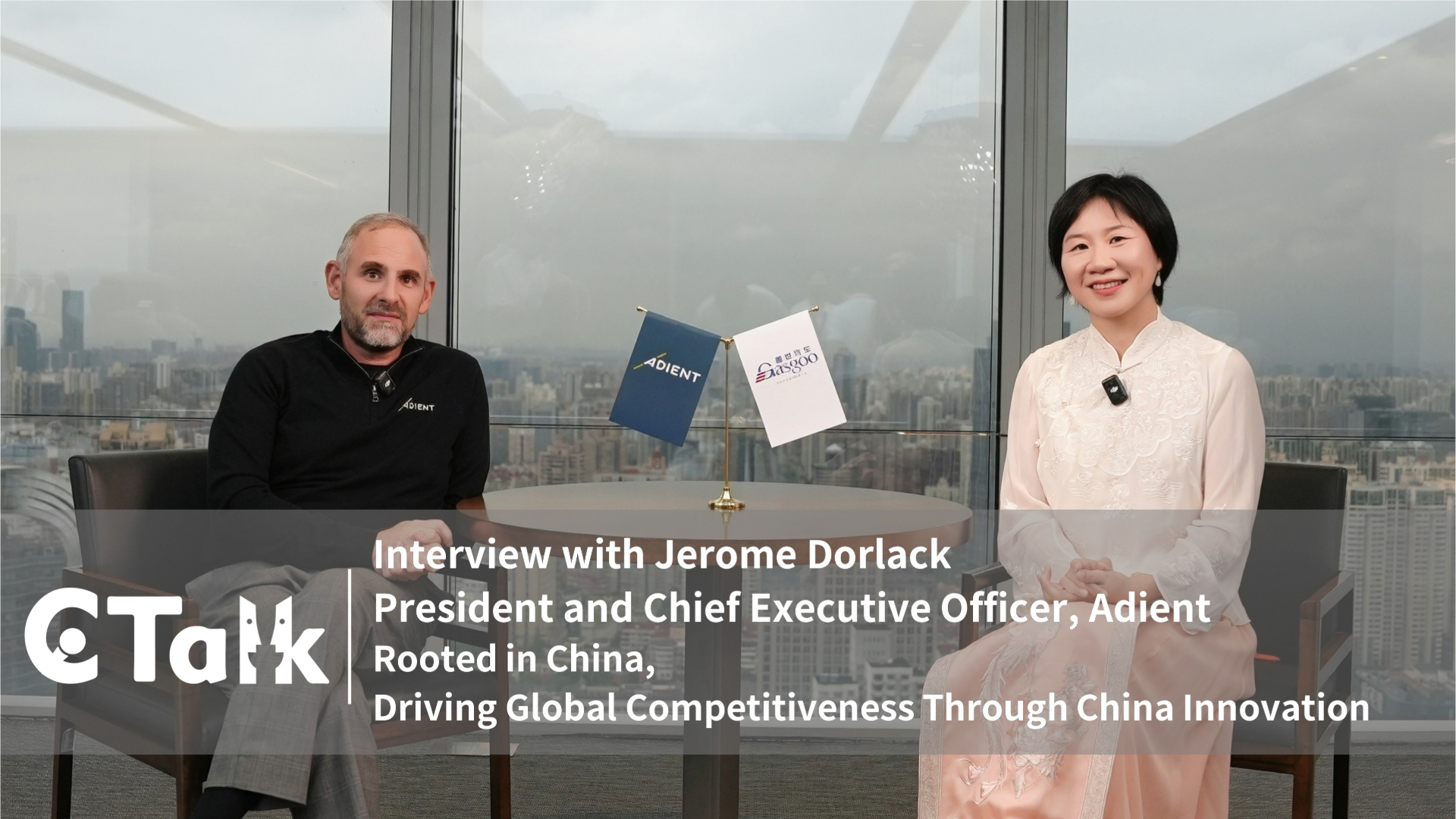
German non-standard test equipment manufacturer Sonplas offers a compelling case study. Globally renowned for fuel injection system testing equipment, the company has not only dominated a seemingly "marginalized" market but also steadily expanded into electric vehicles and hydrogen fuel. In a recent discussion with Gasgoo, Sonplas Global Managing Director Christian Wachtmeister shared his perspective: the internal combustion engine market still holds untapped potential.

Sonplas Global Managing Director Christian Wachtmeister (Image source: Sonplas)
Seizing the Opportunity of "High-Quality Evolution" in Internal Combustion Vehicles
It is natural for the industry to focus on the growth of new energy vehicles. Yet a frequently overlooked fact remains: the internal combustion engine market hasn't vanished—it has simply shifted from a battle for scale to a battle for quality.
The "Technology Roadmap for Energy Saving and New Energy Vehicles 3.0" explicitly states that internal combustion engines will remain a crucial component of automotive power for the next 5 to 15 years, evolving toward greater efficiency, lower carbon, and eventually zero carbon. This isn't merely about extending the lifespan of the technology; it demands higher technical standards. Furthermore, China's National Phase VII emission standards are on the agenda, poised once again to push internal combustion engine performance to its physical limits.
This reveals a critical logic: as total volume growth slows or even peaks, the pursuit of "quality" and "ultimate performance" accelerates sharply.
Sonplas has seized this opening. "Every technological upgrade requires more precise, reliable equipment capable of simulating extreme conditions to ensure success," Christian said. "As a company with over 30 years of technical accumulation, Sonplas can provide strong support to many internal combustion engine manufacturers, whether for National Phase VII or even stricter global regulations."
That confidence stems from Sonplas’ undisputed leadership in its niche. According to Christian, more than 50% of the world's fuel pumps and injectors are tested on Sonplas benches before leaving the factory. Their testing technology can simulate extreme environments ranging from minus 60 degrees Celsius to 150 degrees Celsius. The capabilities cover comprehensive testing—including hydraulic flow, pressure, leakage, and injection pattern measurement—while meeting the highest standards like ATEX explosion protection and SIL safety levels. This ability to perfect a single link in the chain through "non-standard" customization forms their deepest moat.
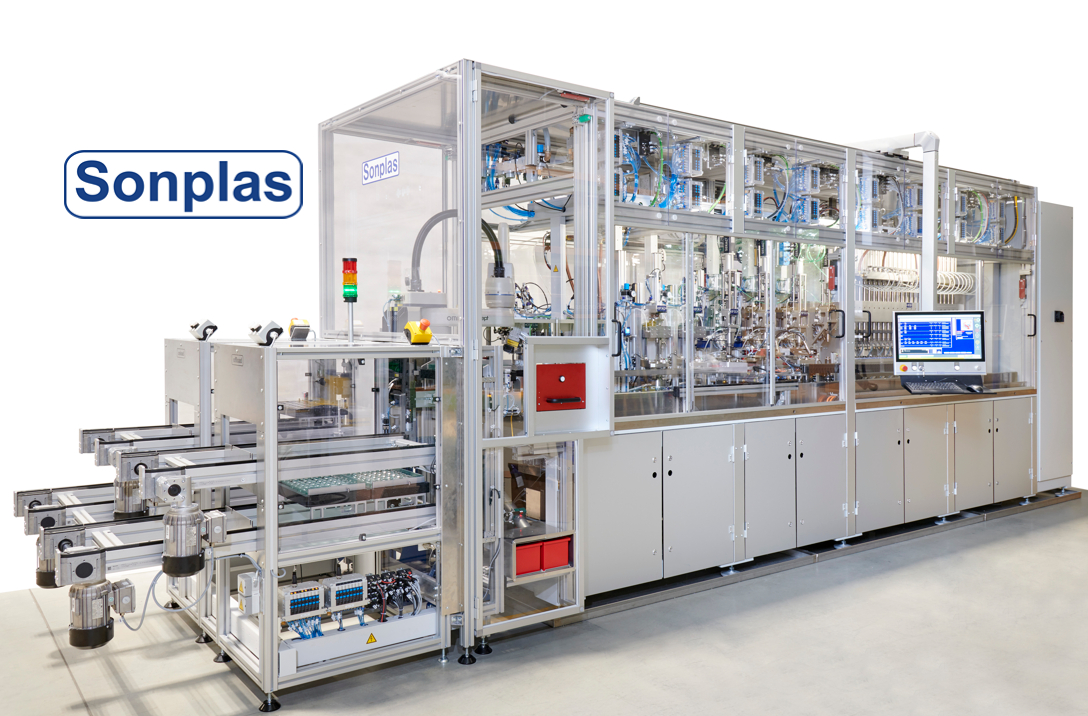
Sonplas gasoline injector test bench (Image source: Sonplas)
Furthermore, in Christian's view, the Chinese market offers the following potential opportunities for Sonplas:
1. Growing demand for hybrid vehicles. Data indicates that sales of hybrid vehicles in China—primarily plug-in hybrids (PHEVs) and extended-range electric vehicles (EREVs)—are projected to reach approximately 5.861 million units in 2025. That represents a 14% year-on-year increase and accounts for roughly 36.4% of total new energy vehicle sales that year. Additionally, as Chinese companies expand overseas, they find that hybrids are often more readily accepted abroad than pure electric vehicles. "For Sonplas, hybrid engines require more precise injection control to achieve higher thermal efficiency, which undoubtedly drives demand for advanced testing equipment."
2. Opportunities from supply chain restructuring. Currently, some international Tier 1 suppliers are exiting the gasoline and diesel markets, while local suppliers are quickly stepping in to fill the void. To absorb and upgrade this capacity, these local players need advanced technology and cutting-edge testing solutions that meet the strictest modern standards.
3. Chinese automakers' overseas expansion remains dominated by internal combustion vehicles, and some major manufacturers are still developing new gasoline engines. Meeting global standards and regulations requires high-precision, high-quality testing equipment that satisfies international requirements.
These dynamics signal that in the Chinese market, demand for high-end internal combustion engine testing remains robust and is continuously evolving.
One industry observer noted that when an industry shifts from competing on scale to competing on quality, the value of companies that act as the "ruler" and "quality gatekeeper" becomes increasingly prominent. For a company like Sonplas, it is not about resisting trends, but deeply understanding the structural opportunities within them: the existing stock of internal combustion vehicles is evolving into a "high-quality stock," and that evolution cannot happen without the most precise "ruler." Making that "ruler" the most accurate and reliable in the world is their irreplaceable value.
Maximizing Strengths and Drawing "Concentric Circles" Around the Core
To ensure absolute stability in their leadership within a core field, companies must do more than sustain R&D investment and pursue craftsmanship. They must also address real market demands and trends, pushing their greatest strengths to the limit.
First, regarding the cost sensitivity and efficiency requirements of the Chinese market: how can highly "non-standard" testing equipment remain competitive? Addressing this business proposition, Christian pointed out: "Although we call it customization, we don't build a project from scratch. The company has established hardware and software foundation models that meet 70-80% of customer needs, leaving only 20-30% for deep customization. This effectively controls costs and delivery cycles while focusing engineering resources on the links that truly create differentiation."
Second, Christian revealed that Sonplas integrated AI and big data analytics into its testing equipment early on. This drives the equipment's role from a "data collector" to an "intelligent analysis node." By leveraging software and data analysis—including AI—Sonplas helps customers optimize production yields and predict maintenance needs, thereby enhancing the equipment's overall value rather than simply competing on hardware price.
Beyond strengthening core capabilities, outward expansion is essential for sustained growth. To this end, Sonplas has chosen a strategy of "concentric circle" expansion based on core capabilities—an approach with lower risk and a higher success rate:
● Horizontal product expansion: Building on deep expertise in precision measurement, high-pressure safety, and extreme environment simulation, Sonplas’ business has naturally extended from internal combustion engine testing to battery and electric drive system testing for electric vehicles. At the same time, it seamlessly adapts to the testing needs of new fuels like methanol, ammonia, and hydrogen.
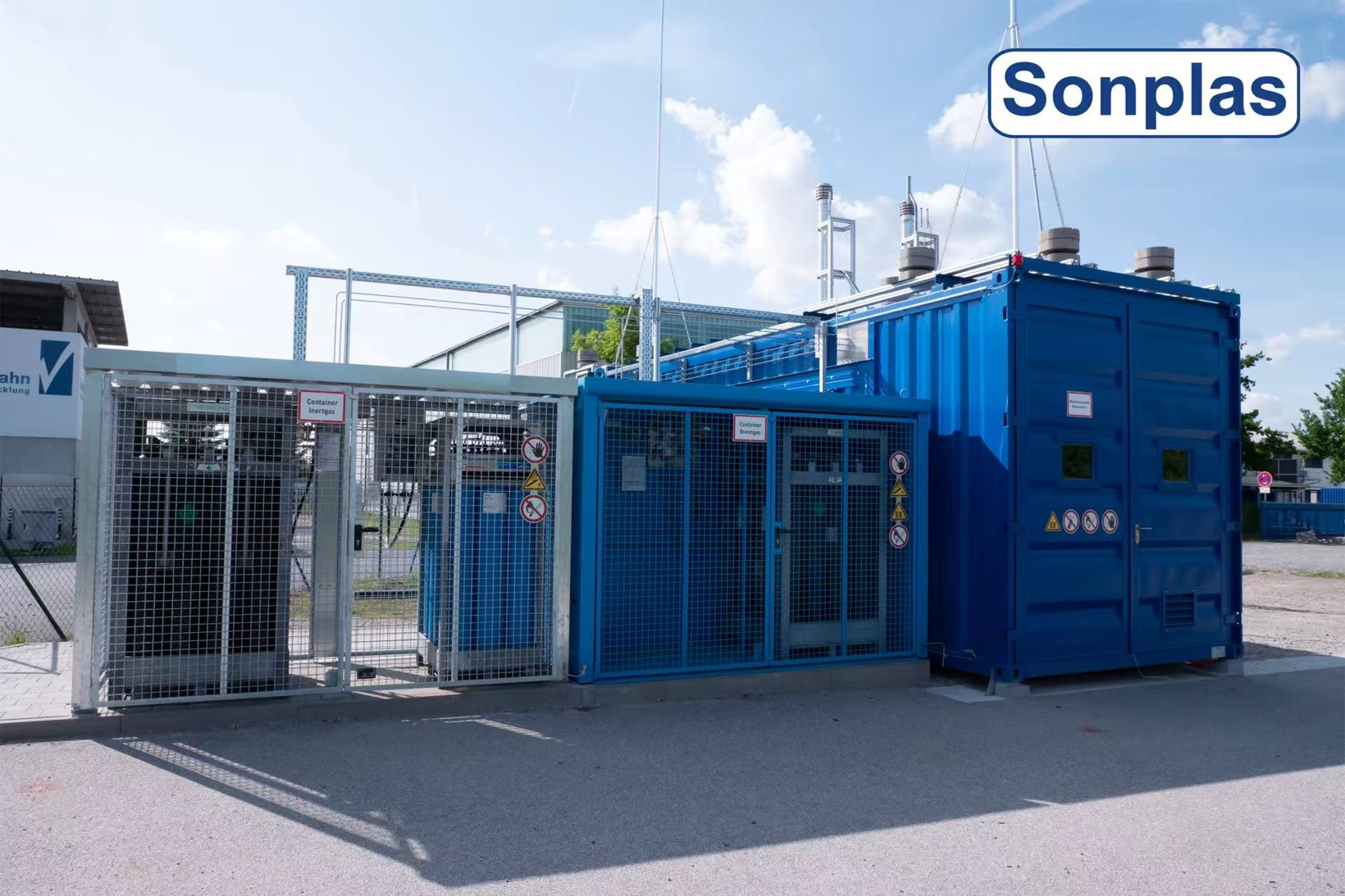
Sonplas hydrogen component test center (Image source: Sonplas)
● Vertical application expansion: Currently, automotive business accounts for about 50% of Sonplas’ portfolio, while diesel power generation (such as backup power for data centers and marine propulsion) makes up 20-25%, and aerospace, medical, and other fields account for roughly 25%. Christian noted that beyond automotive, many sectors are showing strong demand. The booming development of digital infrastructure, such as AI data centers, has spawned robust demand for diesel backup power systems. Meanwhile, the rapid adoption of alternative fuels like ammonia and hydrogen in the maritime sector has opened new growth tracks for the company.
Sonplas’ strategy can be summarized as follows: refine core capabilities until they are irreplaceable, then use that as a stable center to radiate outward into new fields with shared technical logic and sustained demand. It is a balance between "holding the line" and "making strategic breakthroughs."
Deepening Localization: From Market Access to Value Symbiosis
For foreign technology enterprises, localization in the Chinese market has long moved past the initial stage of "setting up a sales office." The new requirement is deep integration into the local innovation ecosystem, transforming the role from "supplier" to "development partner."
"We don't wait for customers to finish developing new technology before providing equipment," Christian said. "We prefer to become part of their new development projects from the start."
Sonplas has been expanding in China for 20 years. The establishment of Sonplas Automation (Kunshan) Co., Ltd. in 2024 marked a new stage in its China strategy, shifting from "sales-oriented" to "deep service and localized integration." Christian stated that the move aims to "better serve the Chinese market, stay closer to customers, and provide more in-depth services."
Regarding supply chain and production localization, Christian revealed that the company's development roadmap includes plans for domestic manufacturing and assembly in the future.
Industry Summary and Insights
The Sonplas case may not be replicable for every company, but the strategic thinking behind it holds universal relevance for many specialized manufacturers facing the pressure of industry transformation:
First, redefine the "sunset industry." There are no absolute sunset industries, only sunset technologies and management. When a major category enters a plateau phase, the focus of competition shifts from "existence" to "excellence," and from "scale" to "value." At this point, companies possessing extreme technology, quality, and reliability in key niche segments find their barriers to entry are higher and customer stickiness stronger. Deeply penetrating and saturating the "installed base" market can still generate stable and substantial profits.
Second, expand concentric circles based on core capabilities. Transformation does not mean changing industries. The most effective expansion is migrating to adjacent fields with shared technical logic, built upon decades of accumulated core technical strength. This type of expansion carries controllable risk and a high success rate, while creating synergies.
Third, deeply embed in the customer's value chain and innovation chain. Upgrade from a supplier to a "development partner" by intervening early in the customer's new technology R&D process. This requires companies to provide not only products but also profound industry insight, forward-looking testing solutions, and a willingness to share development risks.
Fourth, maintain the strategic resolve of a long-termist. Sonplas is a privately held company with family ownership, and its managing director admits the advantage lies in the ability to "formulate long-term plans" without being swayed by the pressure of quarterly earnings reports from public markets. Amid the industry's noise, this resolve allows the company to avoid distraction from short-term trends, persist in investing in areas of expertise, and wait for the optimal moment to migrate its capabilities.
Ultimately, in the face of turbulent industry change, the greatest danger may not be change itself, but losing sight of what you do best in the midst of anxiety. As Sonplas has demonstrated in practice, excellence and adaptability are never mutually exclusive choices.