



Beijing (Gasgoo)- From January 6–9, 2026, the annual Consumer Electronics Show (CES 2026) opened in Las Vegas. This year, ENCOS displayed three key components for humanoid robots — covering dexterous hands, joints, and smart batteries — providing core hardware to underpin scaled deployment.
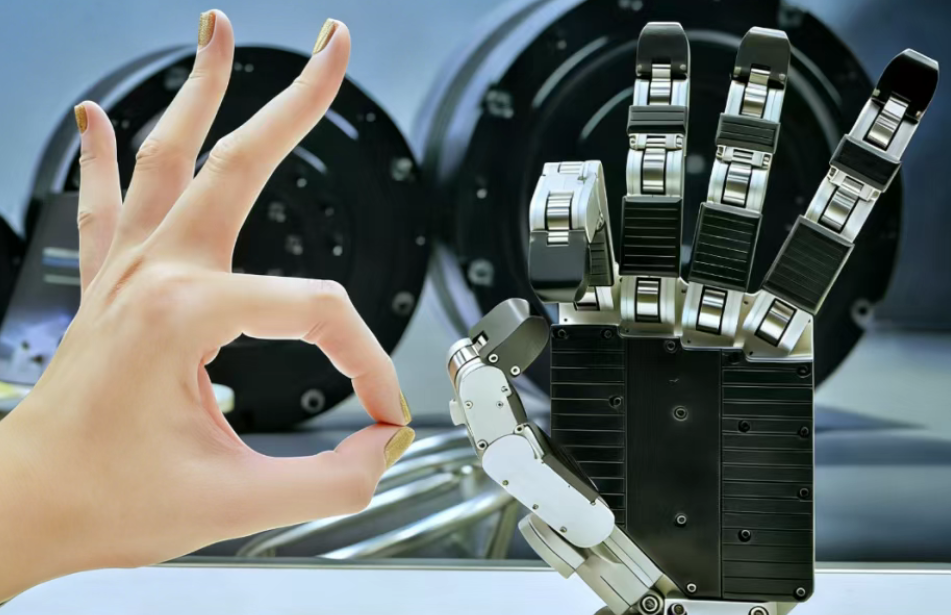
Image credit: ENCOS
ENCOS' full-joint force-feedback dexterous hand adopts a human-like, scale-matched design. It offers 20 active degrees of freedom with force feedback across all joints, and comes with an EtherCAT interface for convenient data capture — suited to precision assembly and other high-accuracy manipulation scenarios.
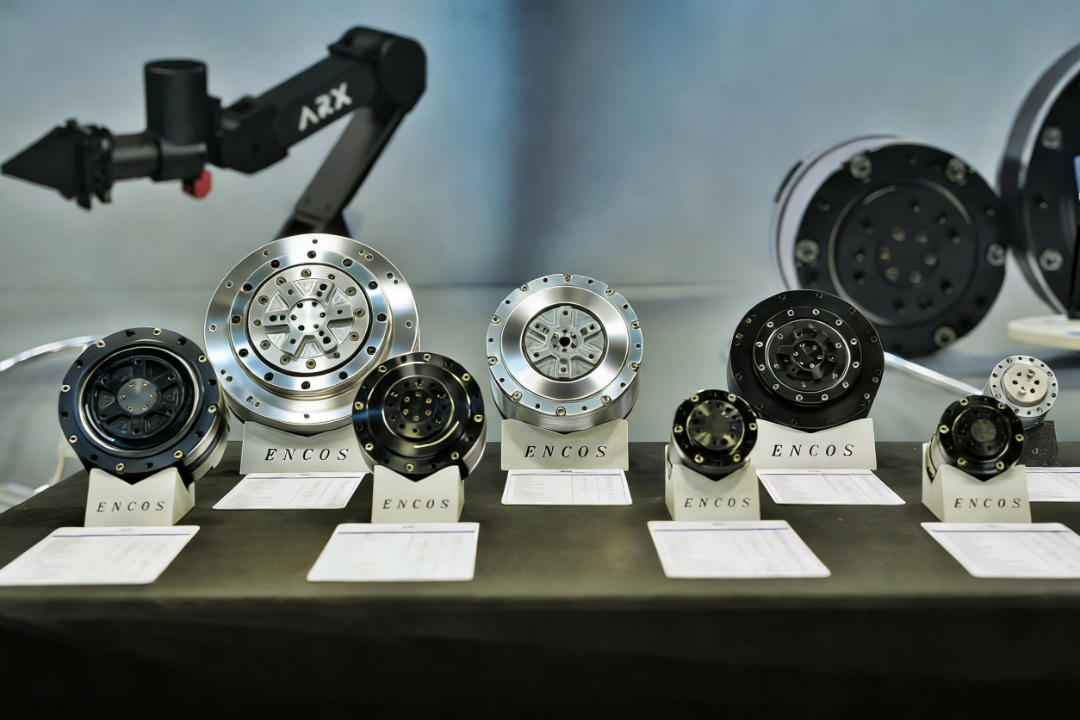
Image credit: ENCOS
The new 14 mm hollow-bore planetary joint module features an integrated hollow-bore design, combining high torque density with lightweight, compact packaging. It supports internal cabling and installation in confined spaces, further expanding ENCOS' standardized joint product lineup.
Addressing humanoid robots' strong need for internal cable routing, ENCOS began developing hollow-routing joint products in 2023 and achieved scaled mass production in 2025. The company has built a standardized joint portfolio spanning different load classes and precision requirements, covering planetary, harmonic, and cycloidal solutions.
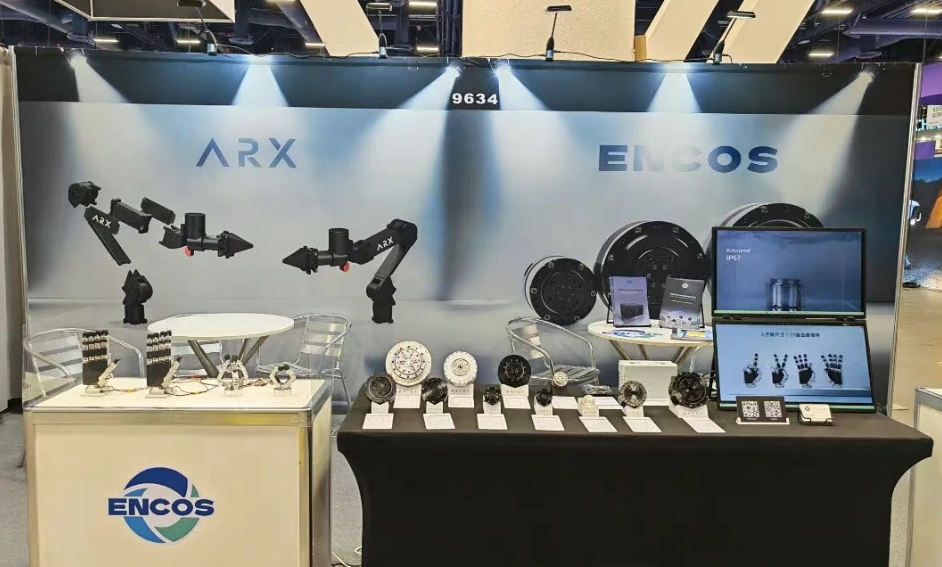
Image credit: ENCOS
The universal hot-swappable battery module is compatible with various humanoid robots. It supports rapid, uninterrupted swaps for seamless uptime, fitting 24-hour continuous operations such as industrial inspection and logistics handling.
Together, the three products form a complete power-system component solution, underscoring ENCOS' shift from single parts to a broader hardware ecosystem.
ENCOS was founded in 2022, with a core team from Nanjing University of Aeronautics and Astronautics. In 2025, shipments of its joint modules topped 100,000 units — the first in the industry to reach that scale — and its products have been adopted by leading manufacturers at home and abroad. The CES 2026 lineup is a concentrated showcase of its self-developed technology and scaling capability, and should accelerate the standardization of key components for humanoid robots.


