



Gasgoo Munich- As the roar of F1 engines echoes once more across the Shanghai International Circuit, this city—steeped in automotive DNA—is welcoming racing fans from around the globe with a citywide automotive carnival.
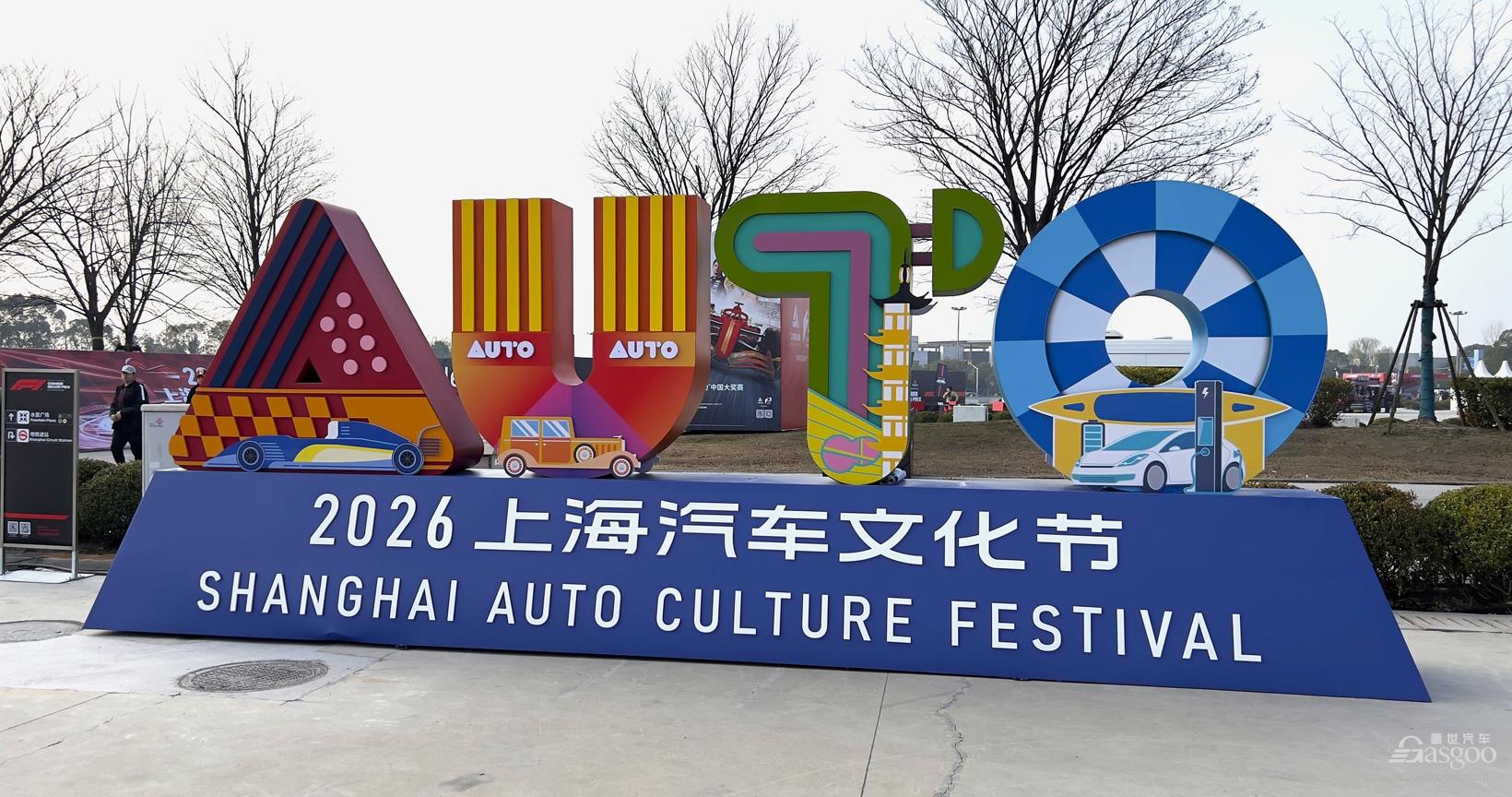
The 2026 Shanghai Auto Culture Festival, themed "'Shang'hai 'Jia'speed to the Future," is rallying crowds under the slogan "Global Fans, Pit in Jiading." Orchestrated by Jiading officials, this carnival blurs the lines between the track and the city, deeply integrating F1 racing, local character, commercial resources, and automotive culture into a grand matrix led by the race and fueled by citywide participation and tourism.
From the Bund to Jiading, and from central business districts to ancient streets, F1 is no longer just a competitive sport; it has become a vital vehicle for energizing the city and spreading automotive culture. As the planning core and a highland of the auto industry, Jiading is opening its doors, inviting global fans to a feast where speed meets urban vibrancy.
From the Track to the City: A Carnival "Pit Stop"
As the heart of Shanghai’s auto industry, Jiading is leveraging the IP power of the F1 Chinese Grand Prix to extend the racing fever to every corner of the metropolis. Through official coordination, the district is realizing a dual-scenario linkage of "track plus city," turning the slogan "Global Fans, Pit in Jiading" into a tangible urban experience.
Far from a haphazard collection of events, this officially led carnival is built around 30 themed activities across four sections of the Auto Culture Festival. The layout covers all of Jiading and radiates into Shanghai’s core areas, creating a resonance between the race, the city, and commerce.
Building on its industrial strengths, Jiading has targeted a "citywide carnival for everyone." By coordinating across municipal departments and linking major shopping districts with brands, officials are ensuring F1’s influence breaks free from the circuit, permeating every facet of urban life.
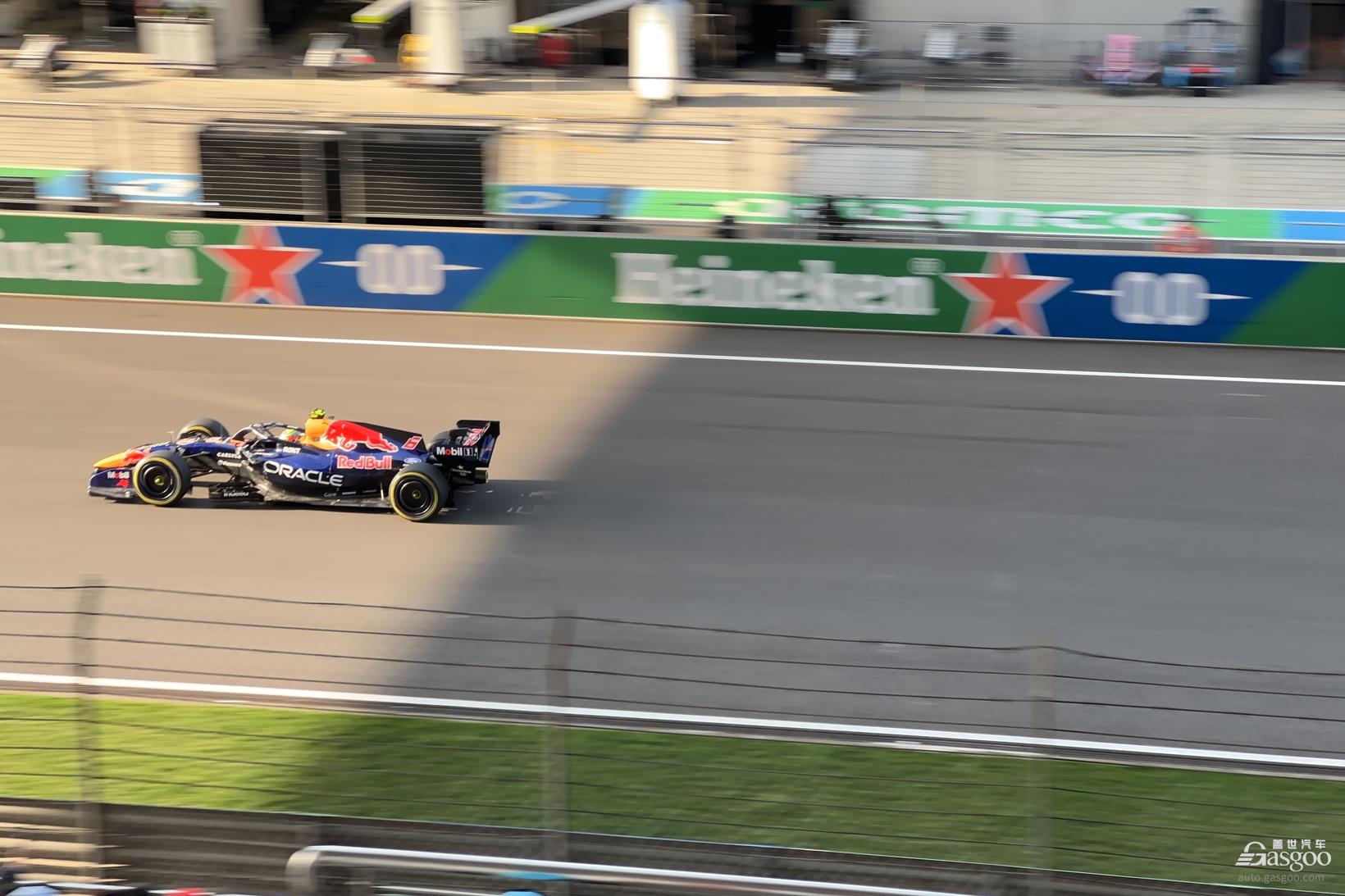
As the carnival’s home base, Jiading is deeply blending track passion with urban living, creating a multi-point immersive experience.
Around the Shanghai International Circuit, the Water Plaza has transformed into the "Dream Jiading" theme park. An exhibition chronicling a century of automotive development allows fans to look back on the evolution of car civilization while soaking in the thrill of speed.
Jiading New City is simultaneously hosting peripheral activities that weave automotive culture into the fabric of daily life.
At Nanxiang Incity MEGA, a partnership with Five Star Sports has launched the "Five Star F1 Fan Market." Inside this 150-square-meter immersive space, fans are flocking to F1 simulators and relay challenges. An official merchandise zone lets visitors take home memories of speed, while a recruitment drive for the "Five Star F1 Strategy Group" invites fans to become insiders, deepening their engagement with the sport's culture.
Officials have also introduced "ticket linkage" perks, distributing racing-themed Shangha Pass cards to fans in the E-stand support zone. Cardholders enjoy discounts on dining, shopping, and lodging at key commercial districts, converting race-day footfall into urban consumption and achieving the tourism goal of "watching the race, touring Jiading."
Under Jiading’s coordination, Shanghai’s core shopping districts have become extended arenas for the F1 carnival, completing the pattern of a citywide party.
The Bund, Shanghai’s iconic waterfront, is hosting a massive Checkered Flag Carnival that has become a focal point of public interest.
Jiading officials partnered with the Shanghai Auto Museum to display rare vehicles on the Bund, including the Ferrari 488 China Dragon. The charm of these classic models left audiences dazzled, offering an intuitive sense of the profound heritage of car culture.
The venue features dedicated zones for mini-games like tire-change challenges and racing bowling. Complemented by an American Express booth, an F1 store, and model car displays, the setup lets citizens and fans experience the joy of racing through interaction.
Scheduled performances by domestic and international bands drive the atmosphere to a climax, drawing locals and tourists alike to stop and join in—a testament to F1’s mass appeal.
Zhou Guanyu, China’s first F1 driver, made a personal appearance at the Bund carnival. Interacting closely with fans and sharing track stories, he further ignited public passion for racing. His presence echoed the core message of "Global Fans, Pit in Jiading," showcasing Shanghai’s embrace of motorsport culture.
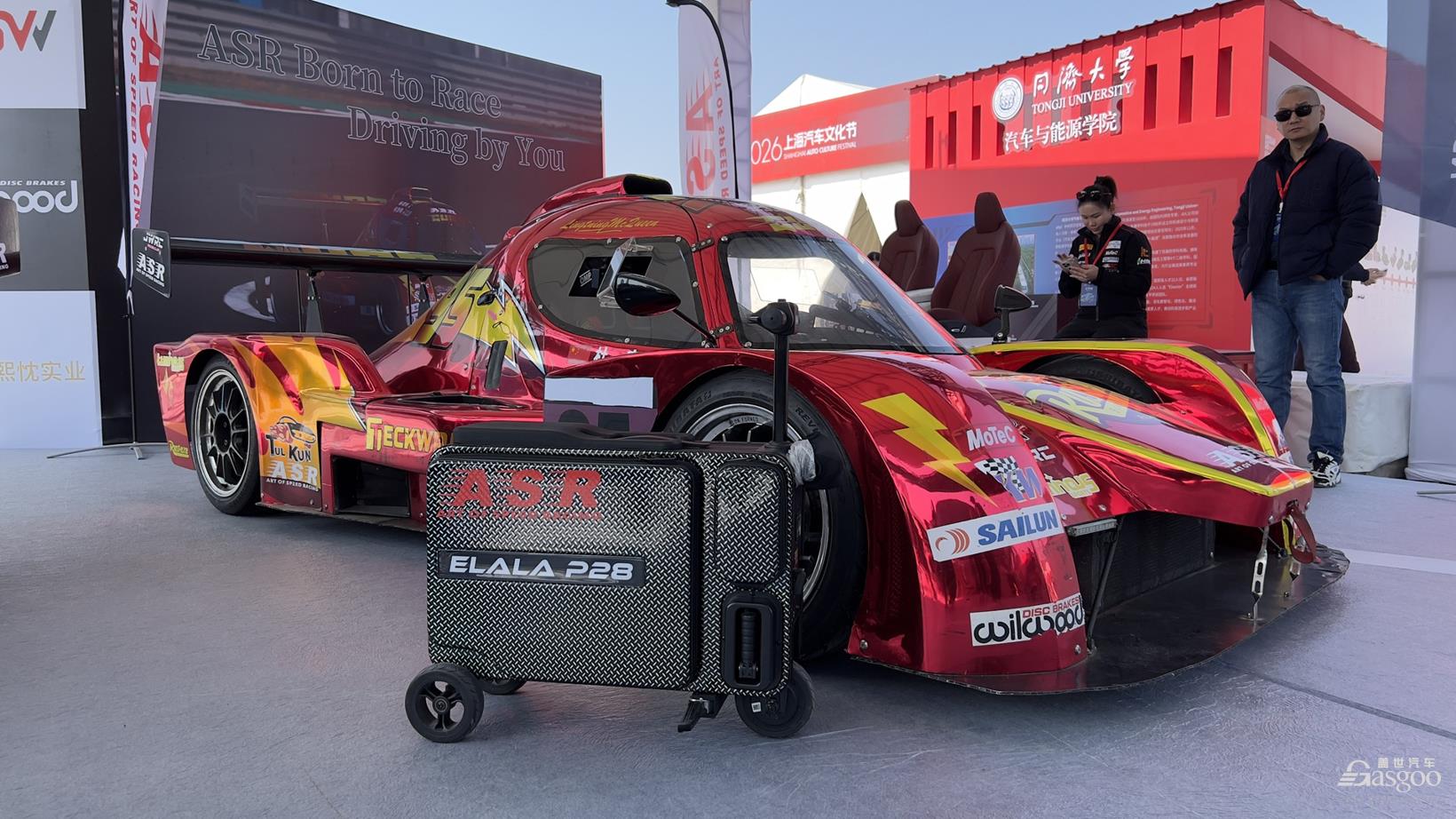
Beyond the Bund, several core Shanghai landmarks have integrated into the carnival, creating a scattered yet unified layout.
The West Bund Dream Center in Xuhui serves as a key venue for the Checkered Flag Carnival, displaying three 1:1 F1 car models alongside pop-up stores for Mobil 1 and Puma, blending brand experience with racing culture. A dedicated Zhou Guanyu exhibition traces his journey from youth karting to F1, with rare unseen footage drawing fans. A "Super License" perk system links city-wide check-ins with reward redemptions, offering a comprehensive experience.
At Rock Bund, the focus is on high-end brand linkage. Shell Helix and Ferrari have teamed up to display the 296 and SF90 sports cars, alongside a Ferrari in a Hewlett-Packard livery from the aerodynamic era. This spot, recommended in Ferrari’s official booklet, highlights the crossover fusion of racing culture and luxury brands.
In Zhang Yuan, Glenfiddich and Aston Martin have created a joint pop-up space featuring a 1:1 Aston Martin AMR race car, combining whiskey tasting with racing culture to create an experience of both elegance and passion.
Nanjing Road’s Century Plaza hosts a Ford pop-up store, where a Ford Red Bull-liveried vehicle is on display. An F1 tire-change experience lets the public feel the professionalism and tension of the sport firsthand, promoting racing culture to a wider audience.
Jiading officials have also linked up with Jiangnan water towns like Nanxiang and Zhujiajiao for a "Vintage Cars in Ancient Towns" event. Seeing classic vehicles navigate among whitewashed walls and black tiles creates a fascinating collision between racing culture and traditional water town heritage, further broadening the carnival’s reach and cultural depth.
Beyond the Engine: When Auto Culture Knows No Bounds
At its core, Jiading’s strategy of "Global Fans, Pit in Jiading" is about leveraging the top-tier F1 IP to deeply integrate automotive culture, commercial value, and urban development.
The empowerment of the F1 IP has allowed auto culture to break out of niche circles and become shared by the public. Under Jiading’s planning, activities are no longer limited to professional racing enthusiasts; diverse formats have lowered the barrier for general participation.
Rare car displays on the Bund, tire-change challenges on Nanjing Road, and simulators at Nanxiang Incity ensure that citizens of all ages and interests can find a way to participate and directly feel the charm of car culture.
The Shanghai Auto Museum’s "Antique Car Ride" project extends classic car culture into daily life. Citizens can cruise the Auto Expo Park in vehicles like a Cadillac DeVille convertible or a Rolls-Royce Silver Cloud III, experiencing retro flair while deepening their understanding of automotive history.
This cultural transmission isn’t a one-way broadcast. Through interactive experiences and scene-setting, citizens and fans become active participants, fostering an atmosphere where "everyone is a spreader of car culture"—a core goal of Jiading’s official planning.
The linkage between commerce, racing, and culture has created a win-win scenario, standing out as a highlight of Jiading’s strategy.
>Numerous brands have joined the carnival, including auto-related names like Mobil 1 and Shell Helix, crossover players like Puma and Glenfiddich, and automakers like Ford, Ferrari, and Aston Martin, forming a comprehensive commercial matrix.
Through pop-ups, vehicle displays, and interactive experiences, these brands are leveraging F1’s popularity to boost exposure. By aligning their brand philosophies with automotive culture, they are elevating their brand value.
For instance, the Glenfiddich and Aston Martin partnership merges the pursuit of whiskey quality with the passion of racing speed, while PUMA's collaboration with the Ferrari team reinforces its sports DNA through ambassador tie-ins.
For Jiading, this commercial linkage enriches the carnival and drives regional consumption growth. During the 2025 Shanghai Auto Culture Festival, tourism consumption in Jiading reached approximately 6.01 billion yuan. Over the three days of the F1 race, revenue at 10 key commercial enterprises in the area hit 124 million yuan, while auto sales at Nanxiang Incity surpassed 32 million yuan.
This year, Jiading launched car purchase subsidies offering consumers up to 25,000 yuan in combined benefits. Simultaneously, the "Drive New Car, Tour Jiading" campaign was introduced to further merge commercial consumption with cultural tourism, turning racing fever into a tangible engine for urban development.
More Than Just a Racing Carnival
The F1 city carnival orchestrated by Jiading is not merely a short-lived festivity. It focuses on the long-term inheritance of automotive culture and the sustained empowerment of urban development, aiming to continuously unlock the value of the F1 IP and inject lasting momentum into Jiading’s Auto City construction and Shanghai’s cultural growth.
Unlike simple race-side events, this carnival consistently pursues long-term goals: inheriting car culture, cultivating an industrial ecosystem, and elevating the city’s character. It aims to convert short-term heat into long-term developmental advantages, aligning immediate race benefits with enduring value.
In terms of cultural inheritance, Jiading uses the carnival platform to build diverse channels for dissemination, promoting the deep integration of racing culture with local traditions.
Beyond displays and interactions, Jiading has partnered with the Shanghai Auto Museum for "Auto Culture in Schools and Communities" initiatives. Organizing visits to the circuit and museum for youth—featuring science lectures, model building, and simulator drives—helps cultivate interest in automotive culture among the younger generation, building a reserve force for Chinese motorsport.
Events like "Vintage Cars in Ancient Towns" blend modern racing culture with traditional Jiangnan water town heritage, creating a unique cultural landscape. This not only enriches auto culture but also revitalizes local traditions through collision with an international racing IP.
Fan stories and event footage collected during the carnival will be archived, serving as precious memories of Shanghai’s automotive development and providing reference for future cultural activities.
In terms of long-term industrial empowerment, the carnival acts as a key lever for the transformation and upgrading of Jiading’s auto sector, promoting coordinated development across the supply chain.
As Shanghai’s auto core, Jiading boasts a complete industrial chain. The carnival attracted numerous automakers, parts suppliers, and cultural enterprises, not only to showcase the latest tech and products but also to build a platform for exchange and cooperation.
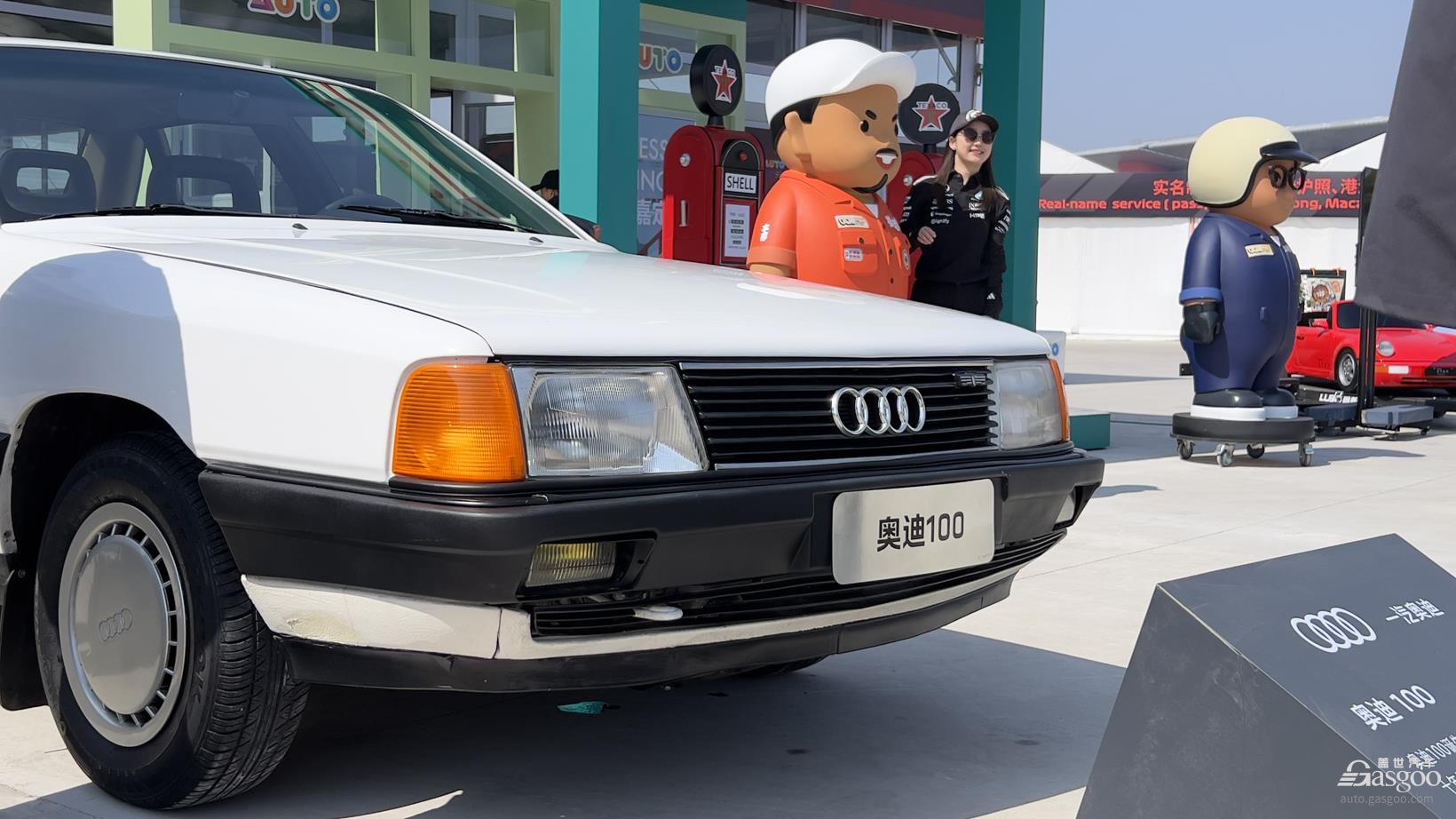
For example, Ford and Ferrari displayed new energy racing tech and smart driving features, signaling industry trends. Parts suppliers used the racing IP to boost their own influence and expand channels, while cultural firms developed various F1-themed merchandise, enriching the industrial ecosystem and fusing auto culture with the creative industry.
The tourism and commercial consumption driven by the carnival indirectly stimulates related sectors like dining, accommodation, and transport, creating a virtuous cycle where "the race drives the industry, and the industry feeds the city."
Looking ahead, Jiading will use this F1 city carnival as an opportunity to deepen the "Global Fans, Pit in Jiading" concept, tightly binding the F1 IP to urban development.
On one hand, the district will continue to optimize the carnival layout and enrich content to build iconic, sustained automotive culture brand events, making Jiading a global gathering place for fans.
On the other hand, it will push for deeper integration of auto culture with industry, tourism, and education. By perfecting the industrial ecosystem and fostering new economic growth points, Jiading aims to popularize auto culture and elevate the city’s cultural stature. The goal is to make auto culture a defining label for Jiading and Shanghai, achieving the long-term vision of "revitalizing the city through racing and the industry through culture."
Conclusion:
As the roar of F1 engines fades, Shanghai’s automotive city carnival continues to heat up. Led by the slogan "Global Fans, Pit in Jiading," Jiading’s scientific planning and citywide layout have ensured F1 is no longer an isolated sporting event, but a bond linking automotive culture, commercial consumption, and urban life.
This carnival not only showcases the speed and passion of F1 but also highlights Shanghai’s urban vitality and cultural inclusiveness, reflecting Jiading’s responsibility and stature as an automotive city.
From official citywide planning to IP-empowered cultural tourism, and from long-term cultural inheritance to industrial empowerment, Jiading has written a new chapter of symbiotic prosperity between automotive culture and urban development through this carnival.
Empowered by the racing IP, automotive culture is deeply embedding itself into Shanghai’s urban fabric. Jiading will continue to use this culture as a link to drive the deep integration of culture, business, tourism, sports, and exhibitions. By making "Global Fans, Pit in Jiading" a shining city card for Shanghai, it invites more people to feel the charm of car culture and the vitality of urban development amidst this celebration.


