Gasgoo Munich- ZEISS, tesa, Saint-Gobain, and Hyundai Mobis formed a strategic alliance recently for holographic windshield displays (HWD). The partnership aims to deliver an end-to-end solution and accelerate mass production. This collaboration pools the four companies' strengths in optics, materials, glass, and automotive electronics. It covers the chain from design and optical component manufacturing to glass lamination and system integration. The goal is to streamline development cycles and boost delivery reliability.
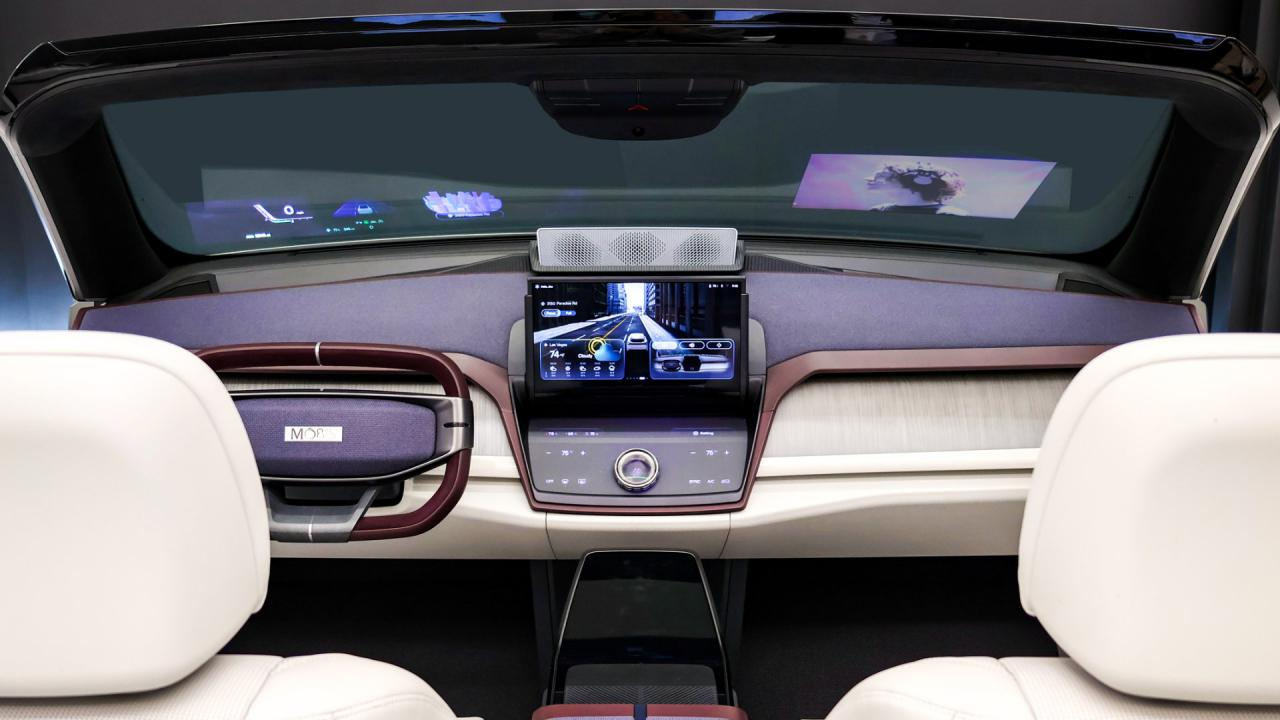
The division of labor is precise. ZEISS, leveraging 40 years of experience in holography and lithography, leads optical design and master template development. tesa handles the precise replication and mass production of holographic films. Saint-Gobain seamlessly integrates these films into windshields. Hyundai Mobis supplies the light engine display and human-machine interface integration.
The technology boasts several breakthroughs. The system volume is just 1.2 liters, far smaller than traditional HUDs, freeing up cabin design space. The holographic film transparency exceeds 95%, allowing for flexible display areas. Brightness tops 10,000 nits, ensuring clarity even in strong light, while supporting 4K and higher resolutions. Its flexible eyebox design enables zone-based displays. This prevents passenger entertainment from distracting the driver, balancing safety with privacy.
The alliance plans to launch mass production before 2029, with all products meeting automotive-grade standards. The partnership is non-exclusive, leaving automakers free to choose their supply chains. Dr. Roman Kleindienst, head of ZEISS Micro-Optics, noted breakthroughs in holographic master templates and replication processes. These advances have given this once-niche technology the conditions it needs to enter the mass market. Together, the four companies are poised to usher in a holographic era for automotive displays.