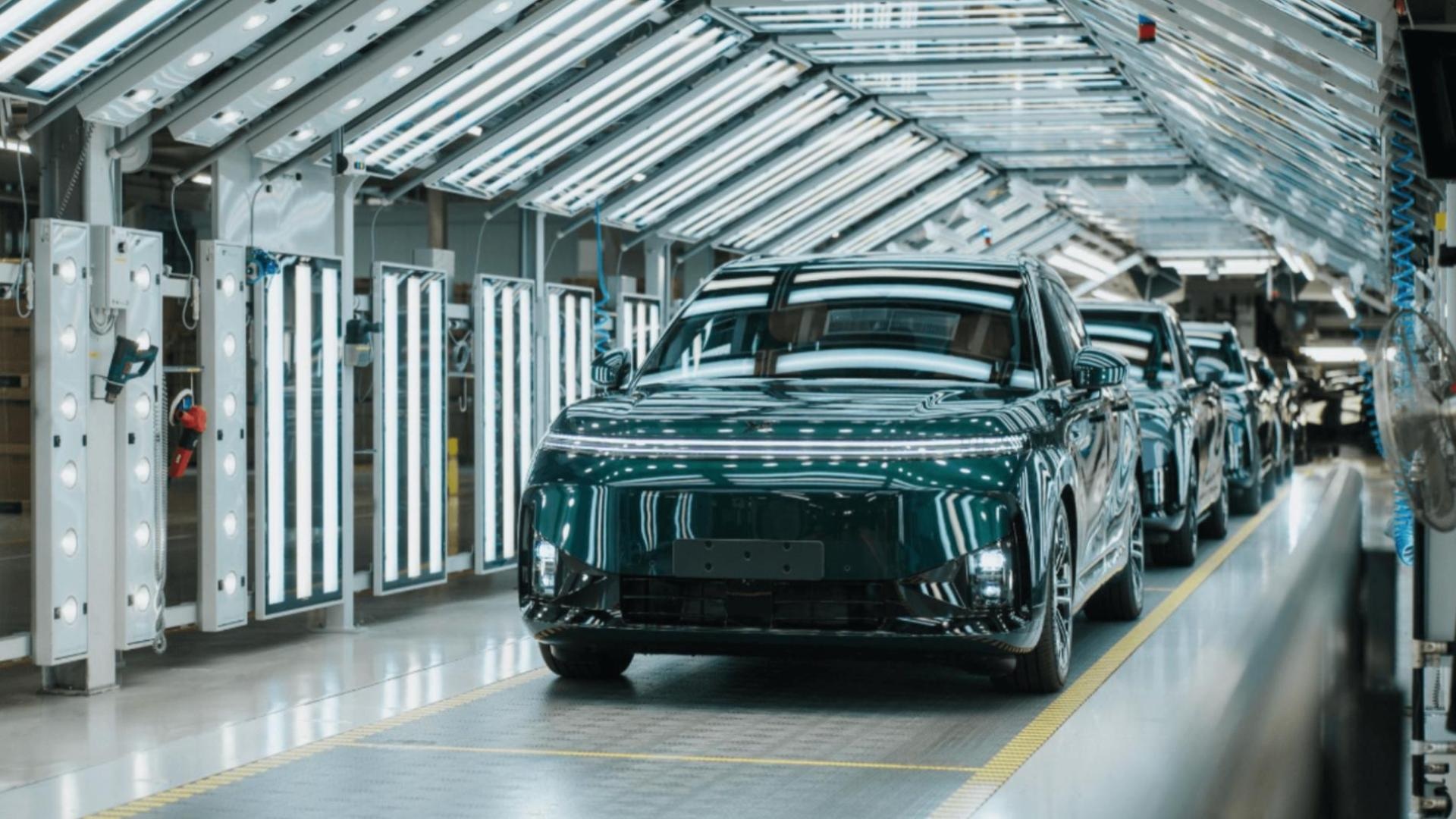
While frugal Americans are buying fewer SUVs and austerity-squeezed Europeans are opting for sensible hatchbacks, China is the land of brawny, blingy cars that time forgot.
In a country where powerful men were once transported in sedan chairs, Chinese car buyers have a culturally embedded preference for roomy saloons. Today’s rich Chinese usually have chauffeurs, so BMW makes – in, and only for, China – a long-wheelbase version of its 5 Series saloon. Five-and-a-half inches longer than the standard one, it accommodates a big rear compartment that can serve as a mobile office. Rival brands Mercedes-Benz and Audi also make only-for-China stretch saloons. Big, expensive cars are automakers’ most profitable products. So while China accounted for 12 per cent of BMW’s second-quarter sales, it generated more than 30 per cent of its profit, which to-talled $1.1bn after tax. No wonder the Munich carmaker is building a new plant in Shenyang, its second.
Car sales are recovering shakily from last year’s three-decade low in the US. They are falling again in Europe. But emerging markets are the car industry’s biggest cash cow as it finds its footing after the financial crisis. GM, the bailed-out Detroit carmaker, sells more vehicles in China than it does in the US. Fiat sells more cars in Brazil than in Italy, and makes most of its profits there. Like BMW, GM, Hyundai and Volkswagen are all expanding in China, as are Ford, Toyota and Hyundai in Brazil.
This strategy is not without danger. Emerging market growth does not make the sector less cyclical. In an intensely competitive business with long investment lags, overexuberant sales projections can leave carmakers overexposed to a single market or saddled with underutilised production lines when boom turns to bust.
Carmakers have put too many eggs in one basket before. Some overinvested in Brazil during the boom a decade ago and were hurt when the market slumped badly in 2002. Japan’s carmakers were hit hard in the current crisis by dint of their heavy dependence on the US. And last month, China’s car market grew a mere 15 per cent year-on-year, a slump in a market where sales were recently growing at 50 per cent. GM this week reported lower profits in its emerging-markets arm, and said that it was seeing inventories in China rise as more cars went unsold.
Carmakers are aware of the danger. In a nod to concerns about BMW’s growing reliance on China, its boss Norbert Reithofer said last week that his company wanted “to grow on all continents, in large and small markets alike”. After cutting shifts and slashing costs at home, automakers still cannot afford complacency. They must be wary of counting too heavily on everlasting good times overseas.
Copyright The Financial Times Limited 2010. You may share using our article tools. Please don't cut articles from FT.com and redistribute by email or post to the web.