



The afterglow of the 2026 Spring Festival has barely faded, yet the battle for China's auto market is already raging anew.
Unlike the gradual rollouts typical of past years, Dongfeng Nissan came out swinging immediately after the holidays. In a move of near-"saturation" intensity, the automaker unveiled four new models at once: the Altima HarmonyOS Cockpit S380 Master Edition, the N7 Youth Edition, the 15th-generation Sylphy, and the N6 Pro+ Edition. Such density in new model launches is rare in the history of Dongfeng Nissan—and perhaps the entire joint venture camp.
Against a backdrop of a grinding price war, rising penetration of new energy vehicles (NEVs), and intelligent competition entering the "deep end," this move is far more than a simple product line refresh. It is a meticulously calculated strategic deployment.
It serves as both a defensive counterattack for market share and a reflection of the survival path mainstream joint ventures are seeking as they navigate the growing pains of transition—struggling to rebalance "volume" with "quality."
Image Source: Dongfeng Nissan
A "Combination Punch" in a Zero-Sum Game: Why the Multi-Pronged Launch?
To understand why Dongfeng Nissan chose to mobilize its entire arsenal at this moment, one must first examine the broader industry landscape.
China's auto market long ago bid farewell to the golden age of shared growth, entering instead a brutal "elimination round" of zero-sum competition. As 2026 began, many brands adopted aggressive pricing strategies to secure a strong start, triggering yet another reconstruction of the market's pricing framework. For Dongfeng Nissan, a former heavyweight that comfortably sold over a million units annually, relying on a single model to go it alone is no longer enough. After years of market contraction and waning brand appeal, the company can no longer efficiently sustain its massive operations—or reclaim a top spot in the consumer mind—without a broader offensive.
It is time for unconventional tactics.
For Dongfeng Nissan, launching multiple models simultaneously—each backed by attractive limited-time offers—represents a critical attempt to seize back market initiative.
The pricing strategy for all four new models revolves around a single keyword: "limited-time offer." The flagship Altima HarmonyOS Cockpit S380 Master Edition sees its limited price dip to 161,900 yuan, while the starting price of the 15th-generation Sylphy drops to just 94,900 yuan. The N7 Youth Edition 510 Air version is listed at 109,900 yuan, and the N6 Pro+ starts at 94,900 yuan. This approach packs a punch. As domestic brands and new entrants rise, and continuous NEV price cuts trigger a chain reaction, the traditional premium of joint venture brands is being rapidly diluted. With this move, Dongfeng Nissan is sending a direct message: it has found a new anchor for its pricing structure.
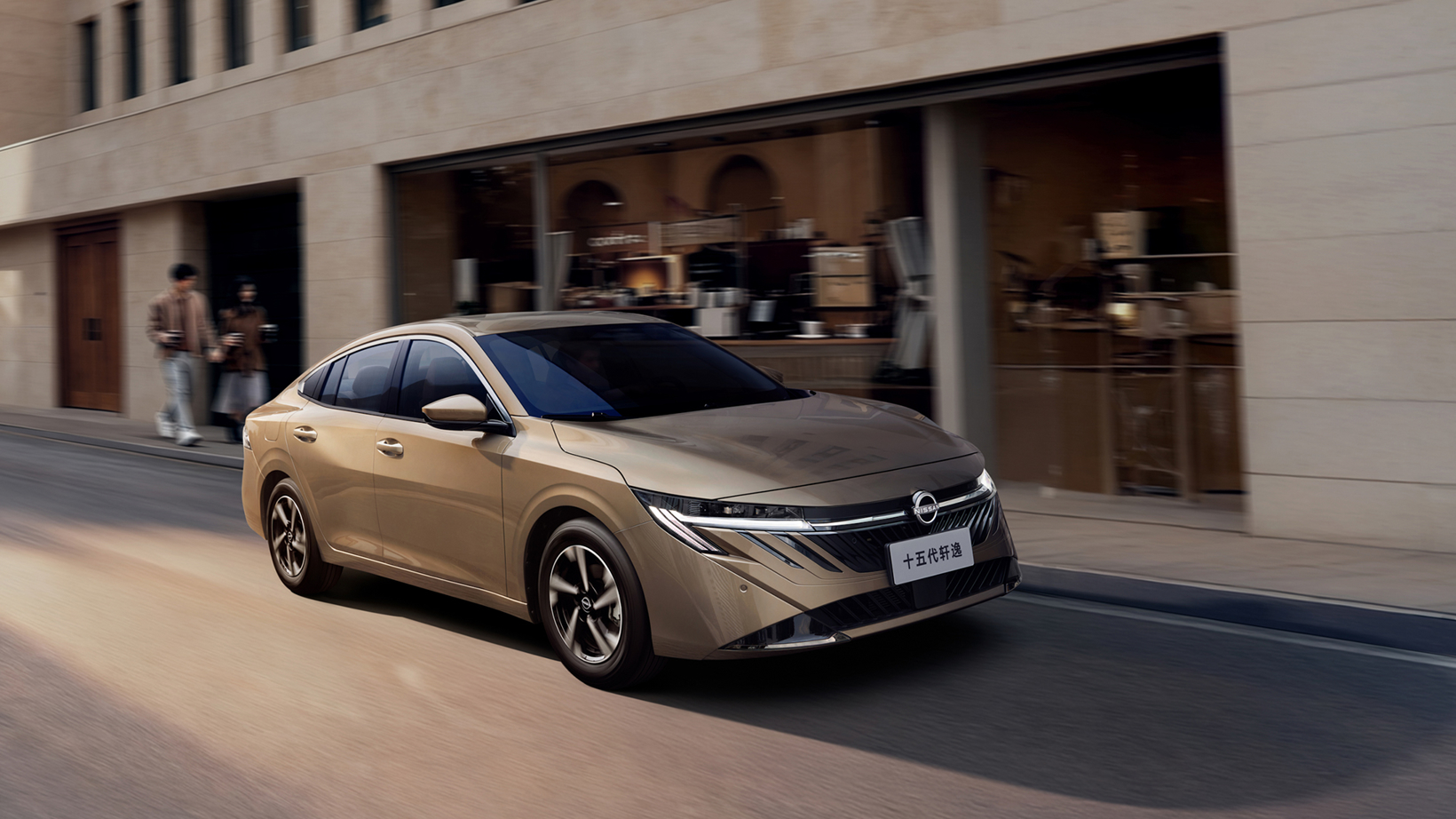
Image Source: Dongfeng Nissan
Furthermore, this intense product launch serves as a "gap-filling" exercise for Dongfeng Nissan's product lineup. A close analysis of the four models reveals clear ambition across different price bands and market segments.
The launch of the new Altima HarmonyOS Cockpit aims to stabilize the brand's foundation in the mid-to-high-end sedan market. By leveraging the powerful "HarmonyOS" IP, it hopes to attract owners of traditional internal combustion engine vehicles looking to upgrade their smart cockpit experience.
The arrival of the 15th-generation Sylphy is designed to cement Dongfeng Nissan's footing in the compact family sedan market. The Sylphy series has long been the company's sales pillar. While this generational change preserves traditional strengths like comfort and spaciousness, it highlights intelligent upgrades as a key selling point—intended to fend off the encroachment of domestic A-class NEVs on the traditional fuel sedan market. Notably, the simultaneous price cuts on the updated 14th-generation Sylphy and the Sylphy Classic create seamless coverage from 65,900 yuan to 109,900 yuan, building a solid price firewall. After all, the importance of the Sylphy lineup to Dongfeng Nissan's production and sales volume goes without saying.
The introduction of the N7 Youth Edition and N6 Pro+ Edition demonstrates Dongfeng Nissan's determination to fight back in the mainstream NEV market. The N7 Youth Edition covers the 110,000 to 140,000 yuan range, emphasizing space and intelligence. The N6 Pro+ Edition, backed by the core selling point of CATL batteries, targets the 90,000 to 120,000 yuan range, attempting to carve out a share in the entry-level NEV segment.
This three-dimensional strategy—using internal combustion engine vehicles to defend the base, NEVs to expand volume, and intelligent features to boost premiums—gives Dongfeng Nissan a chance to score wins across multiple fronts in the 100,000 to 200,000 yuan range, the most crowded and fiercely contested core zone of the price war.
Of course, refreshing multiple core models at once also serves to boost morale within the sales channels and restore confidence among dealers.
In an era of cut-throat industry competition, the stability of the dealer network is a matter of life and death for manufacturers. Frequent price fluctuations and sluggish product updates can trap dealers in a dilemma of having nothing to sell or losing money on every sale. By swiftly rolling out four new models after the Spring Festival—each with clear selling points and competitive pricing—Dongfeng Nissan has undoubtedly injected a shot of adrenaline into its dealer network. At the very least, it ensures showrooms won't lack "ammunition" for the entire sales quarter. Sales staff now have a fresh story to tell customers, which holds significant value for maintaining channel vitality and accelerating inventory turnover.
What Are the Prospects for These New Products?
Will launching four new models at once lead to internal cannibalization? That is certainly a question on everyone's mind. In the current competitive landscape—and for a Nissan brand that is no longer as dominant as it once was—it is difficult to draw a direct conclusion. The answer depends on whether each product possesses a sufficiently clear and differentiated core selling point.
Judging by official information, Dongfeng Nissan has clearly made arrangements in this regard. Assessing the prospects of these new products requires examining the competitive dynamics of their respective segments.
The outlook for the Altima HarmonyOS Cockpit S380 Master Edition hinges on the value of the "HarmonyOS" label. In the traditional joint venture B-class sedan market, consumer decision-making logic is shifting. In the past, buyers prioritized brand, space, and mechanical build; today, the fluidity of the smart cockpit and the richness of the ecosystem have become critical differentiators.
Equipping the Altima with a HarmonyOS cockpit is a bold move to "borrow momentum." If this system can truly achieve seamless integration with the Huawei HarmonyOS ecosystem—delivering a smart experience on par with new automakers—it will become an ideal choice for middle-class consumers who do not want a pure electric or plug-in hybrid vehicle but still crave cutting-edge technology. Launching the S380 Master Edition on this foundation is a logical next step.
As the top trim of the Altima HarmonyOS Cockpit series, the S380 Master Edition offers a tempting limited-time price of 161,900 yuan. The emphasis on "380" suggests its power performance will serve as the new "face" of the series, likely attracting a segment of users with higher demands for driving dynamics. The challenge ahead lies in convincing consumers that this is a Nissan with "top-tier intelligence," rather than just an older model with a tablet slapped on.
The outlook for the 15th-generation Sylphy is the clearest, yet also the most perilous. The A-class family sedan market where Sylphy competes is a fiercely competitive battleground. On one side, domestic plug-in hybrid models like the BYD Qin PLUS are steadily eroding the share of traditional fuel vehicles, leveraging green license plates, low fuel consumption, and price advantages. On the other side, old rivals like the Volkswagen Lavida and Toyota Corolla are offering deep discounts at the terminal.
The market strategy for the 15th-generation Sylphy is explicit: emphasize "intelligent upgrades" plus "value for money." Pricing the "Tech Edition" at 94,900 yuan means consumers can get a joint-venture family sedan with mainstream smart features, spacious interiors, and a stable reputation for under 100,000 yuan. This remains highly attractive to users in third- and fourth-tier cities who are still skeptical of NEVs or lack convenient charging, as well as to the ride-hailing market. Meanwhile, retaining the 14th-generation Sylphy and the Sylphy Classic with significant price cuts aims to cover a broader range of budget-conscious buyers. Although this "three-generation" sales strategy may dilute the brand image to some extent, preserving market share is the top priority in the current environment. Ultimately, the new Sylphy's success depends on whether Dongfeng Nissan can maintain its reputation for reliability and comfort while offering such low prices.
The prospects for the N7 Youth Edition and N6 Pro+ Edition are more nuanced. As NEV sedans launched by a joint venture, they are entering a crowded track in China's NEV market characterized by fierce competition and rapid product iteration. While youthful positioning and attractive pricing are strengths, it must be said that against competitors who have already established scale advantages and user reputation, whether Dongfeng Nissan's brand power retains sufficient appeal in the electrification sector remains to be tested by time.
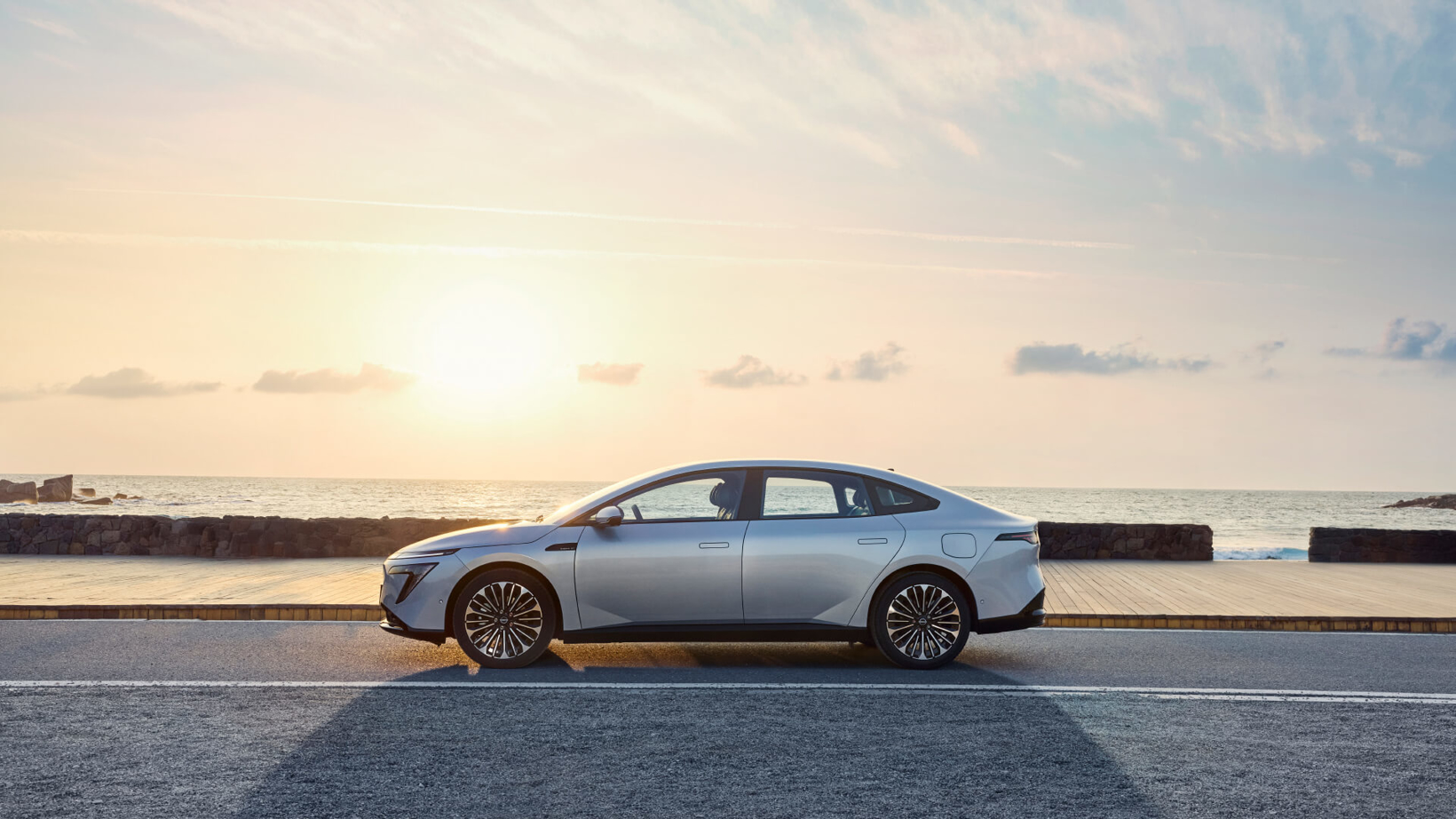
Image Source: Dongfeng Nissan
Taken as a whole, the prospects for these four new models are not isolated; they are mutually supportive. The Altima establishes an intelligent benchmark, the Sylphy consolidates the sales base, and the N7 and N6 attempt to break through in the NEV sector. As long as these new products perform as expected, Dongfeng Nissan can still secure a valuable breathing room in the brutal competition of 2026.
The "D-Day Landing" for Joint Venture Brands
Viewed through a wider lens, Dongfeng Nissan's intensive wave of new product launches can be seen as another symbolic "D-Day landing" initiated by mainstream joint venture brands in the Chinese market.
In recent years, joint venture brands have appeared sluggish amidst the waves of electrification and intelligence, watching their market share eroded continuously by domestic brands and new entrants. Public discourse has been rife with speculation about when various joint venture brands will exit China. This time, however, Dongfeng Nissan is using concrete action to prove that joint venture giants will not retreat easily. Instead, they are regathering strength, preparing to launch a desperate counter-offensive deep within the market.
This move will profoundly influence the competitive landscape of the auto market in 2026 and for years to come.
First, it will accelerate the "second bottoming out" of the automotive pricing system. With the Altima line dipping into the 130,000 yuan range, the generational Sylphy dropping below 100,000 yuan, and the N7 Youth Edition storming into the 110,000 yuan class, pressure on competitors in the same segments is undeniable. Domestic brands will be forced to consider how to respond to joint venture strategies of "cutting prices to keep share" in the fuel sector and "aggressive encroachment" in the NEV sector. This could lead to a further escalation of the price war, compelling more players to offer more sincere pricing and products, potentially further compressing industry profit margins.
Second, it redefines the connotation of "joint venture value." In the past, the value of joint venture brands was primarily defined by brand halo and mechanical quality. Now, Dongfeng Nissan is attempting to reshape this into a composite of "reliable quality + intelligent experience + affordable pricing." Whether it is the Altima featuring a HarmonyOS cockpit or the Sylphy emphasizing "intelligent upgrades," it signals that joint venture brands are beginning to face their intelligence shortcomings and rapidly bridge the gap. By partnering with local tech giants like Huawei—or increasing their own R&D efforts—they are trying to level the experience difference with domestic NEV brands. Once this perception takes root among consumers, joint venture brands—backed by their massive ownership base, comprehensive dealer networks, and deep automotive heritage—may regain a new competitive edge.
Furthermore, it signals that the market focus is shifting from a dispute over single powertrain forms to a comprehensive comparison of full-scenario mobility experiences.
The new models released by Dongfeng Nissan include both internal combustion vehicles like the Altima and Sylphy, and NEVs like the N7 and N6, demonstrating a "dual-track" market strategy. This suggests that for a long time to come, the Chinese market will continue to feature a diversified powertrain landscape. Consumer choices will be based on a comprehensive consideration of their own usage scenarios (availability of charging piles, frequency of long-distance travel) and experience preferences (level of intelligence, driving quality).
Dongfeng Nissan is attempting to catch up with the trend of diverse market choices by enriching its product line, aiming to ensure that consumers can find a suitable product in its showrooms regardless of their preferred powertrain. The more immediate challenge ahead is whether Dongfeng Nissan can use this opportunity to complete the digital transformation and skill upgrade of its service system, and whether it can convert new car sales into user satisfaction and brand loyalty. These are key battles for the future. If after-sales service can keep pace with the rhythm of product updates, the impact of Dongfeng Nissan's combination punch will be further amplified. Conversely, if service lags, it could become a new liability for the brand's reputation.
Summary:
Dongfeng Nissan's massive wave of new product launches in the spring of 2026 is by no means a whim; it is undoubtedly a decisive battle born of deep deliberation. Its core logic lies in reconstructing user perception through aggressive pricing strategies, covering broader market demands through differentiated product layouts, and reshaping brand image through the rapid introduction of intelligent technology.
This is not merely a defensive battle for its own sales and market share, but a breakout effort exploring a path to transformation for the entire joint venture camp.
The prospects of these new vehicles depend on the market's acceptance of this "value combination," while the competitive landscape is set to become increasingly complex. For consumers, however, this means that for the same budget, they can expect to purchase products with ever-increasing value.
Dongfeng Nissan has revealed its hand. The next play will depend on the competitors' responses and the market's verdict. In this war with no retreat, only those players who truly understand their users, respect the market, and dare to revolutionize themselves will ultimately remain at the table.


