



Gasgoo Munich- The Chinese auto market in 2026 is already heating up, fueled by a fierce wave of price cuts even as the afterglow of the Lunar New Year lingers.
Unlike the routine promotions of "Golden September, Silver October" or the year-end sales sprint, the architects of this shift are not the domestic brands known for cutthroat competition. Instead, it is the joint venture "giants"—once seen as steady-footed amid the electrification surge. Since the start of the year, not only have traditional luxury brands led the charge in overhauling pricing structures, but former mainstays like Toyota, Honda, and Volkswagen have all unsheathed their price-cutting blades.
Barely two months into 2026, a price shakeout led by top-tier joint ventures has rapidly become the focal point of the industry.
Behind this seemingly passive adjustment lies more than just survival anxiety among joint ventures facing a radically altered market landscape. It reflects a deep, intricate game of chess involving pricing power, brand value, and genuine end-user demand.
Joint Ventures: From Price Benchmarks to Discount Pioneers
For years, joint venture brands—particularly German and Japanese automakers—served as the "anchor" of China's pricing structure. Their official sticker prices held firm, and while dealer discounts fluctuated, large-scale, aggressive official markdowns were rare.
Yet, recent years have seen mainstream domestic brands rise rapidly on the winds of electrification and intelligence. The dominance joint ventures once enjoyed at home has vanished.
BMW China kicked off the year early, overhauling prices for more than 30 models on its website in one go, with some seeing cuts of over 300,000 yuan. That figure carries significant impact: it signals a massive compression of luxury premiums and delivers a clear message that even German luxury brands—boasting the deepest defensive moats—must bow to reality. Mercedes-Benz followed closely; while its adjustments were relatively modest at around 10%, the blade fell on its volume pillars: the C-Class, GLC, and GLB. Audi was equally direct. The all-new Q5L saw its starting price slashed by tens of thousands compared to the previous model, forcibly dragging the entry threshold for mainstream luxury mid-size SUVs down to just over 300,000 yuan (309,800 yuan).
If the luxury brands' price adjustments carried a tentative "trading volume for price" tone, the recent maneuvers by Japanese joint venture heavyweights amount to a radical overhaul.
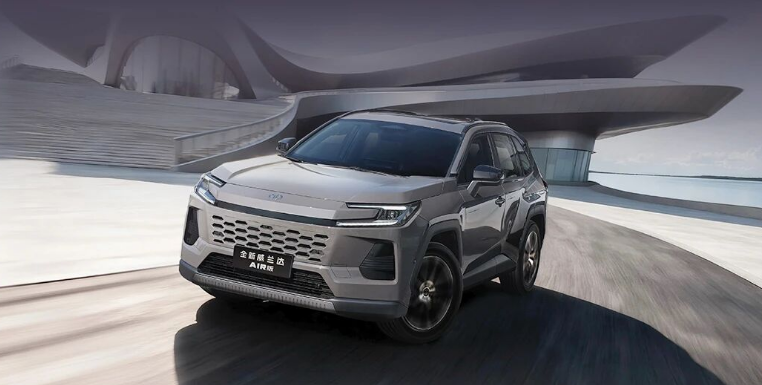
On the eighth day of the lunar calendar—traditionally an auspicious start to the work year—GAC Toyota launched the Wildlander AIR. With an effective starting price of 137,800 yuan, it undercuts competitors and shatters the industry norm where base models are stripped-down. It standardizes features once reserved for mid- to high-trim levels: power driver's seat, power mirrors, and 50W wireless charging. Coupled with direct-to-consumer maintenance and a promise of unified national pricing, the strategy is clear: secure an early lead in the year-end sales push and reshape consumer perception of the brand's value.
Dongfeng Nissan's offensive is equally sharp, deploying a "four-car rollout" to storm the market. From the Sylphy Classic at a limited-time price of 65,900 yuan to the Teana S380 Master—featuring a HarmonyOS cockpit—priced at 161,900 yuan, its lineup spans a vast range from entry sedans to mid-size flagships. The Sylphy, priced just over 60,000 yuan, plunges directly into the heartland of domestic A0-segment sedans. Meanwhile, the Teana, equipped with a Huawei smart cockpit, sends a message to the market: joint-venture B-segment sedans can maintain mechanical superiority while finally closing the gap in intelligent experience.
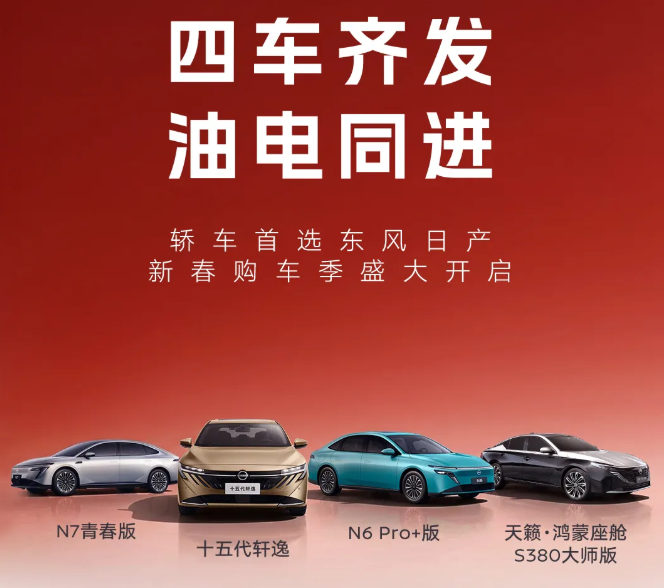
Image Source: Dongfeng Nissan
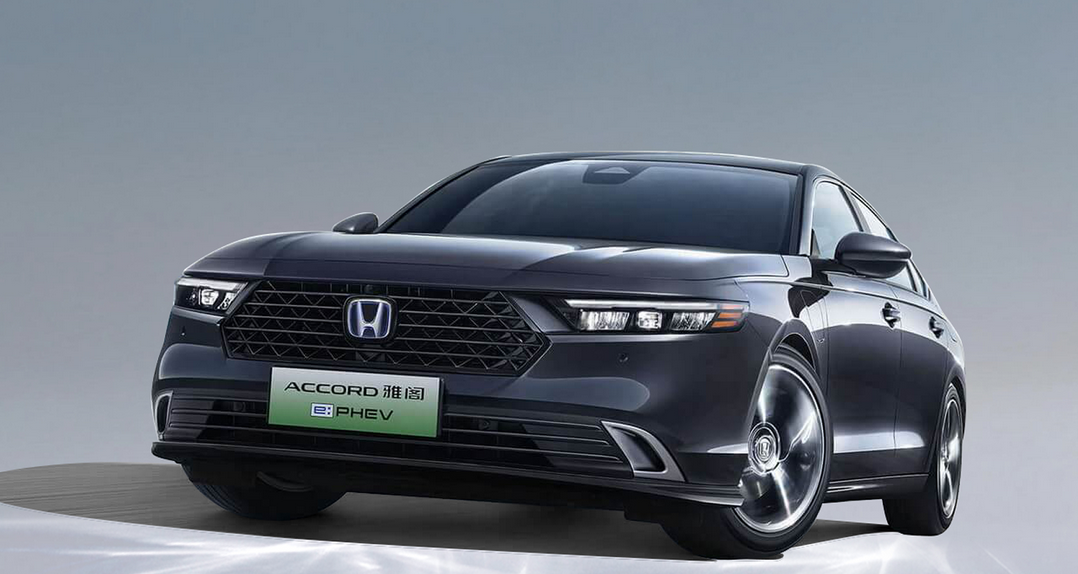
GAC Honda played the nostalgia card to celebrate the Accord's 50th anniversary. It offered returning customers the Accord e:PHEV for just 138,800 yuan—a straight 100,000-yuan cut from the official guide price. A GAC Honda executive told Gasgoo Auto that this initiative is a reward for loyal customers, limited to just 1,000 units.
Accord e:PHEV, Image Source: GAC Honda
Yet, behind the clamor of price cuts, the reality may be more complex than it appears. As Cui Dongshu, secretary-general of the CPCA, points out, some brands are adjusting only the official guide price, not the actual retail price. In real-world terms, the final price tag may not fluctuate wildly. This implies that many automakers are simply converting long-standing "hidden" dealer discounts into "visible" official price reductions. The core objective is to lower the purchase tax consumers pay based on the official guide price—essentially a financial optimization rather than a genuine "fire sale."
Grasping this nuance is the key to piercing the fog of this price war and discerning its true intent.
The Profit Scale and Laws of Survival
The deep drivers behind this collective price cut by joint ventures cannot be summed up as a simple "discounting because inventory isn't moving." It is a structural transformation born of intertwined pressures, drastic external changes, and internal strategic pivots.
First and foremost is the spiraling cost of upstream materials. From a cost perspective, the increasingly brutal price war lacks long-term sustainability. Predictions from the CPCA indicate that the explosive global development of AI has driven massive electricity demand for data centers, triggering a surge in energy storage investment and sending prices for non-ferrous metals like copper soaring. Copper is a core raw material in auto manufacturing, used widely in wiring harnesses and electric motors; its price spike has directly pushed up per-vehicle production costs. At the same time, the explosive growth of new-energy vehicle sales sent prices for core battery resources like lithium carbonate on a roller-coaster ride over the past two years. Even with recent declines, the overall price level remains significantly higher than a few years ago.
As upstream price battles intensify, mid-stream automakers are under immense cost pressure, with profitability taking a hit. Data from the Gasgoo Automotive Research Institute shows that in the first 11 months of 2025, the auto industry's overall profit margin stood at just 4.4%. It will likely continue to slide, potentially falling below 3% within the next three to five years.
Against this backdrop, relying solely on price cuts offers diminishing returns and severely damages brand value and long-term corporate vitality.
For traditional joint ventures, already burdened by heavy R&D and platform costs during their electrification transition, rising raw material prices add insult to injury. Rigid cost increases force a reaction at the sales level: either raise prices to pass the pressure to consumers or absorb costs through internal efficiency and economies of scale. In today's fiercely competitive market, raising prices is nearly impossible. Consequently, cutting prices to stimulate sales and amortize costs has become the pragmatic choice.
A deeper cause lies in the complete upheaval of the market landscape.
Leveraging a first-mover advantage in electrification and intelligence, Chinese brands have achieved a dual surpassing of joint ventures in both technology and experience. Disruptive forces represented by mainstream domestic players like BYD, Geely, and Chery, along with numerous startups, are steadily eroding the price bands long held by joint ventures through strategies of "price parity between ICE and EV" or even "EVs cheaper than ICE."
In the A-class sedan segment, many domestic brands have already pulled the price of new-energy sedans below 100,000 yuan, striking directly at the foundation of models like the Sylphy, Lavida, and Corolla. In the B-class sedan segment, models like the BYD Han, ZEEKR 007, and XPENG P7—boasting superior performance, intelligence, and design—have poached potential customers once loyal to the Camry, Accord, Teana, and even the Audi A4L and BMW 3 Series. In the SUV arena, brands like Li Auto and AITO have firmly established themselves above the 300,000-yuan mark with precise family positioning and leading ADAS and smart cockpit experiences, forcing the Audi Q5L and Mercedes-Benz GLC to rethink their pricing strategies.
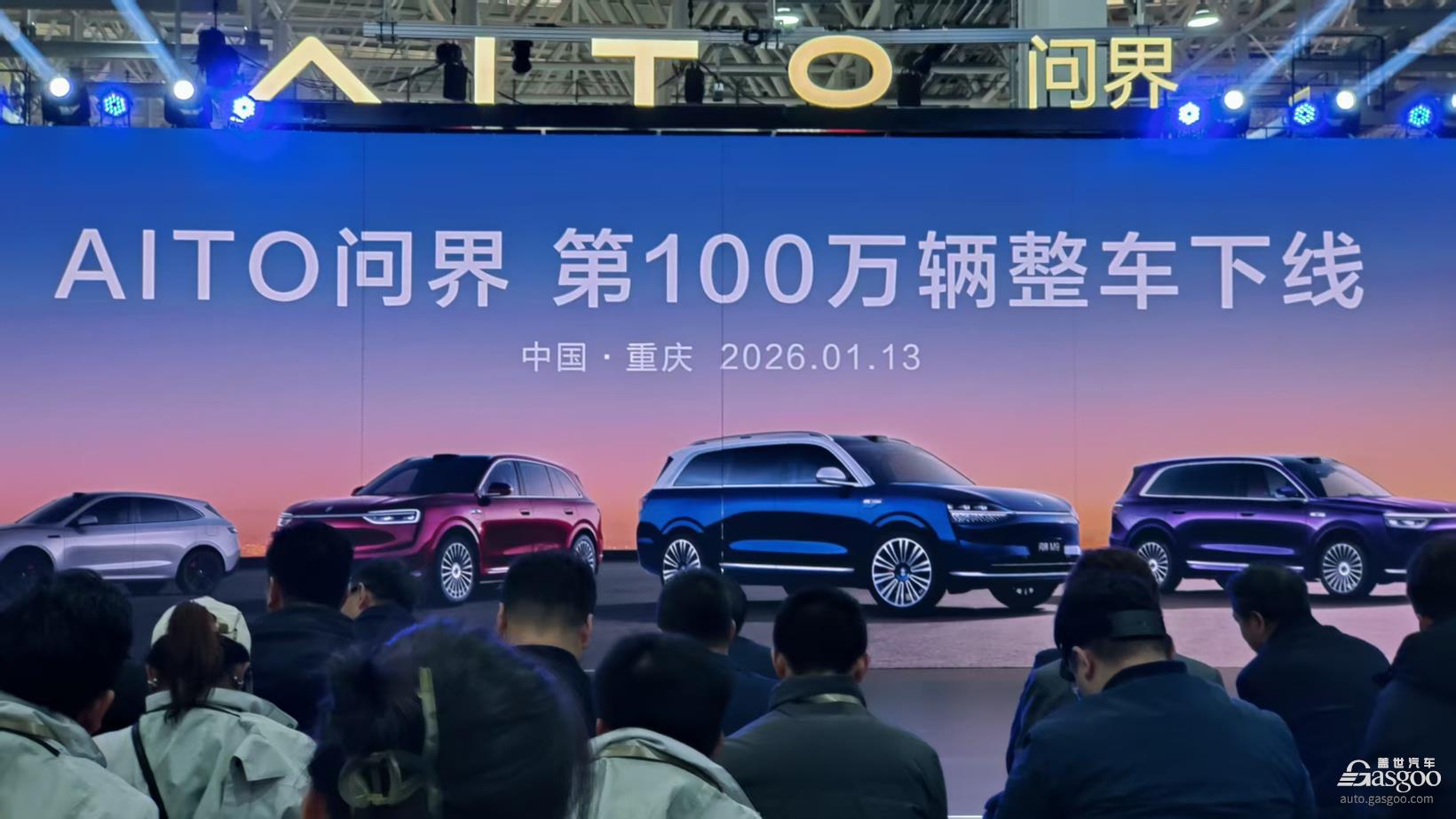
Image Source: Gasgoo Auto
Facing a pincer movement from domestic brands on both product capability and price, the brand premium joint ventures once relied on is eroding fast. When consumers realize they can get a Chinese brand car that is faster, smarter, and more stylish for the same money—or less—the traditional reputation of joint ventures for being "durable" and "resale-friendly" is no longer enough to hold their pricing structures together.
Therefore, this round of price cuts is essentially a forced correction by joint ventures regarding market pricing power. They are compelled to strip away previously inflated premiums and bring prices back to a range that matches actual product strength. The price cuts by BMW and Mercedes-Benz do not mean the brands have become "cheap"; rather, they signal a realization that in a market full of fierce competitors, the era of commanding high prices based solely on a "blue-and-white propeller" or "three-pointed star" badge is over.
Additionally, inventory pressure and sales targets are significant driving factors.
For many joint ventures, 2025 was a year of heavy sales pressure. Facing the even more uncertain market environment of 2026, entering the fray with a light load is crucial. The pre-Lunar New Year period is traditionally a slow season. To jump-start the market immediately after the holiday and seize the initiative, official price cuts or the launch of low-priced new models can effectively attract the first wave of post-holiday buyers, boost dealer confidence, and alleviate inventory pressure.
Take Dongfeng Nissan: right after the New Year, it rolled out four new models in one breath—from the new Sylphy to the Teana, and from the N7 Youth Edition to the N6 Pro+. This formed a comprehensive product matrix offensive. The objective is unmistakable: before the market fully warms up, cover as many segments as possible in the shortest time with the densest firepower to win a decisive "opening battle." This proactive stance holds far more strategic weight than passively following price cuts.
Are Consumers Really Getting a Bargain?
For consumers waiting on the sidelines, the deluge of discount news is undoubtedly a shot of adrenaline. Yet, in this wave of joint venture price cuts, whether consumers ultimately benefit—and by how much—is a complex question requiring calm scrutiny. Secretary-General Cui Dongshu hits the nail on the head: some adjustments merely bring inflated pricing back to reasonable levels without substantially affecting the final retail price. This means that for many models, the so-called "price cut" is little more than a numbers game.
Consider some luxury brands: many popular models already enjoyed tens of thousands of yuan in dealer discounts before this round of official cuts. While the reduction in the official guide price looks staggering, it will likely be accompanied by dealers retracting previous terminal discounts.
The final amount consumers actually pay may differ little from before.
Yet, this is not without meaning. The biggest benefit lies in the purchase tax. Since the purchase tax calculation is typically based on the official guide price, lowering that guide price directly reduces the tax burden for consumers. From this perspective, automakers are indeed offering a tangible benefit. Although this saving isn't reflected in the sticker price, for luxury vehicles costing hundreds of thousands of yuan, the tax savings represent a significant amount of "real money." Thus, the first layer of "benefit" in this round of cuts is the reduction of hidden costs, making the pricing system more transparent.
The second layer of benefit is reflected in the redefinition of product value. The launch of the GAC Toyota Wildlander AIR is a representative case. It pushed numerous comfort features down to the entry-level trim and backed it with unified national direct-to-consumer maintenance. This means that for a lower price, consumers not only get a better-equipped car but also a more transparent and worry-free after-sales experience.
Wildlander AIR Edition, Image Source: GAC Toyota
This combination of "more features for less money" is a far more popular value concession. It breaks the unspoken rule of the past where "base models are just for show and never actually produced," allowing budget-conscious consumers to enjoy a dignified ownership experience. Similarly, Dongfeng Nissan equipping the Teana with a HarmonyOS cockpit and bringing it to market at a competitive price serves as a remedial lesson in intelligent experience. In the past, the intelligence of joint-venture B-segment sedans was often criticized. Today, by introducing the ecosystem capabilities of leading tech firms and amplifying this advantage through pricing, consumers can enjoy a smart cockpit experience comparable to that of startup EVs at a reasonable cost.
However, the flip side is that not all consumers can remain composed in this price melee.
For existing owners, steep official price cuts are a heavy blow to brand loyalty and resale values. A new car purchased only recently suddenly seeing its official price drop by tens of thousands—and its used-car valuation falling accordingly—creates a feeling of being "backstabbed" that severely impacts trust in the brand and the willingness to buy again. This is why many automakers must carefully plan and implement price adjustments in stages, often accompanied by appeasement policies for existing owners.
Even more alarming is the risk that a sustained price war could trigger consumer "wait-and-see" behavior. When price cuts become the norm, consumers expect that "it will be cheaper tomorrow" and delay their purchasing decisions. Industry experts told Gasgoo Auto that weak price elasticity makes consumers cautious, potentially suppressing the normal release of demand in the short term. This runs directly counter to the automakers' original intention of stimulating sales through discounts.
In the long run, over-reliance on price tactics damages brand image and erodes corporate profitability, which in turn affects investment in new products and technologies, ultimately creating a vicious cycle. Only when the price war evolves from a simple "race to the bottom" to a "race for value"—enhancing consumer satisfaction through product upgrades and service optimization—can a true win-win scenario be achieved for both the industry and consumers.
Summary:
Looking back from the early spring of 2026, this opening round of price cuts by joint ventures is far from an isolated promotional event. It is a microcosm of the profound reshaping of power structures in the Chinese auto market—a painful pivot and difficult exploration by traditional automotive giants amidst the waves of a new era. Luxury brands are actively squeezing out price inflation, while mainstream joint ventures are striving to close the intelligence gap and reshape value benchmarks. All of this points in one direction: in China, the world's most dynamic auto market, no one can rest on their laurels.
The price-cutting blade has fallen, but what it has severed is largely the froth of inflated prices and outdated rules. The deep-seated ailments—how to reposition the brand, how to continuously innovate products, and how to exceed user expectations—still require joint ventures to summon greater courage and wisdom to address.
For consumers, this is undoubtedly a golden age. Unprecedented variety and intensifying competition are making "buying a good car at a reasonable price" increasingly attainable. For the auto industry as a whole, when the clamor of price cuts eventually fades, only those enterprises that truly respect the market, revere the user, and continuously create value will be able to pierce the fog of the cycle and steer toward a broader future.
The ultimate endgame of the price war will certainly not be about who offers the lowest price, but who delivers the highest value.


