



Gasgoo Munich- By the end of 2025, China's NEV fleet reached 43.97 million units. Pure electrics accounted for nearly 70%. The convenience of direct drives has given way to planned charging. The Spring Festival rush has become a "stress test" for NEV owners. Automakers' responses are shaping the next phase of the charging infrastructure war.
Highway Charging: Is It Any Easier This Year?
According to the State Grid Smart Vehicle Networking Platform, daily charging volume is projected to peak above 34 million kWh during the holiday. This represents a 17% year-on-year increase. Highway charging volume alone is expected to hit a daily peak exceeding 11 million kWh, surging more than 23% from last year.
The platform anticipates charging demand will peak on February 14–15 and again on February 21–23. Highway charging volumes in Jiangsu, Zhejiang, and Anhui provinces are set to reach record highs. The Changshen, Shenhai, and Hukun expressways will see the most congested charging piles.
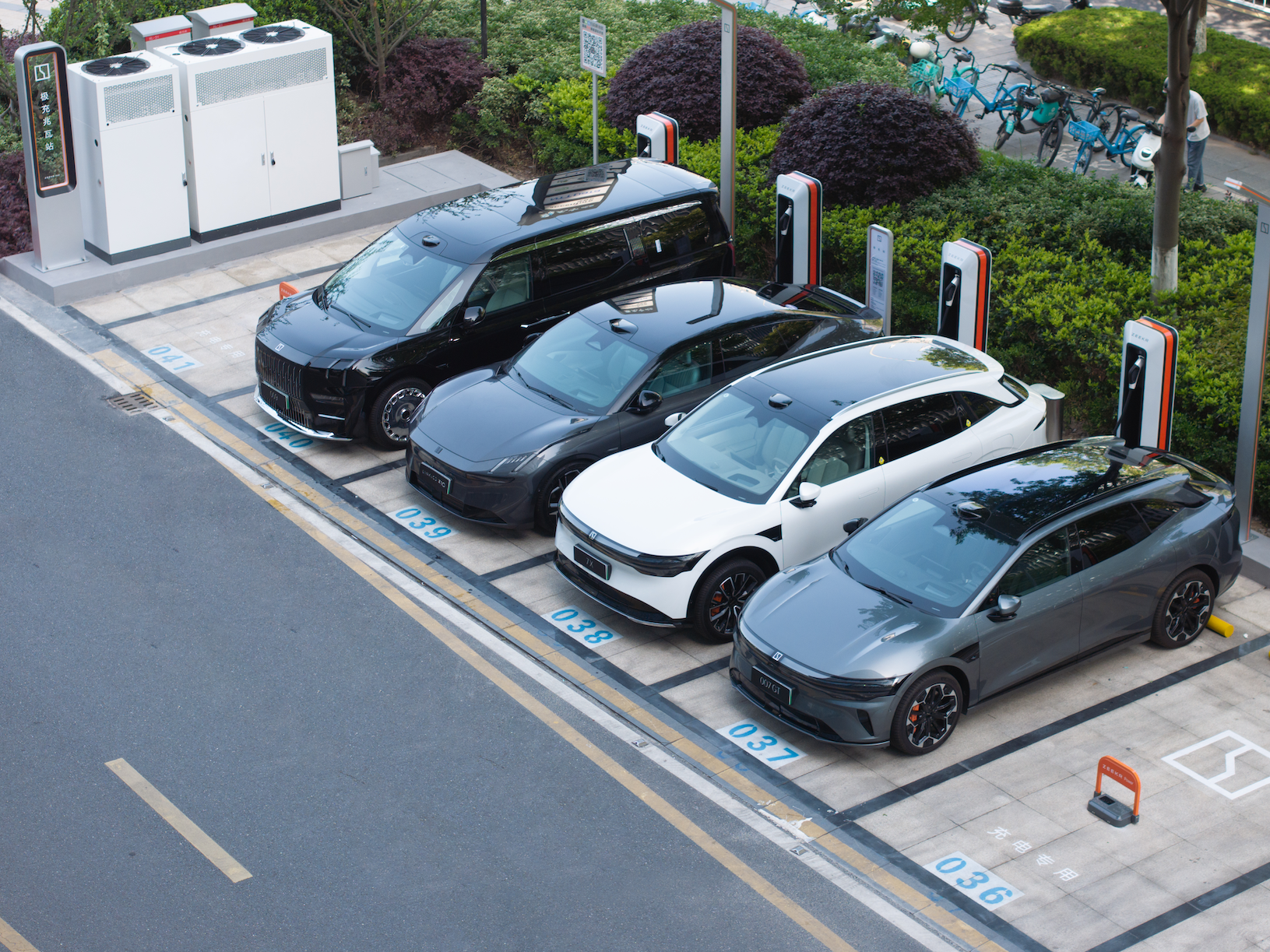
Image Source: ZEEKR
A representative from State Grid Smart Vehicle Networking stated that 5,567 key support stations have been pre-screened. Emergency charging equipment has been deployed in advance. Between February 12 and 23, the State Grid will issue over 1 million coupons via its "eCharge" app. This encourages drivers to use urban charging stations near highway exits to alleviate pressure on service areas.
At a regular press conference in January, the Ministry of Transport announced plans to add more than 10,000 charging guns at highway service areas in 2026. Over a quarter of these will be high-power units. The goal is to make charging more convenient for NEV owners.
As policy accelerates the grid expansion, automakers have also shifted their highway charging strategies. They have moved from an "optional" task to a "mandatory" one. Each company is carving out its own path.
NIO, for instance, is championing battery swapping as the solution to "saying goodbye to highway charging queues." The company recently celebrated its 100 millionth battery swap. This milestone signals the model has won large-scale validation from users and the market.
NIO has deployed a network of 8,643 power and swap stations nationwide. This includes 3,733 swap stations, with 1,020 located along highways. The network spans from Heilongjiang to Xinjiang and Hainan. Its "9 vertical, 11 horizontal" highway network covers 16 major urban clusters, aiming for full coverage of the core road network.
Li Auto has chosen the path of building a massive proprietary supercharging network. The automaker announced its 4,000th station. It boasts the largest self-built network in the industry with 22,173 chargers. Of these, over 1,200 are highway supercharging stations. This completes a "9 vertical, 9 horizontal" highway network.
The Charging War Escalates: Battling on Details, Flexibility, and Ecosystem
Now that the charging networks have reached scale, the next round of competition will be won or lost in the operational details.
The Spring Festival charging battle has evolved beyond simply installing piles. It is now a multi-dimensional contest covering technology, network density, and operational efficiency. It also involves adaptation to scenarios, user experience, and emergency response.
Li Auto's strategy for the travel rush highlights this focus on detail. When sharing stations with other brands, Li Auto owners get priority power allocation. The system supports remote battery pre-heating via the app to optimize low-temperature charging. High-traffic stations will have dedicated staff. OTA updates will push real-time images of stations to ease "charging anxiety." Features like VLA-assisted auto-parking and plug-and-charge functionality aim to reduce the physical burden of charging.
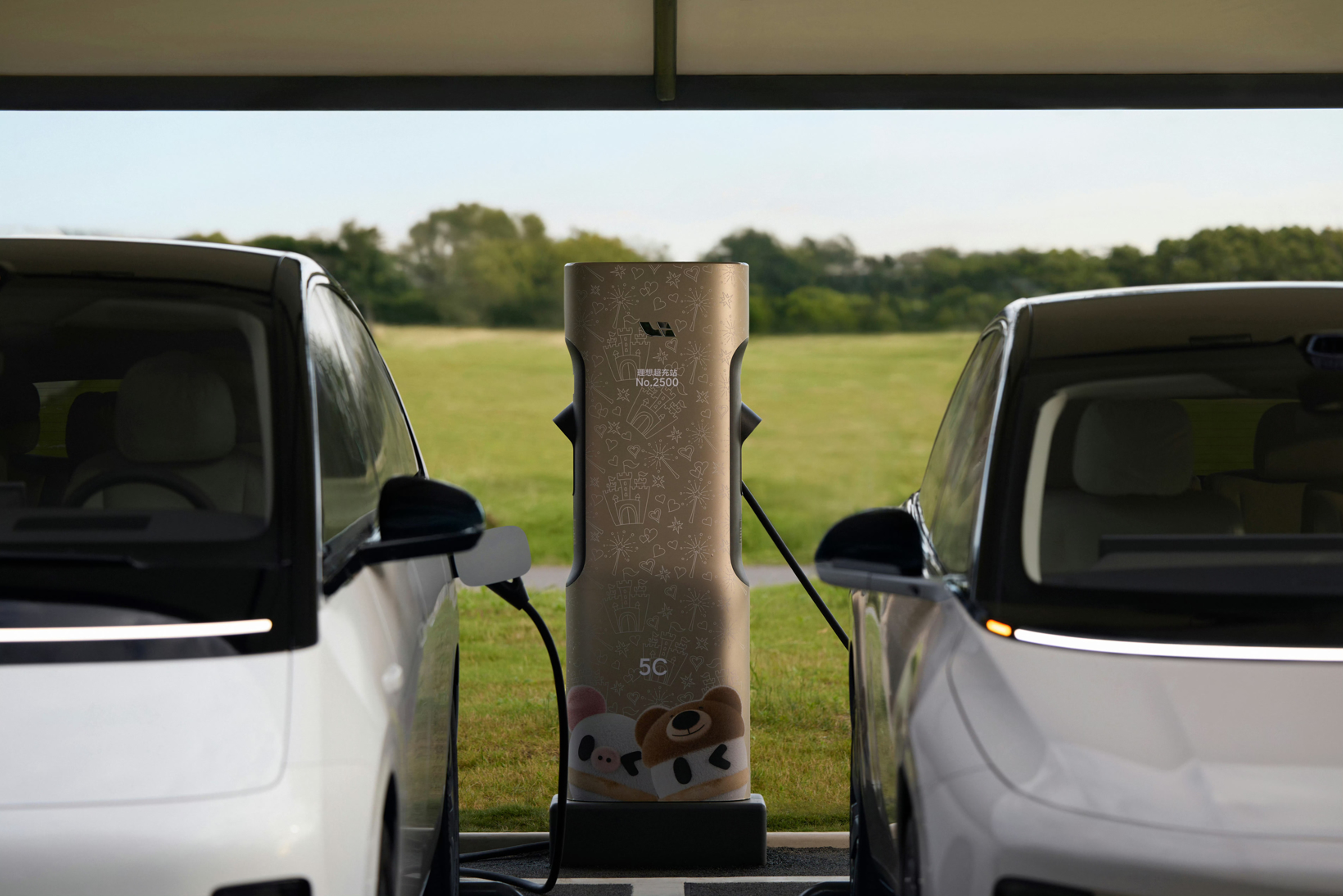
Image Source: Li Auto
XPENG is demonstrating a supplementary approach: a "mobile charging station" program.
The "XPENG X9 Super Range Extender Mobile Charging Station" initiative opened for applications on January 24. Within 48 hours, all 1,000 sets of professional charging equipment were claimed. These 1,000 owners form a "mobile charging station" fleet. They are deployed along major return routes such as the Beijing-Hong Kong-Macau and Shanghai-Kunming expressways. When EV drivers run low on power, they can seek out an XPENG X9 displaying a mobile charging station sign for emergency assistance. Using a 6 kW vehicle-to-load (V2L) function, the system provides vehicle-to-vehicle charging. It adds roughly 50 kilometers of range per hour, enough to help stricken vehicles reach the nearest fixed charging station.
Compared to the battles over electricity, Xiaomi EV is prioritizing its service guarantee system. Its Spring Festival escort plan focuses on roadside rescue and on-site tire replacement. It includes reimbursement for transport and accommodation costs if a vehicle breakdown leaves travelers stranded. This functions like an "insurance-style" commitment to peace of mind. It aims to alleviate anxiety about long-distance reliability.
Behind these differing strategies lies a complex balancing act. Each company is weighing technology, cost, user needs, and strategic positioning.
The Spring Festival rush serves as an annual extreme stress test. It exposes shortcomings but also validates achievements. The trade-offs companies are making are quietly drawing the watershed line for the next phase of the charging competition.


