



Gasgoo Munich- Fierce competition is reshaping the role of multinational giants in China.
Volkswagen Group CEO Oliver Blume recently revealed that the company has begun exporting complete vehicles from China to the Middle East and Southeast Asia. The automaker plans to introduce new models developed and produced in China to markets like Africa and South America. A spokesperson for Volkswagen China confirmed that export operations have been ongoing. However, recent signals suggest the automaker is now looking to significantly expand the scale of its Chinese export business.
This could signal a strategic pivot for Volkswagen in China. The country is set to become more than just its largest single market; it is evolving into a global manufacturing and export hub.
Export Operations on the Rise
Blume noted that technology and products developed in China offer significant advantages in market responsiveness and cost. This allows the company to reach regions that European bases struggled to cover efficiently. Currently, Volkswagen is shipping vehicles to the Middle East and Southeast Asia. It plans to introduce new models developed in China to high-potential markets like Africa and South America.
Volkswagen is gradually shifting its R&D and production focus for models targeting emerging markets to China. This approach leverages local development to lower costs and shorten product cycles. It also relies on China's mature supply chain and manufacturing capabilities to boost the price and delivery competitiveness of its exports. For markets in the Middle East, Southeast Asia, and Africa, these products offer greater practical appeal in terms of configuration, cost, and adaptability.
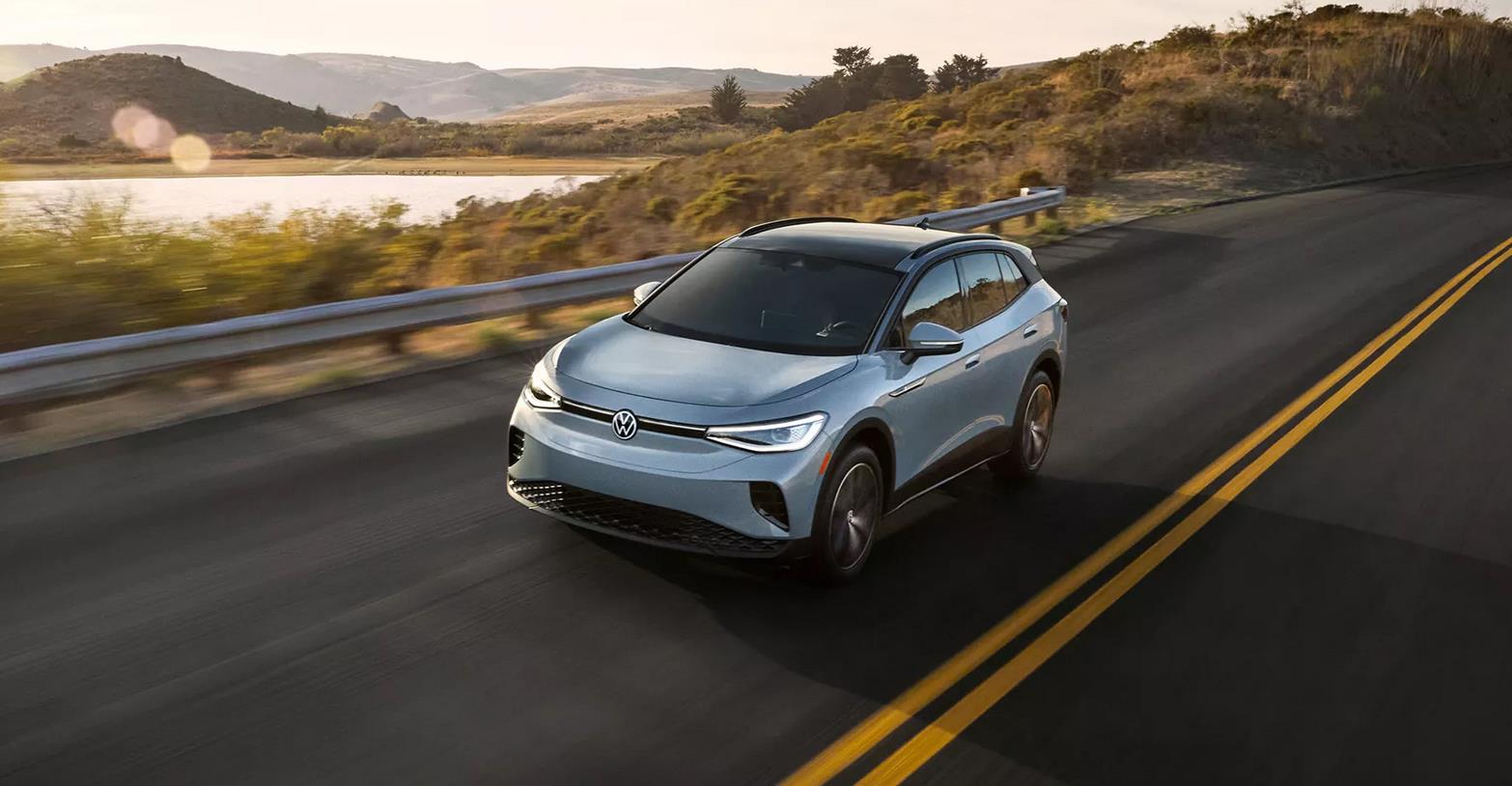
Image Source: Volkswagen
This shift is closely tied to the intense pressure Volkswagen faces in the Chinese market. For years, its production layout in China served the country's massive domestic demand. However, as domestic brands like BYD seize the lead in electrification, Volkswagen is grappling with a severe sales decline. Its deliveries in China have plummeted from over 4 million units before the pandemic to approximately 2.7 million last year.
Against this backdrop, absorbing excess capacity and spreading fixed costs through exports has become a pragmatic path. Rather than simply scaling down, expanding exports allows the company to maintain a stable manufacturing system. It also creates a new revenue stream for its Chinese operations.
Overall sales volume in China is unlikely to return to its peak in the short term. However, Volkswagen has set a clear target: to lift its market share in China from around 11% currently to 15% by 2030. Its burgeoning export business will provide the core momentum to achieve this.
"Made-in-China" Vehicles, Sold Globally
Volkswagen is not alone in selling Chinese-made vehicles to the world. In fact, an increasing number of multinational automakers are integrating China into their global export networks. Companies like GM, BMW, Kia, Beijing Hyundai, and Ford have all rolled out similar strategies in recent years.
Take Ford China as an example. Under the leadership of President Wu Shengbo, the company reshaped its brand positioning. It focused on high-margin models and optimized its production layout. As a result, Ford China not only returned to profitability in 2023. It also achieved a net profit of approximately $600 million for the full year of 2024.
Behind these results lies the core driver of growth: exports. In 2023, Ford China's vehicle exports exceeded 100,000 units for the first time. In the first half of 2024, export volume jumped 45% to reach 75,000 units. Ford now views China as a vital global export hub, shipping products to the Middle East, Southeast Asia, the Americas, and beyond.
Ford Global CEO Jim Farley has explicitly stated the need to boost competitiveness in international markets like ASEAN and Australia. To do so, the company must "fully leverage the rapidly growing advantages of Ford China's export business."
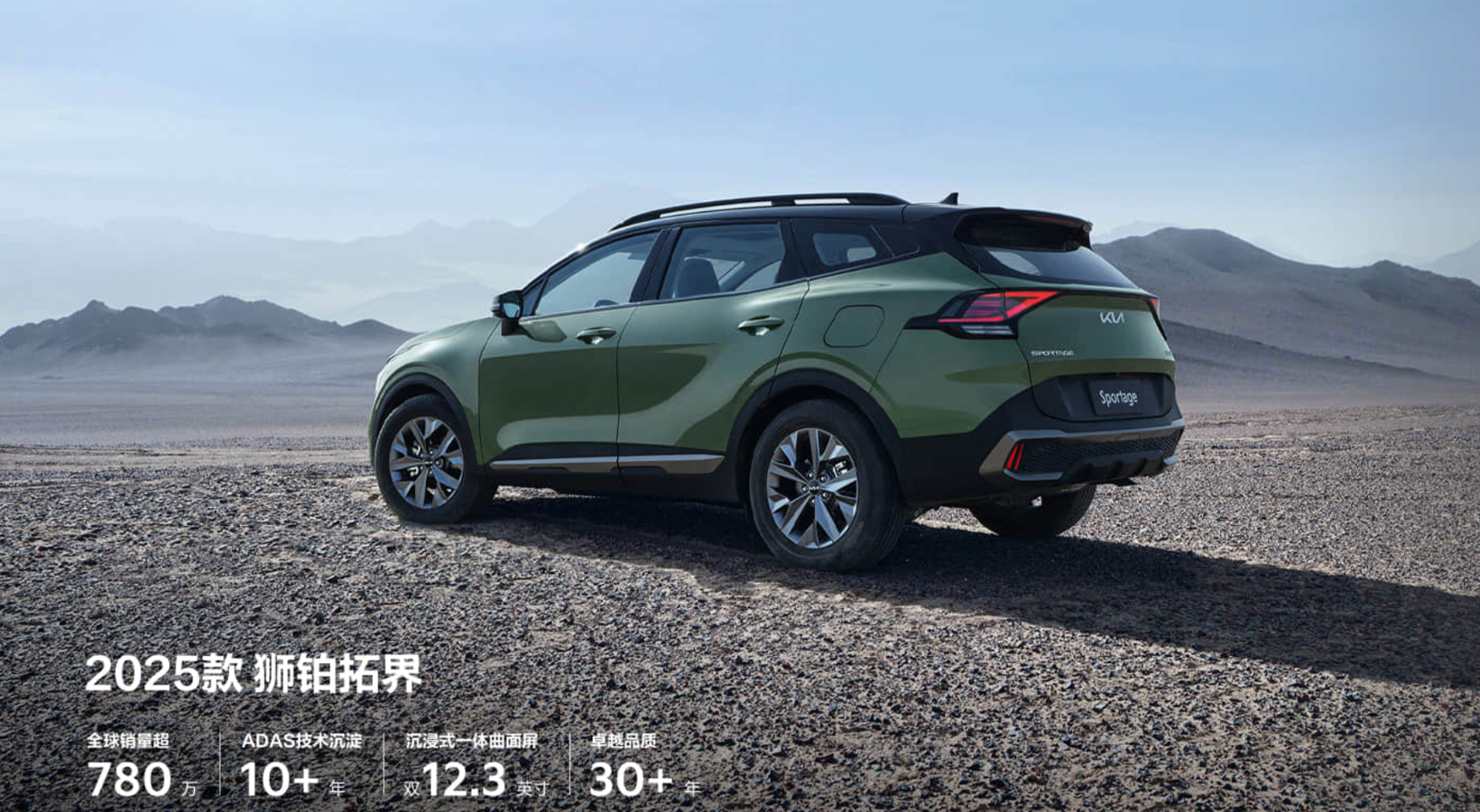
Image Source: Yueda Kia
Yueda Kia has also demonstrated strong operational resilience. In 2025, its cumulative sales reached 254,000 units, a 2.3% increase year-on-year, marking two consecutive years of growth. This success stems from a strategy of balancing domestic and foreign sales. To date, Yueda Kia has built an export lineup featuring models like the EV5 and Sportage. Cumulative exports have reached 530,000 units across 89 countries and regions.
Other brands are accelerating their layouts as well. Through its "In China, for Global" strategy, Beijing Hyundai saw its export business explode by 400% in 2024. Export volume surpassed 50,000 units. BMW and GM are also increasing the global allocation of their Chinese R&D and production capacity. They are leveraging China's supply chain advantages to empower their global products.
Why are multinational automakers turning China into a global export hub?
First, to alleviate pressure on capacity utilization: the capacity utilization rate of foreign brands in China has fallen to around 50%. With domestic competition reaching a fever pitch, exporting to absorb idle capacity has become an inevitable choice to keep factories running and preserve the supply chain ecosystem.
Second, China's automotive supply chain boasts a high degree of integration in electrification and intelligent technologies. Combined with relatively low manufacturing costs, Chinese-made vehicles offer strong value competitiveness overseas. This makes them well-suited for markets along the "Belt and Road," such as Central Asia and Africa.
Third, while mired in the "price war" at home, the higher gross margins of overseas markets have become a lifeline for restoring profitability. The experiences of Ford China and Yueda Kia show that exports have become a new growth curve supporting the long-term survival of foreign automakers in China.
The shift from "China for China" to "China for Global" represents a fundamental re-evaluation of the comprehensive strength of China's automotive industry. The choices made by Volkswagen, Ford, and Kia demonstrate that China has become an indispensable R&D and manufacturing hub in their global strategies.


