



Geely recently put its latest MPV, the Galaxy V900, onto the market, positioning it squarely as an "AI-powered, all-scenario flagship family MPV."
The label is not just marketing rhetoric. The model is designed around two core ideas: broad adaptability across everyday family use cases, and deeper integration of intelligent technologies. In doing so, Geely is clearly looking to offer fresh answers in an already fiercely contested family mobility market. The arrival of the V900 adds yet another strong ripple to China's increasingly crowded MPV segment.
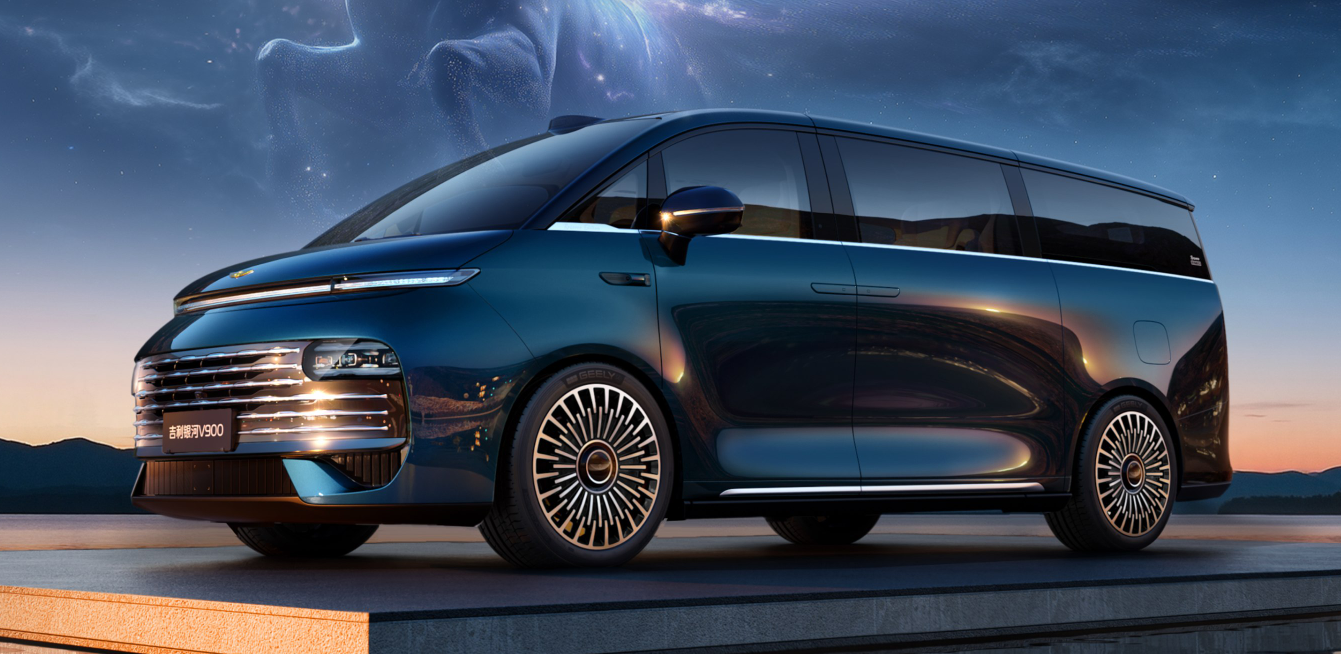
Geely Galaxy V900; image source: Geely Galaxy
Looking at the broader picture, China's MPV market has undergone a profound transformation over the past few years. Overall demand may fluctuate, but the direction of travel is clear: premium positioning and electrification have become irreversible trends. From the DENZA D9 and Zeekr 009 to the XPENG X9 and Li MEGA, each landmark model has helped rewrite the rules of the segment.
Underpinning this shift is a deeper change in family structures, lifestyles, and travel expectations. Cars are no longer seen merely as transport tools; they are evolving into a "third space" that blends leisure, entertainment, and emotional connection. The MPV, once synonymous with corporate shuttles, has been redefined as a shared mobile living space for the entire family.
Against this backdrop, the V900's significance lies less in being a latecomer and more in what it prompts us to reconsider. In an era where electrification and smart features are fast becoming standard, and where family needs vary widely, what kind of MPV do Chinese households truly want? Is it simply about making vehicles larger, or loading them with ever more features? A more meaningful question may be this: as family mobility continues to evolve, where should the next wave of MPV innovation be heading?
A senior automotive media observer surnamed Cai, who spoke on condition of anonymity, noted that despite the apparent momentum surrounding the high-end MPV segment, its actual market size remains relatively limited and its user base is still not fully defined. In his view, family buyers and business users operate on fundamentally different decision logics: households tend to prioritize cabin space, comfort and emotional connection, while business-oriented customers place greater weight on a sense of luxury and privacy.
Against this backdrop, he argued that automakers need to be far more precise when investing in smart features and driving technologies, focusing on clearly defined user needs rather than competing through feature inflation. True innovation, he suggested, may lie in a deeper understanding of—and better integration between—these divergent usage scenarios.
1. Behind the MPV boom: persistent pain points that still frustrate families
The MPV boom is undoubtedly a testament to automakers' commercial success. Yet from a consumer perspective, several long-standing pain points remain unresolved, continuing to shape — and sometimes undermine — the everyday driving experience of family users.
(1) Big dimensions do not automatically translate into real usability
Many MPVs focus on stretching the body size, yet fall short when it comes to efficient space design. The third row is often compromised: cramped for adults when in use, and uneven when folded down. For the typical "4-2-1/2" family structure, which may occasionally include elderly members, what truly matters is a genuinely comfortable three-row layout, not impressive figures on a spec sheet.
Real-world usage, however, is often far more nuanced than product positioning suggests. Liu Bing (a pseudonym), a BYD Xia owner who switched from a Chevrolet Equinox SUV to a new-energy MPV, offers a telling example. He noted that his family rarely uses the third row as seating, relying on it instead as flexible cargo space. When family members (even younger or smaller) do sit there, comfort still lags behind the front rows, and motion sickness is a common issue.
His experience may underscore a broader point: genuinely usable interior design depends on a clear understanding of how seats are prioritized and used across changing scenarios, rather than a narrow focus on static metrics such as full-seat occupancy.
(2) Driving an MPV does not necessarily mean enjoying the drive
The segment has long been labeled as "driver-focused," yet driving dynamics are often treated as an afterthought. Soft chassis tuning, vague steering, and sluggish acceleration are common complaints.
Today, however, MPVs are no longer bought mainly by corporate fleets. Family buyers are increasingly the core customer base, and many of them are the primary drivers themselves. Whether it is the father or the mother behind the wheel, driving feel and responsiveness have become important considerations, not optional extras.
This emphasis on driving feel also resonates strongly with owners themselves. Liu Bing said the most noticeable changes after switching to the BYD Xia MPV were a lighter, more effortless driving experience and lower noise levels at highway speeds. He added that driver-assistance features made long-distance trips less tiring, effectively reducing fatigue.
Taken together, these impressions suggest that when an MPV's driving experience shifts from being a potential burden to a source of tangible relief—or even enjoyment—it stops being merely a people mover. Instead, it becomes an active, welcome presence in everyday family life, something drivers look forward to using rather than simply relying on out of necessity.
(3) Safety should not stop at the first two rows
Third-row protection has long been something of a gray area, with certain models offering less robust structural safeguards due to design constraints or cost considerations. While crash-test standards are becoming more stringent overall, dedicated evaluations of third-row safety remain limited. For families traveling together, however, any weak link in occupant protection is unacceptable — every seat matters equally.
2. What should a true premium MPV for Chinese families look like?
If long-standing pain points are to be meaningfully addressed, a premium MPV designed for Chinese families must go beyond surface-level upgrades. At a minimum, it needs to make real progress in four core areas that shape everyday use rather than brochure appeal.
(1) Smarter use of space, not just bigger dimensions
True "three-row equality" is defined by comfort and usability, not by body length alone. Flat battery layouts and efficient hybrid systems can free up valuable cabin space, while long seat rails and flexible folding mechanisms allow the interior to adapt to shopping trips, family travel, or children moving around inside the vehicle.
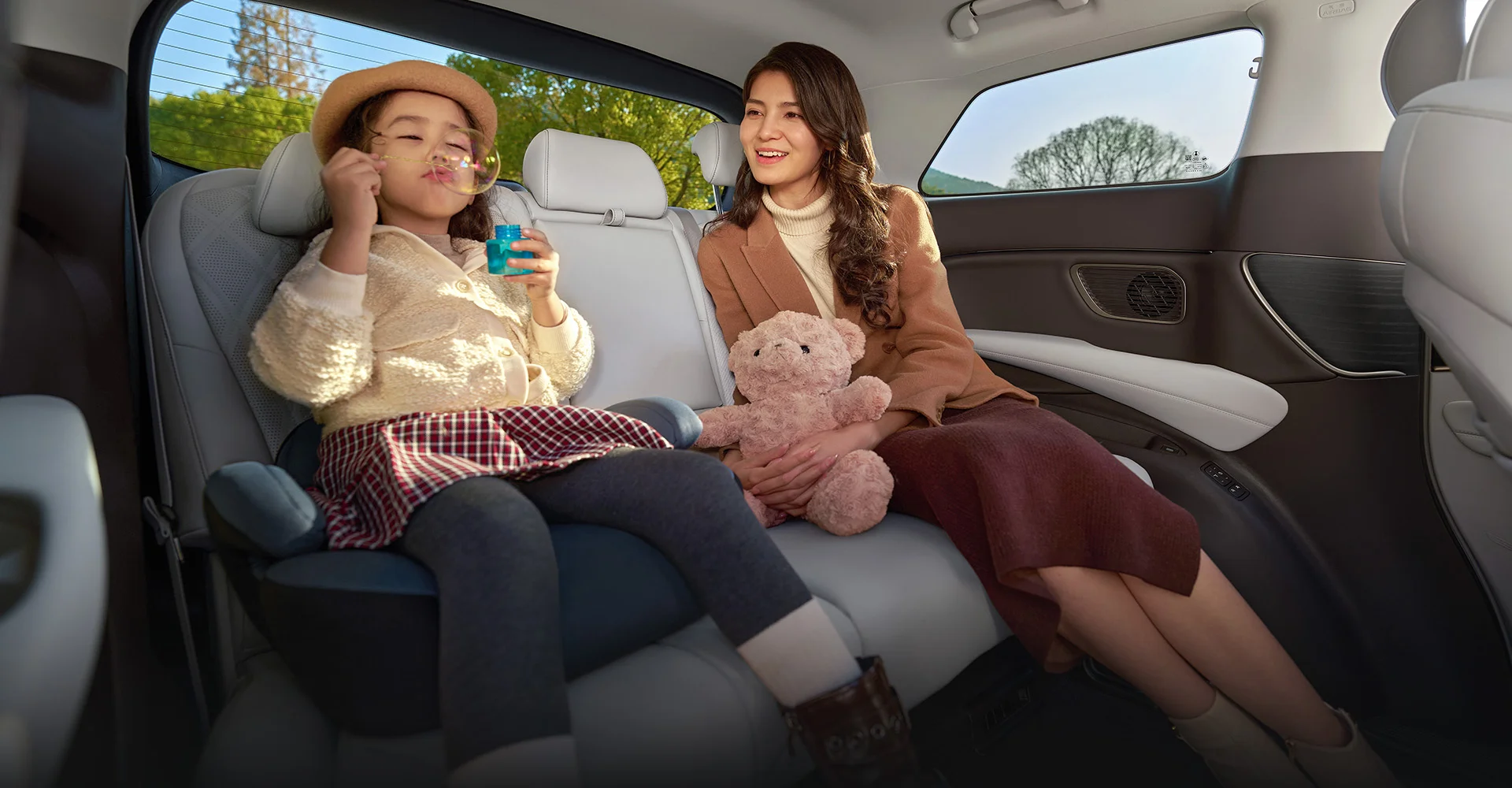
DENZA D9; image source: DENZA
The DENZA D9 offers a telling example: its third-row seats slide fore and aft, feature adjustable backrests, provide generous legroom, and even include heating, ventilation, and L-shaped headrests—details that turn the last row into a genuinely livable space.
(2) Driving feel still matters in a family MPV
An MPV should not be synonymous with clumsy handling. While smooth electric motor response is now expected, chassis tuning has become the real differentiator. Many high-end models have adopted double-wishbone front suspension, multi-link rear setups, air suspension, and adaptive damping systems to improve ride and control.
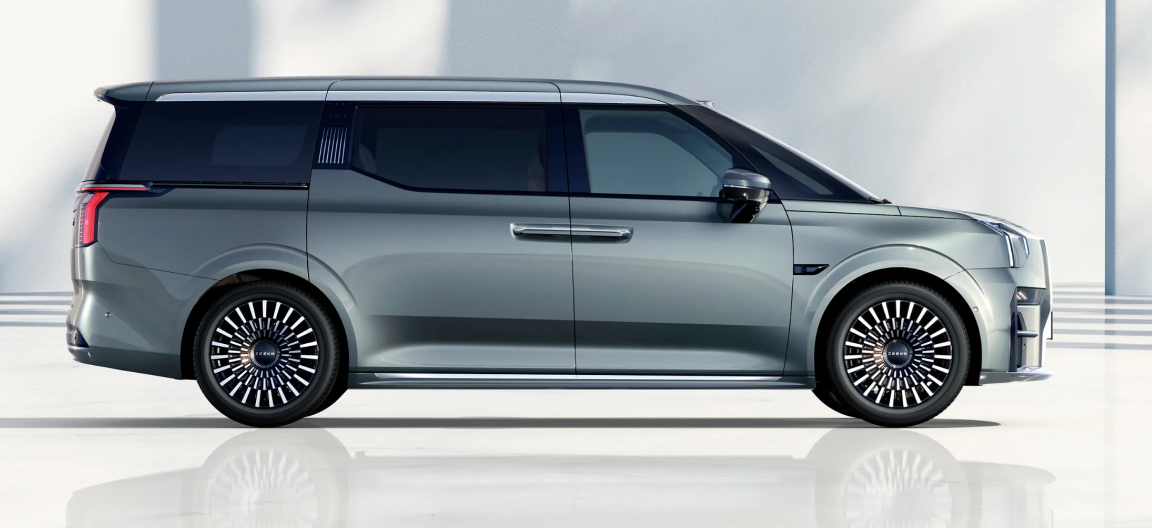
Zeekr 009; image source: Zeekr
Despite stretching beyond 5.2 meters in length, the Zeekr 009 manages to feel surprisingly agile on the road, underscoring that driving enjoyment and MPV practicality do not have to be mutually exclusive.
(3) Safety must extend to every row
Safety should not be treated as a box-ticking exercise. Beyond meeting regulations, premium MPVs must emphasize preventive design and comprehensive protection. High-strength steel, aluminum, or even carbon fiber should be used where structural integrity demands it, while battery systems must withstand rigorous testing. Underbody protection also deserves attention, given the higher grounding risks associated with MPVs.
Most critically, the third row can no longer be overlooked: it needs robust seat frames, full-length curtain airbag coverage, and puncture-resistant seatback structures.
According to Geely Galaxy, its engineering approach aims to deliver what it calls "equal safety across all three rows" for the Galaxy V900. Both the second- and third-row seats use high-strength steel frames capable of withstanding tensile forces exceeding 1.2 times the pull of an adult male elephant. More notably, the third row adopts a tubular frame structure combined with an all-metal seatback, designed to significantly reduce the risk of hard objects penetrating the cabin in a rear-end collision.
(4) Technology should feel human, not mechanical
Smart features should not amount to a cold accumulation of functions. Instead, they need to reflect an understanding of family life. Driver-assistance systems must be optimized for larger vehicle dimensions to ease parking and narrow-road navigation, while intelligent cockpits should focus on emotional engagement and convenience. Voice assistants capable of sensing mood, multi-screen entertainment systems, and even small onboard refrigerators with freshness-preserving functions all contribute to a more considerate experience. For instance, XPENG's X9, with its XNGP full-scenario assisted driving system and rear-seat entertainment ecosystem, represents one such attempt to humanize vehicle intelligence.
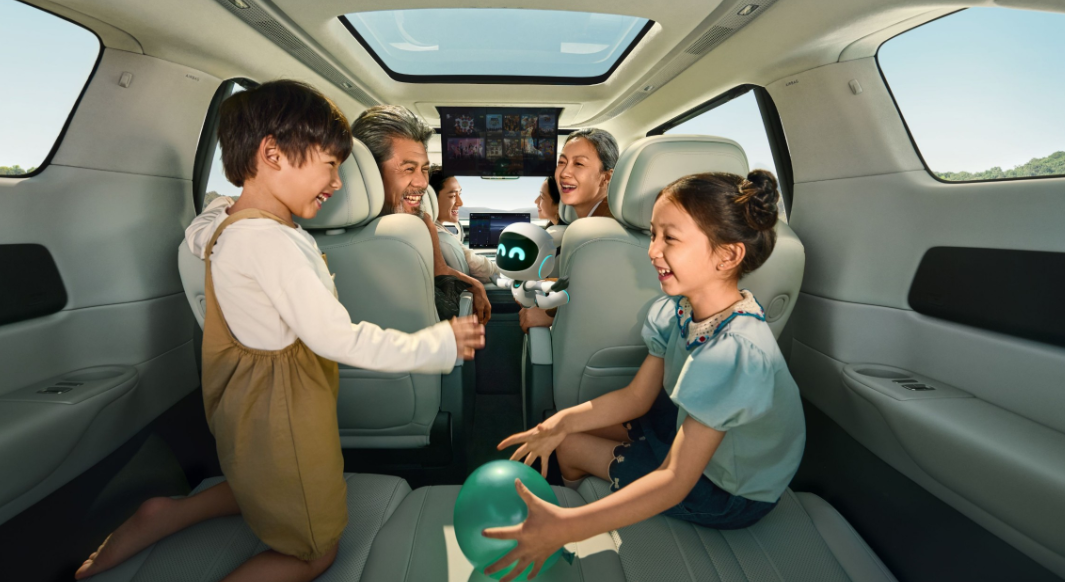
XPENG X9; image source: XPENG
Mr. Cai also cautioned that under current regulatory conditions and technological architectures, the upper limits of intelligent driving capabilities across brands are likely to converge, making it difficult to achieve truly distinctive experiences. For premium MPVs, he said, the real value of intelligence may lie less in raw technical parameters and more in its "human touch"—whether the vehicle genuinely understands and serves the emotional and practical needs of family-oriented use cases, rather than simply stacking hardware and specifications.
3. Premium MPVs with a distinctly Chinese sensibility
For Chinese brands, building premium MPVs is no longer just a technical exercise; it has become a form of cultural expression. Where MPV design once followed overseas templates, an increasing number of automakers are now exploring how to incorporate China's traditional aesthetics into their vehicles.
Instead of relying on excessive chrome or aggressive styling, designers are increasingly pursuing a sense of calm elegance—often described as fluid, restrained, and refined. Elements inspired by landscape painting, classical gardens, and even the textures of jade and ceramics are finding their way into exterior surfaces and interior details, creating an immediate sense of cultural familiarity.
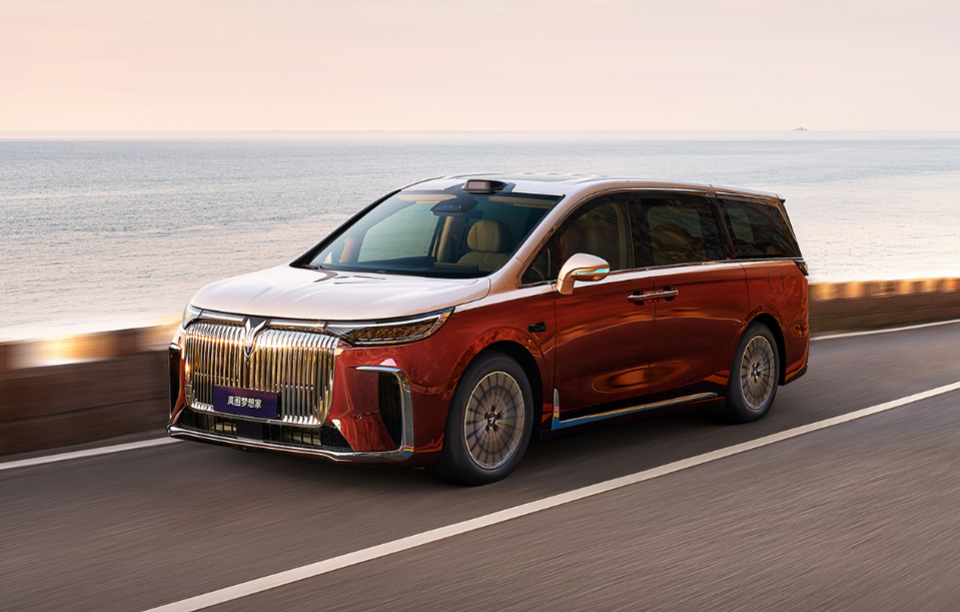
2026 VOYAH Dreamer; image source: VOYAH
The 2026 VOYAH Dreamer, for instance, retains its signature "Kunpeng spreading wings" front-end design while introducing a new two-tone "Imperial Red" exterior, drawing inspiration from the color palette of the Forbidden City to reinterpret Chinese luxury.
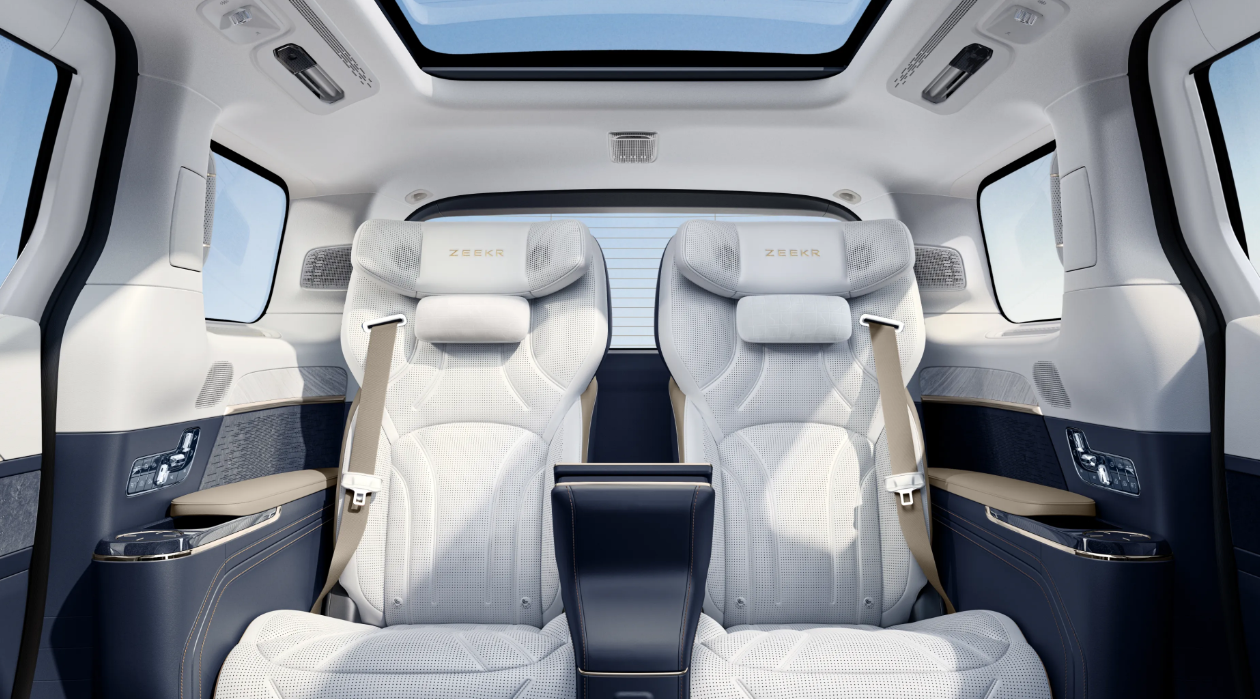
Zeekr 009 Grand Edition; image source: Zeekr
Besides, inside the Zeekr 009 Grand Edition, top-grade natural marble panels evoke the textured brushwork found in traditional landscape painting. Hand-cutting, polishing, and careful assembly allow the stone's natural veins to flow seamlessly, avoiding the sterility of mass production and turning each joint into a testament to craftsmanship.
At a deeper level, the family-oriented MPV aligns naturally with the Chinese ideal of family togetherness. By bringing people together, accommodating diverse life scenarios, and prioritizing shared safety, it effectively proposes a lifestyle model for modern Chinese households. VOYAH was among the earlier brands to explore the idea of "Chinese-style luxury," and today more automakers are searching for their own interpretations.
That said, the challenges ahead are substantial. Building a lasting premium brand image, protecting safety and quality amid intense price competition, and defining "Chinese luxury" for a global audience are all questions the industry must now confront.
Looking ahead, Mr. Cai emphasized that competition in the high-end MPV space extends well beyond the vehicles themselves and increasingly revolves around mindshare. Building brand influence, he noted, is a long-term process that depends on consistent delivery across products, services and storytelling to establish a clear and compelling identity in the minds of target users. Only by securing a lasting place in consumer perception, he noted, can brands develop the resilience needed to weather market cycles and sustain long-term competitiveness.
4. At its core, an MPV is a proposal for family life
This brings us back to the original question: what kind of MPV do families truly need today?
The answer is becoming increasingly clear. It is not simply about owning a larger vehicle, but about creating a mobile home that treats every passenger equally, prioritizes safety without compromise, applies intelligence thoughtfully, and delivers genuine emotional warmth.
A well-conceived MPV ensures that every family member travels in comfort, protects all occupants with uncompromising safety standards, and uses technology to ease the burden of driving while enhancing the joy of the journey. Through attention to detail and human-centered design, even routine trips can become shared experiences worth remembering.
Final thoughts
From the Geely Galaxy V900 and Li MEGA to the XPENG X9—and more models yet to come—Chinese automakers are stepping up their efforts in the premium MPV segment. Their ambitions are strikingly aligned: to redefine what a luxury MPV means, not by following established global templates, but by articulating standards rooted in their own understanding of users and culture.
In the end, this competition may be less about sales rankings and more about steering the entire industry back to its fundamentals: understanding and responding to the evolving needs of real users—Chinese families themselves. When MPVs move beyond being mere transportation devices and become companions that understand daily life and emotional needs, the era of truly premium Chinese MPVs will have genuinely arrived.
This is not only progress for the industry, but also a sincere expression of respect—and goodwill—toward the modern Chinese family.


