



Gasgoo Munich- On Feb. 5, Xiaomi announced it is rolling out the latest over-the-air update, which lowers the mileage threshold required to activate its driver-assistance features, according to a report by Gasgoo.
The company said the safety mileage threshold has been cut from 1,000 km to 300 km. The idea is to give users time to gradually familiarize themselves with the assistance functions and build up a strong sense of safety. Xiaomi emphasized that driver assistance is not autonomous driving, urging drivers to stay alert to road conditions and remain ready to take control of the vehicle.
Balancing User Experience with Tech Adoption
Xiaomi's adjustment wasn't a spur-of-the-moment decision; rather, it strikes a balance between user feedback and business considerations.
Reports indicate that when Xiaomi launched its driver-assistance functions in 2024, it set the 1,000-kilometer requirement to ensure users gained experience with basic features before unlocking more complex city navigation assistance.
However, a flood of user feedback suggested the bar was set too high, making it difficult to quickly experience the advanced system. After evaluating the situation, Xiaomi promised a change during a Jan. 15 livestream with CEO Lei Jun—a promise now fulfilled with this OTA update.
With the lowered threshold, users can now unlock city navigation assistance much sooner. That will undoubtedly boost satisfaction among new owners and enhance the perceived value of the vehicle's intelligent features.
On the technical front, Xiaomi appears confident enough to make this move.
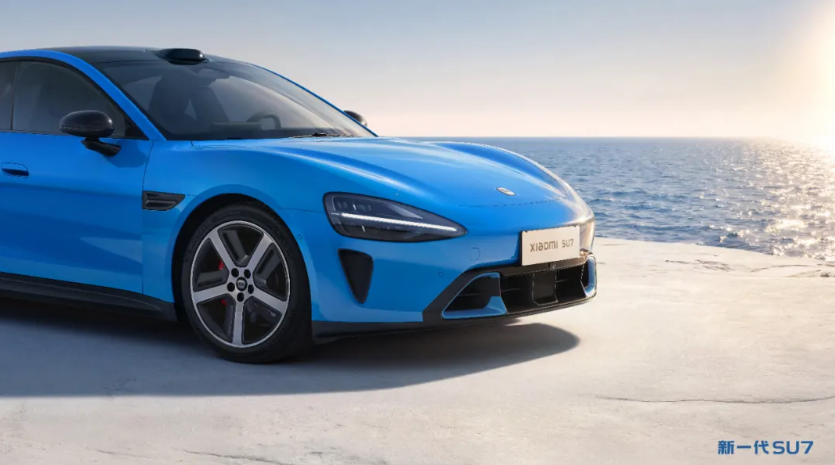
Image source: Xiaomi Auto
In November 2025, Xiaomi unveiled the enhanced version of its HAD system at the Guangzhou Auto Show, revealing its latest R&D progress and talent strategy in the smart driving sector.
At the time, the company said it was doubling down on AI investment, allocating more than 7 billion yuan to AI R&D in 2025 alone. Its driver-assistance expert team has grown to 1,800 people, including 108 PhDs.
The Regulatory Hammer Behind the Industry's Collective "Change of Tune"
Xiaomi's move is just a microcosm of a broader shift in the industry, moving away from the hype of "smart driving" and returning to the rationality of "driver assistance."
As far back as May 2025, Xiaomi had already replaced the term "smart driving" with "assisted driving" across its official website and app.
Xiaomi is not alone. New forces like Li Auto, NIO, and XPENG have also adjusted their marketing narratives. Sales staff in showrooms no longer bring up "smart driving" proactively, shifting focus instead to selling points like interior space and comfort. It suggests the entire auto sector is on the verge of a major strategic pivot regarding intelligent driving.
This collective shift is directly tied to a tightening of regulatory policies.
In April 2024, the Ministry of Industry and Information Technology released a draft standard on functional safety for intelligent connected vehicles. It explicitly banned automakers from using vague terms like "autonomous driving" or "smart driving," mandating the use of "assisted driving" or "combined assisted driving" instead.
A turning point arrived on March 29, 2025, when a Xiaomi SU7 operating with intelligent driver assistance crashed, killing three people. Investigations revealed that 62% of consumers mistakenly view Level 2 assistance as "fully autonomous driving," even though the technology's recognition rate for static obstacles is less than 30%.
Following the accident, regulators further tightened marketing guidelines, emphasizing the boundaries of responsibility in "human-machine co-driving."
In September 2025, authorities solicited public opinion on a mandatory national standard—the "Safety Requirements for Combined Driving Assistance Systems of Intelligent Connected Vehicles"—slated for implementation in 2027. The new rules comprehensively tighten requirements for monitoring drivers.
Behind the steering wheel, the driver's hands must remain firmly on the wheel.
Xiaomi's decision to lower the usage threshold holds up a mirror to the industry's profound transformation from technological obsession to safety-focused pragmatism. Driving this shift is a trio of factors: tighter regulation, reshaping consumer perceptions, and clarifying automaker accountability.
As the foam of marketing hype dissipates, what remains is a cautious exploration of the boundaries of safety.


