Here are the key headlines in embodied intelligence and driver assistance this week:
Zhiyuan Robotics to Host World's First Robot Gala
Zhiyuan Robotics announced it will globally livestream its first large-scale robot gala, "Robot Wonder Night," on February 8 at 8:00 PM. The event's defining feature is its "all-robot" format: more than 200 units will take center stage, handling the entire performance and audience interaction. The show aims to demonstrate cutting-edge capabilities in interactive intelligence, motion control, task execution, and multi-robot coordination.
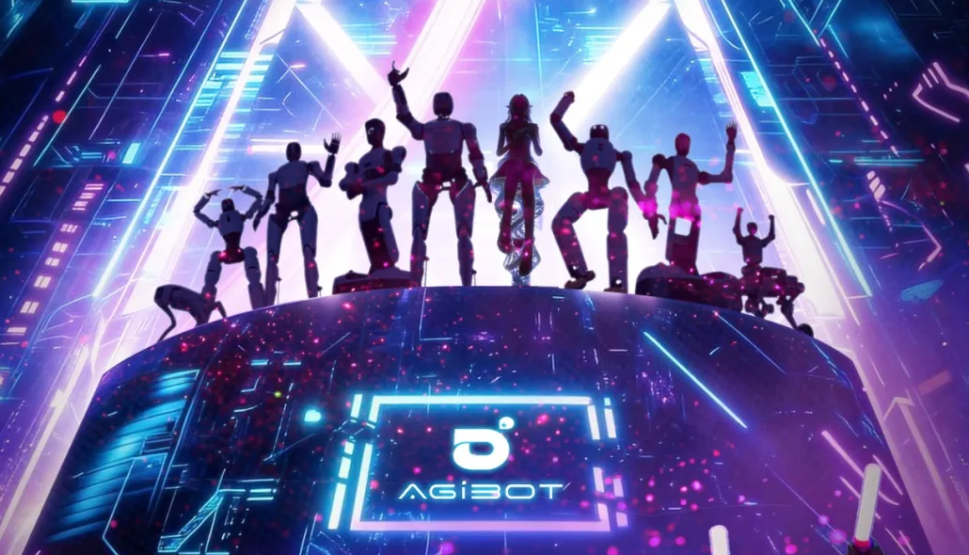
Image Source: Zhiyuan Robotics
Previously, Zhiyuan stated it would not participate in the 2026 Spring Festival Gala. Citing budget constraints, the company said it would prioritize funding for embodied intelligence technology and product R&D.
Earlier market rumors suggested Zhiyuan opened bidding at 60 million yuan for a spot on the gala broadcast, only for Unitree Robotics to raise the stakes to 100 million yuan. Zhiyuan has denied these reports.
By the end of 2025, Zhiyuan's total shipments had surpassed 5,100 units. Its 5,000th general-purpose embodied robot, the Lingxi X2, rolled off the production line and was delivered on December 8, 2025. Zhu Jie, Zhiyuan's director of government affairs, projected that at the current pace, annual shipments could reach tens of thousands in 2026.
Xiaozhi Comment: Skipping the gala to host its own robot show—is this technical confidence or a marketing gimmick? The answer is about to be revealed.
Tesla's Third-Generation Robot to Debut Soon
On February 2, Tesla dropped a major announcement via its official Weibo account: the third-generation Tesla Optimus is set to debut, with plans to scale annual production to 1 million units.
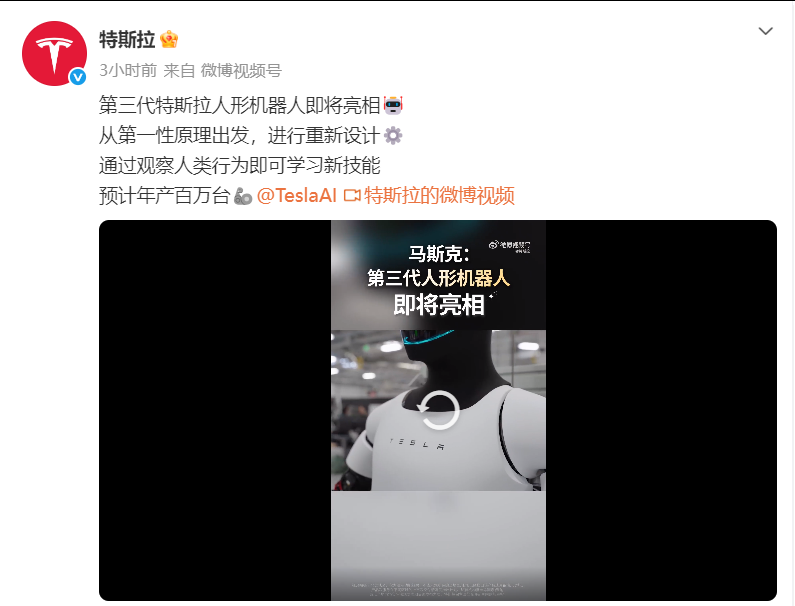
Image Source: Tesla
According to internal sources, Tesla has begun adjusting production lines at its Fremont, California factory to meet this target. The lines currently used for the Model S and Model X will gradually be retrofitted for humanoid robot manufacturing, with mass production expected to launch before the end of 2026.
This shift signals a strategic pivot, with Tesla systematically moving some high-end vehicle capacity into the new humanoid robot arena. Insiders reveal the robots will have a supply chain completely separate from the automotive business, with all components redesigned from first principles. While this approach favors long-term cost and performance optimization, it could also mean a longer production ramp-up compared to its mature vehicle lineup.
Xiaozhi Comment: Converting high-end car lines for robot production is a strategic gamble aimed at mass-producing humanoid robots.
FF Enters Robotics Sector with Three New Products
On February 5, at the National Automobile Dealers Association (NADA) event in Las Vegas, Faraday Future (FF) held a launch for its first batch of embodied intelligence products. Founder Jia Yueting announced the debut of three EAI robot series—Futurist, Master, and Aegis—marking the company's official entry into the robotics sector.
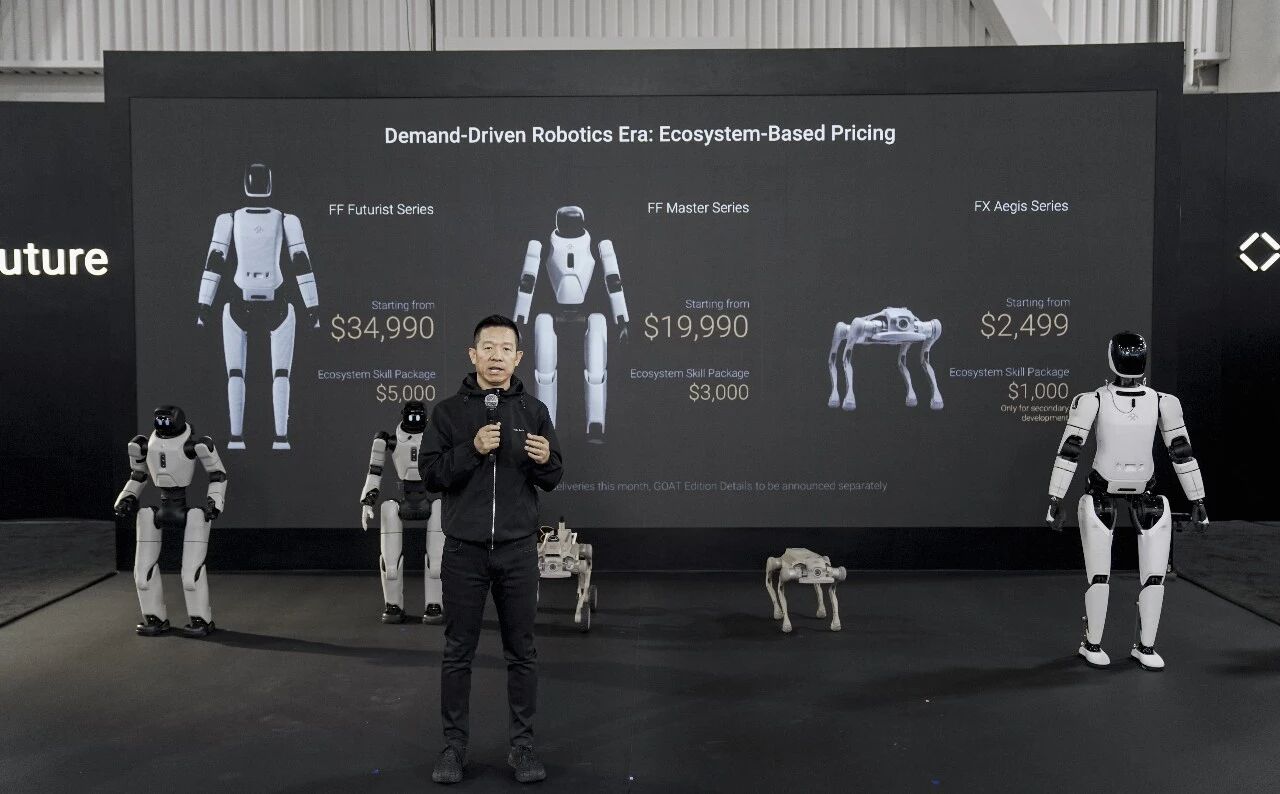
Image Source: Faraday Future
The full-size Futurist series is defined by FF as a "professional embodied intelligent humanoid robot." Built on the NVIDIA Orin platform, it boasts computing power of up to 200 TOPS and supports continuous upgrades and expansion. The starting price is $34,990 (approximately 243,000 yuan).
The sporty Master series features 30 degrees of freedom across its body (excluding hands) and achieves motion positioning precision of 5 millimeters. It starts at $19,990 (approximately 139,000 yuan).
The Aegis series is a quadruped security and companion robot with a starting price of $2,499 (approximately 17,300 yuan).
According to FF, the company received 1,211 paid orders for its EAI robots by the end of the event. FF aims to begin initial deliveries this month, aiming for a "launch-to-sales, sales-to-delivery" model that would make it the first company in North America to deliver both humanoid and biomimetic robots simultaneously.
However, netizens seem skeptical of Jia's new venture. Critics online mocked the move, arguing, "They haven't figured out electric vehicles, and now they're chasing the robot trend." Some even posted images claiming FF's robots bear a striking resemblance to products from leading Chinese companies.
Xiaozhi Comment: From "returning next week" to "delivering this month," Jia Yueting's business narrative has shifted from cars to robots. Yet the core question remains the same: Can he deliver this time?
DOBOT Launches Mass Delivery of Third Batch of Full-Size Industrial Humanoid Robots
On February 4, DOBOT announced the start of mass delivery for the third batch of its full-size industrial humanoid robot, ATOM. This milestone signals the product's accelerated deployment into frontline industrial applications globally. Previously, ATOM completed two delivery rounds and underwent deep scenario validation.
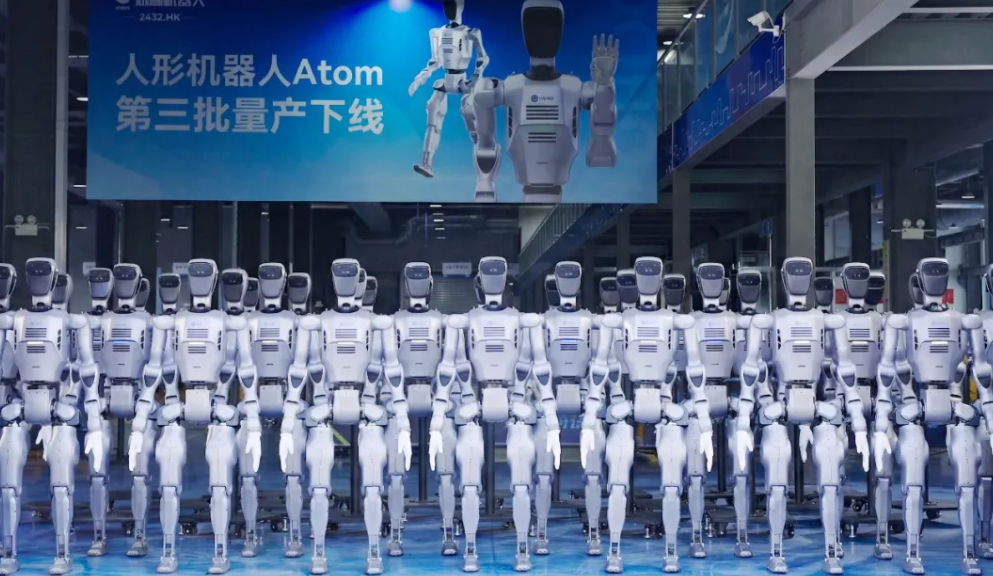
Image Source: DOBOT Robotics
Designed for industrial environments, the ATOM requires robust dynamic balance and precision manipulation. To achieve this, the robot is powered by the proprietary DOBOT-VLA model. Using end-to-end technology to fuse vision, language, and action, this model enables the robot to understand vague instructions, perceive cluttered environments, and autonomously plan task chains—building adaptive capabilities based on scene understanding.
Furthermore, ATOM's design—spanning hardware selection, structural reinforcement, and thermal protection—adheres to industrial-grade standards. Joint modules have undergone nearly 10,000 cycle tests, and the real-time dynamic balance algorithm ensures rapid stability recovery even after impact, crucial since downtime in industrial settings means direct loss. DOBOT also drew heavily on its engineering experience deploying over 100,000 collaborative robots worldwide.
In practice, ATOM can adapt to various end-effectors for gripping, assembly, and inspection. It supports multi-robot coordination, allowing a unified platform to schedule and complete complex tasks.
Currently, ATOM is deployed in industrial picking, assembly, and commercial service scenarios, where its attributes as a stable, reliable, and efficient productivity tool are gaining market validation.
Xiaozhi Comment: Continuous deliveries mean DOBOT's industrial humanoid robot is moving past the concept phase into the grueling stage of verifying application value.
Beijing Humanoid Completes First Round of Market Financing Exceeding 700 Million Yuan
Gasgoo has learned that the Beijing Humanoid Robot Innovation Center recently completed its first round of market financing, raising over 700 million yuan. The round attracted several prominent investors, including the Beijing Artificial Intelligence Industry Investment Fund, E-Town Capital, Beijing High-End Fund, and Huakun Fund. It also secured strategic investment from industry players like Baidu and Kyland Technology.
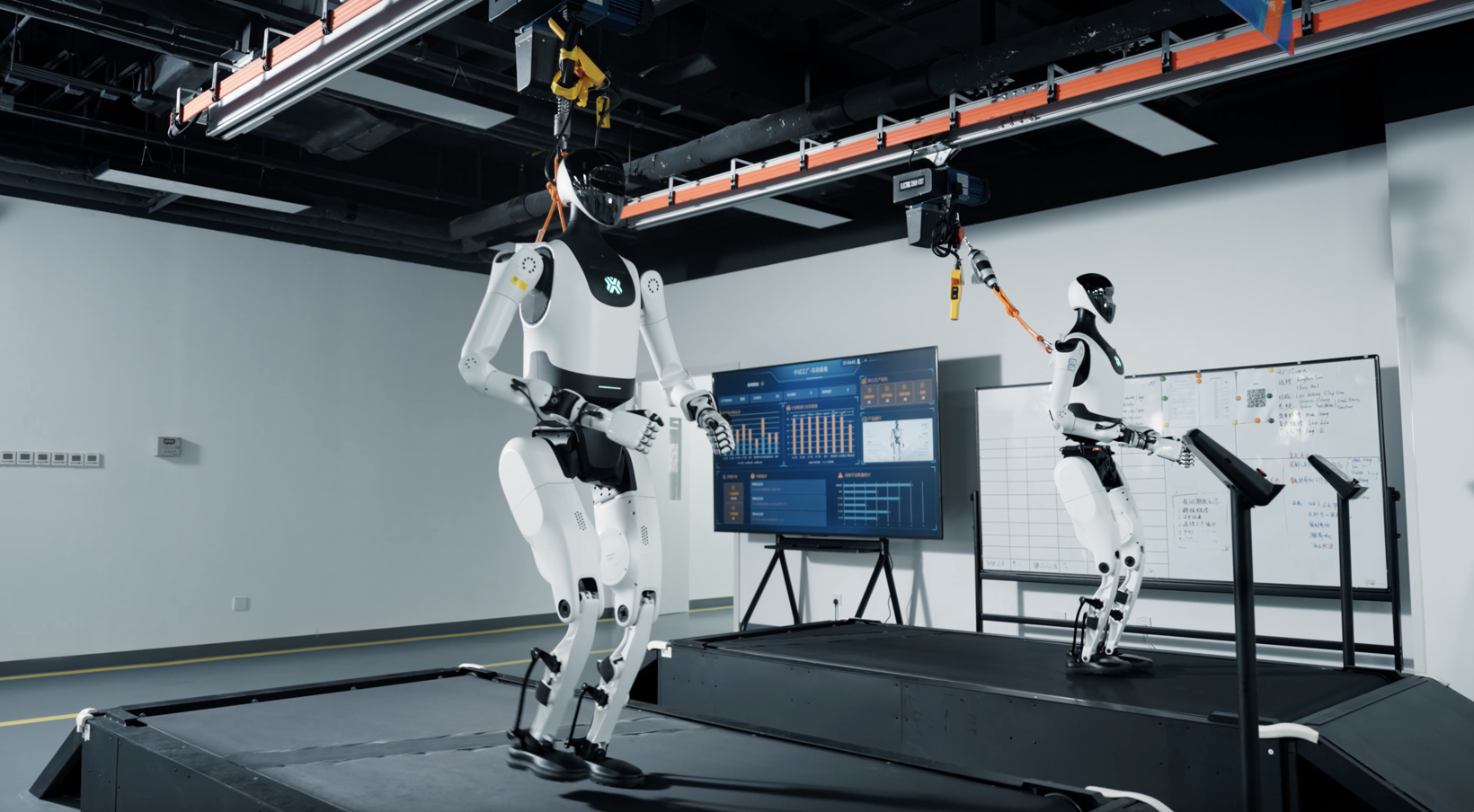
Image Source: Beijing Humanoid
Beijing Humanoid stated that the funds will focus on the technical iteration and large-scale promotion of two core platforms: "Jushen Tiangong" and "Huisi Kaiwu." The goal is to further drive embodied intelligent robots toward "full autonomy" and improved usability.
Established in 2023, the Beijing Humanoid Robot Innovation Center was jointly initiated by Jincheng Electromechanical, Xiaomi, UBTECH, E-Town Robotics, and Shoucheng Capital. It is dedicated to building a world-class innovation platform for embodied intelligent robots.
In April 2025, the center's "Jushen Tiangong Ultra" won the world's first humanoid robot half-marathon. Later, in August at the World Humanoid Robot Sports Games, the Tiangong Ultra and Tianyi 2.0 robots secured a haul of two gold, six silver, and two bronze medals.
On the same day it announced the funding, Beijing Humanoid revealed that the Jushen Tiangong 3.0 is imminent. A teaser video shows the new model vaulting over a 100-centimeter hurdle using a single hand.
Xiaozhi Comment: Behind this massive financing lies a clear signal: the "national team" is integrating resources to build an industrial ecosystem platform.
MirrorMe Technology Unveils Full-Size Humanoid Robot Bolt
On February 2, MirrorMe Technology officially unveiled its first full-size humanoid robot, Bolt, to a global audience. The robot's core highlight is its peak movement speed of 10 meters per second—a figure that sets a new benchmark for humanoid velocity.
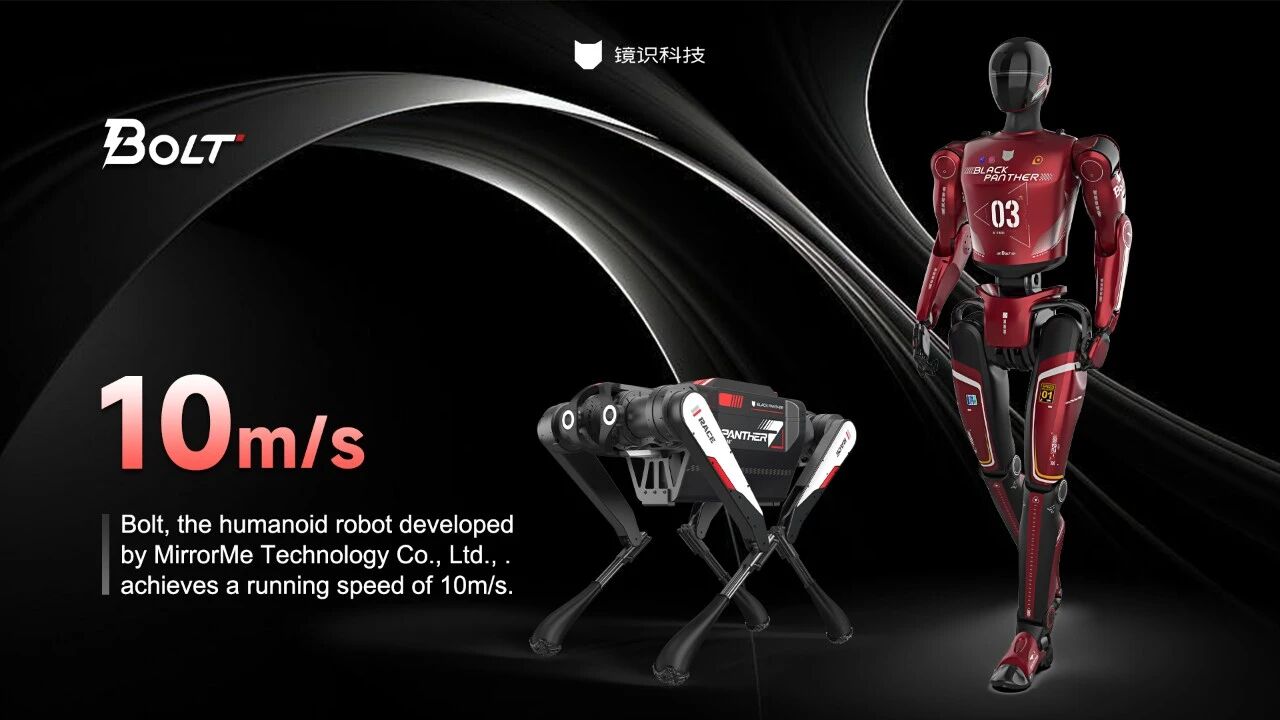
Image Source: MirrorMe Technology
Standing 175 centimeters tall and weighing 75 kilograms, Bolt represents MirrorMe Technology's vision of the "ideal form" for a humanoid robot. Innovative joint design and comprehensive power optimization serve as the technological foundation for approaching human-level mobility.
This is not the first time MirrorMe Technology has pushed the limits of robotic motion. In early 2025, its Black Panther II quadruped robot hit a recorded speed of 10.3 m/s, shattering a 12-year record held by Boston Dynamics to become the world's fastest quadruped. After continuous iteration, the company pushed the Black Panther II's peak speed to 13.4 m/s, constantly redrawing the industry's boundaries.
The Bolt release marks a milestone in MirrorMe Technology's decade-long technical journey. However, the company states its goal is not simply to build the "fastest robot," but to create a "super-species" that truly approaches—or even surpasses—human athletic capability. By equipping machines with human-like motion perception and competitive skills, Bolt aims to serve as a professional "steel sparring partner" for Chinese athletes, giving every runner the chance to compete against the likes of Usain Bolt and Noah Lyles, refining their techniques and breaking through bottlenecks in real speed contests.
Xiaozhi Comment: MirrorMe Technology's Bolt is not only a continuation of its "speed gene" but also a leap of exploration from quadrupeds to bipeds.
INFIFORCE Technology "YUANZI" Breaks 100 Units on First Day of Blind Orders
On the evening of February 5, INFIFORCE Technology announced that its first "mind-native" small bipedal robot, YUANZI, surpassed 100 units in blind orders on its very first day.
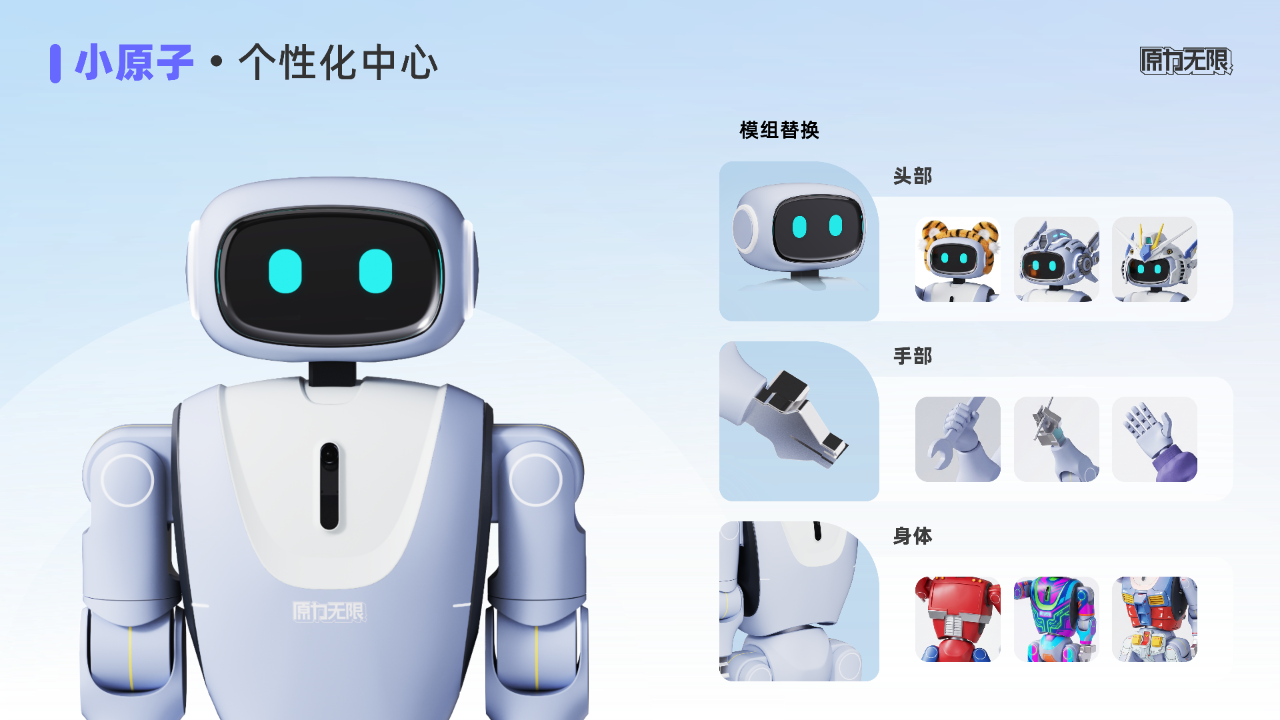
Image Source: INFIFORCE Technology
As a consumer-grade embodied intelligence product, YUANZI stands just 95 centimeters tall and weighs 20 kilograms, with 25 degrees of freedom throughout its body. Its core capabilities are defined by three highlights: "Growable," "Super Free," and "Truly Understands Me."
"Growable" means both hardware and software can be quickly replaced and continuously upgraded. "Super Free" is realized through the "YuanLi Market," a planned platform where users can create robot functions using zero-code shortcut commands. "Truly Understands Me" is powered by the "Embodied Brain," which houses INFIFORCE Technology's proprietary Hyper-VLA end-to-end multimodal model and a causal world model.
Xiaozhi Comment: The "small-size" and "consumer-grade" positioning suggests the humanoid robot battlefield is quietly diverging from B-end "productivity tools" to C-end "life companions."
Waymo Announces Completion of $16 Billion Funding Round
According to CNBC, autonomous driving company Waymo has completed a new funding round totaling $16 billion, pushing its valuation to $126 billion. An investor in this round revealed that the valuation includes the capital raised.
Waymo stated the round was led by Dragonrise Capital, DST Global, and Sequoia Capital, with Google parent Alphabet remaining the controlling shareholder. Andreessen Horowitz, Tiger Global Management, and Bessemer Venture Partners also participated.
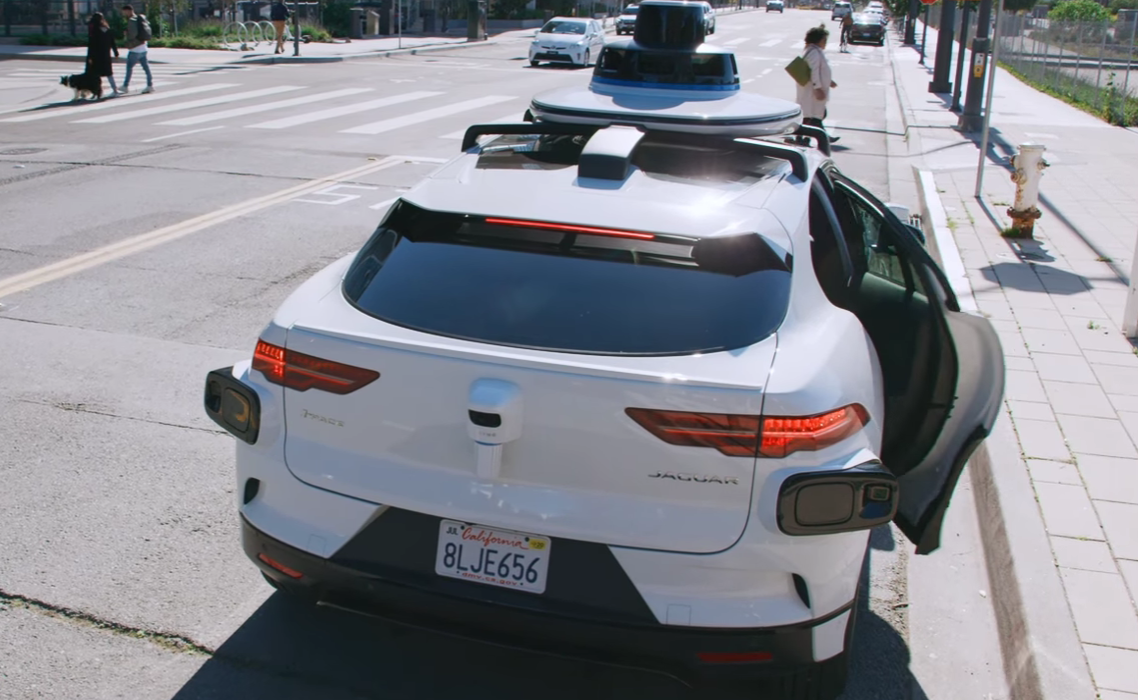
Image Source: Waymo
This marks the largest capital injection since Waymo became an independent entity and is the latest move by Alphabet to double down on autonomous driving. In October 2024, Waymo raised $5.6 billion in a Series C round at a $45 billion valuation, alongside a $5 billion multi-year commitment from Alphabet. Following this $16 billion raise, Waymo's valuation has jumped 180% from the previous round—more than tripling from the roughly $30 billion figure in early 2023.
Recently, Waymo received approval to launch autonomous ride-hailing services to and from San Francisco International Airport. Its robotaxi operations now cover all of Northern California, as well as major metropolitan areas including Los Angeles, Austin, and Miami.
"We are no longer validating a concept; we are scaling a commercial model," Waymo stated. The company is laying the groundwork to enter ride-hailing markets in more than 20 new cities by 2026, including Tokyo and London.
Xiaozhi Comment: The $16 billion funding is a shot in the arm for autonomous driving commercialization—but it also starts the countdown to achieving scalable profitability.