



Shanghai (Gasgoo)- According to the company, construction has begun on Zhongding's manufacturing base in Querétaro, Mexico. The site will span about 60,000 square meters, with 37,000 square meters in the first phase. Completion is slated for late 2026, with operations to start in the first quarter of 2027.
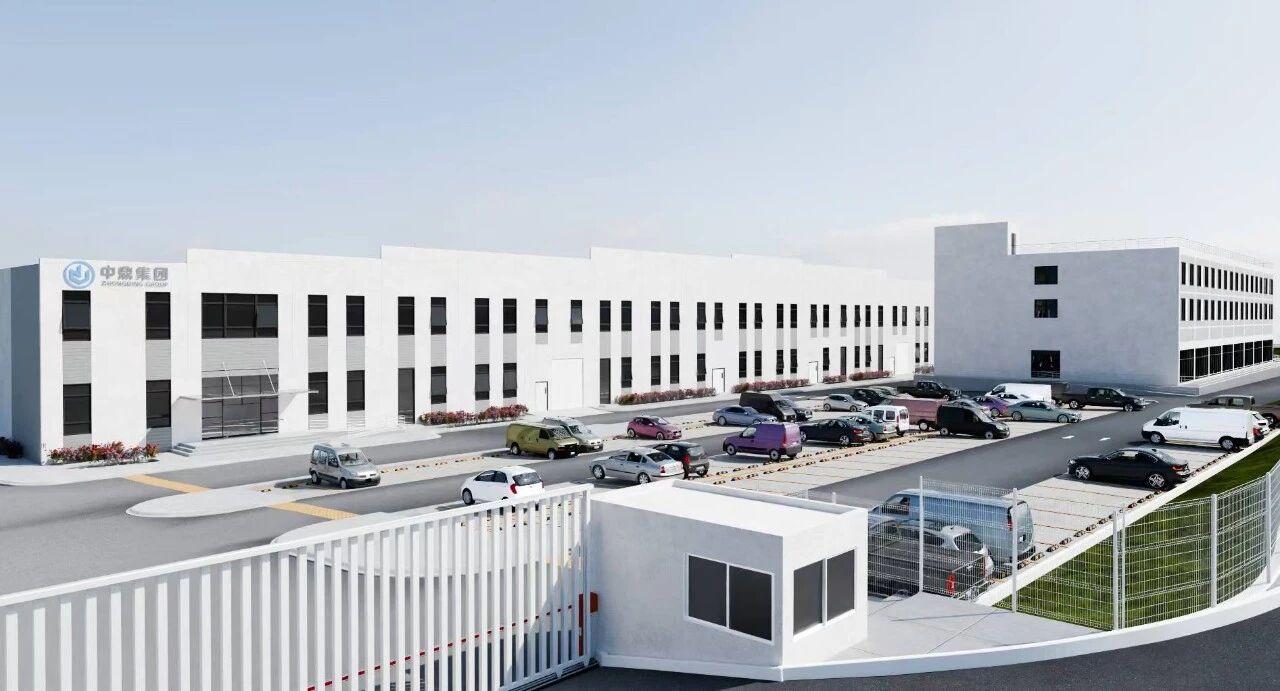
Image source: Zhongding Group
Zhongding's move isn't a one-off. It reflects how Chinese auto supply-chain firms, amid the regional reshaping of global industry, are proactively addressing trade uncertainty. From Welling Automotive Components' rapid ramp-up in Monterrey just over a month ago to Zhongding's ongoing build-out of its Americas manufacturing network, a cohort of Chinese suppliers is using Mexico as a fulcrum — carving new paths through North America's tariff barriers and industrial openings, and rewriting the core logic of globalization.
Why Mexico? Tariff pressure and strategic upside are driving the bet
Mexico's sharp turn on tariff policy toward China is directly accelerating localization by Chinese supply-chain companies.
Starting Jan. 1, 2026, Mexico will impose 5% to 50% tariffs on 1,463 categories across more than ten industries including autos, steel and plastics, with a top rate of 50% on cars imported from China — up steeply from 20% in 2025. The policy stems from President Claudia Sheinbaum's "Mexico Plan," whose core is to raise the local-content rate by 15%,
Proposed under President Sheinbaum's "Mexico Plan," it aims to lift local content by 15%, add 1.5 million jobs, and deliver roughly USD 3.8 billion in new annual tax revenue.
For export-reliant Chinese suppliers, surging tariff costs make rules of origin the competitive hinge — and building plants in Mexico the most effective way to navigate trade barriers.
Zhongding's footprint is illustrative. Its TRISTONE unit already has capacity in Chihuahua and Delicias, and the new Querétaro plant will further tighten its manufacturing and service network across the Americas. Han Kun, CEO of Zhongding USA, said the facility is a strategic move to deepen global resource integration and strengthen service capability in regional markets.
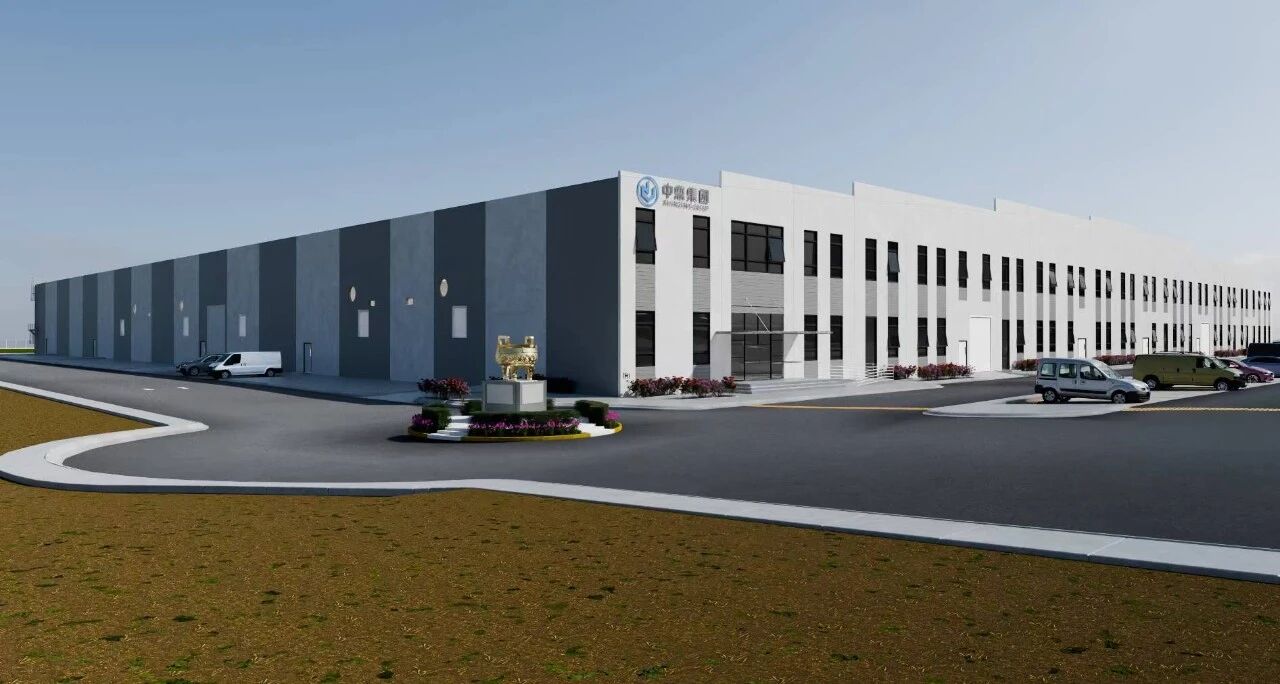
Image source: Zhongding Group
As the auto supply chain becomes more regional, the plant signals Zhongding's embrace of nearshoring. By moving capacity closer to demand, it aims to respond faster to core customers in the Americas and bolster supply-chain resilience — a hedge against trade and environmental uncertainty.
Beyond tariffs, Mexico's geographic and industrial advantages are a powerful draw. Bordering the U.S., backed by a wide web of free trade agreements — notably the USMCA — with relatively low manufacturing costs and a comprehensive supplier base, Mexico has become a global hub for vehicle and parts manufacturing and exports.
Midea Group's Welling Automotive Components underscores the point. Its Monterrey base went from groundbreaking in April 2025 to production in November in just 7 months, with its first new-energy vehicle thermal-management product rolling off the line — knitting together a "domestic + overseas" manufacturing network. Monterrey, a key North American auto cluster, concentrates OEMs and suppliers; locating there lets Welling respond quickly to U.S. customers, embed deeply in the regional supply chain, and share tariff benefits under the USMCA. This "land fast, serve locally" playbook is increasingly standard for Chinese suppliers competing in North America.
More than risk hedging, the step-up in Chinese supply-chain globalization
Chinese auto suppliers aren't simply copying and shifting capacity to Mexico. They're leveraging accumulated technology and management to deliver "technology export + local integration" — building sustainable advantages. Zhongding's globalization offers a useful blueprint: across four iterations, it evolved from early capital going out, to importing German KACO and WEGU R&D systems and lean-production standards, and now to systematically exporting management models, core technologies and corporate culture — completing the shift from "products going out" to "industry going out."
Given Mexico's complex political and industrial landscape, Chinese auto suppliers are assembling multi-dimensional risk controls for steady operations. Politically, Mexico is entering a key window ahead of the 2026 USMCA review; the U.S. and Canada have questioned Mexico's increasingly close economic ties with China, while the Sheinbaum administration seeks balance between Washington and Beijing.
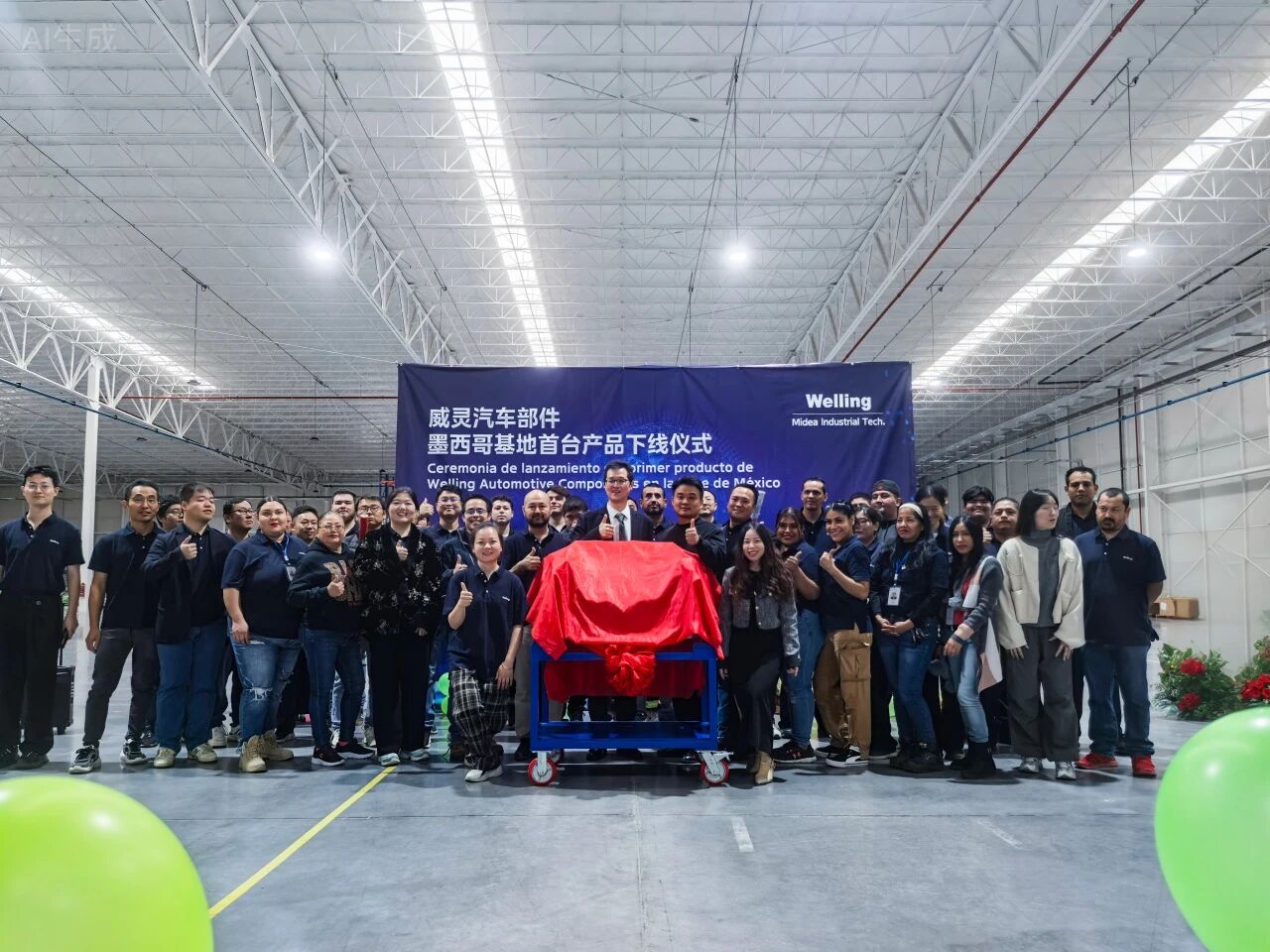
Image source: Welling Auto Partsuppli
In response, firms such as Zhongding and Welling are embedding in the local industrial ecosystem and participating in Mexico's reindustrialization — creating local jobs and catalyzing supporting industries to win policy backing. They're also engaging with local industry associations to limit geopolitical shocks to capacity planning, aiming to operate in compliance and put down deep roots.
On the market front, even with Mexico's tariff hikes, Chinese automakers and suppliers can keep a core edge — built on decades of iterative improvements that forged highly coordinated, cost-disciplined supply chains. From upstream materials procurement and core parts R&D to downstream manufacturing and logistics, China's auto supply chain is a complete, responsive and cost-controlled system. Those systemic advantages, carried through via technology transfer and management know-how, can persist in localized production and keep firms on the front foot in North America.
From an industry perspective, Chinese suppliers' push into Mexico is a major upgrade in globalization strategies — and a proactive fit for the remaking of the global auto landscape. It isn't a stopgap for short-term tariff pain; it's a long-term alignment with the trend toward "regional supply, global coordination."
By fusing China's manufacturing know-how, management experience and cost advantages with Mexico's location, policy support and industrial ecosystem, Chinese firms are shifting from exporting products to exporting entire industries — building an essential role in North America's auto supply chains. Groundbreaking at Zhongding's Querétaro plant is more than a corporate milestone; it signals a broader move from reactive defense to proactive leadership, marking a new phase in the global expansion of China's auto industry.


