In the previous episode of Tina's Talk, we discussed the first installment of the "China's Auto Industry Going Global" series—why now is the right time for Chinese automakers to expand overseas. In this episode, we turn to a new triangle shaping the global automotive industry: Shanghai, Silicon Valley, and Munich.
1. The Shift of Power
The geographical center of the automotive industry is undergoing a quiet yet profound migration.
Over the past century, it has experienced three major shifts of power — from Detroit's era of mass production, to Tokyo's mastery of lean manufacturing, and then to Stuttgart's culture of engineering excellence. Each transition has represented a complete reconfiguration of production methods, energy systems, supply chains, and consumer culture.
Today, the underlying logic of competition has fundamentally shifted — it is now driven by electrification, intelligence, and globalization. The old order is loosening, and a new one is taking shape. We are entering the fourth great transition in the history of the automotive industry. The global automotive triangle is evolving from Detroit–Tokyo–Stuttgart to Shanghai–Silicon Valley–Munich. These three cities now represent the new centers of global automotive influence — speed, technology, and rules. This is not merely a geographical shift, but a reconfiguration of power structures.
It signifies that the core of global automotive competition is moving from manufacturing and product quality to technology, ecosystems, and regulatory frameworks.
2. The Old Triangle — The Power Code Behind a Century of Industry
(1) Detroit — The Symbol of Industrialization
The 20th-century automotive world began in Detroit. In 1908, the Ford Model T rolled off the assembly line, marking the first time automobiles moved from handcrafted workshops to industrial mass production. This not only transformed the way cars were made but also defined the blueprint for 20th-century industrial civilization — assembly-line manufacturing, standardized components, and the cyclical relationship between capital and consumption.
The mid-20th century was the golden age of America's auto industry. Detroit was home to the "Big Three" — Ford, General Motors, and Chrysler — which at one point controlled over 60% of the global market. Their model was built on capacity expansion, consumer stimulation, and financial leverage, giving rise to an entire industrial urban ecosystem.
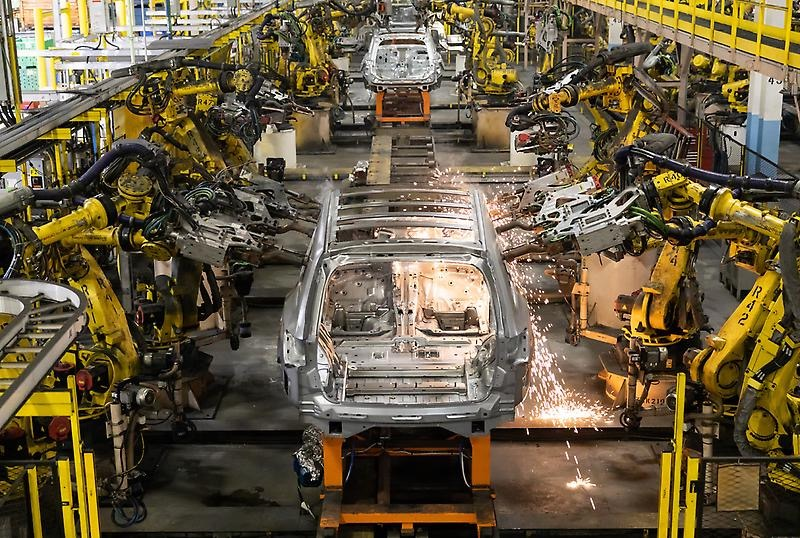
Photo source: Stellantis
But by the 21st century, Detroit's model began to collapse. Energy crises, rising costs, and heavy dependence on fuel-powered vehicles eroded profitability. Rigid supply chains, declining innovation, and persistent labor disputes stripped the city of its ability to lead the new energy transition.
After the 2008 financial crisis, Detroit became the emblem of a failing industrial model, serving as a warning to the world: mass production can create prosperity, but without innovation, the future will be lost.
(2) Tokyo — The Pinnacle of Efficiency and Quality
The oil crises of the 1970s forced the world to reexamine the importance of energy efficiency. At that pivotal moment, Japan seized the opportunity and rose rapidly as an automotive powerhouse. Brands such as Toyota, Honda, and Nissan became globally recognized for their fuel economy, reliability, and rigorous quality management.
The Toyota Production System (TPS) and the philosophy of lean manufacturing became benchmarks for modern industrial management worldwide. Japan's auto industry achieved extreme efficiency through zero inventory(JIT), continuous improvement (Kaizen), and standardized operations.
By the 1980s, Japanese car exports had surpassed those of the United States, capturing over 30% of the North American market, and becoming synonymous with reliability and fuel efficiency. Its success was built upon a deeply integrated system of manufacturing precision and quality control.
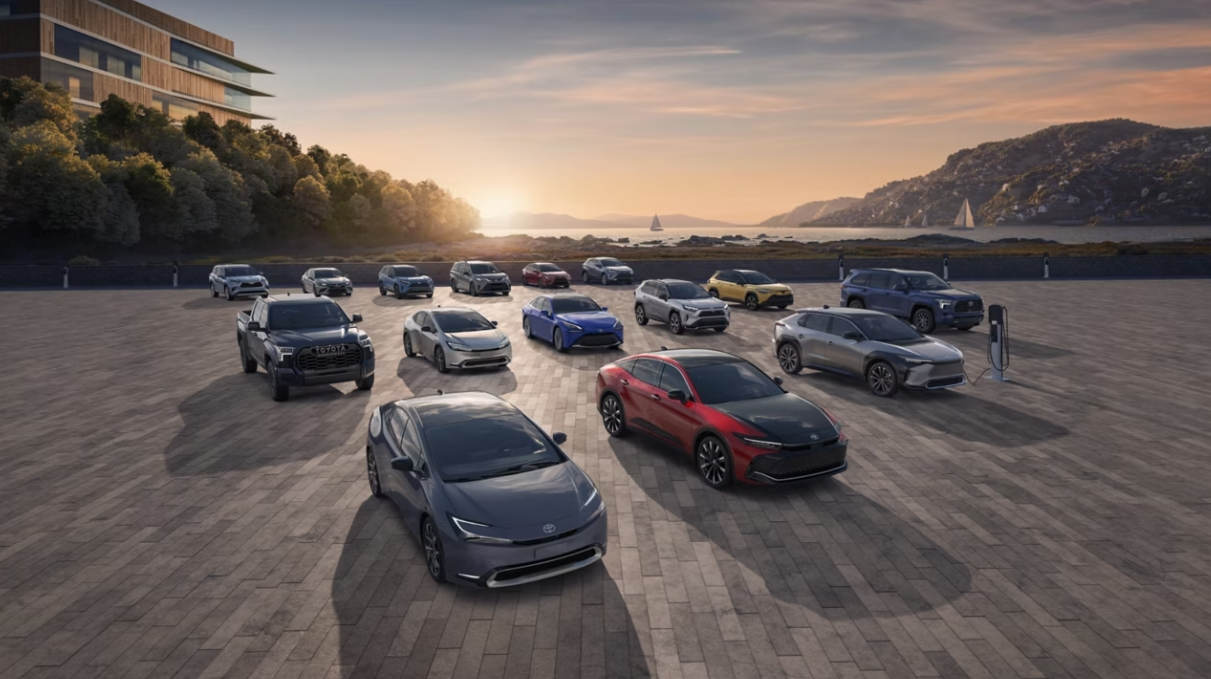
Photo source: Toyota Motor
However, as the global industry entered the era of digitalization and intelligence, Japan's traditional hardware-driven strengths began to appear rigid and slow to adapt. Japanese automakers continued to focus on mechanical excellence and hardware precision, but remained relatively conservative in software architecture, digital ecosystems, and user experience.
The result: Japanese cars are still refined and reliable — but increasingly disconnected from the digital, connected world.
(3) Stuttgart — The Synonym of Engineering and Regulation
Stuttgart, the birthplace of Mercedes-Benz and Porsche, is the spiritual home of the German automotive industry. It embodies engineering philosophy, precision culture, and above all, a deep-rooted systemic order.
The strength of Europe's automotive industry lies not only in mechanical performance, but also in its systems and standards.
During the era of internal combustion engines, European regulations virtually defined the global rulebook. The European Union has long been the world's chief rule-maker for the auto industry —from emission standards (Euro I–VI) ,vehicle safety regulations, to later frameworks on data protection, cybersecurity, and over-the-air software updates such as GDPR, R155, and R156 — each guiding the direction of industrial development. Europe effectively transformed manufacturing capability into institutional power, making the phrase "European standards" synonymous with global automotive norms.
Its underlying logic is clear: to preserve the moat of high-value manufacturing through the power of standard-setting. However, this very system that ensured Europe's strength has also made it slow and overly cautious. In the transition to electrification, Europe's policy ambitions have gradually been worn down by real-world pressures. The latest signals suggest that the planned 2035 ban on new internal combustion engine (ICE) vehicles may be scrapped. On December 16, the European Commission released a proposal to abandon the plan to prohibit the sale of new ICE vehicles from 2035. In terms of infrastructure, costs, and supply-chain readiness, Europe's industry is clearly far from fully prepared.
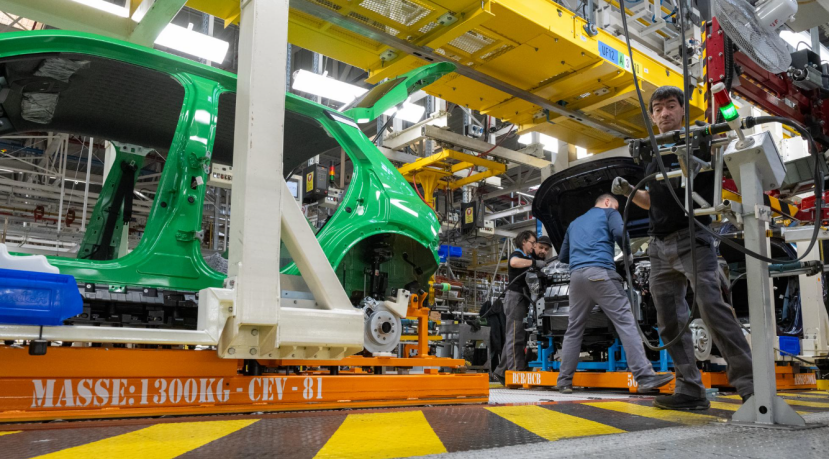
Photo Source: European Commission
As new technologies emerge, energy systems are restructured, and geopolitics reshapes supply chains, the old industrial triangle — once dominant — now hesitates under its own inertia, while true innovation begins to bloom at the periphery.
3. The New Triangle — The Reshaping of Global Automotive Power
(1) Shanghai — The Symbol of Speed and System Strength
If Detroit was the heart of the Industrial Revolution, then Shanghai and the Yangtze River Delta today is the engine of the intelligent revolution that exemplifies the scale of electrification and serves as a testbed for automotive intelligence. Here, policy, industry, and market form a natural flywheel that propels continuous innovation. Tesla's Shanghai Gigafactory, which went from groundbreaking to mass production in just one year, has set a new global benchmark for manufacturing speed. Meanwhile, Chinese brands like NIO, Chery, Geely, and Leapmotor have all evolved from simply building cars to building ecosystems.
The Yangtze River Delta, anchored by Shanghai, hosts the densest NEV supply chain in the world — batteries, motors, electronic control systems, chips, thermal management, smart cockpits, autonomous driving — nearly every critical component can be sourced and produced within a 300-kilometer radius. It is both a production powerhouse and an innovation hub.
More importantly, China is home to the most open-minded, discerning, and fast-evolving consumers in the world — a group with little attachment to traditional brands and a strong willingness to embrace and experiment with new technologies. They are driving automakers to innovate at an internet-level pace — software features can be updated over the air (OTA), user interfaces refreshed weekly, and new model development cycles shortened from 48 months to less than 18 months. Even software functions are now iterated on a monthly basis.
This dynamic has created a new industrial equation: Electrification + Intelligence + Rapid Feedback = China Speed. And this "speed" is not just about time — it's about the efficiency of a coordinated, full-chain system.
In the global competition for intelligent and electric mobility, Shanghai represents the systemic capability of China's auto industry —policy certainty, supply chain resilience, and market agility. Its significance goes beyond "making cars"; it lies in redefining how cars should be made in the era of intelligent electrification.
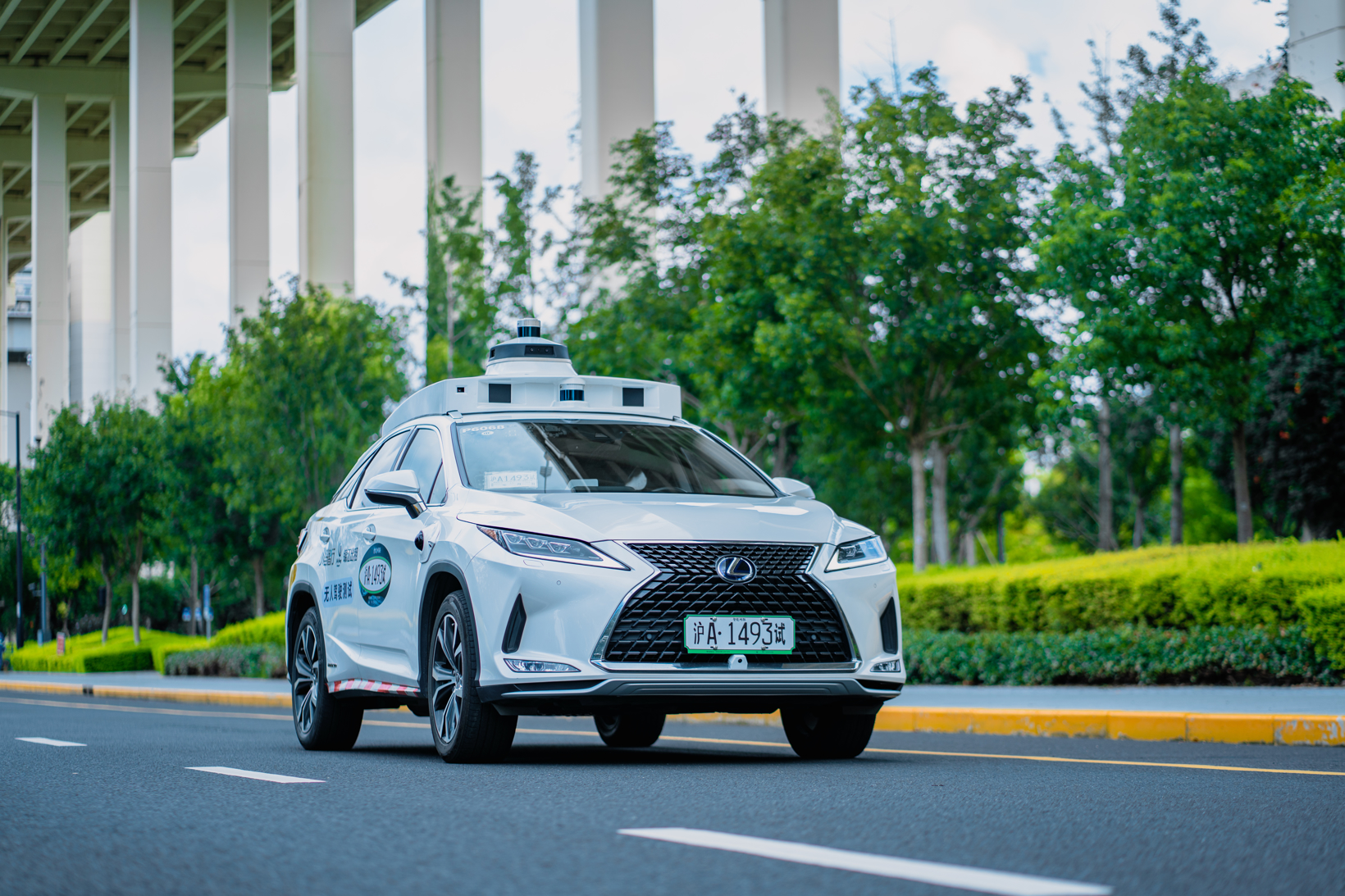
Photo Source: Pony.ai
(2) Silicon Valley — The Symbol of Technology and Paradigm Shift
Silicon Valley is the global cradle of innovation. It is not known for the volume of cars it produces, but it has redefined what a "car" truly means — both in essence and in scope.
Tesla transformed the automobile from a means of transportation into a computing platform; Waymo and Cruise turned autonomous driving from imagination into reality; and technology giants such as NVIDIA, Intel, and Qualcomm have used computing power and algorithms to rewrite the vehicle's electronic architecture, propelling the industry from the era of horsepower into the era of computing power. With AI, chips, sensors, and operating systems at its core, Silicon Valley has built the technological paradigm of the intelligent vehicle.
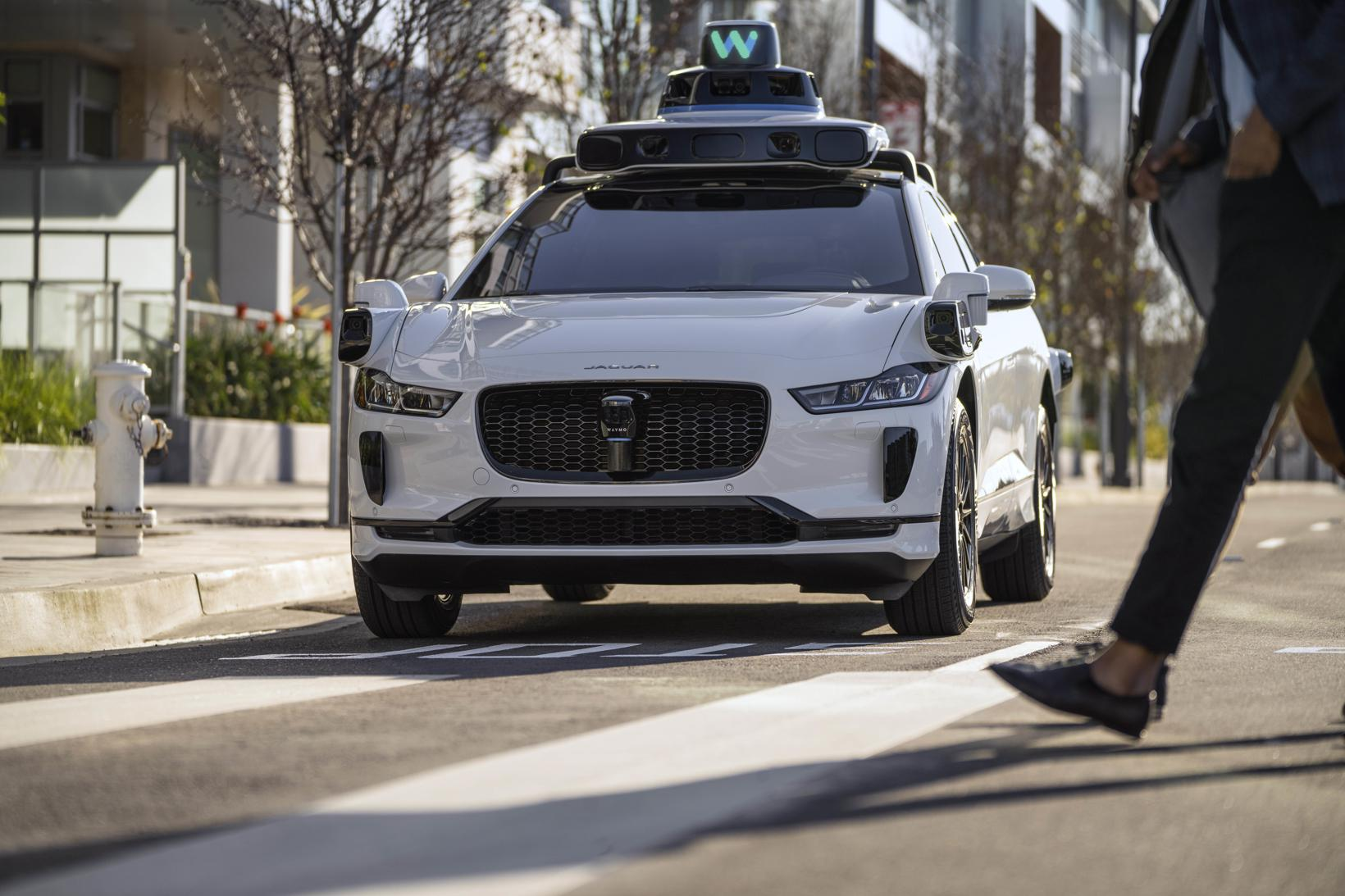
Photo Source: Waymo
However, the Silicon Valley model also reveals a key contradiction — high technology but low conversion efficiency. Robotaxi operations have struggled to achieve profitability, and fully autonomous driving remains stalled by regulatory hurdles. The commercial barriers to large-scale deployment are still far from being overcome. Innovation moves fast, but industrial implementation lags behind. The value of a single intelligent driving system can even exceed half of a vehicle's total profit margin — and that highlights Silicon Valley's limitation: technologically advanced, but slow to scale; visionary in concept, yet prohibitively expensive in practice.
Meanwhile, on the other side of the world, Chinese companies are turning these ideas into reality. Horizon Robotics and Black Sesame Technologies have achieved domestic chip production and localization; Huawei ADS and Momenta's assisted driving solutions have entered large-scale vehicle integration and mass deployment; and Baidu Apollo's "Robotaxi" service and Pony.ai are already conducting pilot operations in cities such as Shenzhen, Wuhan etc.
In terms of algorithms, computing power, and scenario integration, Chinese companies have evolved from followers to fast-iterating practitioners. In a sense, Silicon Valley may be the brain of technology — but China is becoming its muscle, turning conceptual breakthroughs into scalable industrial realities.
(3) Munich — The Symbol of Regulation and Order
Munich is the rational core of Europe's automotive industry. Here, brands like BMW, Mercedes-Benz, and Audi continue the German legacy of engineering precision and regulatory discipline. They still possess powerful engineering systems and enduring brand equity — but their true global influence still lies in rule-making.
In recent years, the European Union has successively introduced a series of new regulations: R155 and R156, which govern vehicle software cybersecurity and over-the-air updates; the Battery Regulation, requiring full lifecycle traceability and carbon footprint disclosure; the Carbon Border Adjustment Mechanism (CBAM), which imposes "carbon tariffs" on high-emission imports; and the GDPR, designed to protect personal data privacy.
Through these "new rules," Europe seeks to preserve its traditional industrial advantages — measures such as battery carbon footprint auditing, supply-chain traceability, and sustainable production certification are all creating new entry barriers for the global automotive industry.
When entering the European market, Chinese companies face not only competition, but also an entirely new regulatory framework. The essence of these regulations is to transform compliance standards into market barriers. Europe aims to extend its global industrial influence through institutional power. In this process, the ability to understand, integrate into, and even participate in rule-making has become a new challenge for Chinese enterprises going global. For Chinese companies, this is both a challenge and a ticket of entry into Europe's high-end market. Competition is no longer just about price and product configuration — it now depends on systemic capability:ESG performance, compliance systems, and supply-chain transparency etc.
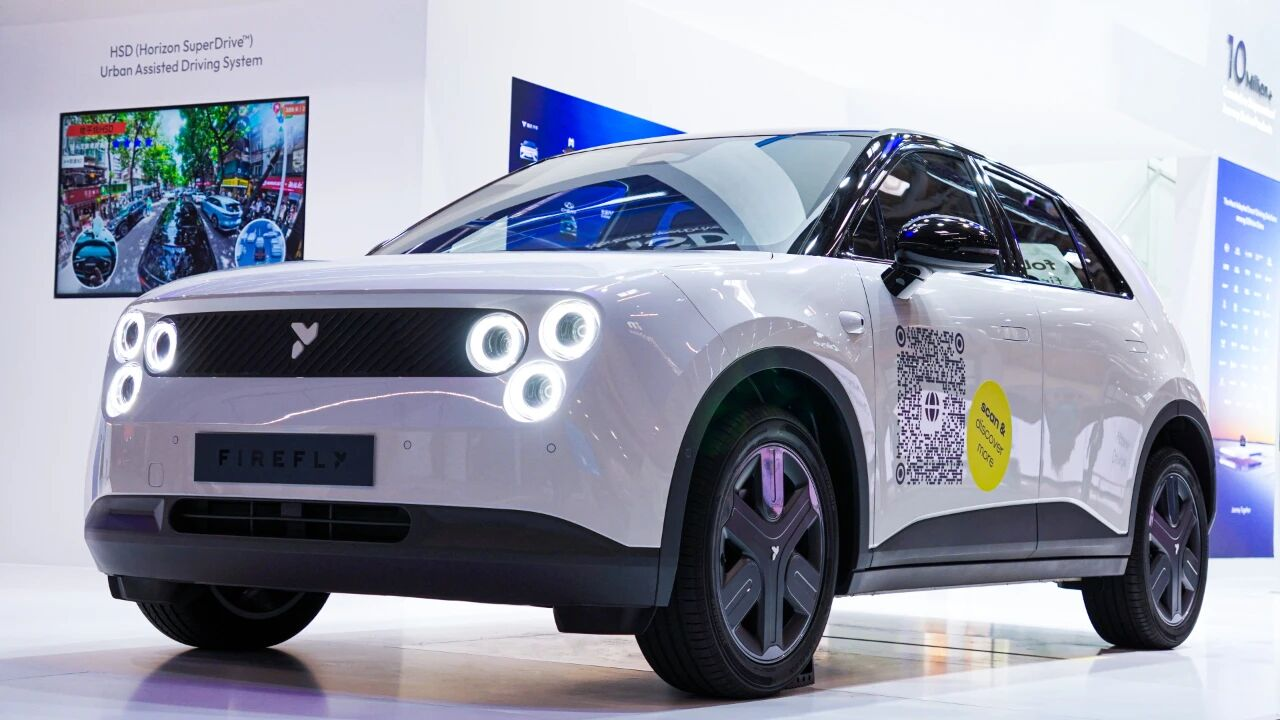
NIO's European-spec firefly model; photo Source: Horizon Robotics
4. The Three-Pillar Resonance — China's Global Coordinate
When we place these three cities on the same map, a clear pattern of three distinct forces emerges:
Silicon Valley holds the power of technological standards — the origin of innovation;
Munich commands institutional standards — the center of order;
Shanghai drives speed and scale — the engine of industrialization.
These three forces are shaping a new global equilibrium. Their relationship is not zero-sum, but synergistic: Silicon Valley's innovation requires China's industrial execution; Europe's standards rely on China's large-scale implementation; and China's system, in turn, benefits from the integration of advanced technology and global regulatory norms. For the first time, China's role has shifted from being at the manufacturing end of the global value chain to becoming the core hub of innovation and supply.
Chinese automakers are no longer just exporters of products — they are emerging as participants in technology, capital, and standard-setting. From Chery to BYD, from CATL to Huawei, China's automotive industry is transforming manufacturing capability into system capability.
This geographical shift signifies that the future automotive world will no longer have a single dominant center, but will instead be defined by a multi-polar resonance anchored in Shanghai, Silicon Valley, and Munich — with China, for the first time, becoming both a participant and a shaper of the new global automotive order.
This is "Tina's Talk."
In our next episode, EP3:Supply Chain Divides:How Deopolitics is reshaping the Global Auto Industry.
Written by Xiaoying Zhou — CEO and Editor-in-Chief, Gasgoo International