



Gasgoo Munich- On April 8, Avatr Technology unveiled two new sedans in Chongqing in rapid succession. The flagship new Avatr 12 hit the market with a starting price of 293,900 yuan. Meanwhile, the all-new Avatr 06T opened pre-orders starting at 229,900 yuan. Together with the existing Avatr 06, these models form a complete sedan lineup spanning the 250,000 to 500,000 yuan price bracket.
Beneath the fanfare of the launch, however, lies a strategy that demands industry attention: Avatr isn't simply rolling out new metal. Instead, it is leveraging differentiated positioning, technology trickle-down, and scenario-based definitions. This builds a more layered product matrix in an increasingly crowded high-end smart EV sedan market.
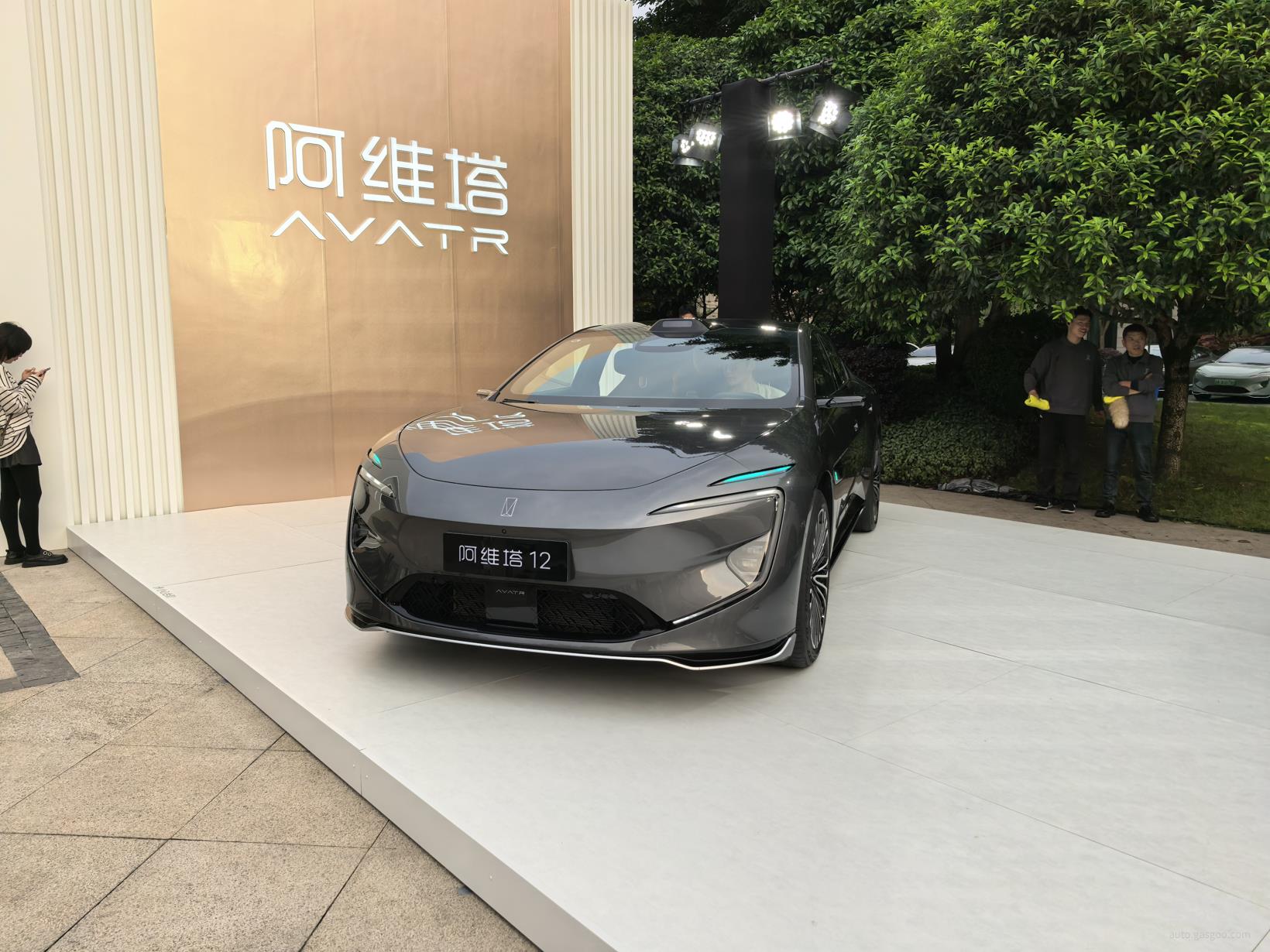
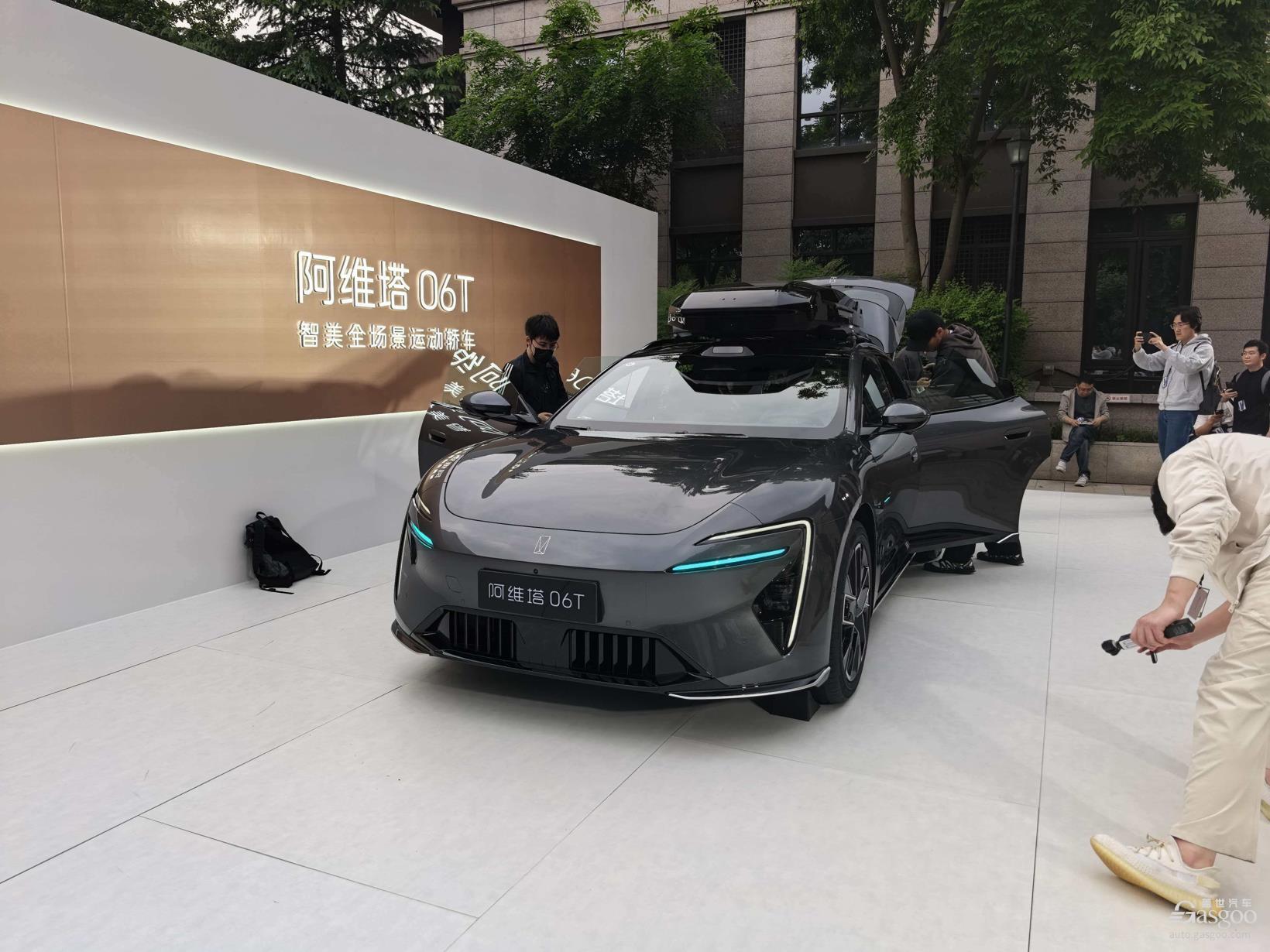
Image Source: Gasgoo
Product Positioning Divergence: Flagship and Scenario, Two Parallel Paths
While both the new Avatr 12 and the Avatr 06T fall under the sedan category, their underlying product logic differs markedly.
The new Avatr 12 follows the "flagship luxury sedan" trajectory. Every trim comes standard with 12 features typically found in vehicles costing over 1 million yuan. Key features include the Huawei Qiankun Intelligent Driving System and Taihang distributed electric drive. It also boasts a 35.4-inch 4K panoramic screen and a 25-speaker Meridian audio system. Safety is ensured with nine airbags.
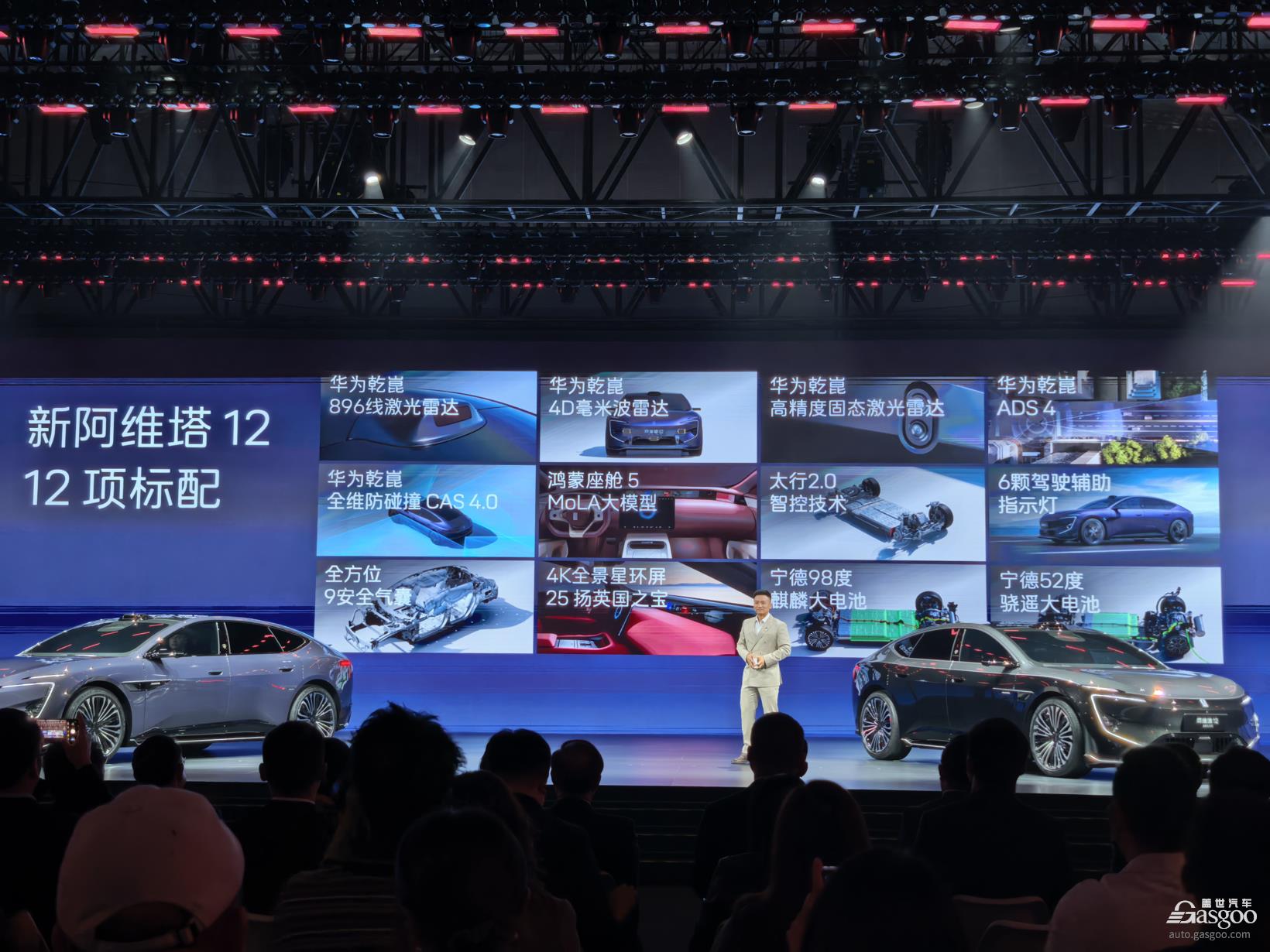
Image Source: Gasgoo
This strategy of "fully loaded at entry" aims to remove the friction of choosing luxury options. It positions the car directly against mid-to-high-trim models from traditional luxury marques.
The Avatr 06T, meanwhile, is positioned as an all-scenario sports sedan that emphasizes a blend of performance and versatility. Its base model comes standard with a dual-motor rear-drive setup. Yet, the car makes no significant compromises on range, space, or intelligent driving. This reflects a dual nature of sportiness and practicality.
This "flagship plus scenario" two-car combo effectively creates complementary appeal across customer segments. The new Avatr 12 targets business or family users with high demands for luxury, comfort, and intelligence. Meanwhile, the Avatr 06T is designed to draw younger users and lifestyle pioneers. It appeals to those seeking a balance of driving pleasure, performance, and daily utility.
Tech Configuration Strategy: Standardization and Differentiation Empowered by "Giants"
Avatr's dual launch reveals a clear trend toward "standardization" in technical specifications, even as it achieves differentiation in key performance areas.
Both models are equipped with the Huawei Qiankun ADS 4.1 system, an 896-line dual-optical-path image-grade LiDAR, and the CAS 4.0 omni-directional collision avoidance system. This means features like L2+ city NCA, highway NCA, and automated parking are now standard across the Avatr sedan lineup, rather than reserved for top-tier trims.
This strategy of "democratizing intelligent driving" remains rare in the current market. Most brands reserve advanced driver-assistance features for expensive add-on packages or top-tier models. However, Avatr is lowering the barrier to entry for users. This simultaneously reinforces its brand identity as a leader in intelligence.
On the powertrain front, the Taihang distributed electric drive serves as the core technology for both vehicles. With a cycle efficiency exceeding 92.8%, the tri-motor version can accelerate from 0 to 100 km/h in just 2.71 seconds. Notably, the system isn't solely about raw performance; it balances efficiency with power, demonstrating strong control over range loss.
The new Avatr 12 also features Ferrari-style electromagnetic suspension. It offers full-range stepless adjustment with a response rate of 1,000 times per second. This configuration is rarely seen in sedans priced under 500,000 yuan.
For batteries, CATL has supplied differentiated solutions for the duo. The pure-electric version of the new Avatr 12 houses a 98 kWh Qilin 6C supercharging battery. It is capable of a 30% to 80% charge in just 10 minutes. Meanwhile, the extended-range version features a 52 kWh Xiaoyao battery offering 350 km of electric range. The Avatr 06T, meanwhile, introduces an 89.33 kWh 5C Shenxing supercharging battery, delivering a pure-electric range of 741 km.
In terms of pricing, the new Avatr 12 ranges from 293,900 to 433,900 yuan, while the Avatr 06T is priced between 229,900 and 279,900 yuan. Combined with the existing Avatr 06, these three models establish a complete price band stretching from 200,000 to nearly 450,000 yuan.
This bracket represents the most fiercely contested battleground in China's high-end electric sedan market. Heavyweights like the Tesla Model 3, ZEEKR 001, NIO ET5, XPENG P7i, and BYD Han have all massed forces here. Avatr's strategy is not to engage in a simple price war, but to carve out a differentiated breakthrough through technology trickle-down and scenario segmentation.
For instance, the base model of the new Avatr 12 comes equipped with advanced driver-assistance and premium audio. This directly challenges the expectations of buyers in the 300,000 yuan segment. It offers both luxury and technology.
Yet, the most significant takeaway for the industry behind these launches is the product realization capability of Avatr's "Changan + Huawei + CATL" tripartite alliance. Changan provides vehicle manufacturing, chassis tuning, and supply chain management; Huawei delivers the smart cockpit, driver-assistance systems, chips, and algorithms; while CATL underpins battery technology, safety standards, and production capacity.
This deep integration of an "OEM, tech giant, and battery behemoth" remains rare in China's NEV sector. It enables Avatr to close the loop from technology definition to product realization rapidly, boasting industry-leading capabilities in core electrification, intelligence, and manufacturing processes.
The challenges, however, are equally distinct.
First is cost control. The integration of technology from three giants inevitably drives up BOM costs. Whether Avatr can maintain competitive pricing while achieving profitability remains to be seen. Second is brand perception. Compared to new forces like NIO, XPENG, and Li Auto, Avatr's positioning in the consumer mindset is not yet distinct. Whether it can sustain market momentum following this dual launch will depend on subsequent deliveries, user experience, and the accumulation of word-of-mouth reputation.
Conclusion:
Overall, Avatr's dual launch signals a new phase for China's high-end smart electric sedan market. This phase is defined by scenario-based competition rather than a spec-sheet war. It also emphasizes standard features rather than optional add-ons. Both the new Avatr 12 and the Avatr 06T demonstrate clear differentiation in product definition, technical configuration, and pricing strategy—underpinned by the deep synergy of Changan, Huawei, and CATL.
For the industry, Avatr's path may be difficult to replicate. However, its product philosophy of "tech democratization plus scenario segmentation" offers food for thought. This is relevant for any electric brand aspiring to the premium segment. As more players flood in, the domestic high-end sedan market is changing. It will no longer be a contest for a single blockbuster hit. Instead, it will be a comprehensive game involving product matrices, technology platforms, and user scenarios.


