



Gasgoo Munich- Volkswagen's Brand Night in Beijing on April 8 marked a pivotal shift: the automaker's "In China, for China" strategy is moving beyond the planning stage and into large-scale rollout.
The company unveiled its most aggressive electric roadmap yet: 13 new-energy models—spanning pure electric, plug-in hybrid, and extended-range technologies—will launch by 2026. The total count will surpass 30 new models by 2029. With three core products debuting simultaneously, Volkswagen is accelerating its transition from playing catch-up to leading China's NEV market.
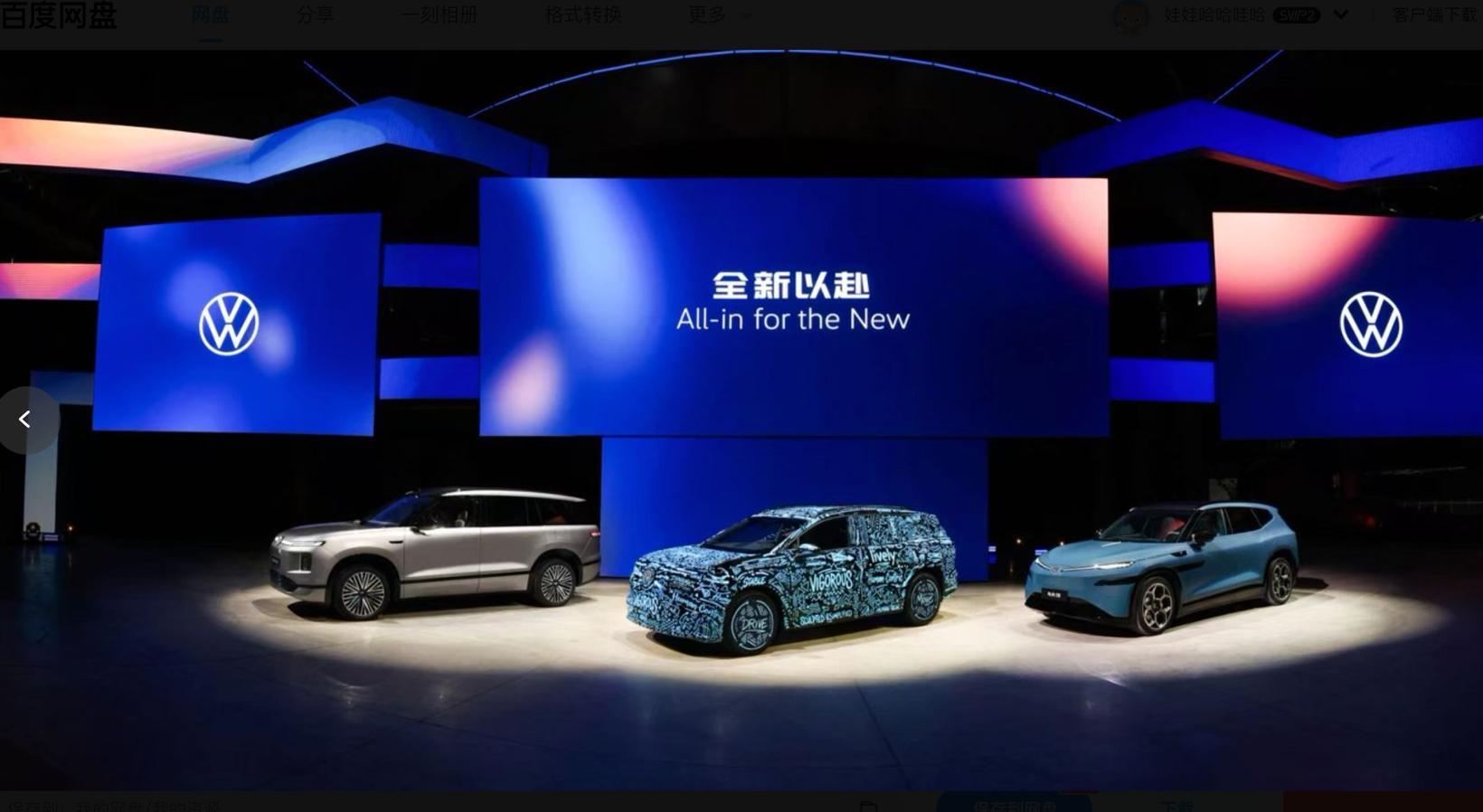
Image Credit: Volkswagen
Having cultivated the Chinese market for over four decades and amassed more than 47 million users, Volkswagen is centering this offensive on three pillars. On the product front, the 13 models arriving by 2026 will blanket mainstream market segments.
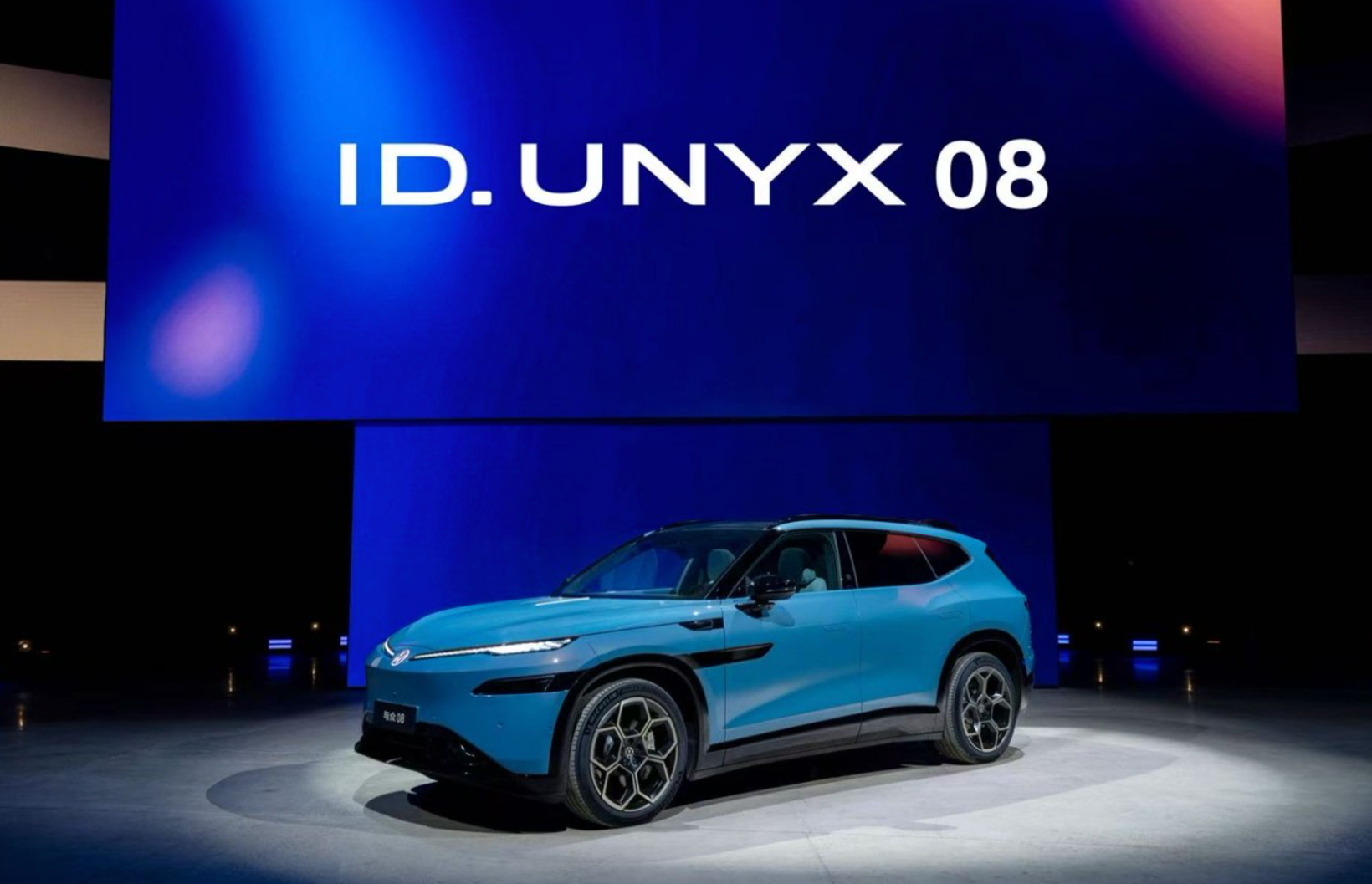
Image Credit: Volkswagen
Pre-sales have already begun for two key players: Volkswagen Anhui's ID. UNYX 08 and SAIC Volkswagen's ID. ERA9X. The ID. UNYX 08 marks Volkswagen's first full-size pure electric SUV built on an 800-volt architecture, offering 730 kilometers of CLTC range and the ability to recover 150 kilometers of range in just five minutes of charging. Priced between 239,900 and 299,900 yuan, it hits the market on April 16;
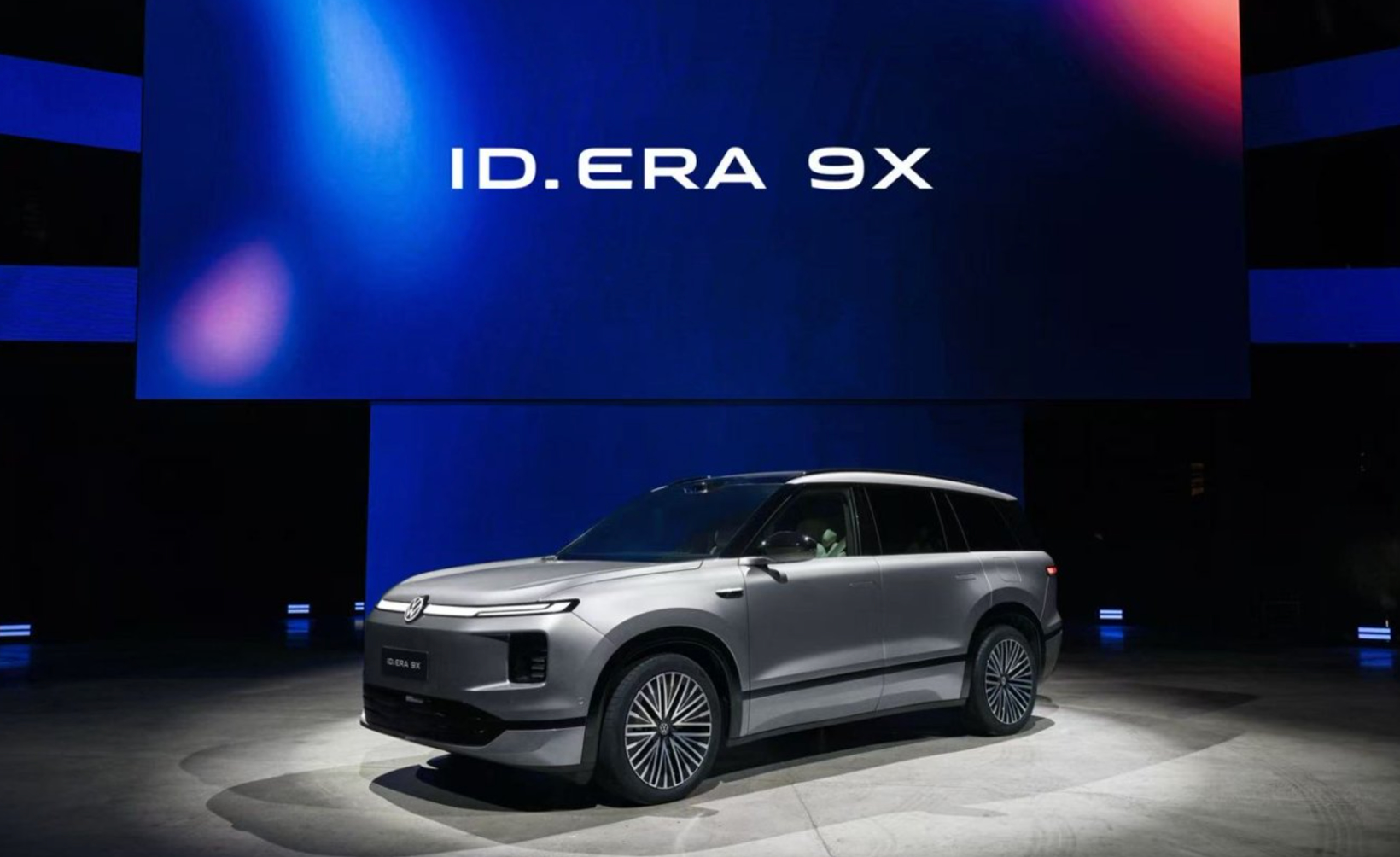
Image Credit: Volkswagen
The ID. ERA9X, meanwhile, is a full-size extended-range SUV with a pure electric range exceeding 400 kilometers and a combined range topping 1,600 kilometers. It carries a pre-sale price of 329,800 to 379,800 yuan and launches on April 25.
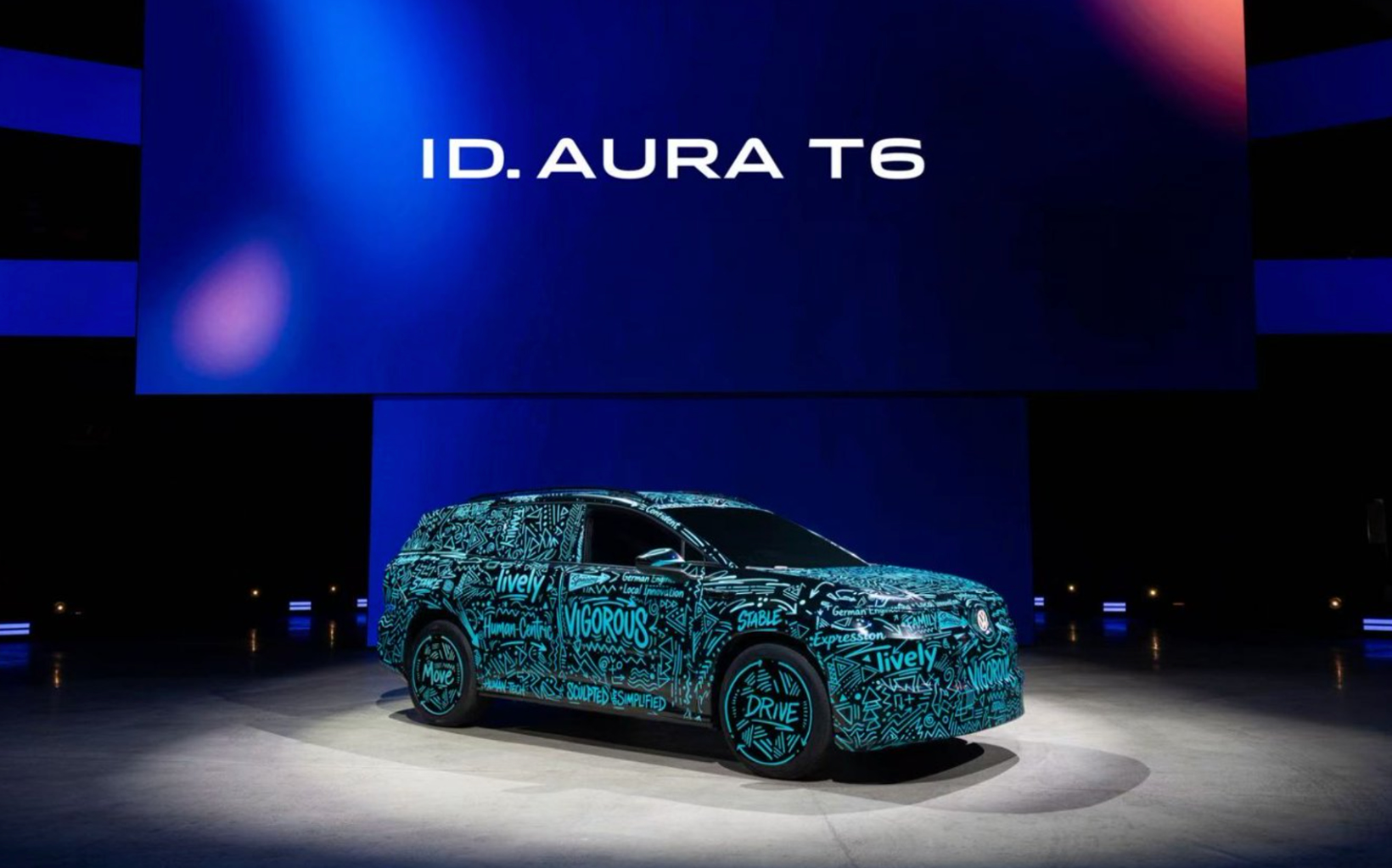
Image Credit: Volkswagen
FAW-Volkswagen's ID. AURA T6 also made its debut. Built on the localized CEA (China Electronic Architecture) and featuring enhanced Level 2 driver assistance, the model will be officially showcased at the Beijing Auto Show.
On the joint venture front, Volkswagen is integrating its three main entities—Volkswagen Anhui, SAIC Volkswagen, and FAW-Volkswagen—into a differentiated yet collaborative matrix. Volkswagen Anhui is targeting younger demographics and plans to launch three ID. UNYX pure electric models by 2026. SAIC Volkswagen will lead with its ID. ERA lineup, rolling out six new-energy models across various powertrain types this year. FAW-Volkswagen, relying on the ID. AURA series, will focus on the family market with four new-energy models this year. All three sequences will carry the unified "ID." badge, creating a brand image that is both distinct and cohesive.
Technologically, Volkswagen is anchoring its strategy on "human-centric innovation," driving localized R&D through its Volkswagen (China) Technology Company in Hefei. With an investment of roughly 3.5 billion euros and a team of over 3,000 experts, combined with resources from joint ventures, the company now boasts more than 7,000 R&D personnel in China. This forms the automaker's largest R&D system outside Germany, capable of full-stack development ranging from electronic architecture and battery systems to smart cockpits and driver assistance. The result: product development cycles have been slashed to 24 months.
The company also introduced two major technology frameworks—"Xingyun Smart Driving" and "Yunqi Smart Cockpit"—blending German manufacturing standards with Chinese intelligent technology to sharpen product competitiveness.
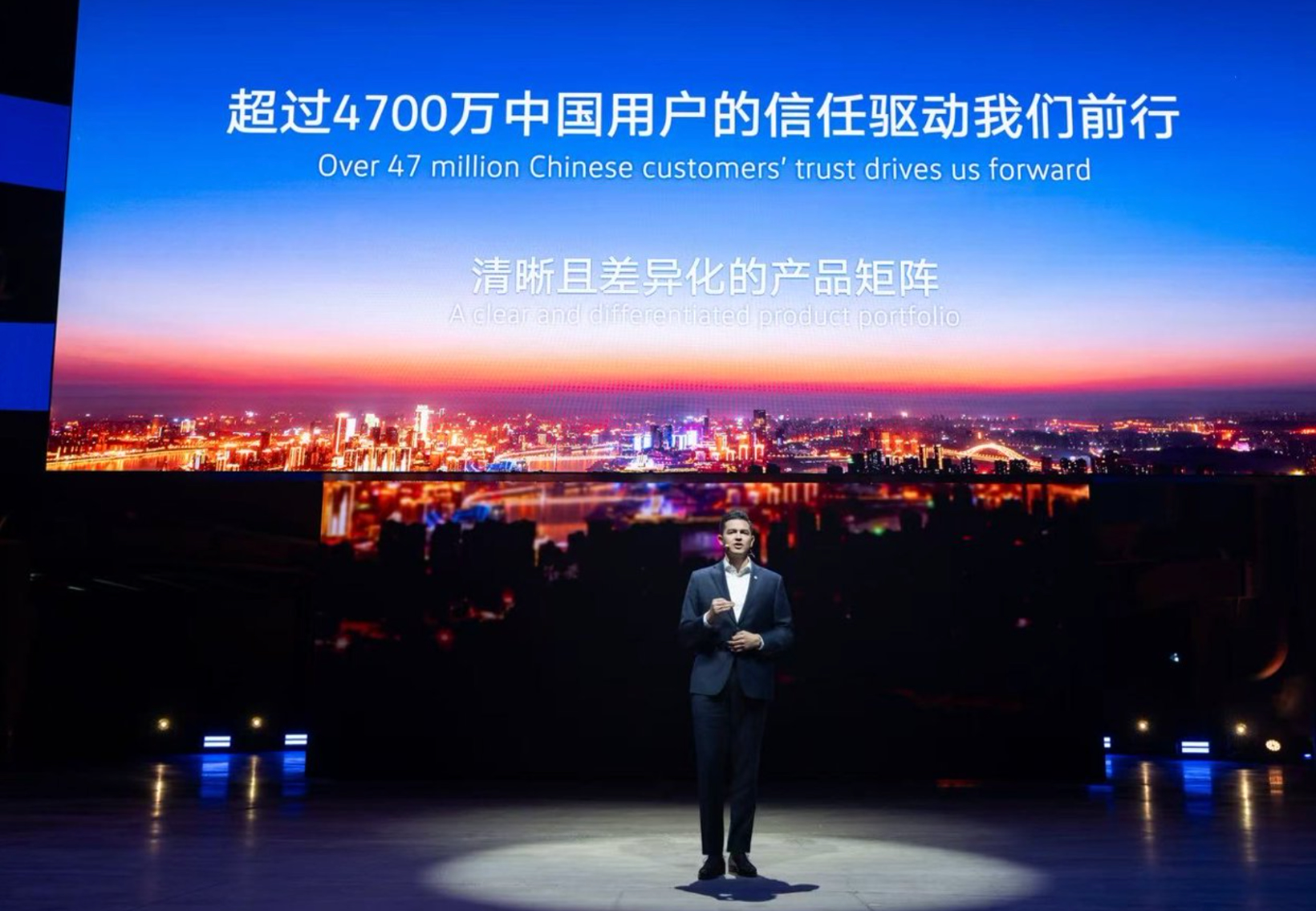
Image Credit: Volkswagen
Thomas Schäfer, CEO of the Volkswagen Passenger Cars brand, noted that China remains the company's largest single market and a bellwether for the global auto industry. He described this product offensive as one of the largest strategic deployments in the brand's history. Ralf Brandstätter, also a CEO of the brand, emphasized that the fusion of German engineering and local innovation creates a competitive edge, adding that Volkswagen plans to meet the diverse needs of Chinese users through a diversified powertrain lineup.
The signals from Brand Night are clear: amid fierce competition in China's NEV market, Volkswagen is accelerating its transformation through a high density of product launches, full-spectrum localized R&D, and a differentiated joint venture structure. With three core models hitting showrooms soon and dozens more on the way, this automotive giant is reshaping its electric landscape through pragmatic product and technology strategies. The success of this rollout will serve as a key benchmark for international automakers navigating their own transitions.


