



Gasgoo Munich- The new-gen Robotaxi R2 model, jointly developed by DiDi Autonomous Driving and GAC AION, recently obtained a road testing license in Beijing. The approval follows a similar testing permit granted in Guangzhou earlier this January, allowing the vehicle to continue validating its autonomous driving capabilities in increasingly complex urban environments.
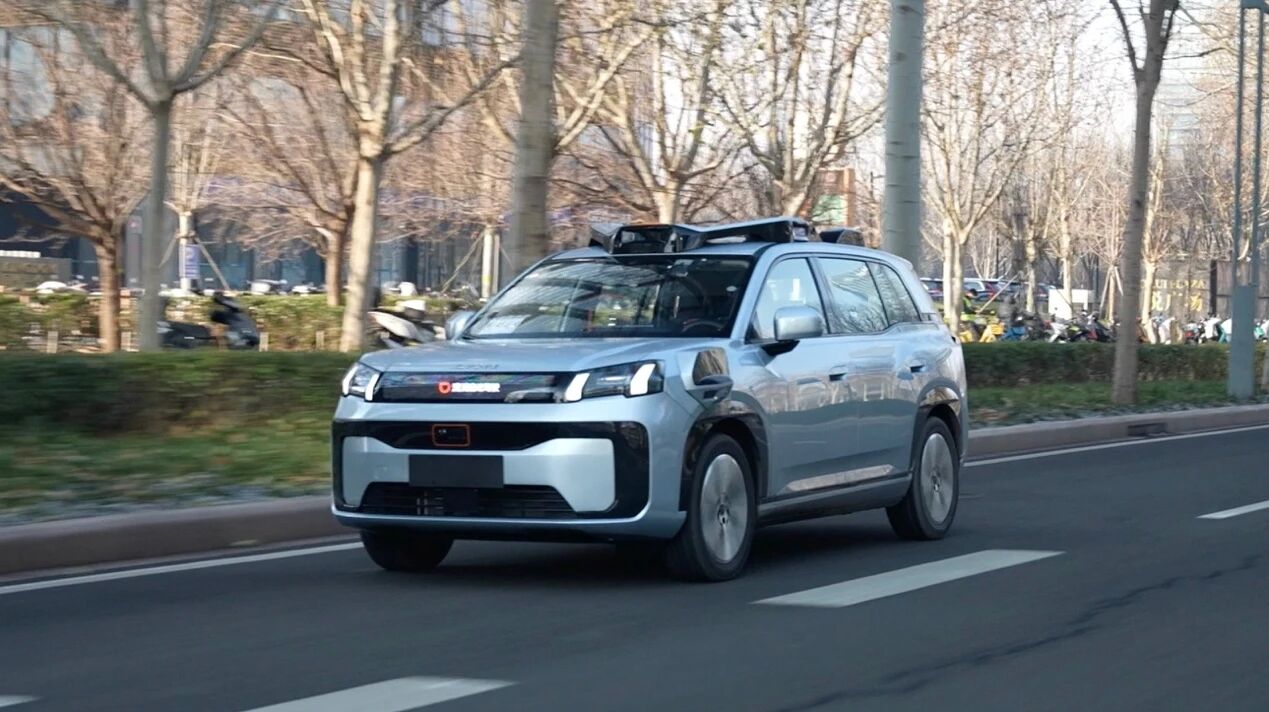
Image source: DiDi Autonomous Driving
The R2 represents a key milestone in the collaboration between the two companies and was officially delivered in January this year. The vehicle integrates DiDi's Level 4 autonomous driving stack—spanning both software and hardware—with GAC AION's expertise in intelligent vehicle manufacturing. Designed specifically for driverless ride-hailing operations, the Robotaxi platform aims to enhance reliability while reducing production costs. The model also features upgrades in both in-cabin experience and autonomous driving performance, with the goal of supporting future large-scale deployment.
Beijing is among the first cities in China designated to pilot coordinated development between smart city infrastructure and intelligent connected vehicles. Local authorities are working to build a globally competitive hub for connected and new energy vehicles. Within this framework, DiDi Autonomous Driving has already been conducting fully driverless passenger tests using modified Volvo XC90 vehicles in selected areas of Beijing and Guangzhou, where the system has demonstrated stable and safe performance. The introduction of the R2 into Beijing's testing program is expected to further refine the company's autonomous driving technology while expanding real-world applications in the city's emerging smart mobility ecosystem.
In October 2025, DiDi Autonomous Driving announced the completion of a Series D financing round totaling 2 billion yuan. The round included participation from multiple government-backed and industry investors, including funds linked to Zhongguancun Science City and Beijing's artificial intelligence industry initiatives, along with GAC Group and DiDi itself. The funding is expected to support continued investment in AI research and development as the company works to gradually expand autonomous driving operations and commercialization.


