



Gasgoo Munich- At a technology event held on March 4 by the Harmony Intelligent Mobility Alliance (HIMA), the SAIC brand backed by both SAIC Motor and Huawei revealed two new models positioned for China's upper-midrange electric vehicle market. The Z7, a technology-focused fastback sedan, made its debut at the event, while the company also released official images of the Z7T, a shooting-brake variant.
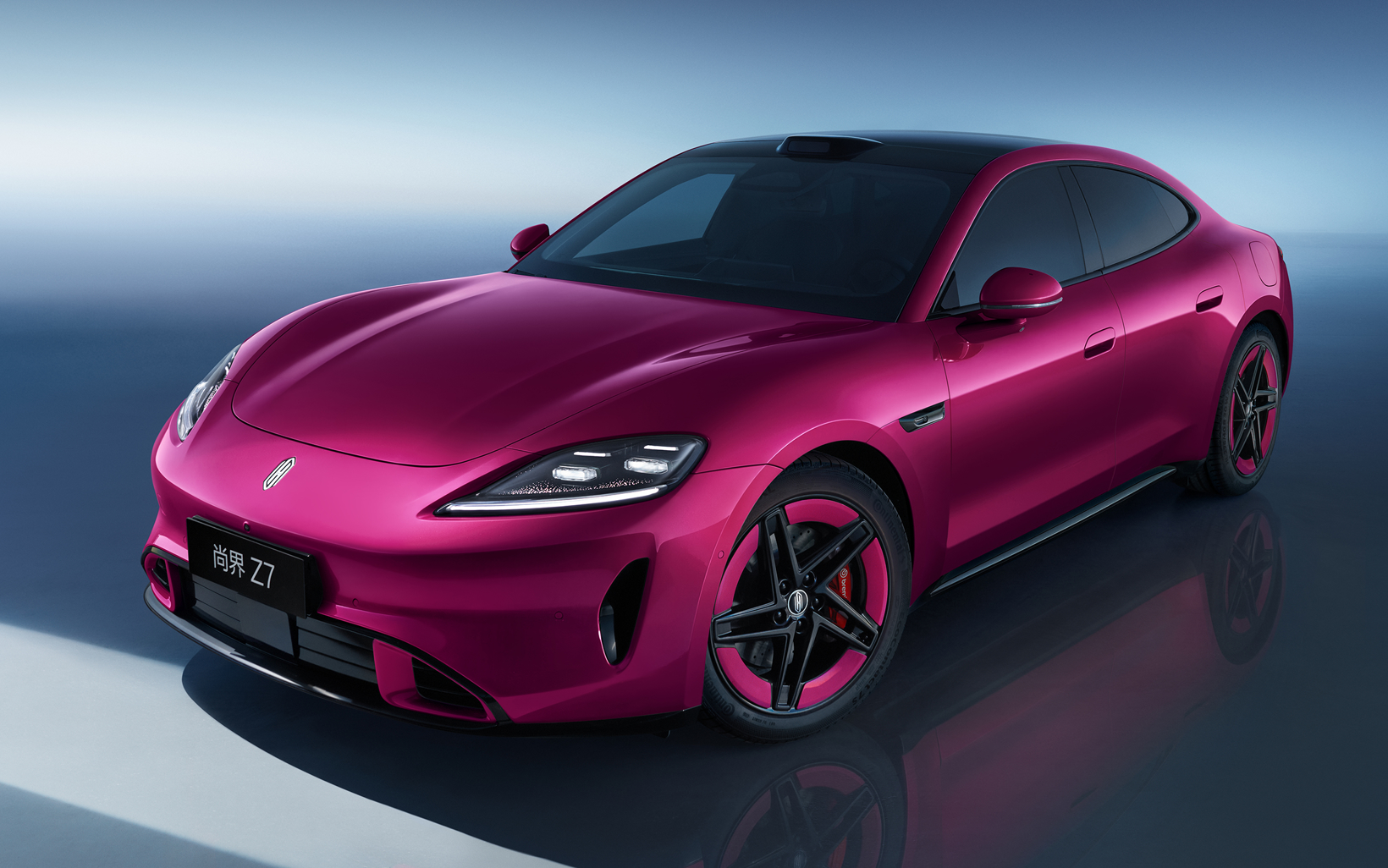
Image source: HIMA
Both vehicles are scheduled for a formal market debut later in March and signal SAIC's ambitions to compete in China's increasingly crowded 250,000–350,000 yuan new energy vehicle segment.
The Z7 and Z7T form a two-model strategy aimed at younger premium buyers. Developed under the HIMA ecosystem, the vehicles combine intelligent technologies from Huawei with manufacturing capabilities from SAIC Motor.
While sharing core technologies, the two models adopt distinct body styles and positioning, allowing the lineup to address different lifestyle preferences within the same target demographic.
The Z7 is positioned as a mid-to-large fastback sedan and is intended to serve as a flagship product for the brand's push upmarket. Its design and feature set focus on style, performance, and digital technology, targeting young professionals seeking a blend of premium aesthetics and advanced connectivity.
Styling emphasizes a wide, low-slung stance typical of modern electric coupes. Aerodynamic details such as an active grille and front air curtains help manage airflow, while the headlight design creates a dynamic lighting signature intended to enhance the vehicle's visual identity.
To appeal to younger consumers, the Z7 will be offered in nine exterior color options, including several newly developed finishes designed to highlight the model's sporty character.
Inside, the cabin introduces an interactive display concept featuring a movable multi-directional screen capable of rotating and adjusting position. The system supports a variety of in-car interaction scenarios, including personalized driver greetings, voice-based responses for passengers, and shared visual displays across the cabin.
A dedicated display area within the dashboard also allows occupants to place small decorative items, reinforcing the brand's effort to deliver a more customizable interior experience.
In terms of technology, the Z7 integrates Huawei's Qiankun ADS 4.0 driver-assistance system along with the company's Tuling chassis platform featuring air suspension. The vehicle also adopts a high-voltage 800V architecture paired with a battery system designed to enable rapid charging—adding approximately 200 kilometers of range in about five minutes under ideal conditions.
The all-wheel-drive version is capable of accelerating from zero to 100 km/h in about 3.9 seconds, while overall driving range exceeds 700 kilometers under the CLTC test cycle.
Alongside the Z7, the brand introduced the Z7T, positioned as the first shooting-brake model under the HIMA ecosystem. Together, the Z7 and Z7T create a coupe-and-wagon product pairing intended to broaden the lineup's appeal.
The Z7T carries over much of the Z7's design language but features a redesigned rear section with a more elongated roofline and expanded cargo area. A continuous taillight design and a distinctive green exterior finish further differentiate the model visually.
Technically, the Z7T shares many of the same core systems as the Z7, including Huawei's intelligent driving platform, the Tuling chassis architecture, and the battery system.
Full specifications for the shooting-brake variant have not yet been disclosed, with additional details expected to be released during the models' official debut later this month.


