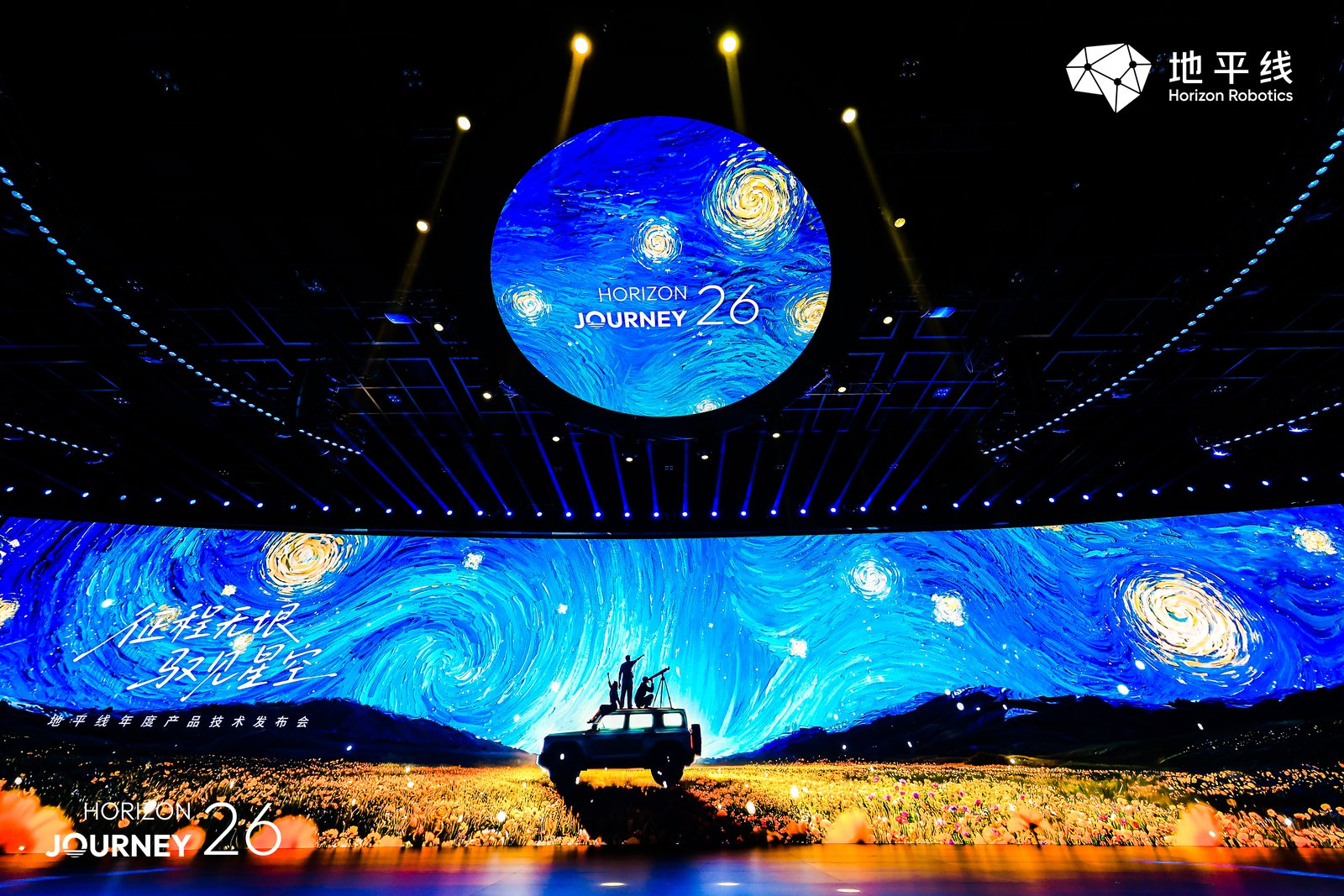
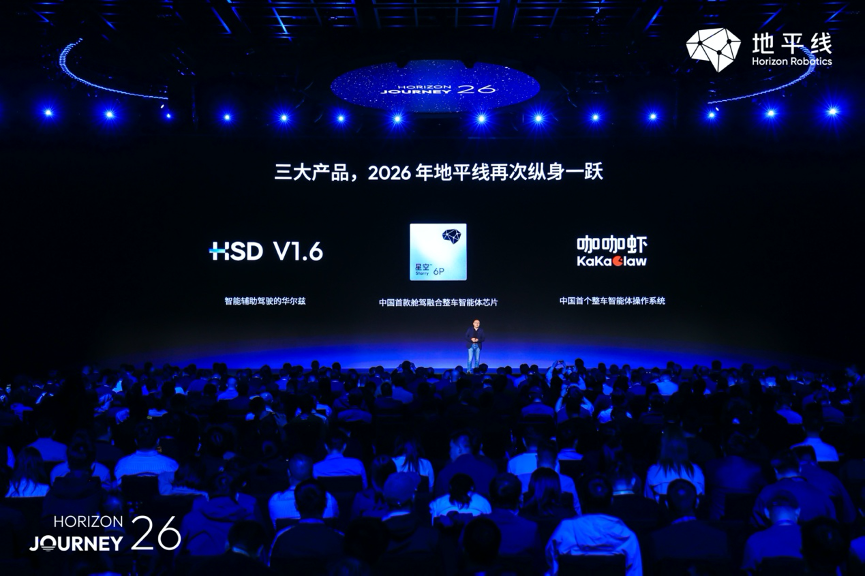
Gasgoo Munich- Horizon Robotics held its annual product and technology launch in Beijing on April 22 under the theme "Journey to the Stars." The company unveiled the Horizon Starry®, China’s first cabin-driving fusion chip for vehicle intelligent agents, alongside the KaKaClaw™ operating system—the first of its kind in the country. It also rolled out the HSD V1.6, an all-scenario assisted driving system.
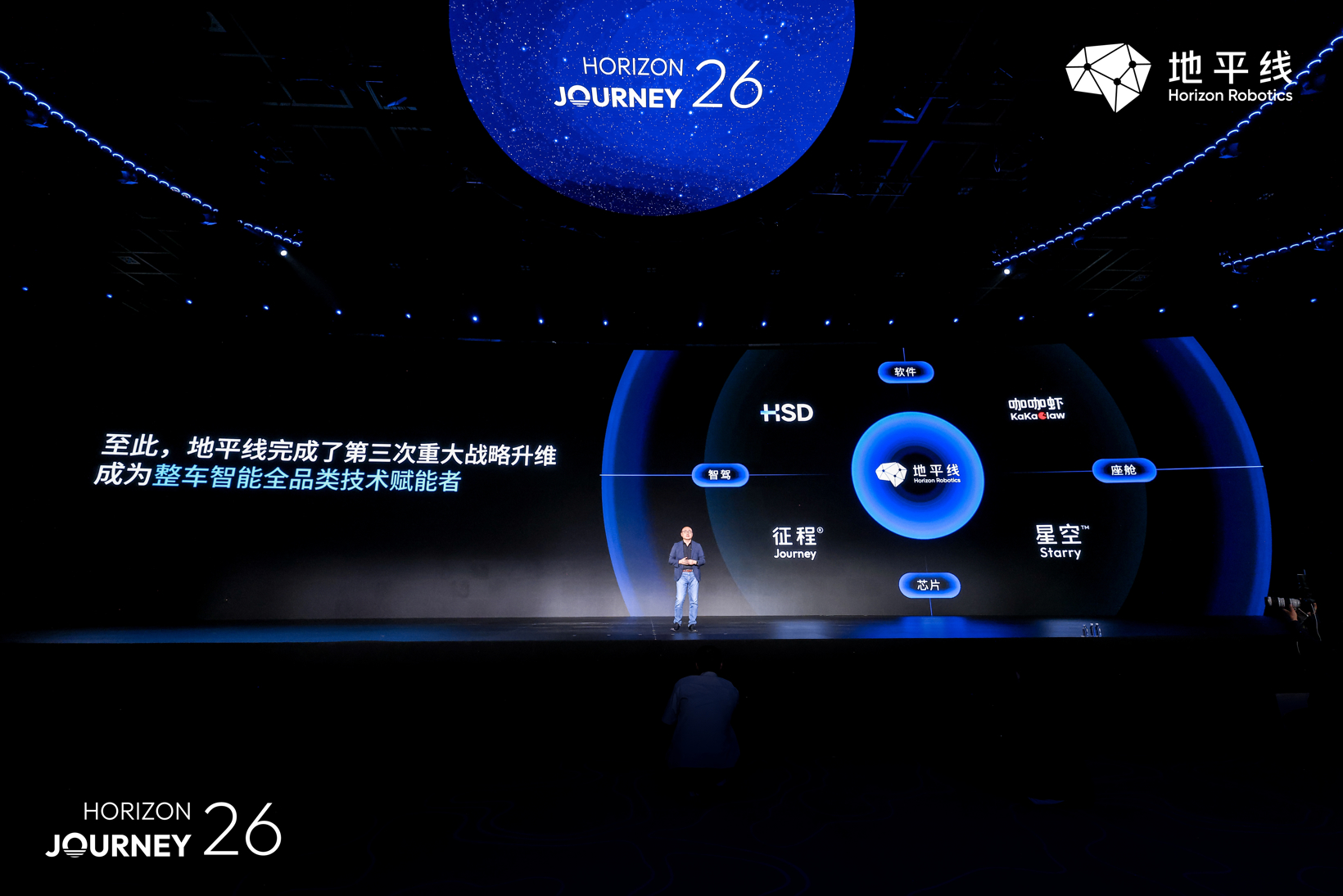
This launch marks Horizon’s completion of a strategic puzzle spanning chips to software, and smart driving to smart cabins. It has become one of the few industry heavyweights capable of mastering all four quadrants, laying the foundational computing platform and infrastructure for the evolution of smart cars into fully integrated vehicle intelligent agents.
At the event, Horizon founder and CEO Dr. Kai Yu delivered a keynote address. "Today’s triple launch—China’s first cabin-driving fusion chip, Horizon Starry®; the first vehicle intelligent agent OS, KaKaClaw™; and the HSD V1.6 assisted driving system—represents another major strategic leap for us," Yu said. "Horizon has evolved into a full-category technology enabler for vehicle intelligence."
Integration is the Unchanging Law of Computing: Starry Chip Ushers in the Central Computing Era
Integration is an immutable law in computing. As AI models converge, in-vehicle computing is heading toward deep integration as well. In the PC era, chips evolved by merging floating-point math, memory management, visual processing, and AI computing. Mobile chips have seen similar iterations, blending communication modules, image processing, and NPUs. Each fusion has defined an era. Today, in-vehicle computing is shifting from distributed architectures to centrally integrated AI processing—a transition that will ultimately birth the vehicle intelligent agent.
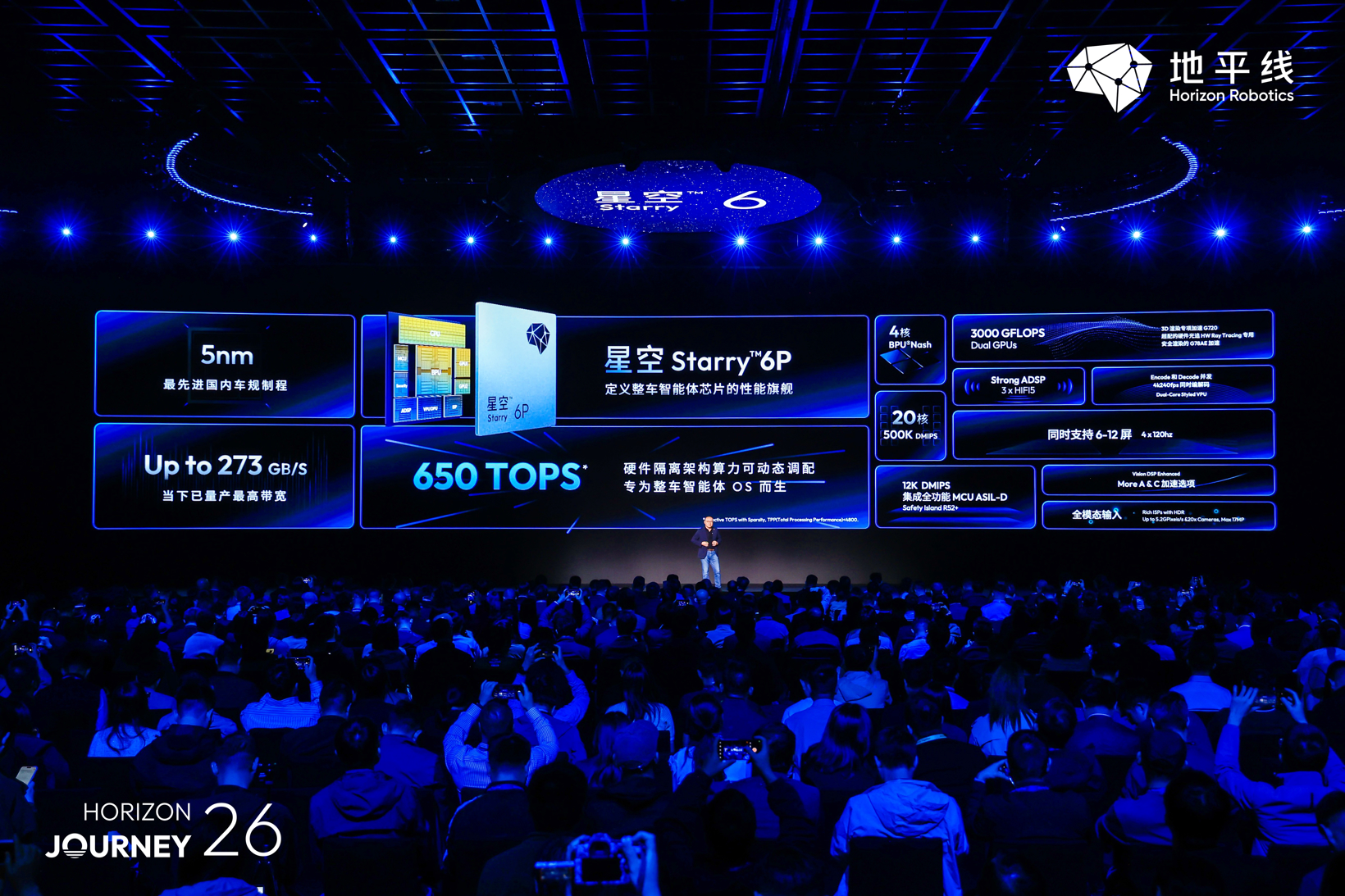
As a "new technological species," Horizon Starry® is set to overturn the traditional architecture that separates smart driving from the smart cockpit. Built on a 5nm automotive process, the Starry 6P chip delivers 650 TOPS of BPU computing power and 273 GB/s of memory bandwidth, enabling the simultaneous deployment of digital cockpit AI and large models for advanced assisted driving. By unifying memory architecture and underlying software, vehicle computing is moving from isolated domain controllers to central computing. This shift cuts space requirements by 50%, lowers per-vehicle costs by 1,500 to 4,000 yuan, and slashes R&D cycles from 18 months to eight. Delivery times for integrated cabin-driving software and hardware can be reduced by 56%.
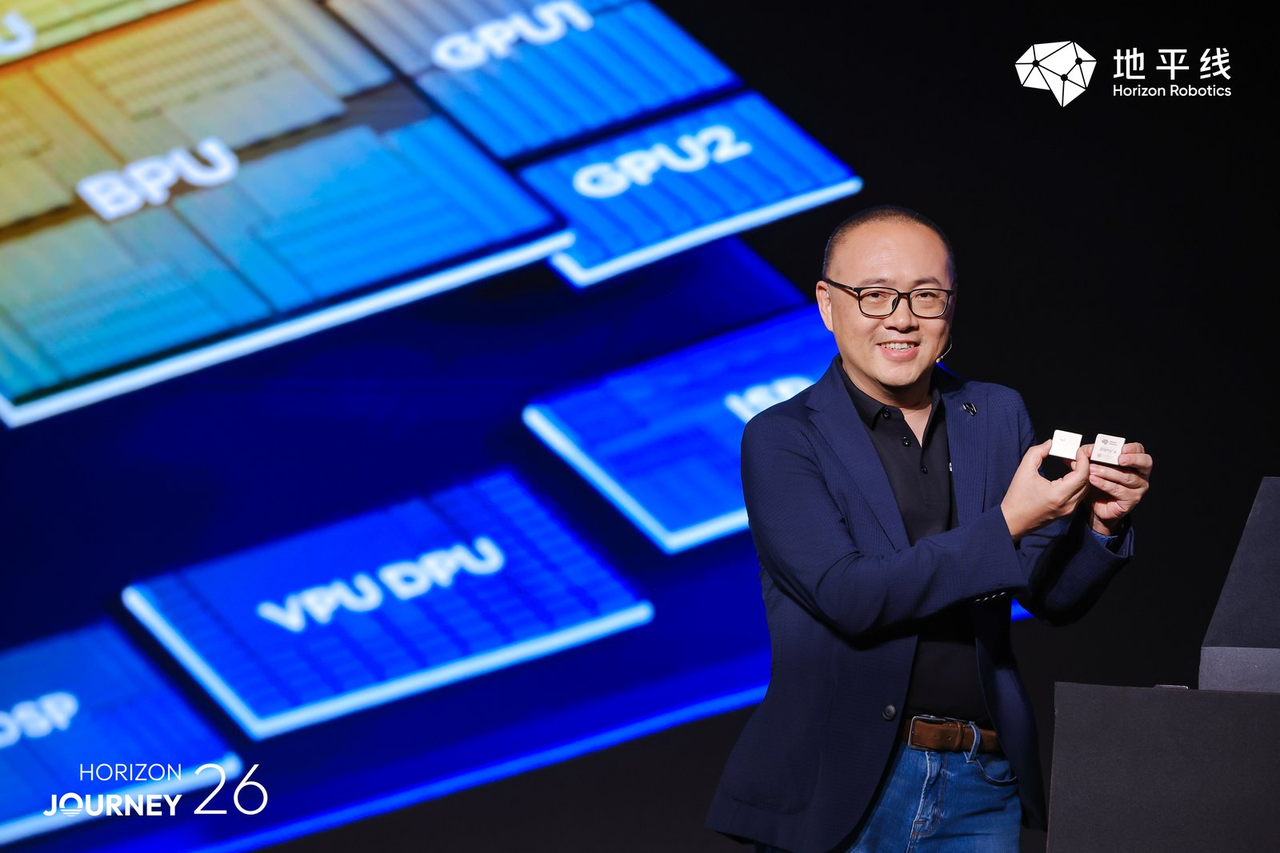
Safety is the non-negotiable standard for smart mobility. To solve the isolation challenges of fusing cabin and driving functions, Horizon pioneered the "Fortress" physical isolation architecture. This ensures the cockpit and driving systems operate independently and physically separated. The driving domain achieves the highest ASIL-D functional safety level, guaranteeing that a cockpit restart will not disrupt driving functions—ensuring safety is never compromised.
Horizon predicts that the shift from separation to fusion is inevitable in computing evolution. With the launch of Starry—China’s first cabin-driving fusion chip for vehicle intelligent agents—the company is redefining the performance benchmark. It gives the smart car a unified "most powerful brain" for the first time.
To date, the Starry chip has secured intended production partnerships with more than 10 automakers, including Volkswagen, Chery, and BYD, as well as several Tier 1 suppliers such as Bosch and Denso.
The Intelligent Agent is the Ultimate Form of Vehicle OS: KaKaClaw™ Gives the Car a "Soul"
In the intelligent era, the operating system acts as an agent connecting the user to the world—one that understands intent, orchestrates tasks, and manages hardware resources. The "Agent" is the optimal form for an automotive OS. A car’s operating system shouldn’t be a static software version; it should be an Agent that fuses smart driving with large-model capabilities.
As China’s first vehicle intelligent agent OS, KaKaClaw™ delivers a "Task-as-a-Service" interaction paradigm. Using natural language commands, users can simultaneously manage both driving and cockpit functions. Physical agents, digital agents, and edge-cloud large models respond in sync, with core functions deployed locally to cover every cabin and driving scenario.
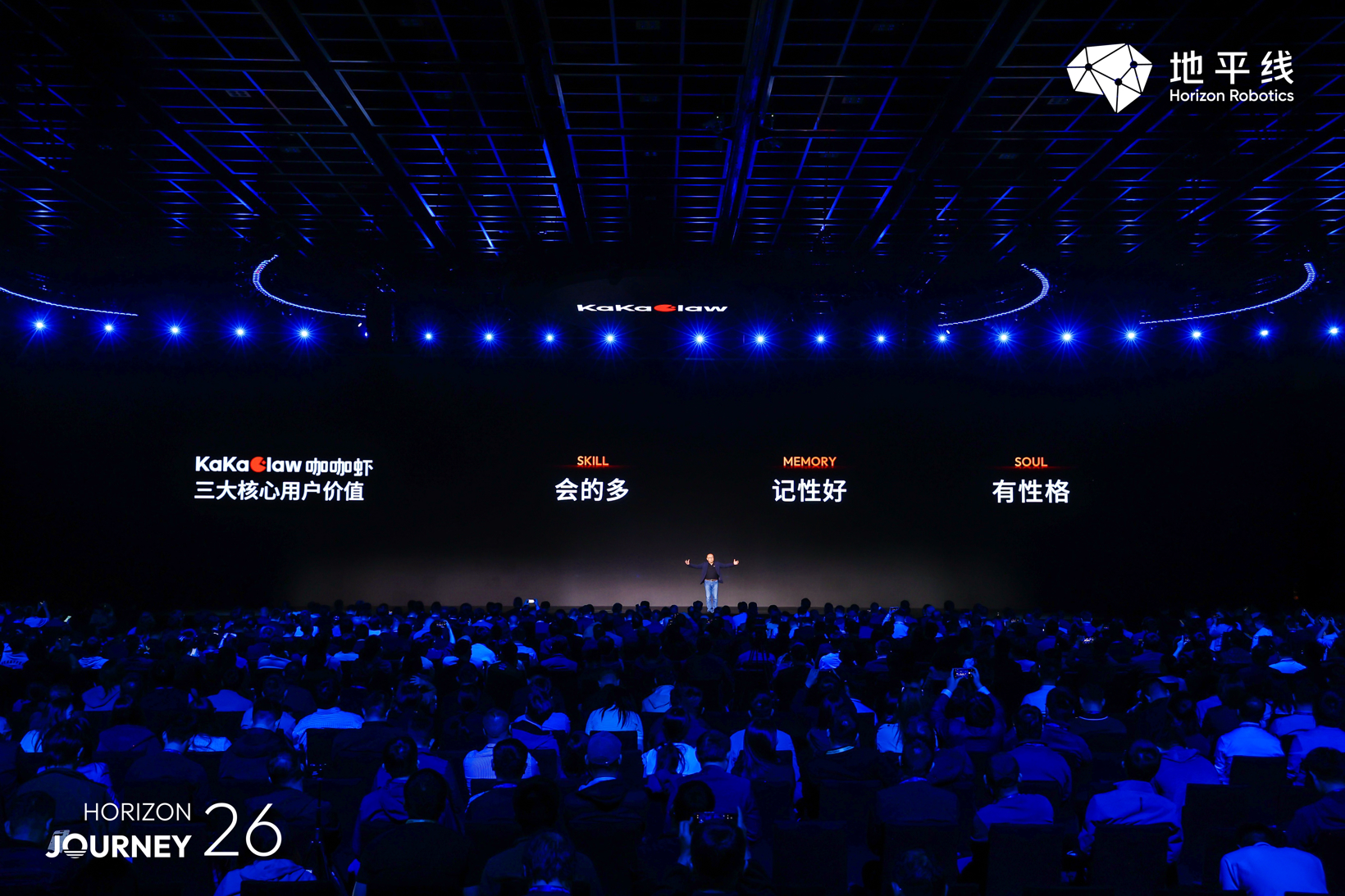
KaKaClaw™ boasts three standout features. First is "Personality": it supports multi-dimensional character settings, offering switchable personas like the "Pragmatist," "Confidant," or "All-Rounder," complete with dialect support and tone matching. Second is "Memory": a long-term memory system that continuously learns user habits to automatically generate custom scene skills, truly getting to know the owner better over time. Most impressive is "Capability": it doesn’t just execute tasks and entertain; it grows. It offers proactive care, allows for custom definitions, and upgrades its skill library on demand. Beyond built-in skills, users can create their own without coding—both official and user-generated skills can be shared, with the system automatically activating the optimal combination.
On security, the entire Skill ecosystem operates within an independent sandbox, physically isolated from external execution systems. A policy engine scrutinizes every permission, intercepting unauthorized calls by default. All tool invocations must pass security reviews, ensuring no unauthorized interaction between cloud models, vehicle controls, and third-party APIs. A Privacy Router manages all external channels, giving users clear visibility into every permission granted. User memories stay local to the vehicle, eliminating privacy concerns.
From "Showing Off" to "Peace of Mind": HSD V1.6 Performs the Waltz of Intelligent Driving
If KaKaClaw™ provides the car with a "soul," then HSD (Horizon SuperDrive™) is the central nervous system that allows that soul to drive safely and reliably. HSD is China’s first mass-produced one-stage end-to-end assisted driving system, marking the industry’s shift from rule-based driving to the end-to-end era.
In models where HSD is offered as a premium option, 77% of users actively chose the equipped version. Smart driving mileage has approached the critical 50% threshold—meaning a growing number of HSD users are willing to cede control to the machine. Building on this high trust, the new HSD V1.6 focuses on a core question: how to earn the user’s trust in daily life. The technical focus has shifted from "complex stunts" to "daily peace of mind." By targeting high-frequency commuting and travel scenarios, Horizon aims to deliver a more elegant, reassuring, and efficient driving "waltz."
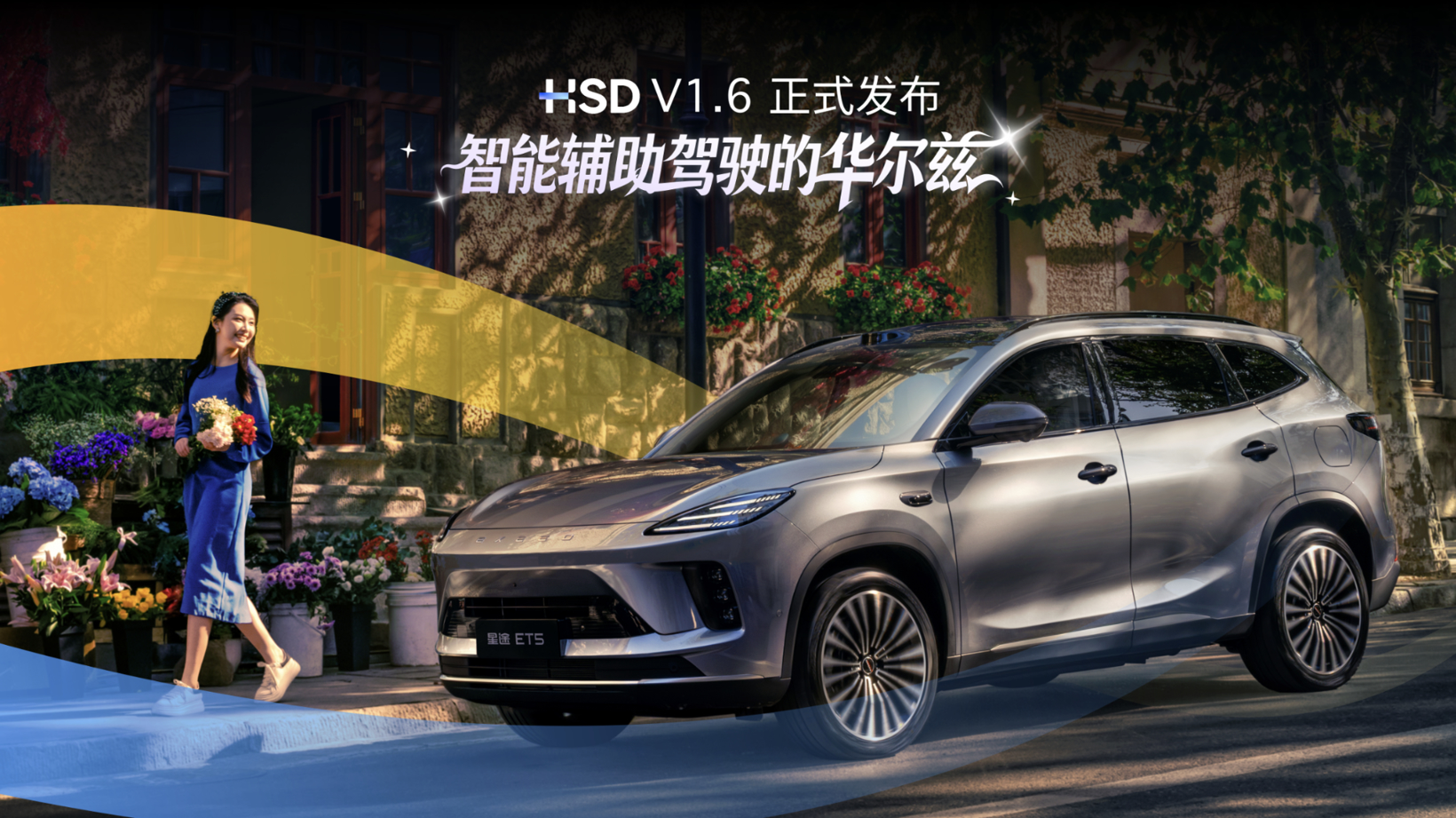
Yu Kai shared his product philosophy: "What truly wins user trust isn't the occasional brilliance in extreme scenarios, but consistent peace of mind in daily driving." HSD V1.6 focuses on daily commuting, delivering comprehensive upgrades: more elegant driving, enhanced parking, and robust safety.
For driving scenarios, it improves cruise following comfort and dynamic negotiation at intersections, making lane changes more precise and natural. For parking, new features include remote parking, parking while outside the vehicle, and detection of suspended obstacles. Regarding safety, additions include start-up reminders, reverse emergency braking, automatic emergency steering avoidance, and enhanced door-opening warnings. The goal is an experience that feels "more relaxed with use, and more reassuring with every mile."
Merging the Physical and Digital Worlds: Horizon’s "All-Dimensional Altruism" Drives the Vehicle Intelligent Agent
Horizon believes that AI in the physical and digital worlds will eventually converge into a vehicle intelligent agent. From 2025 to 2030, we are in the era of Physical AI, with autonomous driving as its first application. After 2030, Physical AI and Digital AI will fully merge, comprehensively empowering humanity and the environment.
Yu Kai has stated that Horizon’s mission is to empower smart cars and robots to make human life safer and better. The company is dedicated to turning cutting-edge technology into everyday reality for the many. Looking back, from Journey 2 to Journey 6, Horizon achieved 10 million shipments in just five years at record speed. From the Starry chip to KaKaClaw™, the company is driving the democratization of vehicle intelligence through continuous strategic elevation and cognitive iteration.
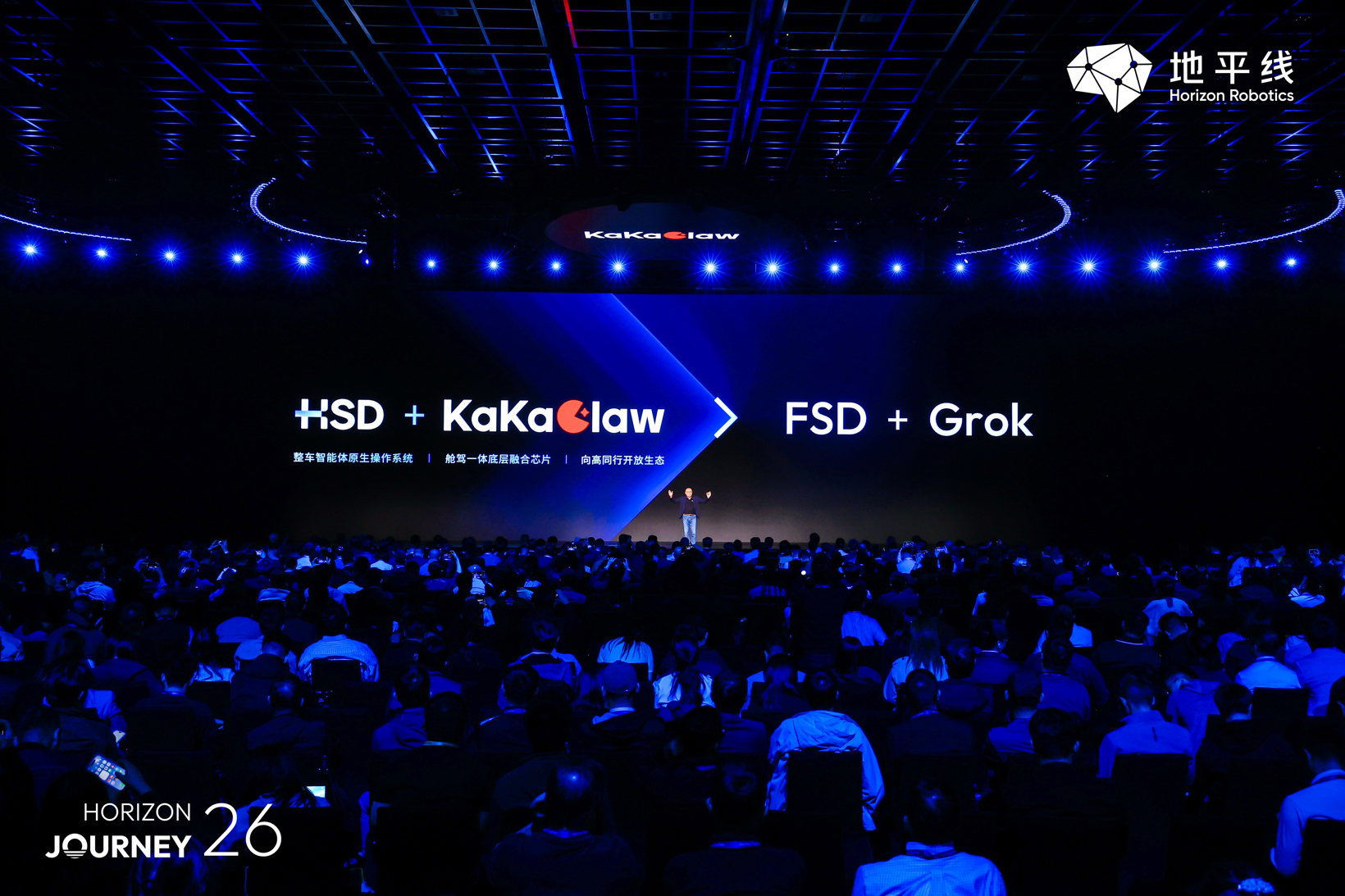
The powerful combination of HSD and KaKaClaw™ creates a Chinese answer to FSD and Grok. Built on a cabin-driving fusion chip, a native vehicle intelligent agent OS, and Horizon’s open ecosystem, it transforms the car into an agent that is capable, memorable, and personable. It understands complex scenarios, makes autonomous decisions, and evolves continuously like a human. The vehicle intelligent agent is set to become the greatest smart terminal since the smartphone. With chips as the foundation, KaKaClaw™ as the soul, and HSD as the action hub, Horizon has built the first complete technical platform for this future—accelerating both the mass adoption of cabin-driving integration and the arrival of the vehicle intelligent agent era.
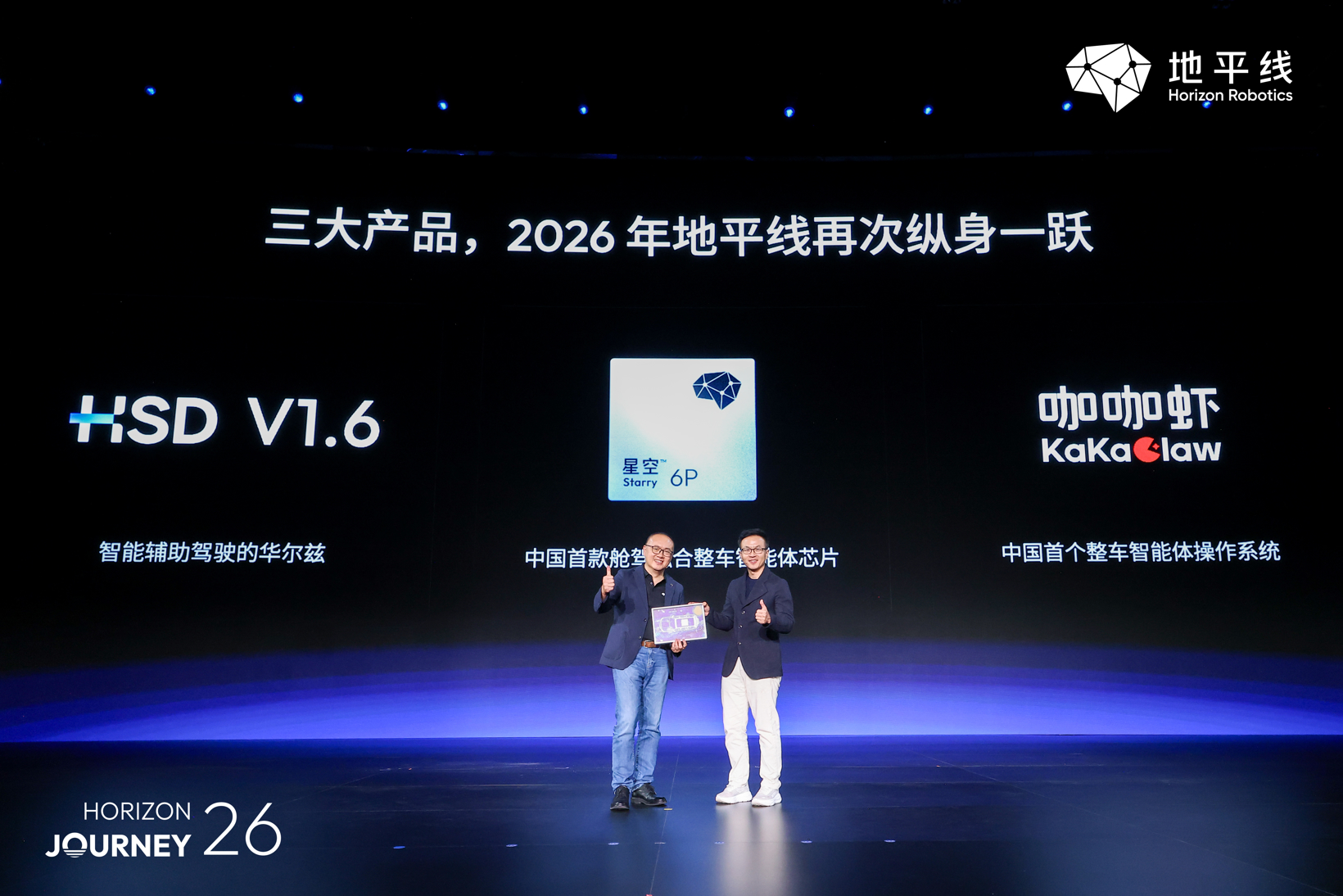
At the 2026 Horizon Annual Product Technology Launch, iCAR Brand Division General Manager Su Jun took the stage. Together with Horizon founder and CEO Kai Yu, he announced that iCAR will be the first automaker to globally launch Horizon’s cabin-driving fusion intelligent vehicle solution.
Under the theme "Journey to the Stars" and the philosophy of "all-dimensional altruism," Horizon will continue to partner with industry players. Together, they will embark on the next leg of China’s smart car journey, turning the vision of the vehicle intelligent agent into reality and bringing a safer, better mobility experience to everyday life.