



Gasgoo Munich- On March 13, Pony.ai announced that its Robotaxi service has been integrated into the "Tencent Mobility Services" mini program on WeChat, enabling users to book autonomous rides directly within the platform. The service has launched first in Guangzhou, where passengers can immediately begin requesting driverless vehicles through the new channel. Integration with Tencent Maps is also planned in the near future.
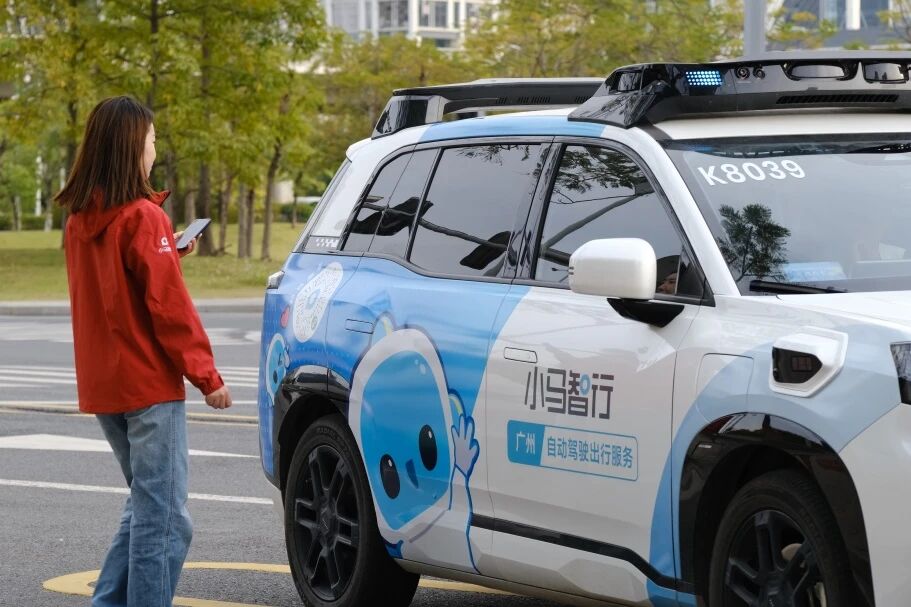
Image source: Pony.ai
The rollout marks another milestone in the commercialization of Level 4 autonomous driving following a strategic partnership agreement signed between Pony.ai and Tencent in April 2025.
Users can access the service by searching for "Tencent Mobility Services" within WeChat or entering the platform's built-in mobility section. When a pickup or drop-off location falls within the operating area of a Pony.ai Robotaxi stop, passengers can select the autonomous driving option to request a ride.
Since establishing operations in Guangzhou in 2017, Pony.ai has played a significant role in advancing and popularizing autonomous ride-hailing services in the city.
The company was the first to launch autonomous ride services in Guangzhou's Nansha district and later expanded its operations to include dedicated driverless routes linking key transport hubs such as Guangzhou Baiyun International Airport and Guangzhou South Railway Station in early 2024. In December 2025, Pony.ai also introduced Robotaxi services in the Guangzhou University Town area, where vehicles have recorded an average of 23 daily orders per car.
Pony.ai currently operates autonomous mobility services across several major Chinese cities, including Beijing, Shanghai, Guangzhou, and Shenzhen, with a fleet of more than 1,000 autonomous vehicles. The company has also built a broad ecosystem of partners to accelerate commercialization. In China, collaborators include Tencent Cloud, Alipay, Amap, ONTIME, and several local taxi and mobility platforms. Internationally, Pony.ai has established partnerships with global players such as Stellantis, Uber, Bolt, ComfortDelGro, and Emile Weber as it expands its autonomous mobility footprint worldwide.


