



Gasgoo Munich- Following Chery's move, Spain's auto industry is seeing fresh signs of Chinese automakers setting up shop.
Citing industry insiders, Spanish media report that Geely has struck a deal to acquire part of Ford's plant in Spain and plans to produce one of its models there. Geely did not immediately respond to requests for comment, while a Ford representative dismissed the report as rumor and declined to comment further.
If the transaction goes through, Geely would become the latest Chinese automaker to establish a physical manufacturing base in Spain.
This Time, Geely Takes Center Stage
According to reports, Geely's target is the No. 3 body and final assembly shop at Ford's Almussafes plant in Spain.
Located in the Valencia region, the Almussafes facility is a crucial production hub for Ford in southern Europe and has long manufactured several of the automaker's core models.
The plant has produced classic models like the Mondeo and boasts mature stamping, welding, and assembly capabilities alongside a comprehensive supply chain. Before the pandemic, its peak annual capacity exceeded 300,000 units. However, as Ford pivots to electrification and optimizes capacity, the No. 3 assembly shop has sat idle for some time, opening the door for external partnerships and production takeovers.
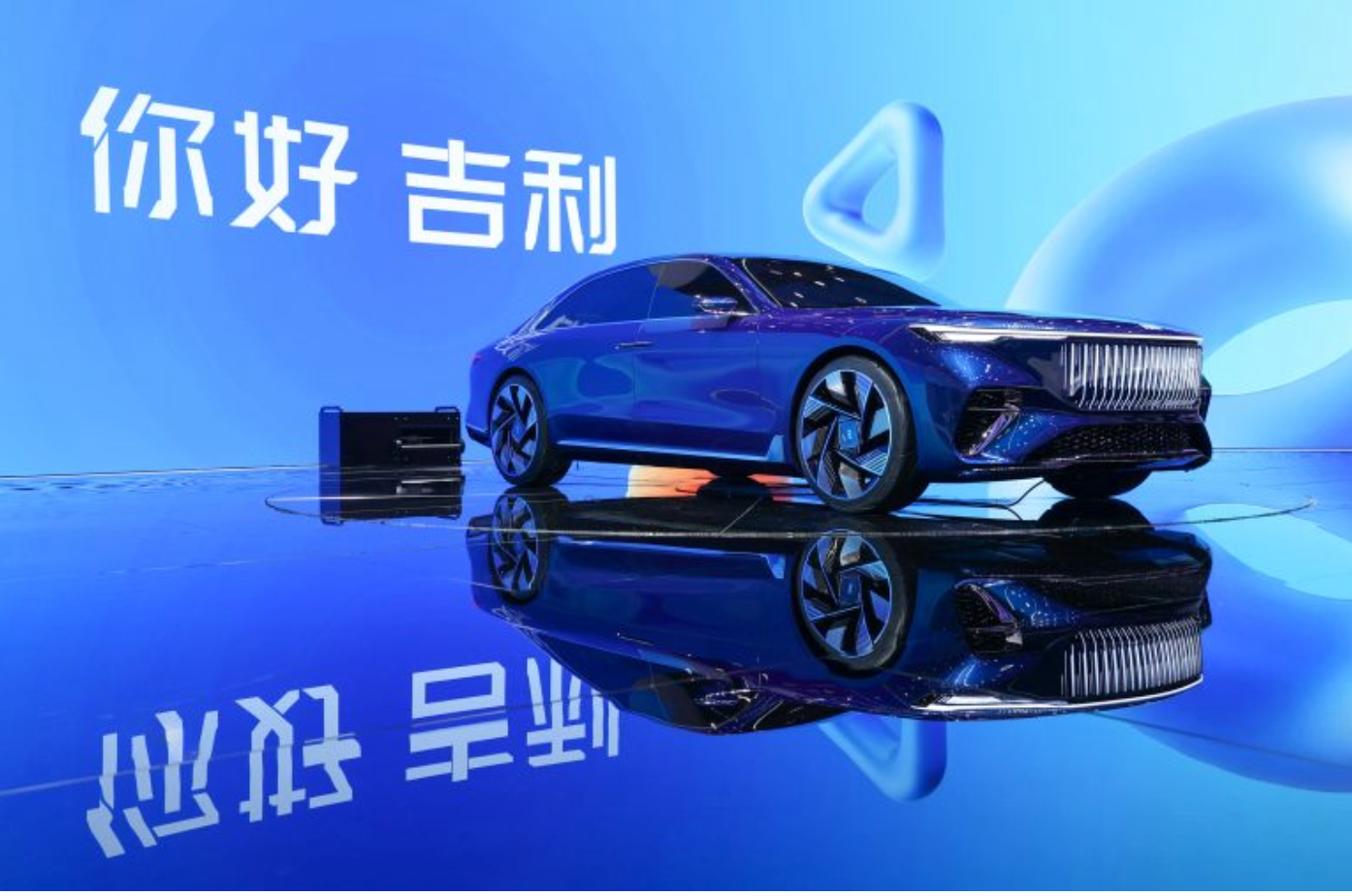
Image Source: Geely
Geely isn't buying the entire factory, but rather a section of the assembly area. This "partial takeover" approach reduces initial investment while leveraging existing mature production lines, significantly shortening the timeline from deal closing to mass production.
Reports also suggest the two sides are discussing the possibility of Geely contract-manufacturing a model for Ford, though this form of cooperation has not yet been officially confirmed.
In terms of European expansion, Geely isn't the first to break new ground. Chery previously formed a joint venture with local Spanish firm Ebro Motors to revive Nissan's former Barcelona plant, becoming the first Chinese automaker to achieve localized mass production in Spain.
Reuters reported in February that Geely was in broad talks about sharing automotive technology. The news of acquiring part of Ford's Spanish plant suggests Geely is now taking a tangible step toward localized manufacturing in Europe.
Rumors Swirl Around Other Chinese Entrants
In fact, multiple Chinese automakers have signaled this year that they intend to build plants or expand production in Spain. Industry insiders view this as a critical window for Chinese companies to deepen their presence in Southern Europe and radiate out across the continent.
Foreign media reports have suggested that Changan Automobile is considering building a factory in Spain, likely in the north, with the Aragon region under review. People familiar with the matter say no final decision has been made, and details such as investment scale and capacity remain unclear.
These negotiations also signal that Spanish Prime Minister Sánchez's strategy to attract Chinese investment is gaining traction. During his fourth visit to China in mid-April, Sánchez met with executives from Chinese firms, including Changan Chairman Zhu Huarong.
SAIC's MG brand is also advancing plans to build a European plant. Sources revealed that MG plans to construct an EV factory in Spain, a move that would help offset the cost pressure from high EU tariffs. The decision has not yet been finalized, with key details like investment scale, capacity, and production timing still under discussion.
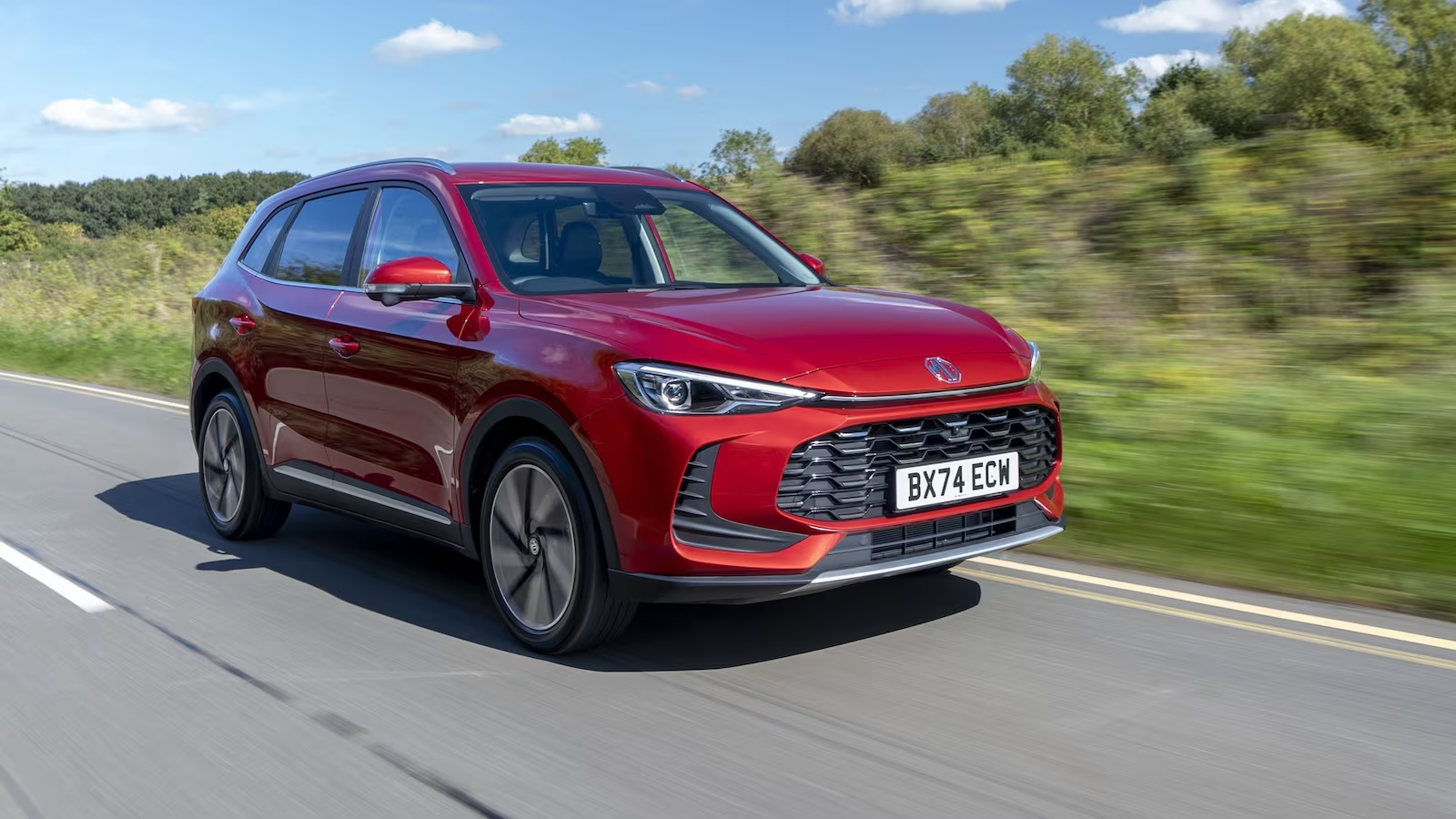
Image Source: MG
In an interview this March, MG Motor's European head said that building a local plant becomes viable once annual sales in Europe reach around 300,000 units. He revealed at the time that MG had screened potential sites and could start production as early as next year.
Leapmotor plans to leverage Stellantis's plant in Zaragoza, Spain, for vehicle manufacturing. Chery has already started vehicle assembly in Catalonia through a joint venture, simultaneously resuming production under its Ebro brand. Meanwhile, Spain's Santana Motors is partnering with Dongfeng Motor Group and BAIC Group to conduct assembly operations locally.
Additionally, battery maker CATL and Stellantis announced a 4.1 billion euro investment to build a LFP battery plant in Aragon, targeting production by the end of 2026 to provide core components for local new-energy vehicle production.
The rush by Chinese automakers to pick Spain is closely tied to local market performance, industrial foundations, and policy environment. In terms of sales, Chinese brands are maintaining high-speed growth in Spain. Data from the European Automobile Manufacturers Association (ACEA) shows that in March 2026, Chinese automakers sold 18,000 vehicles in Spain — an 84.9% year-on-year surge that far outpaced the broader passenger car market, pushing their market share to 14%.
Geographically, Spain boasts deep-water ports in Barcelona, Valencia, and Bilbao, offering efficient connections to Mediterranean and Atlantic markets while serving as a springboard to North Africa and Latin America. This makes it an ideal logistics hub for Chinese automakers entering the EU.
On the industrial front, Spain offers a mature components supply chain and a skilled workforce. Multinational automakers like Volkswagen, Renault, and Stellantis have deep roots there, creating a complete supporting ecosystem that can help Chinese automakers rapidly achieve mass production.
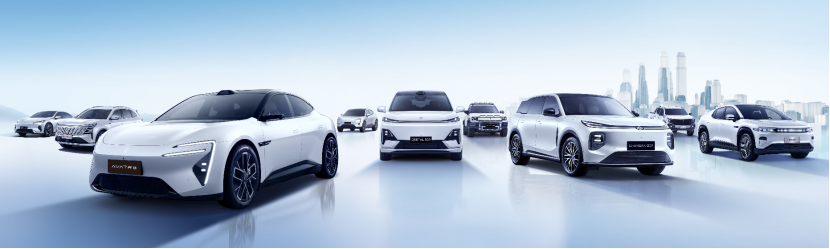
Image Source: Changan Automobile
Policy-wise, the Spanish government is open to new-energy vehicle investment, rolling out a package of incentives including tax breaks, land support, and low-interest loans. For instance, the Envision AESC project received 200 million euros in subsidies and 100 million euros in loans.
Shifting from primarily exports to local manufacturing, the strategic pivot of Chinese automakers in Spain is both a practical response to EU trade barriers and compliance requirements, and an inevitable outcome of their deepening globalization strategy.
As companies like Geely, Chery, SAIC, and Leapmotor establish their presence, Spain is transforming from a destination for Chinese car exports into a manufacturing hub and industrial base for Chinese automakers in Europe. This drives China-Spain automotive cooperation from simple trade to a new stage of capacity synergy and technological symbiosis, injecting industrial momentum from China into Europe's new-energy vehicle transition.


