



Gasgoo Munich- On April 12, GAC Group hosted its 2026 Tech Day at its Panyu headquarters in Guangzhou under the theme "Tech-centric." The event marked the debut of five core technical achievements. These included Xingyuan Power, Starship Body, Xinghe Smart Cockpit, Xingling E/E Architecture 4.0, and an automotive-grade chip ecosystem. This showcase revealed GAC’s systematic layout in underlying technologies for new energy and intelligent vehicles.
From Powertrain to Chips: A Systematic Debut
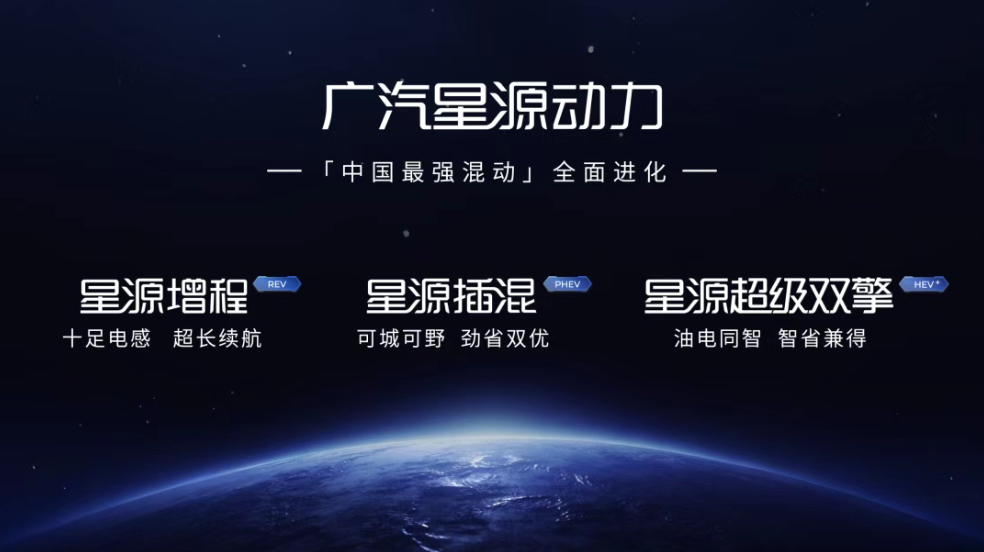
Image Source: GAC Group
In the powertrain sector, GAC launched the Xingyuan technology brand. It covers three technical paths: extended-range electric (EREV), plug-in hybrid (PHEV), and super hybrid. The Xingyuan PHEV features a 1.5T hybrid engine with 125kW max power and 245 N·m peak torque. It is offered with two hybrid transmissions: the Thunder Edition and the Gale Edition.
The Thunder Edition targets high performance, enabling mid-to-large SUVs to achieve 0-100 km/h acceleration in about 4 seconds. Total four-wheel-drive output torque reaches 10,000 N·m. The Gale Edition focuses on efficiency. Weighing just 98.5kg, it is the first mass-produced dual-motor hybrid transmission in China under 100kg. It pushes B-segment MPV fuel consumption into the 3-liter range and A-segment sedans into the 2-liter range.
Targeting traditional fuel vehicle users, the Xingyuan Super Hybrid debuts a 5.4kWh high-rate safety battery. It supports up to 17 kilometers of pure electric driving, 2.2kW vehicle-to-load (V2L) discharge, and Sentry Mode. The system lowers the fuel consumption of a 2.1t B-segment MPV below 3 liters per 100km. This is a first, representing a 14% reduction compared to the previous generation.
Regarding body technology, the Starship Body utilizes an original "embedded frame + multi-ring cage" design developed over 29 months. Torsional stiffness reaches 38,000 N·m/°, roughly four times that of traditional off-road benchmark models. Bending stiffness hits 42,000 N/mm—1.5 times the industry mainstream. The body has undergone over 600 simulation iterations, more than 3,000 hours of bench testing, and 1 million kilometers of real-world all-terrain road testing.
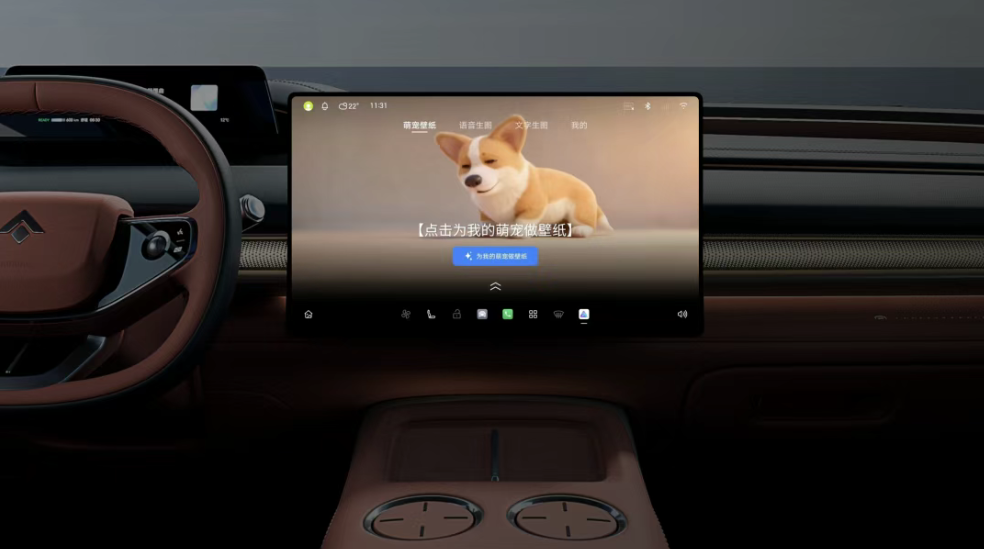
Image Source: GAC Group
For the smart cockpit, the Xinghe Smart Cockpit ADiGO Intelligence system is built on real-world data from over 3.75 million vehicles. It features a multimodal perception engine, a memory-based multi-agent collaboration engine, and an emotional expression engine. With end-to-end response latency under 1.6 seconds and in-cabin target recognition accuracy exceeding 95%, it coordinates 15 AI skills simultaneously. It handles services like route planning, restaurant queuing, and parking reservations. The cockpit deeply integrates the Qwen large model and connects to Alibaba’s full ecosystem.
At the foundational electronic-electrical level, the Xingling Architecture 4.0 is equipped with a 3nm flagship chip. It achieves the integration of six domains: intelligent driving, smart cockpit, powertrain, chassis, body, and connectivity. Comprehensive performance is up 40% from the previous generation. The fastest full-vehicle OTA upgrade time is slashed to just 8 minutes.
In the chip ecosystem, GAC has partnered with 105 ecosystem players to successfully develop 51 chip models and complete joint verification for nearly 400 chips. The group officially launched the Hyper GT Climber Edition, China’s first smart new energy vehicle with 100% domestically designed chips.
From Tech Debut to Product Reality: Who Gets It First?
The real test comes after the unveiling. Based on available information, most of GAC’s new technologies have a clear timeline for market application.
Xingyuan EREV technology has already been validated in the market, having previously launched on the Hyper HL. In the PHEV sector, GAC Trumpchi’s new hardcore off-road SUV will feature the new Xingyuan PHEV powertrain. For HEVs, the Xingyuan Super Hybrid will be equipped in the new Trumpchi M8, expected to launch within the year.
The first model to adopt the Starship Body technology will be GAC Trumpchi’s new hardcore off-road SUV, set to debut at the Beijing Auto Show in April.
In the smart cockpit space, some functions of the Xinghe Smart Cockpit will begin rolling out on production models in mid-April. Full capabilities are scheduled for gradual deployment starting in the third quarter of 2026.
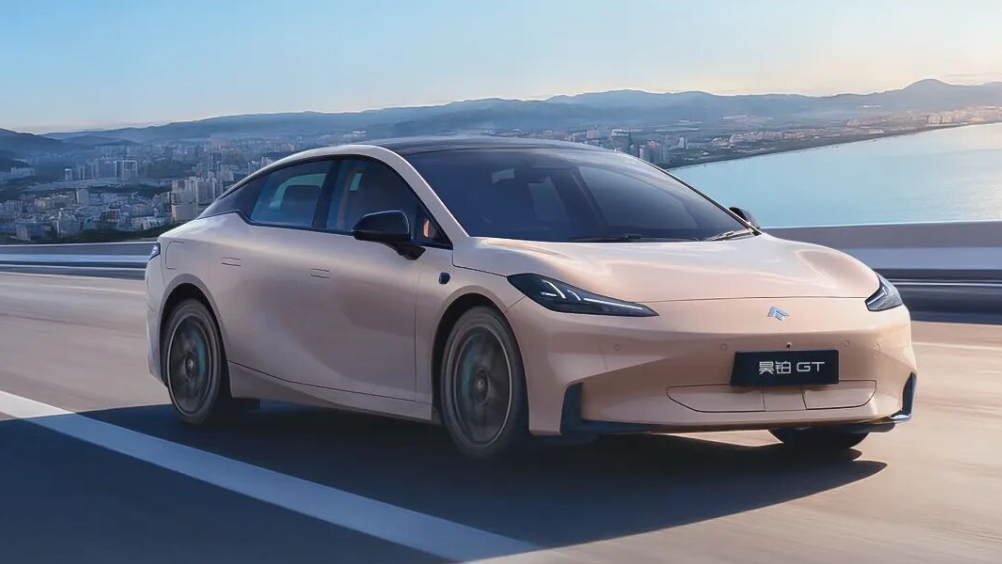
Image Source: Hyper
The Xingling Architecture 4.0 is slated for mass production in the third quarter of 2026. In the chip sector, the Hyper GT Climber Edition will hit the market in May 2026, carrying 1,004 chips and achieving 100% coverage by domestic chips.
Overall, GAC’s technology portfolio covers a wide spectrum. It ranges from A-segment sedans to MPVs and rugged off-roaders to high-end smart EVs. This essentially forms a technological layout for the 150,000 to 300,000 CNY price range.
China’s new energy vehicle market has entered a stage of parallel development across multiple technology paths. Hybrids (including PHEV, HEV, and EREV) are gaining market share due to their lack of range anxiety and low usage costs. In the first quarter of 2026, NEV passenger car sales accounted for 45.4% of the domestic market, with hybrid growth significantly outpacing pure electric models.
In the hybrid arena, automakers are engaged in a technical race centered on engine thermal efficiency, system comprehensive efficiency, and fuel consumption at low battery levels. Thermal efficiencies surpassing 46% and fuel consumption entering the 2-3 liter range per 100km have become industry mainstream standards.
Regarding EREV technology, pure electric range is continuously improving, with some models moving beyond 300 kilometers. Meanwhile, fast-charging capability and battery energy density are also being optimized.
In the smart cockpit sector, integrating AI large models has become a mainstream trend. The shift from "passive response" to "proactive service" is accelerating, with features like multimodal perception, multi-agent collaboration, and emotional interaction gradually entering production. Different automakers emphasize different aspects. Some focus on ecosystem connectivity, others on immersive audio-visual experiences, and still others on personalized services. This creates a landscape of differentiated competition.
At the electronic-electrical architecture and chip level, the trend toward vehicle computing centralization and integration is clear. 3nm process chips are entering the automotive sector, and solutions like six-domain integration and cross-domain fusion are becoming the common choice for leading companies. Simultaneously, the localization of automotive-grade chips is accelerating. Some models are achieving a high proportion of domestic chip coverage, strengthening the industry's autonomous control capabilities.
In short, the pace of technological iteration is accelerating, and new models are hitting the market in droves. In this environment, a critical challenge awaits. GAC must quickly translate the cutting-edge technologies showcased at this event into reliable experiences in mass-produced vehicles.


