



Gasgoo Munich- Within 24 hours of its debut, locked-in orders neared 90,000 units. Lei Jun, declaring the SU7 "the best-looking car under 500,000 yuan," drove Xiaomi to a record-breaking moment in automotive history in the spring of 2024. Back then, actual spending and surging crowds in stores confirmed the market's high expectations for this tech giant turned car manufacturer.
However, the shift from market hype to public scrutiny can happen in an instant.
In 2025, two accidents in Anhui Tongling and Chengdu Tianfu Avenue shifted public focus from performance to safety. Why couldn't the door handles open? Why did the intelligent driving system fail to prevent the collision? Why did the vehicle catch fire so quickly? As investigations advanced, discussions on vehicle design and technical solutions intensified, and the initial trust placed in the brand is now facing rigorous market scrutiny.
Recently, Lei Jun announced the re-establishment of the Xiaomi EV Safety Advisory Committee, explicitly pledging to "build the safest car in its class." Whether this stance addresses external concerns remains to be seen. Following the safety controversies, how will Xiaomi navigate the path to restoring trust?
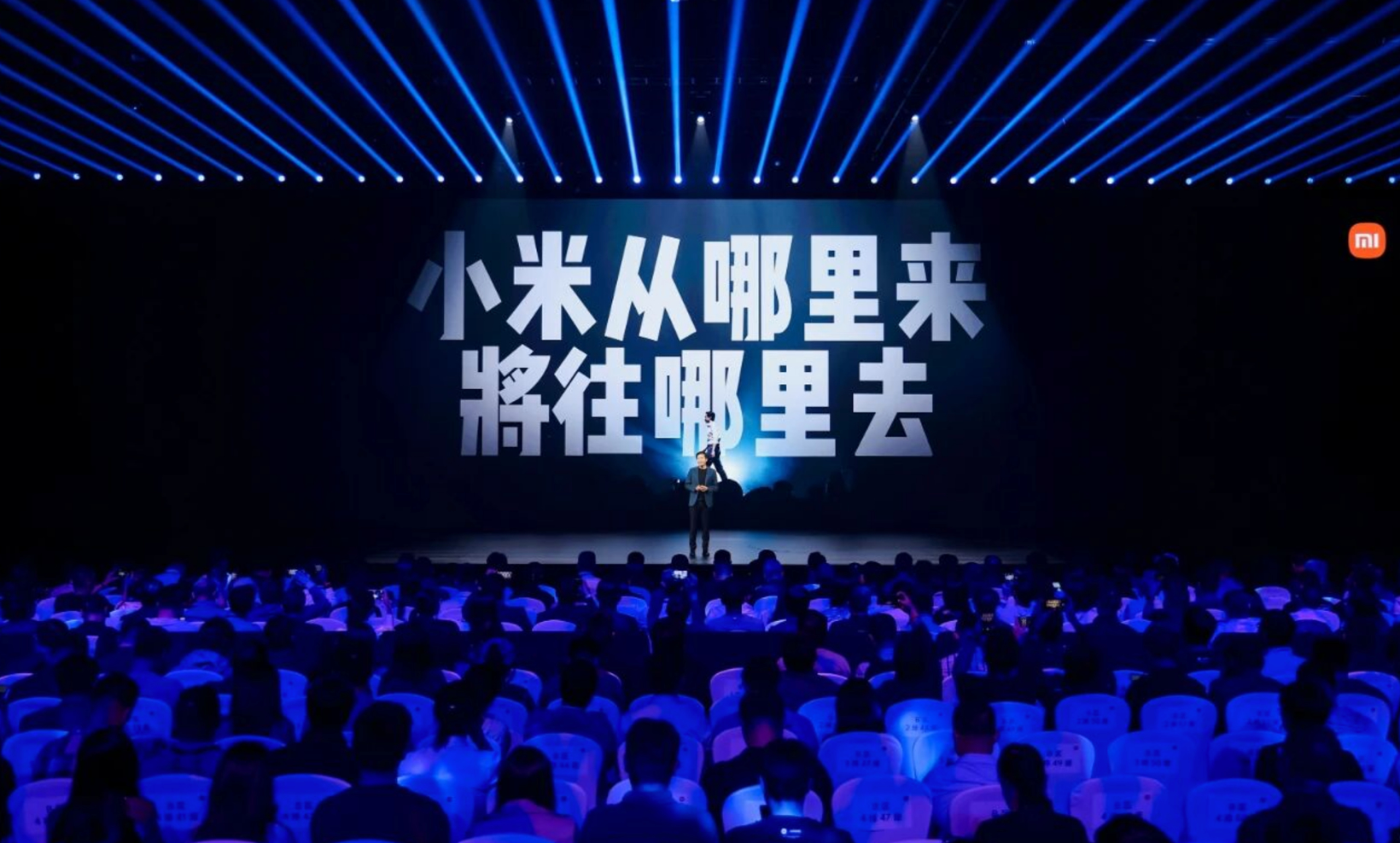
Image Source: Xiaomi EV
Strong Debut and Widespread Trust
Xiaomi’s entry point was a market frenzy fueled by product strength, brand power, and strong appeal. The first-generation SU7 delivered an exceptional performance, quickly establishing initial user trust in Xiaomi’s automotive ambitions. Such a smooth start reshaped industry perceptions.
Data offers the most direct proof of market confidence. In March 2024, the Xiaomi SU7 officially launched. Within 24 hours, firm orders surpassed 88,900 units, setting a record for first-day orders among new-energy sedans.
Throughout the 2024 to 2025 cycle, cumulative deliveries of the first-generation SU7 approached 380,000 units. Monthly deliveries peaked above 30,000, keeping the model among the top sellers in the domestic pure-electric sedan segment for consecutive months.
Even more impressive, the SU7 achieved a one-year residual value rate of 86%, firmly ranking first among pure-electric vehicles in its class. This validates deep consumer approval in the secondary market—users are not only willing to buy but also willing to hold onto the vehicle long-term.
Xiaomi’s ambitions extend beyond just moving volume. In February 2025, the SU7 Ultra launched with a price tag as high as 529,900 yuan. First-month orders surpassed 19,000 units, with the trade-in ratio from owners of German luxury brands (BBA) reportedly exceeding 50%. This data was widely interpreted as a successful breakthrough for the Xiaomi brand upward, suggesting that Xiaomi possesses the brand appeal to challenge the luxury market, not just compete in the mid-to-low end.
The strong sales of Xiaomi EV cannot be separated from the dual boost of the Xiaomi technology brand and Lei Jun’s personal IP. Xiaomi Group’s years of accumulated reputation for "value for money" and "technology for everyone" in consumer electronics created natural expectations for its cross-industry car manufacturing. Lei Jun’s declaration that he was "staking his entire life’s reputation on making cars" deeply tied his personal entrepreneurial credibility to the automotive business, reinforcing user perception that "Xiaomi is serious about building good cars."
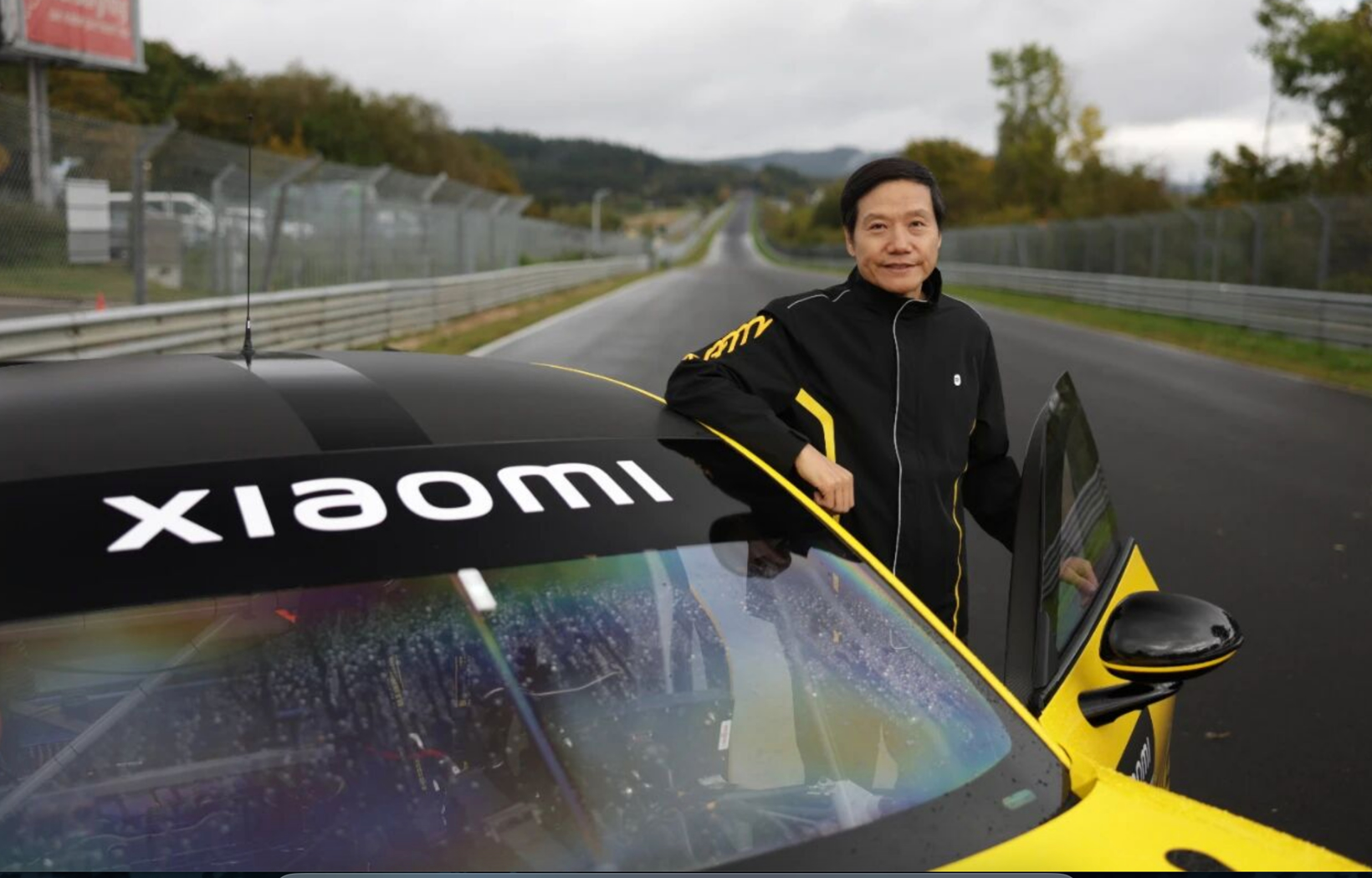
Image Source: Xiaomi EV
On the product level, Xiaomi transferred advantages in supply chain management, technical R&D, and user operations to its automotive business. With precise pricing, strong performance, and a complete intelligent ecosystem, it quickly carved out a space in the mid-to-high-end pure-electric track. The combination of product strength and brand appeal allowed Xiaomi EV to rapidly accumulate user trust in the early stages of its launch.
In the early post-launch period, the public sentiment surrounding Xiaomi EV was predominantly positive. Media and users focused on core advantages like design, performance, intelligent features, and price competitiveness. Although there were isolated doubts in the market regarding "quality control capabilities of new forces" and "lack of cross-industry experience," these did not escalate into widespread public opinion nor did they affect mainstream consumer decisions.
Consumers chose to ignore the scattered noise, supporting the brand with orders and word-of-mouth. At that moment, Xiaomi’s market appeal and brand trust reached their first peak since entering the automotive sector.
Yet, traffic is a double-edged sword. As a brand that naturally commands attention, Xiaomi EV has always stood in the spotlight. When that spotlight burns too brightly, even the slightest shadow can be infinitely magnified—and this planted the seeds for the subsequent crisis of trust.
Trust Crisis Emerges
Entering 2025, the scales of public opinion began to tilt.
In March 2025, on the Desheng Expressway in Tongling, Anhui, a standard version Xiaomi SU7 with NOA engaged crashed into a barrier in a construction zone and burst into flames, resulting in three fatalities. Follow-up investigations revealed failures in road sign recognition, lagging map data, and defects in AEB logic. This triggered widespread industry doubt regarding the safety of Xiaomi’s intelligent driver assistance system. It also marked the first time Xiaomi EV was engulfed in a public opinion crisis.
In October 2025, on Tianfu Avenue in Chengdu, a Xiaomi SU7 Ultra caught fire after colliding with a vehicle ahead at high speed, resulting in the death of the driver. Forensic analysis showed the vehicle was severely speeding at the time of collision; the low-voltage system cut power 9 seconds after the crash, causing the electronically released door handles to fail. The vehicle was not equipped with an external mechanical handle, preventing external rescuers from opening the doors. Although the driver was wearing a seatbelt, the airbags did not deploy. These factors combined to worsen the consequences of the accident.
Regarding the product safety shortcomings exposed in the accidents, Zhang Xiang, a guest professor at Huanghe University of Science and Technology and Secretary-General of the International Intelligent Transport Technology Association, analyzed in an interview with Gasgoo that Xiaomi’s intelligent driving weaknesses stem from three reasons. First, Xiaomi belongs to the second tier in intelligent driving; compared to first-tier players like Tesla and XPENG, there is still a gap in technical accumulation, and stability and scenario coverage in extreme conditions require continuous polishing. Second, Xiaomi’s strong PR and high visibility mean negative effects are easily amplified when incidents occur. Third, intelligent driving technology itself is not yet mature globally; no mature solution exists, and drivers must be ready to take over at any time. If user education is inadequate, accidents are easily triggered.
Furthermore, in January and September 2025, Xiaomi conducted two large-scale recalls cumulatively. The September recall was particularly notable: due to collision risks in "extreme special scenarios" with the L2 highway pilot assist system, Xiaomi recalled 116,900 units of the SU7 Standard version in one go—nearly half of the cumulative deliveries at the time. Although this recall was completed via OTA remote upgrades without hardware replacement, it indirectly reflected the imperfections in Xiaomi’s intelligent driver assistance system.
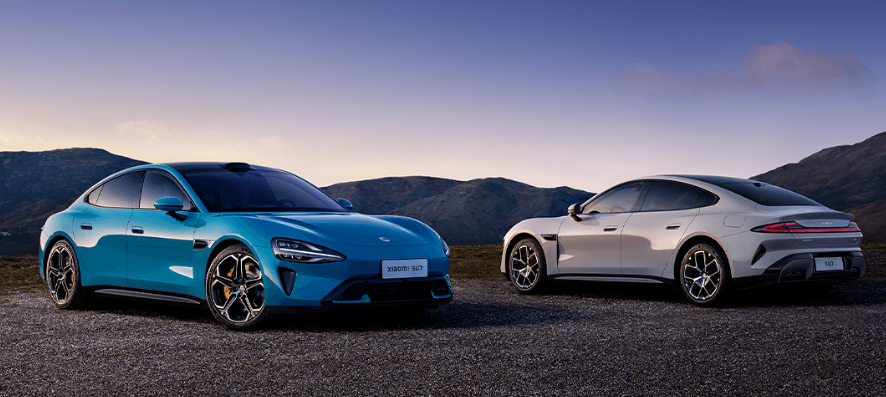
Image Source: Xiaomi EV
As a high-profile top brand, negative information about Xiaomi EV is easily amplified by public opinion. The new energy industry itself is in a phase of tightening safety regulation and rising user safety awareness. Topics like traffic accidents and intelligent driving controversies naturally possess high virality. Superimposed on Xiaomi’s brand heat, a single event can rapidly ferment into a nationwide discussion.
This discussion ultimately forced the evolution of industry standards. In September 2025, the Ministry of Industry and Information Technology (MIIT) released a draft of the mandatory national standard "Safety Technical Requirements for Automobile Door Handles," explicitly stipulating that door handles must possess a mechanical release function in any state (including when not popped). Although the semi-hidden handles used on the Xiaomi SU7 met requirements when popped, their purely electronic opening method (lacking mechanical redundancy) was proven to be a distinct shortcoming in collision scenarios.
Similarly, in April 2025, the MIIT held a meeting explicitly banning automakers from using exaggerated terms like "autonomous driving" or "high-end smart driving," mandating the use of "L2 driver assistance." This marked the shift of related controversies from individual brand cases to industry-wide regulatory issues, further intensifying the trust pressure on Xiaomi EV.
Facing the concentrated outbreak of public sentiment, Xiaomi EV showed obvious communication shortcomings in the early stages: the response rhythm was lagging, transparency was insufficient, and explanations failed to address core user concerns. Responses often defaulted to "waiting for investigation" or "industry commonality"—failing to soothe user emotions in time or effectively answer public doubts.
Additionally, in October 2025, at the Intelligent Connected Vehicle Conference, Lei Jun called on the entire industry to resist online paid posters and "malicious PR campaigns," attempting to attribute public skepticism to external malicious smears. However, this statement did not win public sympathy; instead, it sparked further controversy. Multiple mainstream media outlets pointed out that companies "must not stigmatize public safety concerns with malicious PR," arguing that enterprises should face and solve problems rather than evading responsibility and shifting focus.
The passive response allowed the controversy to continue intensifying. User questions went unanswered, and skeptical emotions accumulated, further widening the trust gap between the brand and users. The initial expression of trust gradually turned into doubt—and this became a key factor in the intensification of Xiaomi EV’s trust crisis.
Rebuilding Trust, Not Too Late
Facing the intensifying trust crisis, Xiaomi EV abandoned its initial passive compromise and instead adopted a comprehensive repair strategy featuring top-level positioning, professional endorsement, mechanism guarantees, product implementation, and communication upgrades.
The first step in repairing trust is for the core decision-making layer to confront the issues directly. On February 27, Lei Jun entered the livestream studio again, but this time the theme was not performance benchmarks or order reports—it was "discussing Xiaomi EV’s safety system." In the broadcast, he explicitly stated that "driver assistance cannot replace human driving" and hoped drivers would concentrate while driving. He established "safety above all else" as the highest criterion for the automotive business, with the clear goal to "build the safest car in its class."
Lei Jun personally stepping up to champion safety conveyed the brand’s sincerity in facing problems and set the tone for all subsequent safety measures, attempting to swiftly reverse the passive public sentiment.
Re-establishing the Safety Advisory Committee is the core professional initiative for Xiaomi’s trust rebuilding. According to disclosures, the committee will invite vehicle safety experts from universities and research institutes nationwide, while also absorbing authoritative figures who have participated in national vehicle accident investigations and defect recalls. They will provide independent third-party oversight for Xiaomi EV’s safety R&D, quality control testing, and accident investigations.
Regarding this initiative, Zhang Xiang believes that re-establishing the safety advisory committee will be effective in rebuilding consumer trust. The committee will formulate response methods to outstanding issues reflected by consumers and media opinion, carrying out technical improvements and plan optimization. In this way, the incidence of already exposed problems will decrease in subsequent products or software upgrades. The core purpose of establishing this department is precisely to boost product sales and serve users better.
Internally, Xiaomi EV has assembled a safety team of over 3,500 people, establishing a Safety Committee, a Global Safety Department, an Independent Accident Investigation Center, and a Safety Response Center. Among these, the Safety Committee holds veto power throughout the entire process of product R&D, design, and manufacturing. This means that when design conflicts with cost, safety has the final authority—this organizational adjustment is the fundamental guarantee for the implementation of safety strategy.
Xiaomi plans to establish a normalized public safety communication mechanism, holding regular meetings with car owners, media, and industry experts to proactively report on safety test data, quality control rectification progress, technical upgrade plans, and accident investigation processes. The first communication meeting is scheduled for the first half of 2026.
This move aims to break the information asymmetry between the brand and users, transforming safety construction from a "verbal brand promise" into "visible and tangible public actions." In the context of rebuilding trust, nothing dissolves public doubts better than regular and candid dialogue.
Targeting the shortcomings exposed by public opinion, Xiaomi has completed targeted safety upgrades on the new generation SU7. The door system adds an external mechanical door handle, equipped with triple power supply redundancy and an independent mechanical unlocking structure. This proactively adapts to the new national standard for door handles, ensuring doors can be opened normally after a collision-induced power loss.
Regarding intelligent driver assistance, LiDAR is standard across the lineup, with unified communication terminology to clearly define the L2 boundaries of driver assistance. On the passive safety front, the body uses 90.3% high-strength steel and aluminum alloy, with key areas utilizing 2,200 MPa ultra-strong steel. The entire lineup has been upgraded to 9 airbags, and the battery pack bottom features a new bulletproof coating and anti-scraping beams.
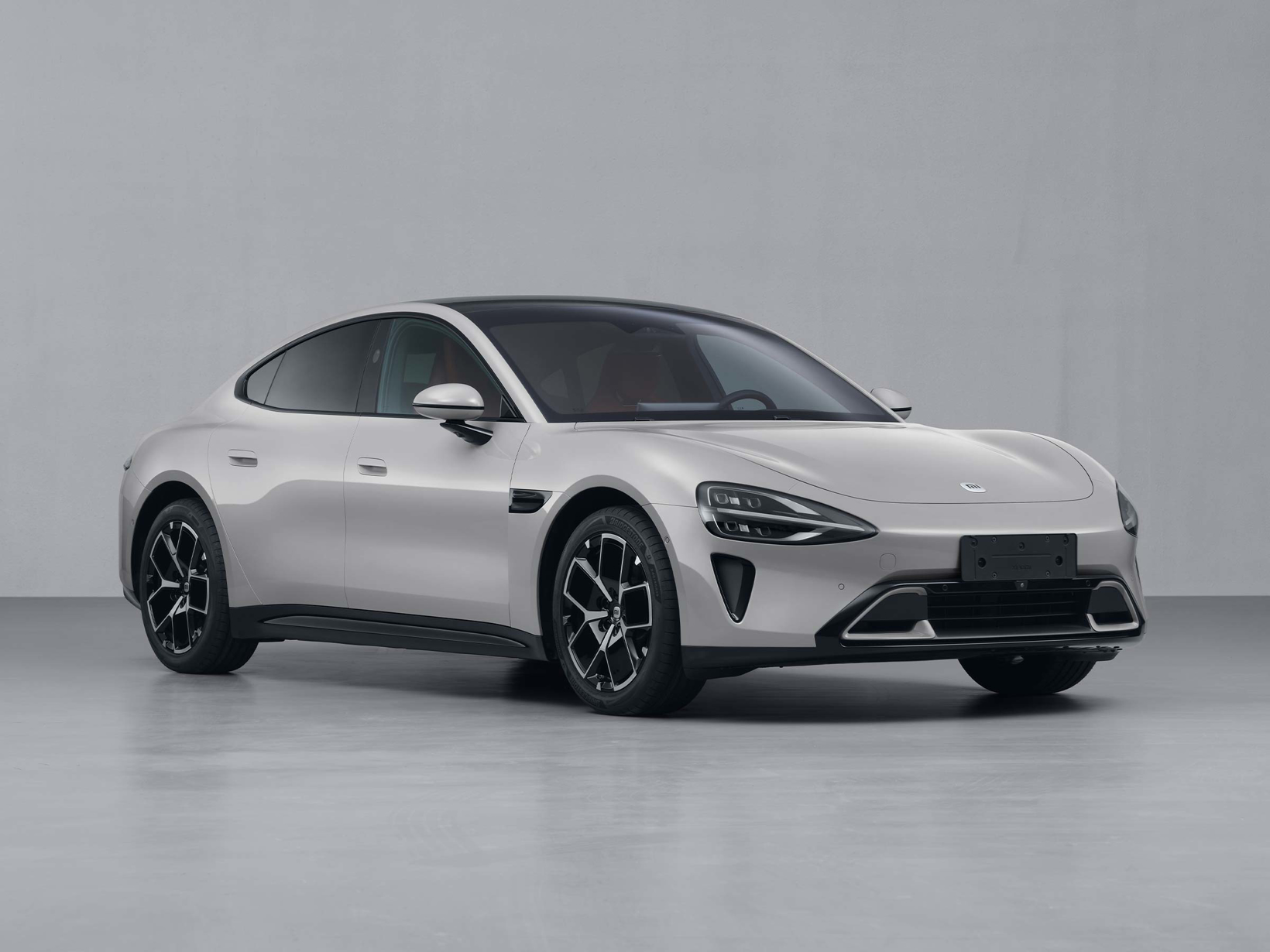
Image Source: MIIT
Tangible upgrades on the product side have anchored trust rebuilding in hardware and technology, rather than leaving it to linger in press releases.
Xiaomi has simultaneously upgraded its public sentiment response and user service systems. It established a rapid response mechanism to address user concerns promptly and publish solutions; it actively connects with owner communities to conduct safe driving training and strengthen users' correct understanding of driver assistance; and it regulates external communication terminology to avoid exaggerated publicity. Through more efficient, sincere, and transparent communication, it aims to gradually repair brand reputation and close previous PR gaps.
Zhang Xiang also suggested that cross-border automakers need to introduce their products truthfully, ensuring information transmission is not distorted, otherwise trust crises may be triggered. He specifically pointed out that Xiaomi launch events suffer from excessive length and Lei Jun speaking alone, which makes inaccuracies more likely. Given Lei Jun’s limited energy, he suggested cultivating successors or inviting other experts to participate in launch events to reduce the probability of errors.
Conclusion
Cars are different from phones: a crash can be fixed with a reboot, but a safety incident can destroy a family and is enough to crush a brand.
In a livestream in February 2026, Lei Jun stated that Xiaomi EV’s deliveries had exceeded 600,000 units, with a total mileage of over 400 million kilometers during the Spring Festival holiday. This set of data serves as both a summary of past achievements and an expectation for the future.
Re-establishing the safety advisory committee is only the first step. True trust rebuilding comes from exhausting the truth of every accident, correcting every design flaw, and—when communicating with the public—showing less of a "victim" mentality and more reverence for life.
Only when Lei Jun is no longer just a "marketing guru" but truly becomes a "gatekeeper of safety" can Xiaomi EV overcome the depths of this trust crisis. And for all cross-border automakers, this story serves as a warning: on the track to the future, safety is always the top priority.


