



Gasgoo Munich- Celanese (NYSE: CE) recently released its full-year and fourth-quarter financial results for 2025. Weighed down by sluggish demand in core end markets like automotive, paint and coatings, and construction, the company posted full-year net sales of $9.5 billion — a 7% decline from the previous year. Both pricing and volume slipped 4%, while foreign exchange provided only a modest boost.
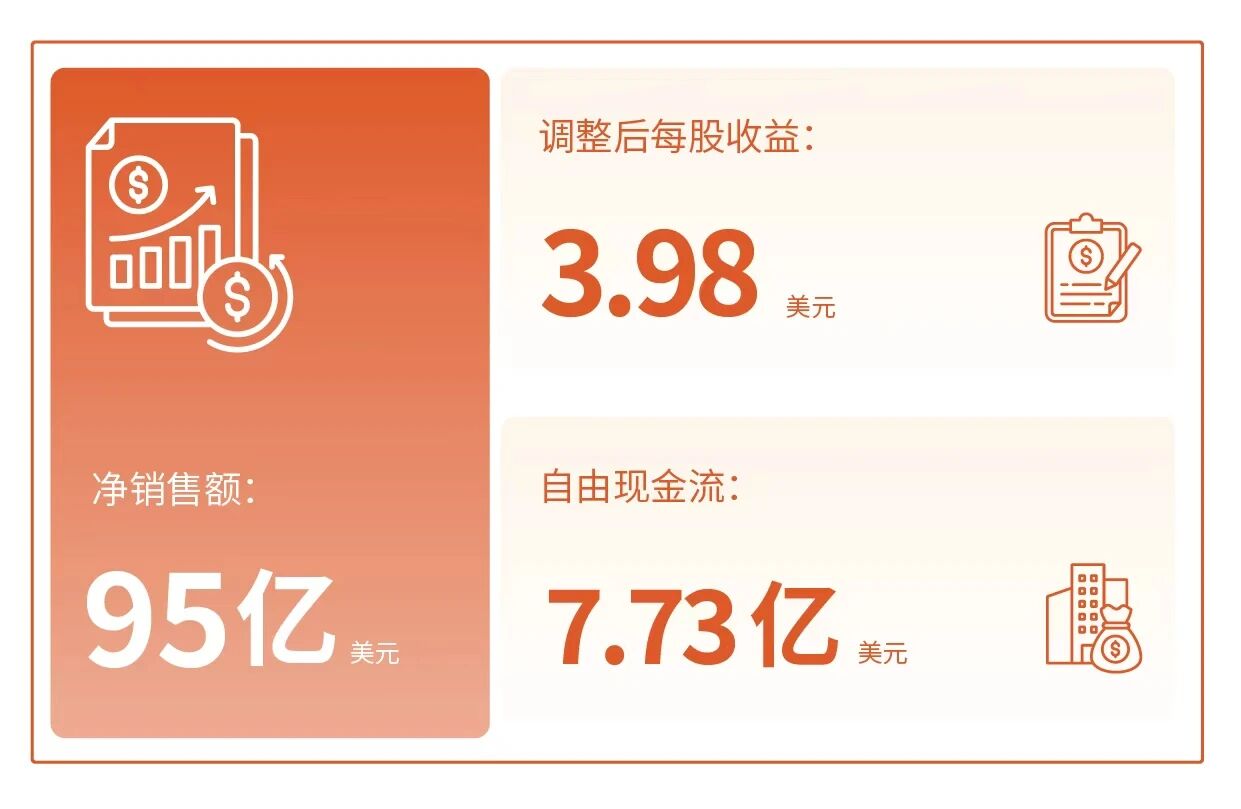
Image Source: Celanese
The report shows Celanese swung to a GAAP diluted net loss of $10.44 per share for 2025, though adjusted earnings per share came in at $3.98. The sharp divergence was driven primarily by $1.6 billion in goodwill and specific trademark impairments. For the full year, the company recorded a consolidated operating loss of $786 million, while adjusted EBIT reached $1.2 billion and operating EBITDA hit $1.9 billion, corresponding to margins of -8%, 12%, and 20%, respectively. Cash flow remained robust: operating cash flow stood at $1.1 billion and free cash flow reached $773 million, bolstered by cost reductions, disciplined capital spending, and inventory destocking.
In the fourth quarter, net sales fell 9% sequentially to $2.2 billion, dragged down by a 7% drop in volume and a 2% decline in pricing. GAAP diluted earnings per share were $0.23, with adjusted EPS at $0.67. The division posted a consolidated operating profit of $93 million, adjusted EBIT of $251 million, and operating EBITDA of $435 million, yielding margins of 4%, 11%, and 20%. The negative impact of unexpected year-end destocking in the acetate industry was partially offset by cost reductions and product mix optimization in the engineering materials business. Operating cash flow for the period was $252 million, with free cash flow totaling $160 million.
Both core business units faced revenue headwinds yet managed to drive operational improvements. The Engineering Materials segment generated full-year net sales of $5.4 billion, a 4% year-on-year decline. A cost-reduction and destocking initiative launched at the start of the year delivered significant results: the business saved $70 million in costs and cut inventory by more than $100 million, achieving an adjusted EBIT margin of 13%. In the fourth quarter, net sales slipped 8% sequentially to $1.3 billion, yet the unit still secured a 9% operating margin. Meanwhile, the Acetyl Chain segment reported full-year net sales of $4.2 billion, down 11% annually, squeezed by weak end-market demand and industry competition. However, by shutting down high-cost facilities, prioritizing production at lower-cost sites, and accelerating the commercialization of sustainable products, the segment maintained a 16% adjusted EBIT margin. Fourth-quarter sales fell 11% sequentially to $940 million, with core margins holding steady.
Looking ahead to 2026, Celanese does not anticipate any immediate shift in the broader demand environment. The company projects adjusted earnings per share for the first quarter to land between $0.70 and $0.85. For the full year, the focus will remain on three pillars: boosting cash flow, deepening cost savings, and advancing growth initiatives. Celanese has set a free cash flow target of $650 million to $750 million, aiming to leverage its current measures to capture market opportunities as the economy recovers.


