



Gasgoo Munich- The price war that has gripped China's domestic auto market for years is now spilling over into Vietnam. Japanese brands—including Subaru, Toyota, Honda, Mitsubishi, and Suzuki—alongside Chinese automakers like BYD have rolled out aggressive incentives across the board. They are targeting internal combustion engine, hybrid, and pure electric vehicles alike.
Chinese and Japanese Automakers Lead the Discount Charge
Japanese brands fired the first shots between late March and early April 2026. Subaru offered incentives worth between 278 million and 308 million Vietnamese dong across all versions of its 2024 Forester.
Toyota slashed registration fees by 50% for models like the Vios and Yaris Cross, knocking 23 million to 27 million Vietnamese dong off the Vios' on-the-road price. For MPVs like the Veloz Cross, it waived registration fees entirely—stacking insurance and loan interest subsidies to save customers upwards of 110 million Vietnamese dong.
Honda matched the move with 50% registration fee relief on the City, CR-V, BR-V, and HR-V. Mitsubishi opted for fuel vouchers, handing out cards worth 53 million to 57 million Vietnamese dong with the purchase of an Xpander or Xpander Cross. Suzuki, meanwhile, threw in free maintenance packages for up to 6.5 years.
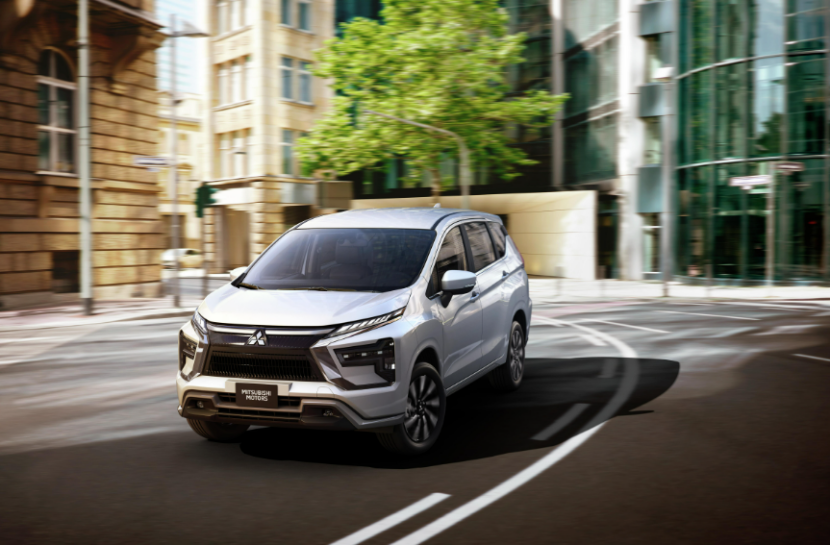
Image Source: Mitsubishi
Discounts deepened in May. Mitsubishi announced offers on most of its lineup, including the Attrage and Triton, with the Xpander AT version seeing a maximum discount of 85 million Vietnamese dong. Lexus Vietnam cut official prices on hybrids again, slashing the LS 500h by 360 million Vietnamese dong and the six-seat LM 500h by 320 million Vietnamese dong.
Chinese brands are just as aggressive. From May through late June, BYD Vietnam launched its "Golden Sun Feast" campaign covering seven models, offering subsidies of up to 100% on upfront registration fees.
The BYD SEAL 5 hybrid sedan qualifies for the full registration fee waiver—a benefit worth nearly 70 million Vietnamese dong. The 2026 BYD Dolphin is expected to retail below 600 million Vietnamese dong, a marked cut from the previous 659 million Vietnamese dong price tag. Geely and others are also joining the fray with financing deals and giveaways.
Judging by the number of players, the depth of discounts, and the range of models involved, Japanese brands remain the driving force of this campaign. However, Chinese brands are closing the gap with speed and intensity.
Driven by a Shifting Competitive Landscape
The immediate backdrop for this price war is the sustained erosion of Japanese brands' market share in Vietnam.
Data from the Vietnam Automobile Manufacturers Association (VAMA) shows local brands captured 33.5% of the market in 2025, overtaking Japanese brands for the first time with 32.9%. Toyota sold 71,954 units in 2025, seeing its share slip to 19.2%. By February 2026, sales among VAMA members had plunged 48% from the previous month, with Mitsubishi, Lexus, and Honda dropping 60%, 78%, and 61%, respectively.
The entry of Chinese brands has intensified the fray. Whole-vehicle imports into Vietnam jumped 110% year-on-year in January 2026, with Chinese brands accounting for 44.3% of the total. For all of 2025, China's automotive exports to Vietnam hit $1.6 billion. This surpassed Indonesia and Thailand for the first time to become the top exporter by value, marking a 76% year-on-year increase.
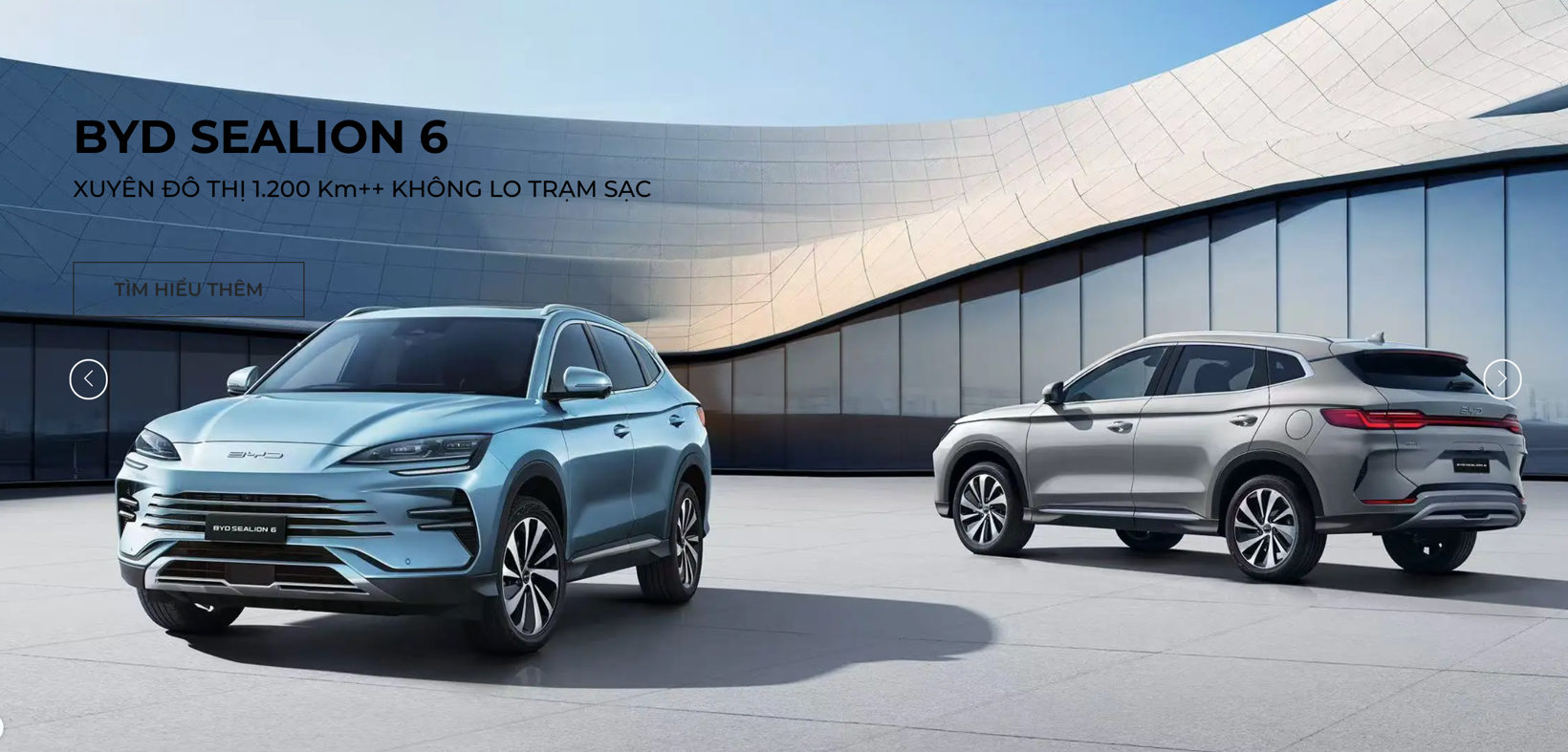
Image Source: BYD
Brands such as BYD, Geely, Lynk & Co, and Chery have introduced a slew of electric and hybrid models. In the commercial sector, Chinese trucks now hold a 58% share, while special-purpose vehicles command a 98% share.
The rise of local player VinFast is another critical variable. In 2025, VinFast delivered 175,099 units domestically—a record high that kept it at the top of Vietnam's sales charts for 15 straight months. Its core models, the VF3, VF5, and VF6, notched up 44,585, 43,913, and 23,291 units of deliveries, respectively. December 2025 alone saw 27,649 units handed over, setting a single-month record for the Vietnamese auto industry.
High fuel prices and policy shifts are pushing the market toward electrification—dealing yet another blow to Japanese automakers.
In March 2026, the price of RON 95 gasoline in Vietnam briefly hit 33,840 Vietnamese dong per liter—a 68% surge from February—while diesel prices doubled. The government has extended its registration tax exemption for battery electric vehicles through late February 2027 and enacted a 30% cut in special consumption taxes for hybrids.
Data shows hybrid sales in Vietnam hit 1,119 units in February, climbing 23% from the prior month. These accounted for nearly 6% of VAMA members' total sales, up from less than 2% just two years ago. Toyota's hybrid sales in Vietnam alone reached 709 units in February 2026, triple the previous month's figure.
Under this mounting pressure, Japanese brands have been forced to discount to prop up volumes. Toyota Vietnam delivered 3,935 units at retail in February 2026—a 25% year-on-year jump driven largely by hybrids. Yet whether price cuts can sustain brand premiums and dealer margins over the long haul remains an open question.
The promotional battle in Vietnam is a microcosm of the broader struggle between Chinese and Japanese automakers across Southeast Asia. Japanese brands, backed by deep-rooted distribution networks and a loyal customer base, remain dominant. However, their market share is being chipped away by Chinese rivals and local EV players. Chinese brands are accelerating their entry with electrified offerings and high-value configurations. Government policy favoring new energy, combined with high fuel costs, is further reshaping consumer preferences.
Whether this round of discounts allows Japanese brands to hold their ground will depend on the speed of their product transition and the sustainability of their pricing strategies. For Chinese brands, meanwhile, Vietnam serves as both a key export hub and a critical testing ground for their global competitiveness.


