



Gasgoo Munich-At 7 p.m. on March 19, the next-generation SU7 takes the stage. But before that new chapter begins, the car that started it all—the Xiaomi SU7—is fading from the spotlight.
Notably, the first-generation SU7 racked up more than 381,000 deliveries between April 2024 and February 2026.
A product cycle of less than two years might seem heretical to traditional automakers, yet it perfectly captures Xiaomi's fresh approach to the industry. So, what exactly has this debut model—equal parts legendary and controversial—delivered?
"An Incredibly High Bar": The Debut Model Through Lei Jun's Eyes
To judge whether a pioneer has lived up to expectations, the market offers the most direct measure.
When the Xiaomi SU7 launched on March 28, 2024, firm orders topped 88,898 units within 24 hours. The figure sparked immediate debate: some cried inflation, while others called it a triumph of the fan economy.
The numbers that followed provided the answer. In its first year on the market, the SU7 delivered over 130,000 units in just nine months. For a newcomer like Xiaomi, that kind of performance is nothing short of a miracle, according to company founder Lei Jun.
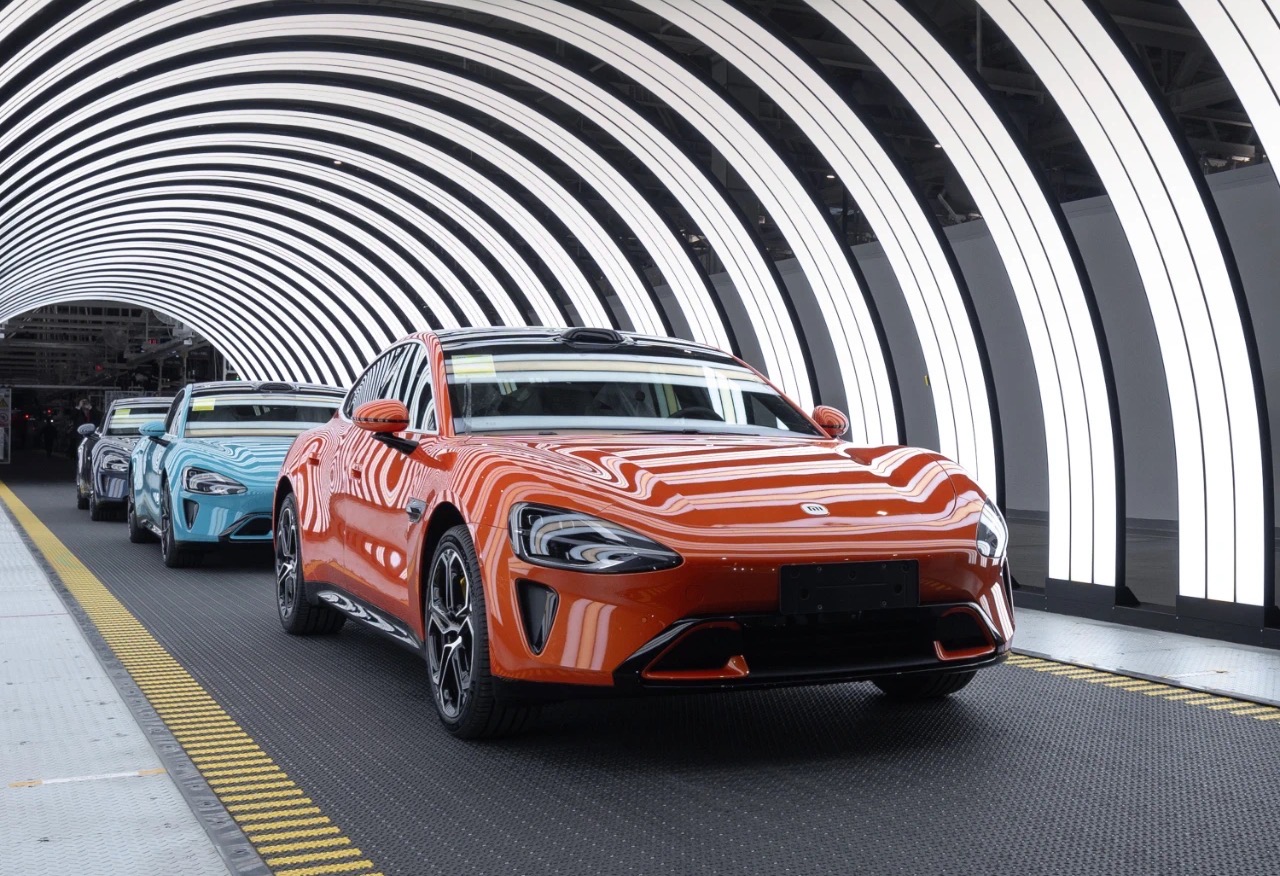
Image Source: Xiaomi EV
This phenomenon of a hit officially ceased production as early as February. Lei Jun framed the early halt of first-gen sales and the ramp-up of stockpiling as a move born of composure and confidence.
Xiaomi EV reported February deliveries of over 20,000 units. At the time, sales were driven primarily by the YU7, while the next-generation SU7 was in intense preparation.
So, is Xiaomi concerned that halting the first-gen SU7 so early will hurt sales?
Lei Jun acknowledged the impact on sales over the first three months but drew a line at alienating early adopters. The upcoming model marks Xiaomi EV's first major refresh, and the goal is to be thoroughly prepared—and to satisfy owners.
"Building cars is a marathon. We need to keep our feet on the ground and take it one step at a time," Lei Jun emphasized. "The first-gen SU7 set an incredibly high bar—it became the sales leader for sedans priced above 200,000 yuan. So, surpassing it won't be easy."
Even after production ends, Xiaomi EV will continue to offer full maintenance and repair services. The company has stockpiled ample spare parts for the original model and built a supply chain capable of supporting it for over a decade, ensuring the ownership experience remains uninterrupted.
Cross-Border Ambition: How to Become a Market Leader?
Of course, the SU7 isn't perfect. Its high profile has amplified every flaw. Over the past year, safety debates sparked by several accidents and marketing controversies have repeatedly drawn Xiaomi into the vortex of public opinion.
More critically, these discussions have probed deeper issues—safety redundancy, the limits of intelligent features, and user guidance—prompting both the industry and regulators to re-examine their definitions.
In many ways, the SU7 is a case study carrying both "blockbuster" and "controversial" labels. Its journey serves as a warning to those who follow: in cross-border EV manufacturing, hype is a double-edged sword.
So, did the SU7 live up to the expectations set at its launch? The answer suggests it didn't just meet them—it surpassed the traditional imagination of what a debut model can achieve.
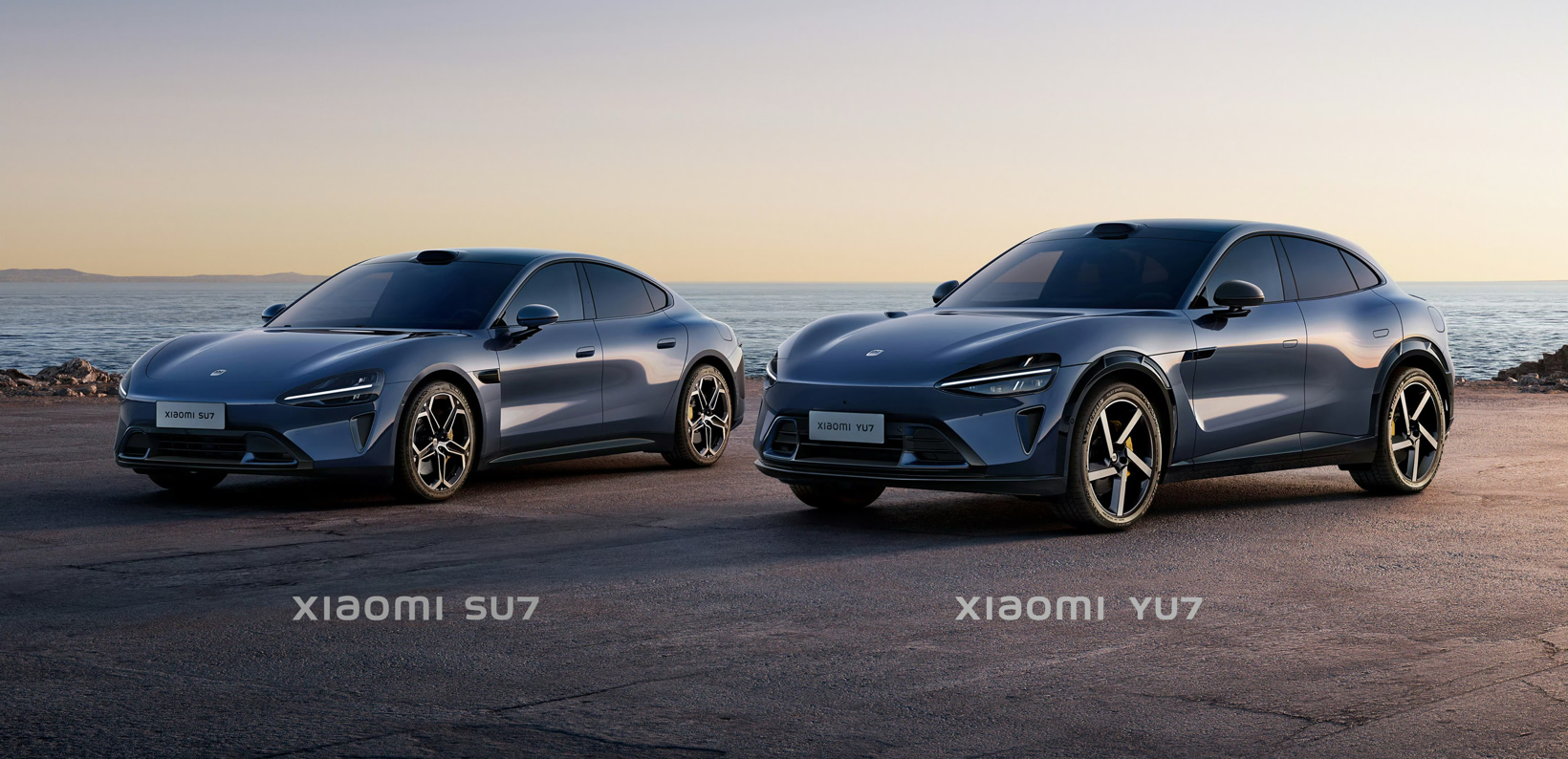
Image Source: Xiaomi EV
It fulfilled its core mission: proving that Xiaomi can build cars—and build them well. In just 22 months, it helped Xiaomi EV surpass 600,000 total deliveries.
As the next-generation SU7 launches, Lei Jun acknowledges that a latecomer inevitably faces greater scrutiny. Only by delivering undisputed results can universal recognition be won. That is the price of entering late—and the only path to building a car that stands the test of time.
For Xiaomi, the SU7's value goes far beyond sales figures; it was a rite of passage. In less than two years, the model completed a daring leap in brand identity, transforming Xiaomi from a cross-border player into an industry heavyweight.
More importantly, it introduced a "consumer electronics" cadence to vehicle replacement. With a product cycle under two years, it pushed flagship iteration speeds to unprecedented levels. This strategy tests the limits of supply chain resilience, but it also paves the way for rapid integration of new technologies and sustained market buzz.
For the auto industry, the shockwaves from the SU7 are reshaping fundamental logic.
Take value standards. By making long-range batteries, LiDAR, and high-strength steel standard across the lineup, Xiaomi turned what used to be costly add-ons into the entry ticket, forcing the industry to rethink the boundary between "basic" and "luxury." It also accelerated a revolution in iteration cycles. As smart features and battery tech evolve rapidly, the traditional 5-to-7-year lifecycle looks increasingly sluggish. The SU7's pace forces a question on competitors: will the future be decided by mechanical durability or the speed of experience updates?
Now, the first-generation SU7 takes its bow. Lei Jun notes that the new model brings upgrades in safety, handling, smart features, and luxury feel. While rising costs mean price adjustments, he believes the offering remains "better and worth more."
That confidence is bought and paid for by 381,000 deliveries. The legacy left behind is more than just numbers; it is a proof of possibility: a latecomer in China's auto industry can write its own rules on its own terms.
Saying goodbye to the Xiaomi SU7 means closing the door on more than just a car—it marks the end of an era's opening act. But the climax of this show is just getting started.


