



Gasgoo Munich- "Each generation has its own Audi A6." Dong Xiuhui, director and general manager of FAW-Volkswagen, made this remark at the launch. It summarizes the model's trajectory in China over nearly four decades. The Audi 100 arrived here first. Subsequent iterations of the A6L followed. Each generation was interwoven with the specific demands of its era.
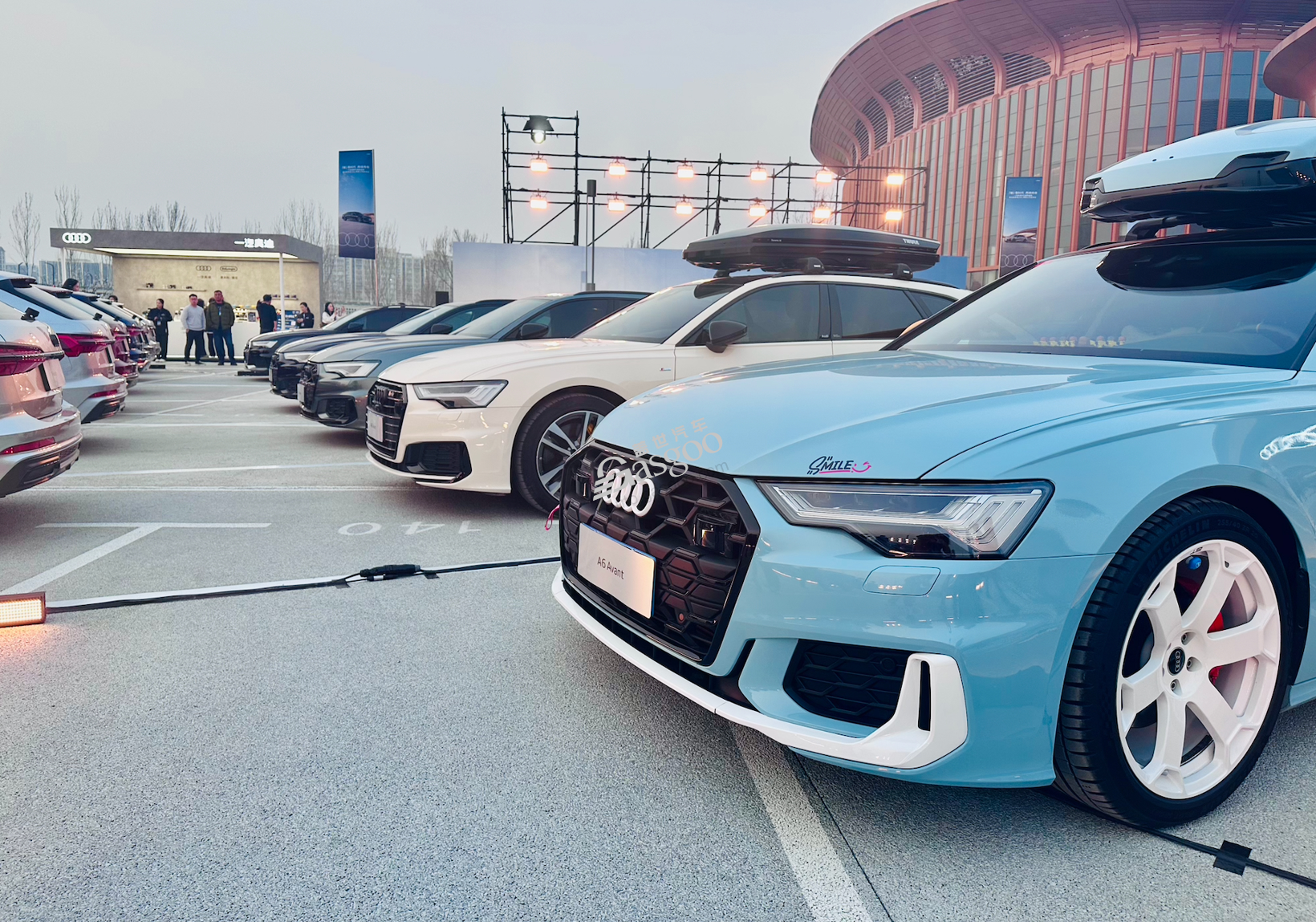
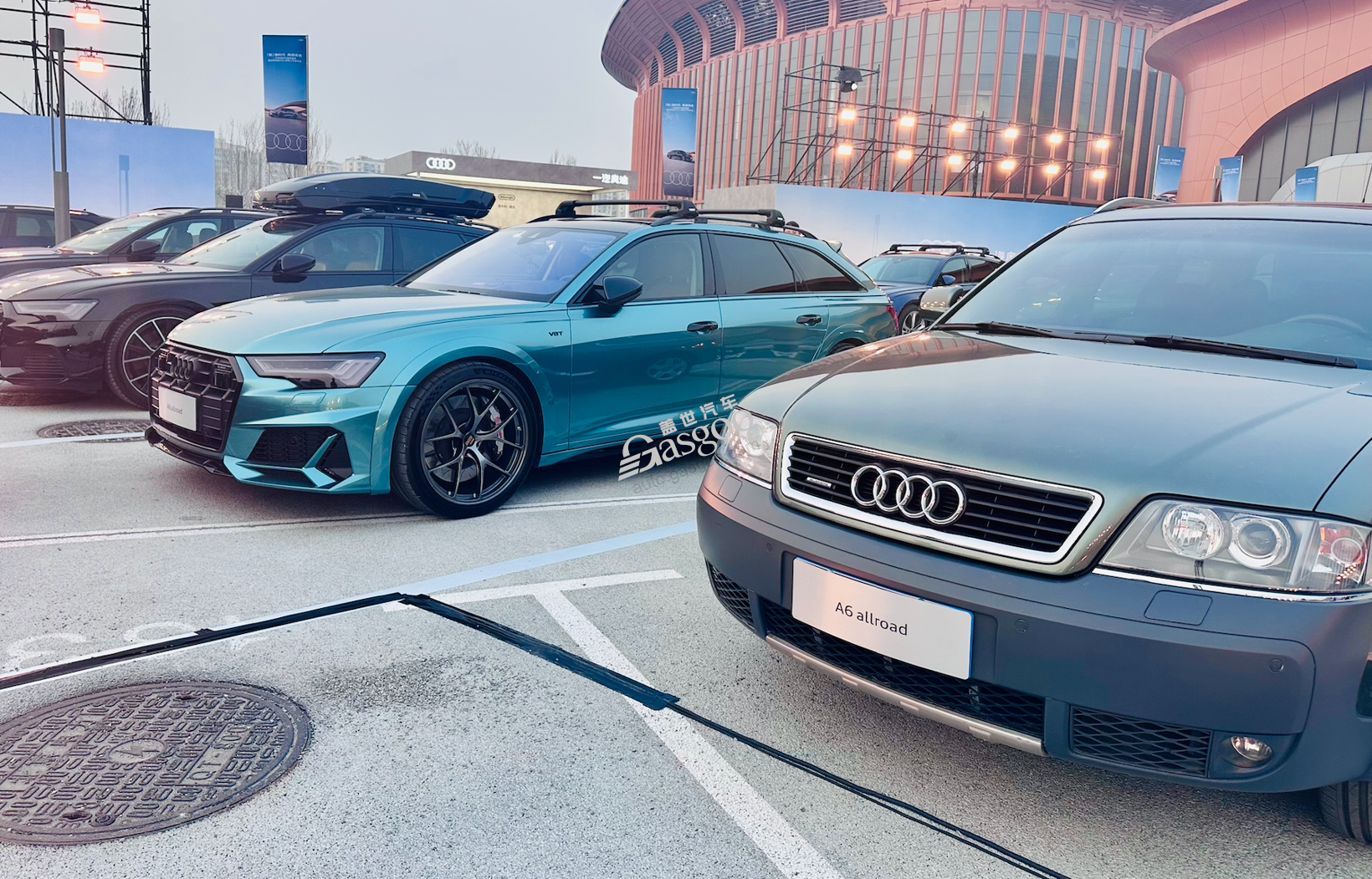
On March 25, six generations of the domestic Audi A6L appeared on stage in Beijing. They witnessed the debut of the all-new ninth-generation model. The launch was themed "Paying Tribute to the Era, Continuing the Legend." It signaled that this 38-year market veteran is recalibrating its positioning. The industry is shifting toward intelligence and electrification.
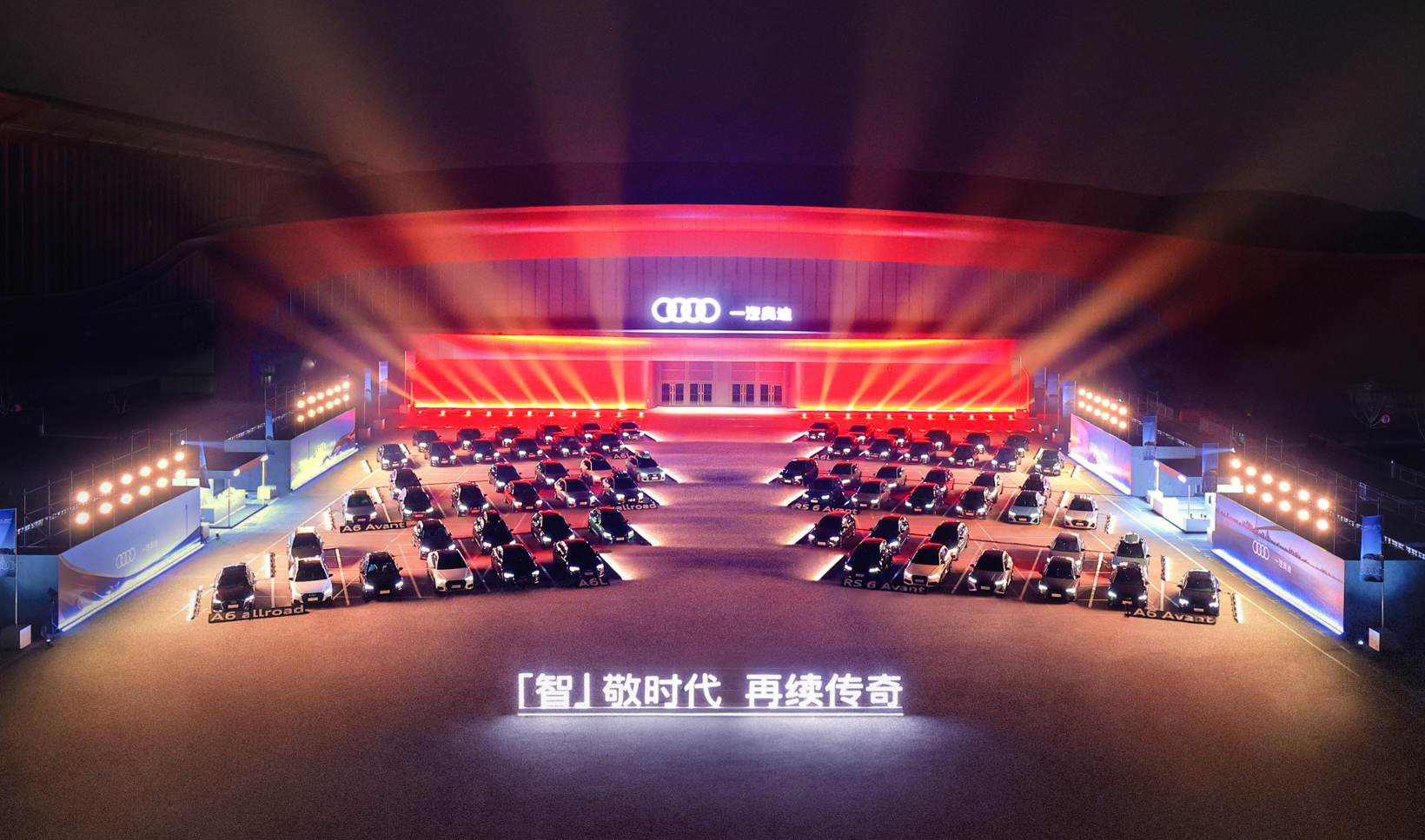
Image Source: FAW-Audi
Audi Has Figured It Out
"Audi has figured it out." An industry insider described the brand this way after seeing the new A6L's pricing. The comment reflects shifts in FAW-Audi's product pricing. It also highlights changes in its technology strategy and market response.
The most visible change is the overhaul of the pricing structure. Guo Yongfeng, executive vice president of FAW-Audi Sales Co., made an announcement. The new A6L starts in the 300,000 yuan range. This is a drop of nearly 100,000 yuan from the previous generation. It includes limited-time offers. For example, a 5,000 yuan deposit can be deducted from the final payment. This strategy significantly narrows the gap with domestic high-end NEVs. It signals a bid for head-on competition with local brands.
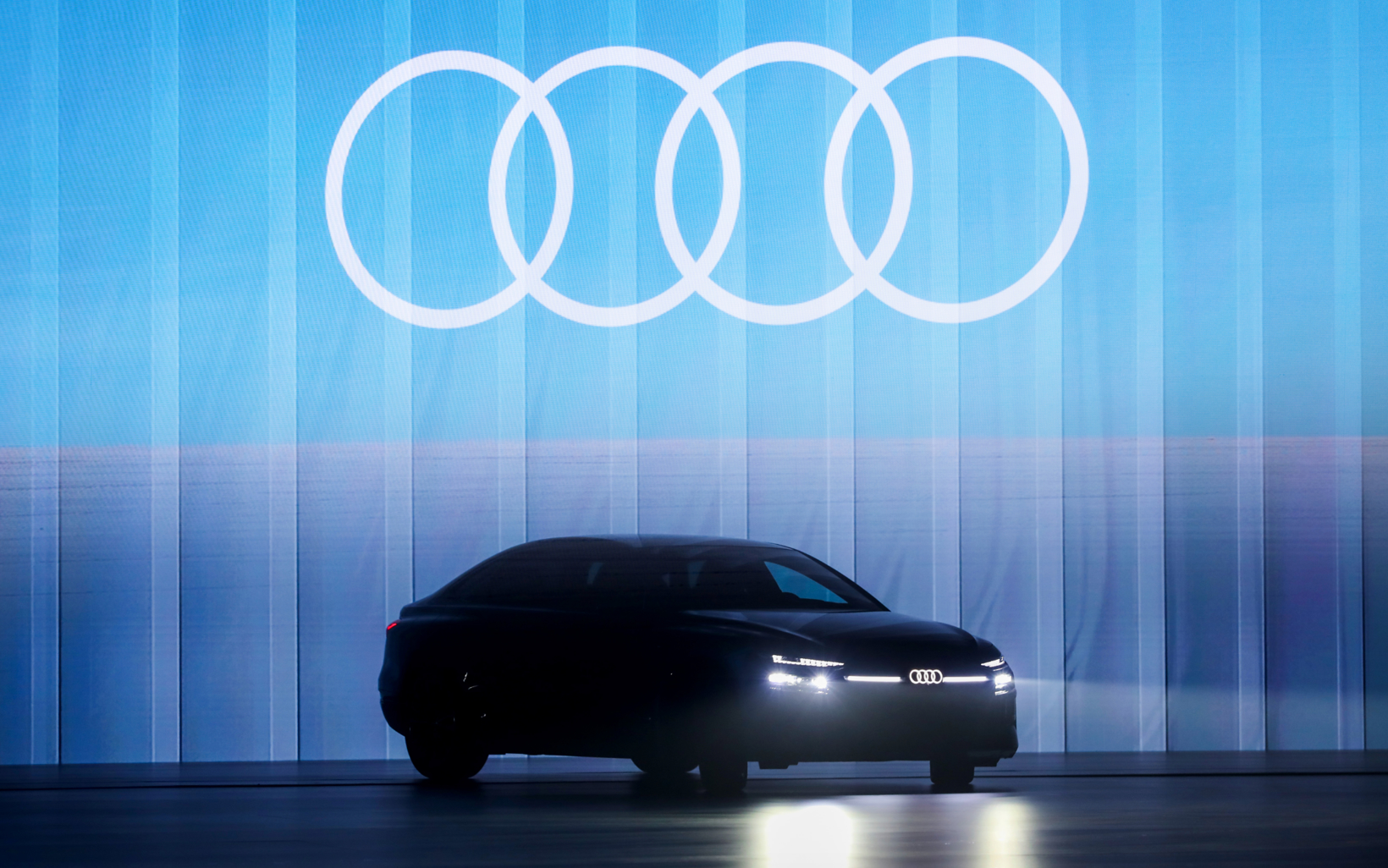
Image Source: FAW-Audi
FAW-Audi's strategy for internal combustion and electric models is also coming into sharper focus. Dong Xiuhui made this clear in his speech. FAW-Volkswagen encompasses the Audi and Jetta brands. It will pursue a strategy of "advancing fuel and electric together with full intelligence." The A6L e-tron opened for pre-sale the same day. The price ranges from 313,000 to 443,000 yuan. This reinforces the signal. Internal combustion and electric models now carry similar price tags.
Audi China President Gernot Döllner has noted a change. The complexity of China's market today far exceeds that of five or ten years ago. Traditional luxury brands must adapt much faster. Against this backdrop, price adjustments are no longer just emergency sales measures. They represent a strategic recalibration at the brand level. The brand is proactively ceding some premium space. This secures a foothold in a market defined by intense competition for existing demand.
On the technology front, Audi is pivoting toward a pragmatic approach. The new A6L is deeply integrated with Huawei's Qiankun intelligent driving system. It features a dual-lidar setup, which is rare for its segment. This enables full-scene assisted driving from city streets to highways. Döllner characterized this partnership as a "deep fusion of Audi's core strengths with China's leading innovative power." It signals a shift for Audi. The brand is moving from a unified global standard to one tailored for local adaptation in intelligence.
Localization extends to the finest details. The new A6L's wheelbase has grown by 42 millimeters to 3,066 millimeters. It offers two distinct styling packages: Elegant and Dynamic. It also introduces three China-exclusive colors: Champagne Black, Deep Ocean Blue, and Mandalo Silver.
Inside, luxury seats feature ventilation and massage functions. There are also 46 acoustic optimizations throughout the cabin. These point to a meticulous focus on the rear-seat experience. This experience is preferred by Chinese users. From product definition to color schemes, local priority is replacing global uniformity. This is the new competitive logic for FAW-Audi.
Today, Chinese expectations for luxury vehicles have shifted. The focus is no longer on singular functions. Instead, it is on a "comprehensive experience of true comfort and freedom." Intelligence, safety, and driving dynamics need to be deeply integrated. This structural shift in user demand is fundamental. It is the reason behind Audi's adjustment of its technological path. The product logic must be reconstructed accordingly.
From pragmatic pricing to open technology, from upgraded configurations to deeper localization, these changes all point in a single direction. FAW-Audi is switching from a brand-centric growth logic. It is moving to a competition logic centered on the market and the user.
The "Sino-German Hybrid" Result
If the pricing overhaul is the external expression of FAW-Audi's changing attitude, the underlying logic is different. It is a profound transformation in its R&D path. The new A6L presents a core characteristic. It is a deep fusion of German engineering systems with Chinese local technical capabilities. This is a new path closer to a "Sino-German hybrid."
Michael Arndt stated clearly at the launch. The new A6L is built on Audi's Premium Platform Combustion (PPC). This represents the culmination of a century of technical heritage. It is combined with deep localized innovation. Together with the Premium Platform Electric (PPE) used by the A6L e-tron, these two platforms form the technical backbone. They support FAW-Audi's dual-track strategy in China. Both stem from Audi's German technical DNA. However, their implementation in the Chinese market is no longer a one-way import.
Take the PPC platform: it retains the core German advantages. These are in chassis architecture, crash safety, and the VMM module. The new A6L is equipped with the new-generation EA839 3.0T V6. It also has the fifth-generation EA888 2.0T engines. It introduces HDI dual-motor hybrid technology. The continuation of adaptive air suspension and all-wheel steering is also notable. It reflects the enduring commitment of German engineering to driving dynamics.
The PPE electric platform features an 800V high-voltage architecture. It also has a high-efficiency electric drive system. This matches current mainstream EV standards in range and charging efficiency.
In terms of intelligence, the brand relies more heavily on Chinese partners. Huawei's Qiankun system works in tandem with Audi's VMM module. It is supported by a dual-lidar layout. This covers full-scene assisted driving needs. The cockpit system uses a multi-screen interactive architecture. Its logic is optimized for Chinese user habits. Guo Yongfeng defined the new A6L as a product. It is a deep fusion between German kinetic expertise and Chinese innovation.
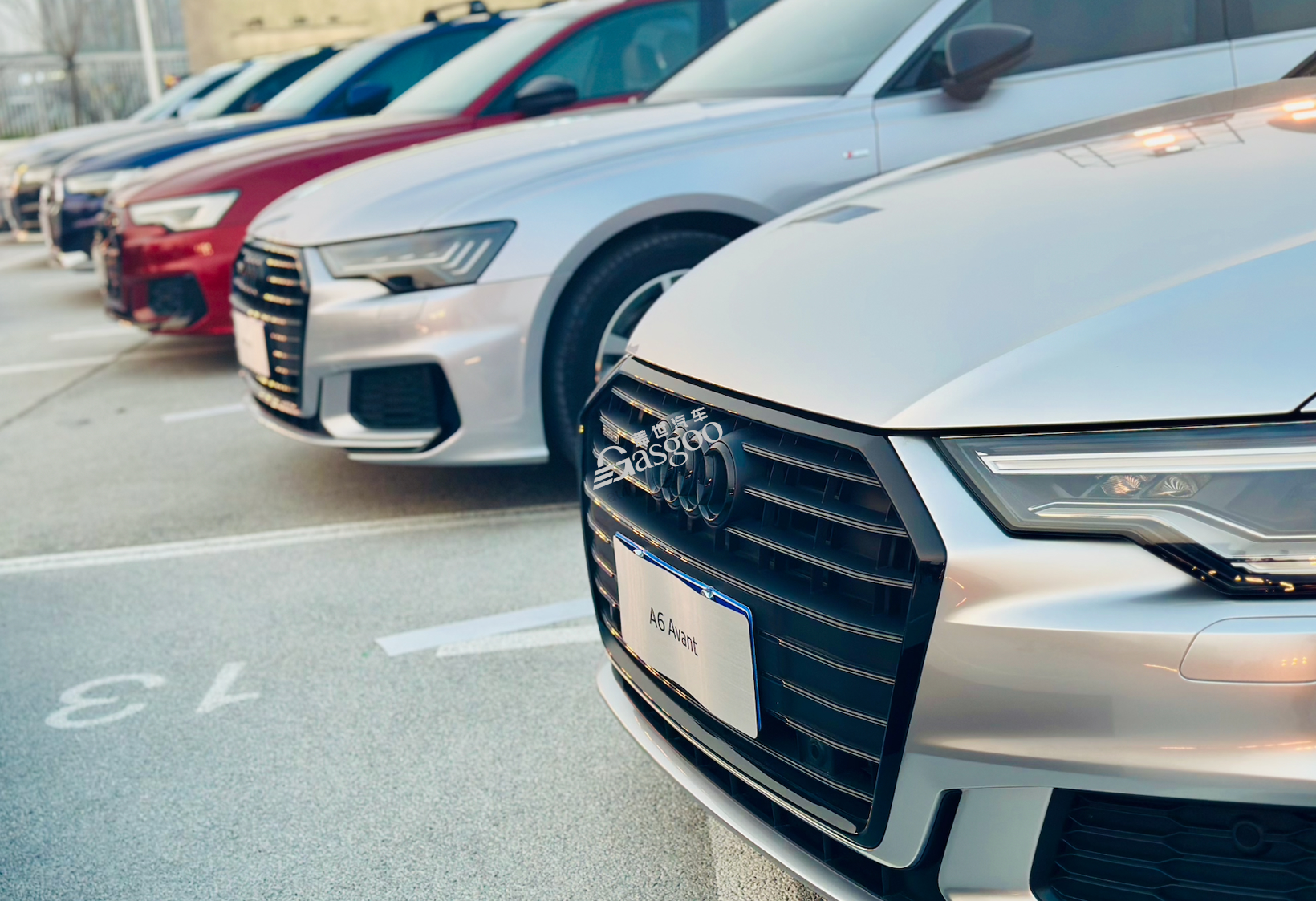
This division of labor can be understood as follows. The underlying architecture and core mechanical systems are led by the German side. This ensures engineering standards and quality systems. Intelligent applications and feature definitions rely more heavily on the Chinese team. Parts of the supply chain also rely on local partners.
Reliance on local companies for key components is deepening. These components include lidar, chips, and software algorithms. FAW-Audi is adjusting its entire vehicle development process around the local supply chain. This aims to improve response speed and iteration efficiency.
Arndt mentioned at the launch that the core of current product development is "deeply integrating digital technology with safety and the driving experience." This indicates the direction of platform development. It aims to integrate mechanical performance and intelligent experience into a cohesive whole. This is achieved through a unified architecture.
From a macro perspective, this "Sino-German hybrid" model reflects structural changes. It changes the R&D systems of multinational automakers in China. In the past, products were defined by German headquarters. The Chinese market was responsible for local production and sales. Now, Chinese teams are gradually participating in the product definition phase. They hold decision-making power in certain modules. The direction of product development is evolving. It is moving from simple mechanical manufacturing to a deep fusion of digital technology and driving experience.
A Full-Scale Counterattack Begins
The launch of products from the A5L to the A6L serves as a market signal. FAW-Audi has entered a phase of full-scale counterattack. Yet, this battle began years ago.
In the early stages of China's electrification transition, traditional luxury brands like Audi were not inactive. However, they were constrained by technology paths and market perception. Some early electric models were labeled as "converted from fuel cars." This created a clear gap between product strength and user expectations.
The subsequent e-tron series was once seen as a signal of electric offensive. However, market results show a different reality. This stage of strategy failed to sync with the rhythm of China's new energy market.
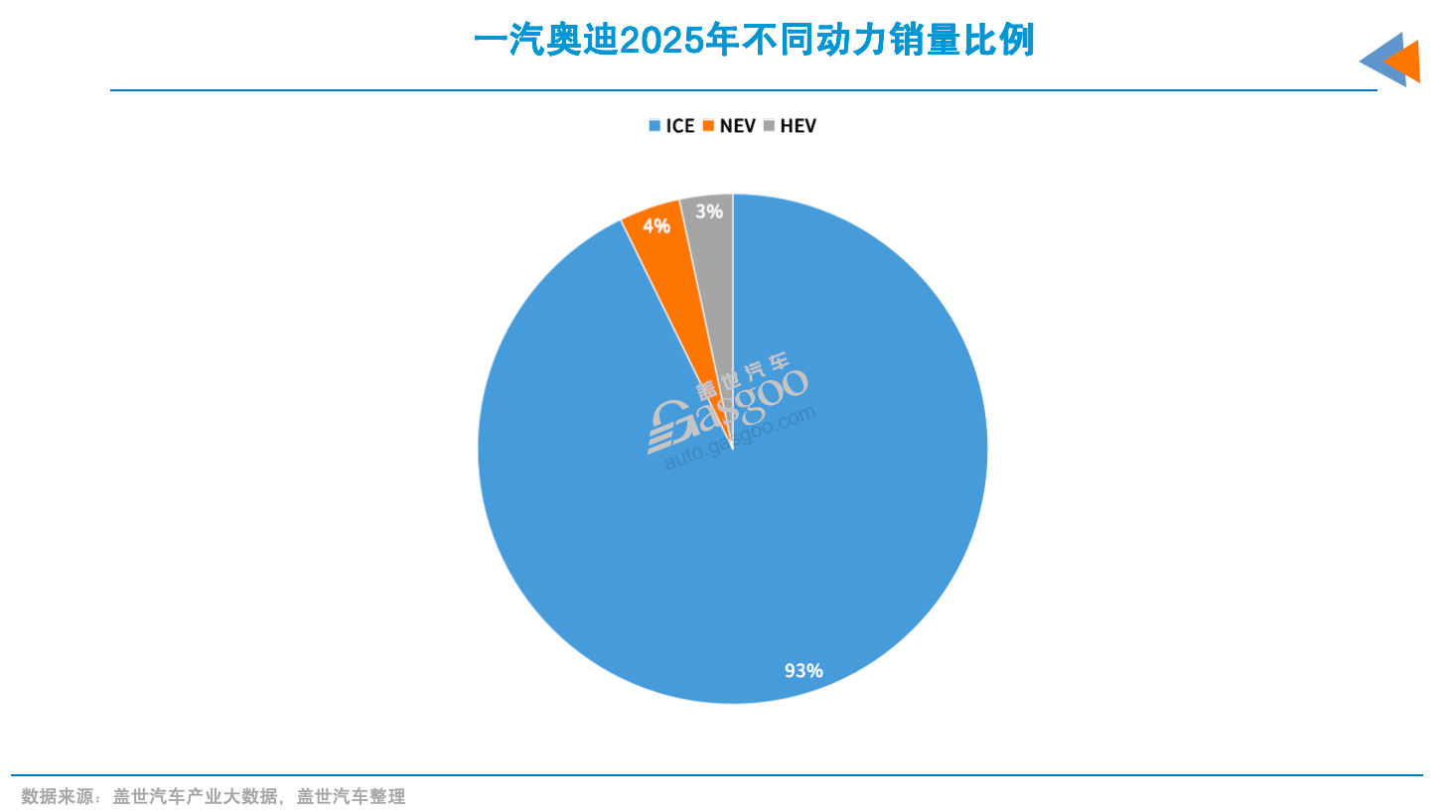
Data from Gasgoo shows that in 2025, FAW-Audi's cumulative sales of internal combustion vehicles reached approximately 561,000 units. This accounted for as much as 96% of the total. Sales of new energy models were only 23,000 units. Meanwhile, the penetration rate of new energy passenger vehicles in China has surpassed 50%. The total production and sales scale exceeded 12 million units.
This divergence in sales structure indicates a significant lag. FAW-Audi's grasp of user electrification needs still lags significantly. Looking across the industry, consumer expectations for luxury EVs have evolved. They have moved beyond the simple form of switching from fuel to electricity. Consumers now demand all-around requirements. These include intelligent experience, charging efficiency, and brand identity.
The counterattack in the true sense began in the second half of 2025. It has entered a new phase with the A6L launch. The logic spans price, product, and strategic execution. It demonstrates a deep alignment with Chinese local automakers. In terms of pricing, the official starting price of the new A5L is 255,800 yuan. This is lower than the current A4L. The new A6L has been cut by over 100,000 yuan. The pre-sale price of the A6L e-tron further narrows the gap with the combustion version. The strategy of "equal pricing for fuel and electric" has officially synced with the competitive rhythm of China's new energy market.
Technologically, FAW-Audi has introduced partners like Huawei. This quickly bolsters its capabilities in intelligent driving and smart cockpits. On the product side, it employs parallel platform lines for fuel and electric vehicles. This shortens iteration cycles and improves response speed to market changes.
The "all-dimensional progression" and "leader of the era" were emphasized by Arndt. They underpin the confidence behind FAW-Audi's new pricing logic. By leveraging scale and platformization, cost advantages are being converted into market competitiveness.
Changes are also evident in the supply chain and marketing. In the past, joint ventures relied on existing global systems. They had relatively stable product rhythms. Today, FAW-Audi is trending closer to Chinese automakers. This applies to its decision-making mechanisms, marketing methods, and the proportion of local supply chain participation.
FAW-Audi's transformation is a passive adaptation to the competitive environment. Chinese brands continue to improve in technology and efficiency. Traditional luxury brands will find it hard to maintain competitiveness if they stick to past operational models. Therefore, adjustments from product definition to pricing strategy are necessary. Adjustments from supply chain to marketing systems are also needed. They are essentially aimed at closing the distance with the market.
Arndt mentioned at the launch that companies today need to "re-understand the value of products and technology with the user at the center." This means FAW-Audi's product logic is shifting. It is moving from starting with the existing system to a reverse-engineering model. This model is guided by market demand. It aligns closely with the approach of Chinese local automakers.
Seeking to Continue the "Legend"
FAW-Audi's goal is to return the A6L to the peak of value in this new era. It aims to continue its 38-year market legend. The realistic foundation for this vision is the deep base. The A6L has accumulated this base in the Chinese market.
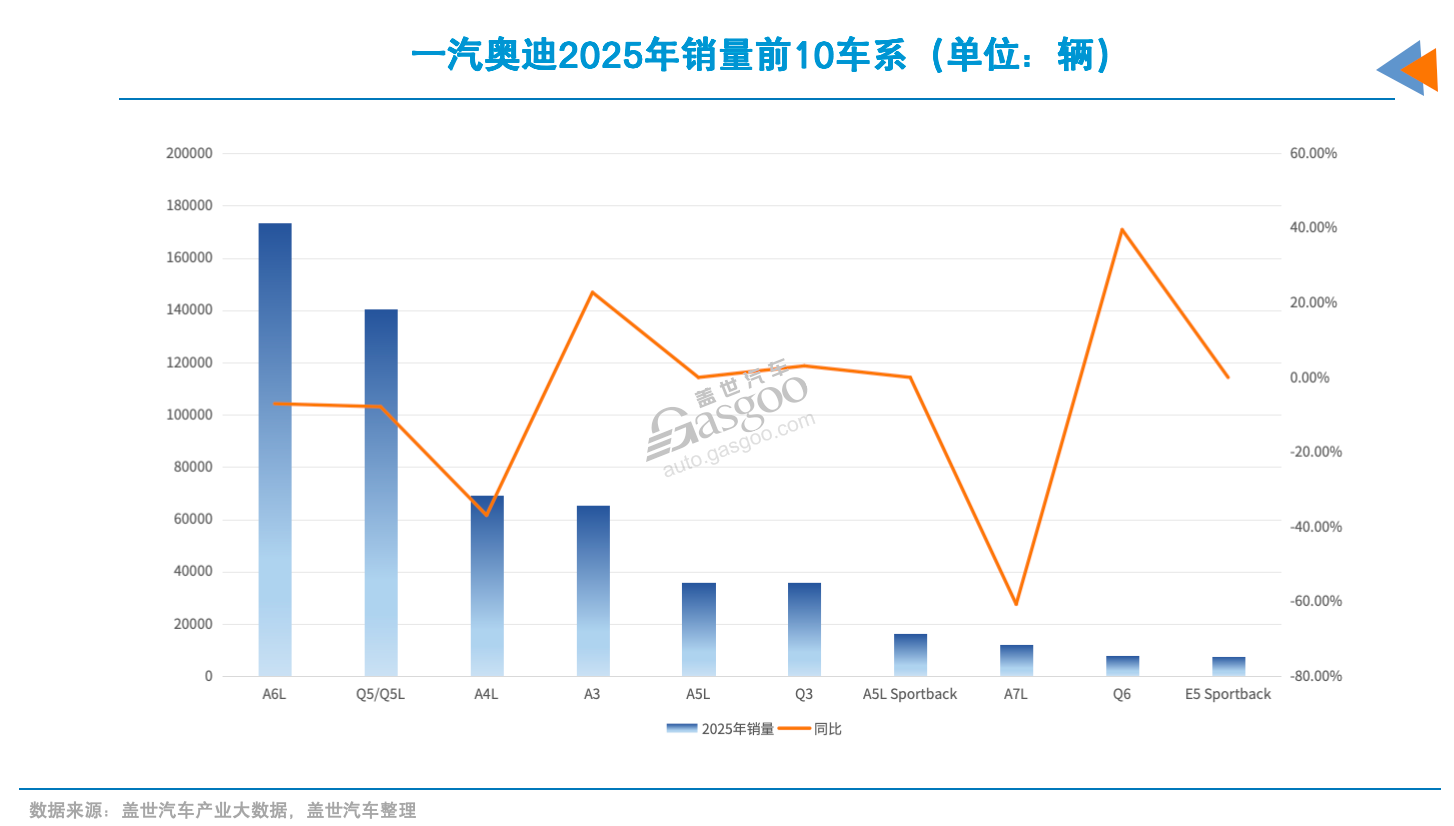
Among FAW-Audi's over 10 million cumulative users, more than 3 million own an A6 series model. This means one out of every three Audis sold is an A6L. In 2025, the A6L's individual sales reached 173,000 units. Together with the Q5L, it accounts for 60% of the brand's sales volume. It serves as a veritable "anchor."
Looking back, the significance of the Audi A6L for China's luxury car market goes far beyond sales figures. In 1988, the Audi 100 entered China. It pioneered the era of domestically produced luxury sedans. In 1999, the A6 took the lead in introducing a long-wheelbase design. This redefined the standard for rear-seat space for Chinese users. Subsequent generations have continued to lead their segment in design, technology, and powertrain.
In a sense, the evolution of the Audi A6L forms an important footnote. It marks the development of China's luxury car market. It has witnessed the takeoff of the Chinese economy. It has accompanied the growth of a generation of elite users. Dong Xiuhui's remark that "each generation has its own Audi A6" is a summary of this historical legacy.
However, continuing a legend is never achieved automatically through historical halo alone. Chinese brands represented by NIO, Li Auto, and AITO have focused their main battlefield on the 200,000 to 500,000 yuan range. This is precisely FAW-Audi's core heartland.
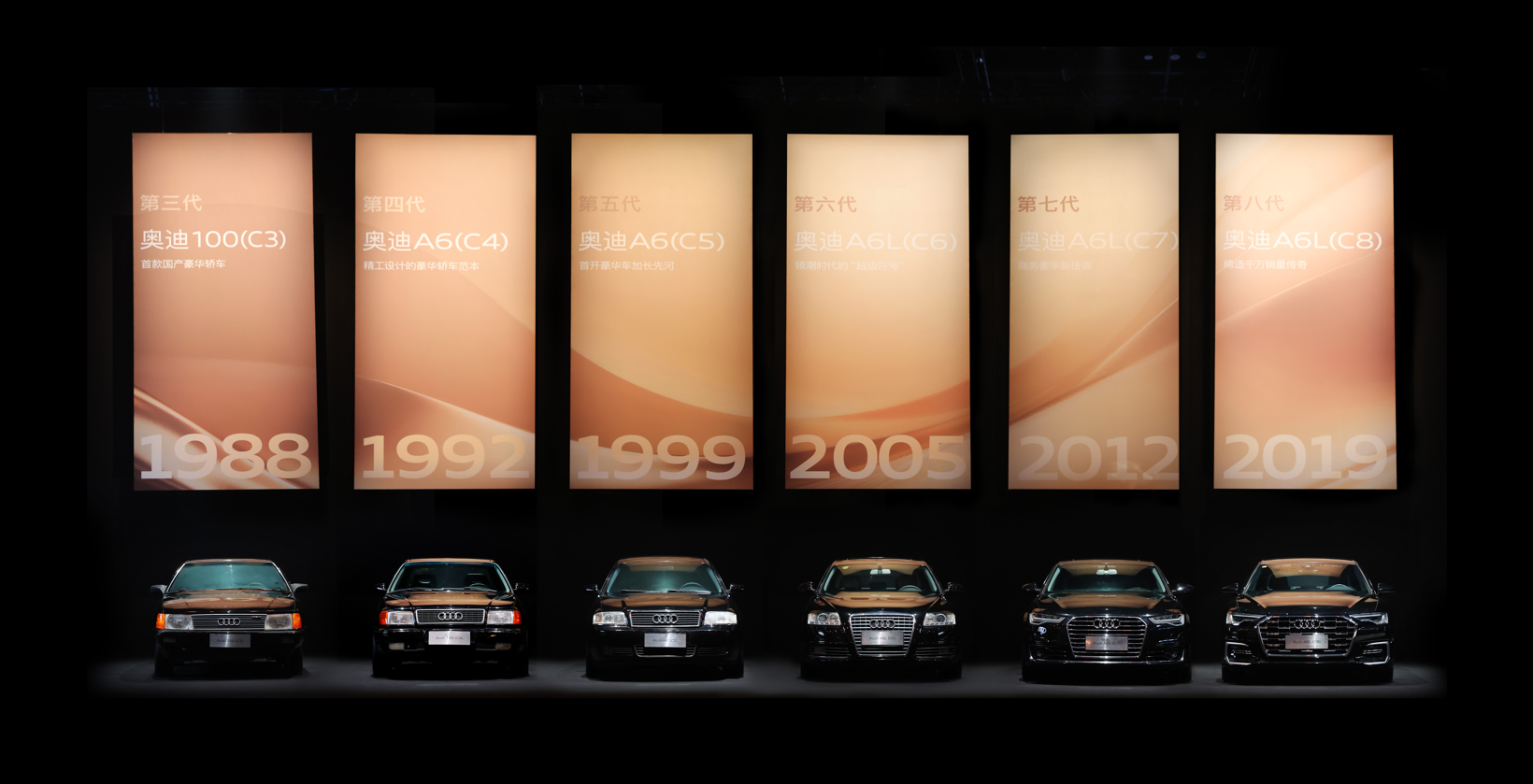
Image Source: FAW-Audi
Relying on differentiated advantages in smart cockpits, independent high-end brands are making strides. They excel in advanced intelligent driving and user operations. They are not only continuously eroding the market share of traditional luxury brands. They are also deeply reshaping consumer definitions of luxury. When "usability as seamless as a smartphone" becomes a crucial dimension, purchasing decisions change. The brand premium that traditional luxury brands rely on is being reassessed.
The impact of this shock is already quantifiable. Data indicates that brand loyalty among BBA owners has fallen below 20%. An increasing number of consumers are moving between camps. They are shifting from the traditional luxury camp to emerging brands. For the Audi A6L, this means it faces not only horizontal competition. It faces competition from internal combustion peers. It also faces a cross-dimensional challenge from the new energy camp.
Against this backdrop, for FAW-Audi to continue its legend in the C-segment market, relying solely on price cuts is clearly insufficient. Replacing old volume with new is also insufficient.
Döllner has explicitly pointed out that safeguarding Audi's brand value and market position is a core task. Arndt also emphasized that the enterprise needs to improve simultaneously across multiple dimensions. These dimensions include reliability, safety, intelligence, and high quality. This is necessary to meet the comprehensive needs of contemporary users.
This means FAW-Audi's future development path is no longer about single-point optimization. It is about a holistic upgrade of systemic capabilities.
Looking back from the vantage point of 2026, it remains difficult to draw definitive conclusions. It is unclear how far FAW-Audi will go in this deep transition toward smart electrification. It is also unclear whether the A6L can hold its ground in the reconstructed market landscape. But one thing is certain. In the modern history of China's automotive industry, the Audi A6L is destined to leave a significant mark. It is not merely the evolution of a model. It is a microcosm of the shifting aesthetics and technological preferences of China's elite class.


