



Gasgoo Munich- On March 19, Gasgoo learned that GAC Group has officially launched a Powertrain Business Unit (BU) as part of its "Panyu Action" reform, upgrading its core powertrain operations into an independent entity. This marks a critical step in the overhaul of GAC's proprietary business, following the establishment of the Hyper Aion BU and Trumpchi BU. By elevating powertrain operations to a strategic level, the automaker is blazing a trail for the market-oriented management of core components at a time when "intelligence for both ICE and EV" has become the industry's new battleground.
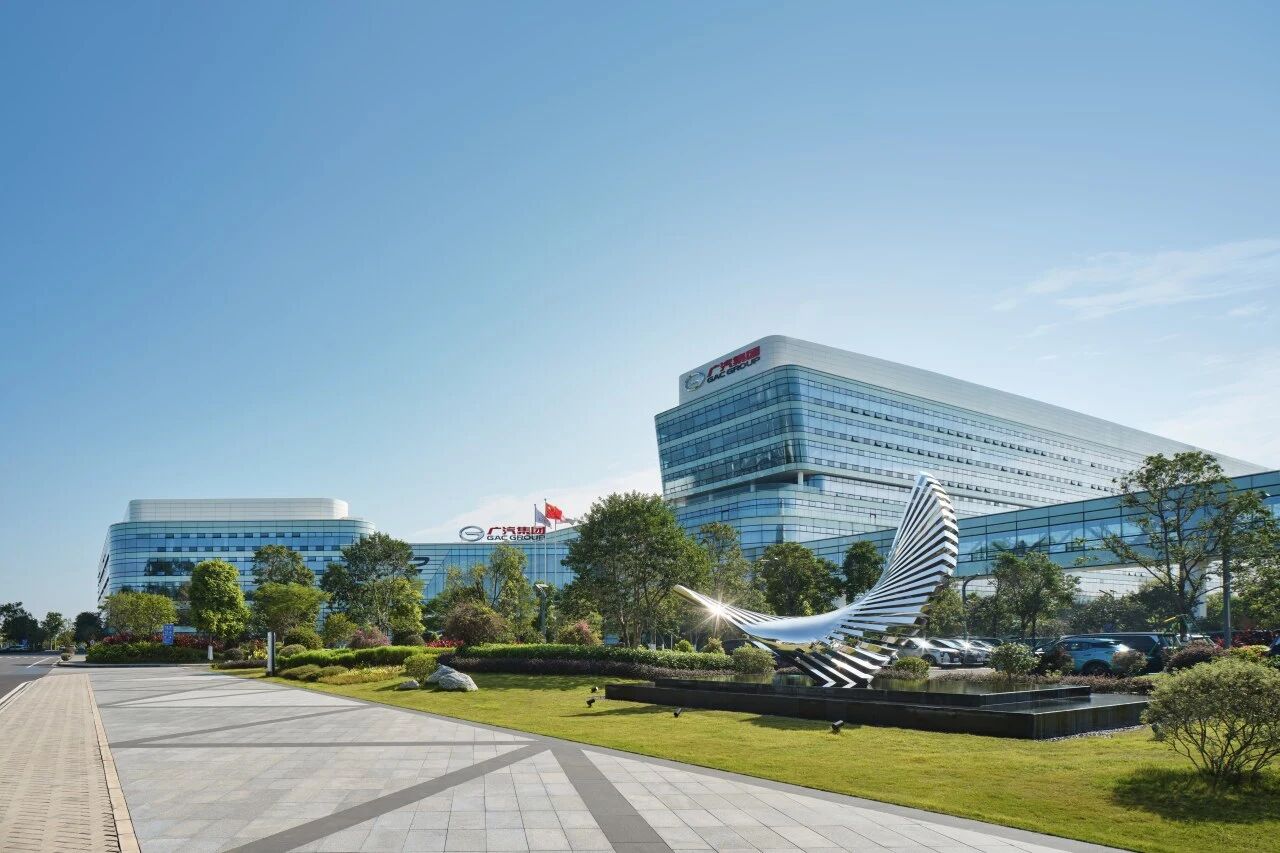
Image Source: GAC Group (same below)
Aggregating Resources, Reconstructing Value
Competition in the auto industry has long evolved beyond a simple contest of finished vehicles into a deep battle for control over the core supply chain. Amid the twin waves of electrification and intelligence, the powertrain remains the "heart" of the car. Its R&D prowess and supply chain dominance not only determine a vehicle's core competitiveness but also dictate the speed and substance of an automaker's strategic transformation.
The core logic behind establishing the Powertrain BU is to reconstruct the entire value chain of the powertrain business through resource aggregation, thereby strengthening independent control over the core powertrain supply chain from the ground up.
As GAC Group's first component-level unit to achieve integrated operations, the Powertrain BU represents far more than a simple organizational reshuffle. It is a comprehensive reshaping of resources and an efficiency upgrade across the entire powertrain lifecycle—spanning R&D, production, supply, and sales.
Although GAC had already achieved breakthroughs across multiple powertrain technology paths—including hybrid engines and range extenders—its technical, production, and market resources were previously scattered across different business units. This fragmentation created efficiency barriers in coordinating with vehicle operations, making it difficult to generate synergistic momentum.
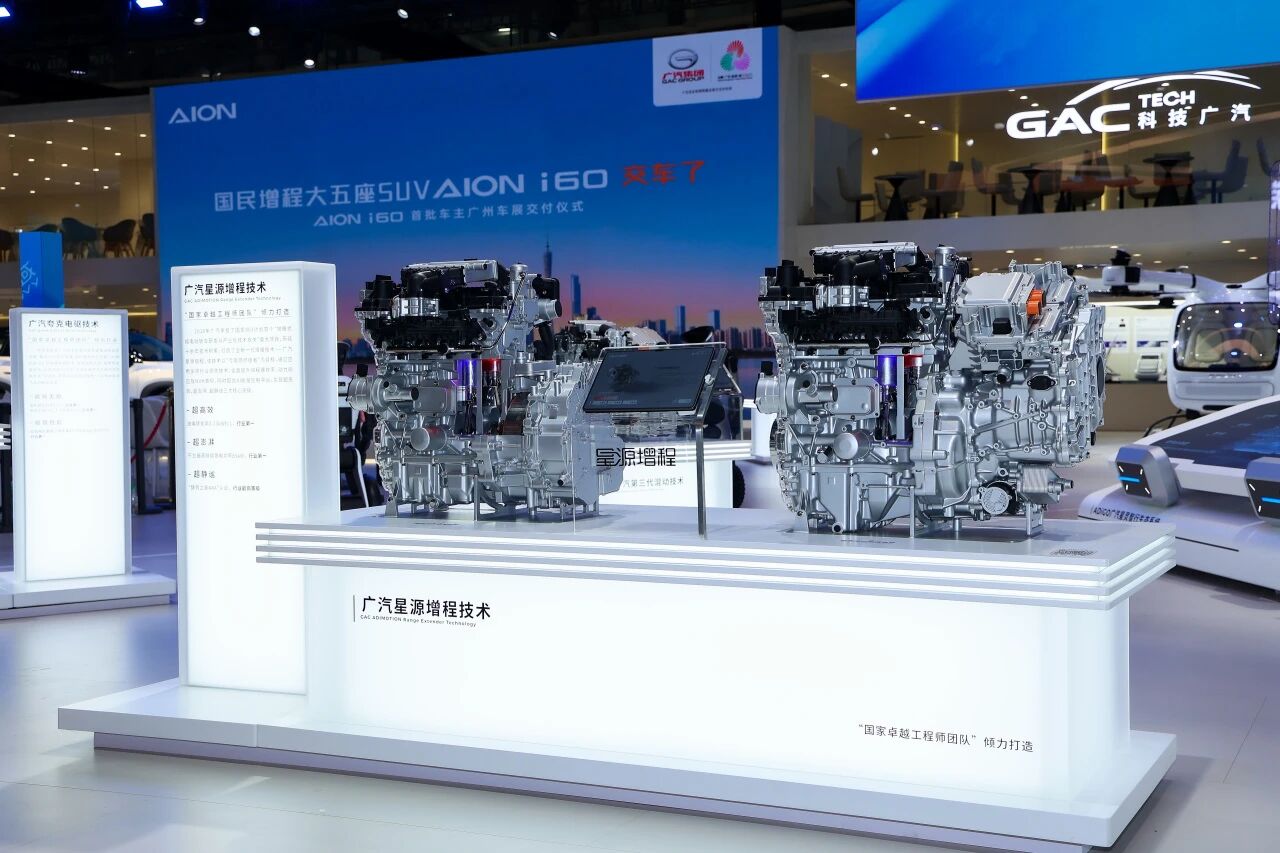
Following this integration, the Powertrain BU has established a highly efficient operating entity that integrates R&D, production, supply, and sales. This consolidation gathers scattered resources into a focused force, ensuring that powertrain development and production align more closely with actual market demands and the pace of vehicle development.
Against the backdrop of GAC establishing "intelligence for both ICE and EV" as a core strategy for 2026, the Powertrain BU has a clear mandate: center on diversified powertrain products, core technological innovation, and powertrain solutions. Armed with a clearer reform path, a more solid technological foundation, and a more agile coordination system, the BU will drive the continuous iteration and advancement of GAC's core powertrain technologies.
This positioning allows the Powertrain BU to transcend the traditional perception of a mere "parts production workshop." It has evolved into a dual-function platform combining technological R&D with product supply. The unit provides customized powertrain solutions for vehicle BUs like Hyper Aion and Trumpchi, ensuring precise matching between powertrains and vehicle models, while leveraging technological innovation to consolidate GAC's advantages in core areas such as hybrids and range extenders.
Relying on the deep integration and sharing of internal resources, GAC is building a powertrain product system that boasts both core competitiveness and cost advantages. This grants the company greater autonomy and leverage over the R&D iteration and cost control of its powertrain systems.
Independent Operation, Open Competition
If strengthening independent control over the core powertrain supply chain is the primary objective of establishing the Powertrain BU, then the key outcome of this reform lies in transforming internal technical advantages into market value through a deep overhaul of the operating model.
As an independent business unit, the Powertrain BU is not limited to supplying GAC's internal operations. Instead, adopting the Integrated Product Development (IPD) process as its core operational framework, it has created a dual-track model: deep internal coordination alongside external market competition.
Internally, the Powertrain BU serves as an agile and reliable "source of technology" and "product supplier" for GAC, achieving a deep "interlock" with the vehicle BUs and the group's R&D system.
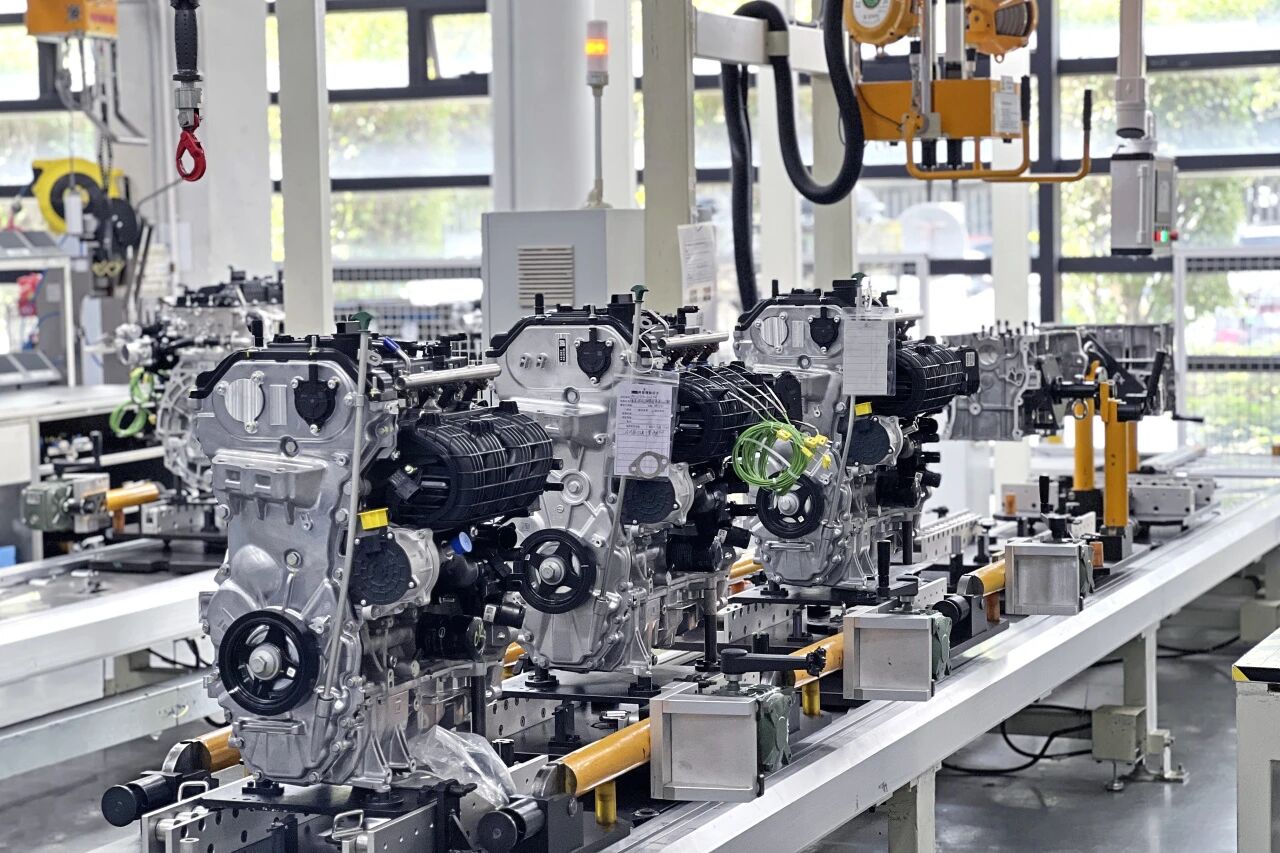
Previously, powertrain development often lagged behind the vehicle development cycle, becoming a bottleneck for product upgrades. The introduction of the IPD process ensures the Powertrain BU is closely linked with the vehicle sector from the very source of market demand. Product positioning and core user needs from the vehicle BUs are now transmitted to the powertrain R&D team immediately, ensuring that solutions not only meet vehicle performance requirements but also respond swiftly to market shifts.
Meanwhile, integrated operations allow the Powertrain BU to coordinate GAC's internal R&D and production resources for optimal allocation. In the production of hybrid engines and range extenders, centralizing capacity and unifying procurement effectively lower unit costs. On the R&D front, aggregating resources makes technological innovation more targeted, avoiding the internal friction caused by redundant research across different business units.
The efficient use of internal resources positions GAC's powertrain products to gain a dual advantage in both cost and performance. This provides the group's vehicle lineup with more cost-effective powertrain solutions, further bolstering the market competitiveness of GAC's proprietary brands.
Externally, its status as an independent entity allows the Powertrain BU to break the boundary of "serving only internal vehicle sectors," opening up space for market-oriented development. It can actively expand into market-driven paths such as technical cooperation and parts supply, truly participating in a more open competitive landscape.
This strategy offers greater room to unleash GAC's powertrain advantages. On one hand, it maximizes the conversion of technological value by supplying powertrain components or complete solutions to other automakers. On the other, market competition acts as a catalyst, compelling the Powertrain BU to continuously enhance its technical strength and product competitiveness, fostering a virtuous cycle of "technological innovation, market verification, and iterative re-innovation."
Conclusion:
From a corporate development perspective, the launch of the Powertrain BU marks a pivotal step in GAC's transformation from a traditional vehicle manufacturer into a modern industrial group capable of both vehicle production and core component supply. This structural upgrade significantly bolsters the company's risk resilience. As competition in the vehicle market intensifies and profit margins compress, the core components business is poised to become a new growth pole for GAC, injecting fresh momentum into its sustainable development.
From an industry standpoint, GAC's exploration offers a new blueprint for the development of core components at traditional automakers. By operating the powertrain business as an independent, market-oriented entity, GAC has broken the limitations of the traditional "internal support" model, transforming the components sector from a mere vehicle supplier link into a business unit with independent market competitiveness.
The subsequent results of this reform—whether GAC can seize first-mover advantage in the "intelligence for both ICE and EV" race and whether its market-oriented exploration can yield replicable experience—will remain a focal point for the Chinese automotive industry.


