



Following the Lunar New Year, GAC Group convened its 2026 high-quality development conference at its Panyu headquarters. At a meeting internally dubbed "work begins, battle begins," Feng Xingya, the group's Party secretary and chairman, set the core operational target for the year: bringing production and sales back to the 2 million mark, achieving positive growth in local output value, and continuously improving operational efficiency.
This target places GAC squarely in the spotlight. In 2025, the group sold 1.72 million vehicles, a 14.06% drop from the previous year. To achieve roughly 16% growth and reclaim the 2 million threshold within a year, the automaker—anchored by joint ventures GAC Toyota and GAC Honda, alongside proprietary brands Trumpchi and Aion—faces a critical question: what is its next move?
From a Strong Start to a Turnaround Battle
GAC's decision to release its annual target in late February is notable for its timing.
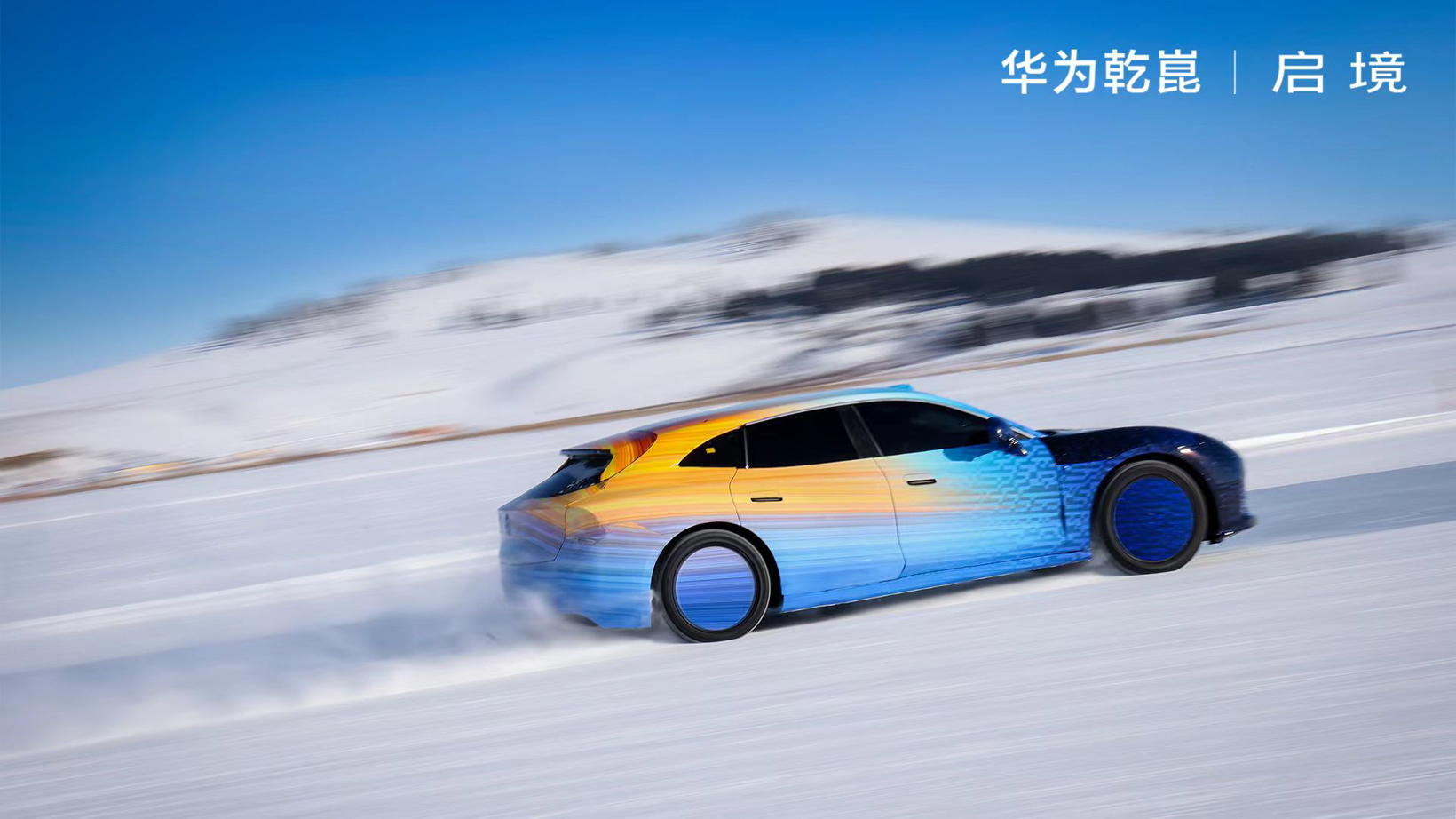
Image source: Qijing Auto
Just a day before the meeting, Guangzhou's high-quality development conference explicitly stated plans to fully open autonomous driving scenarios across the region. The city pledged full support for deepening strategic cooperation between GAC and Huawei to jointly build "Qijing," a high-end intelligent new energy vehicle brand. This policy signal provided external momentum for GAC's annual tone-setting.
Internally, GAC's confidence stems partly from January's market performance. Data shows GAC Group sales reached 116,600 units in January 2026, an 18.47% year-on-year increase, even as national auto sales fell 3.2% over the same period. Feng described this counter-trend growth as a "strong start," serving as a key basis to "rally the confidence of all employees to forge ahead."
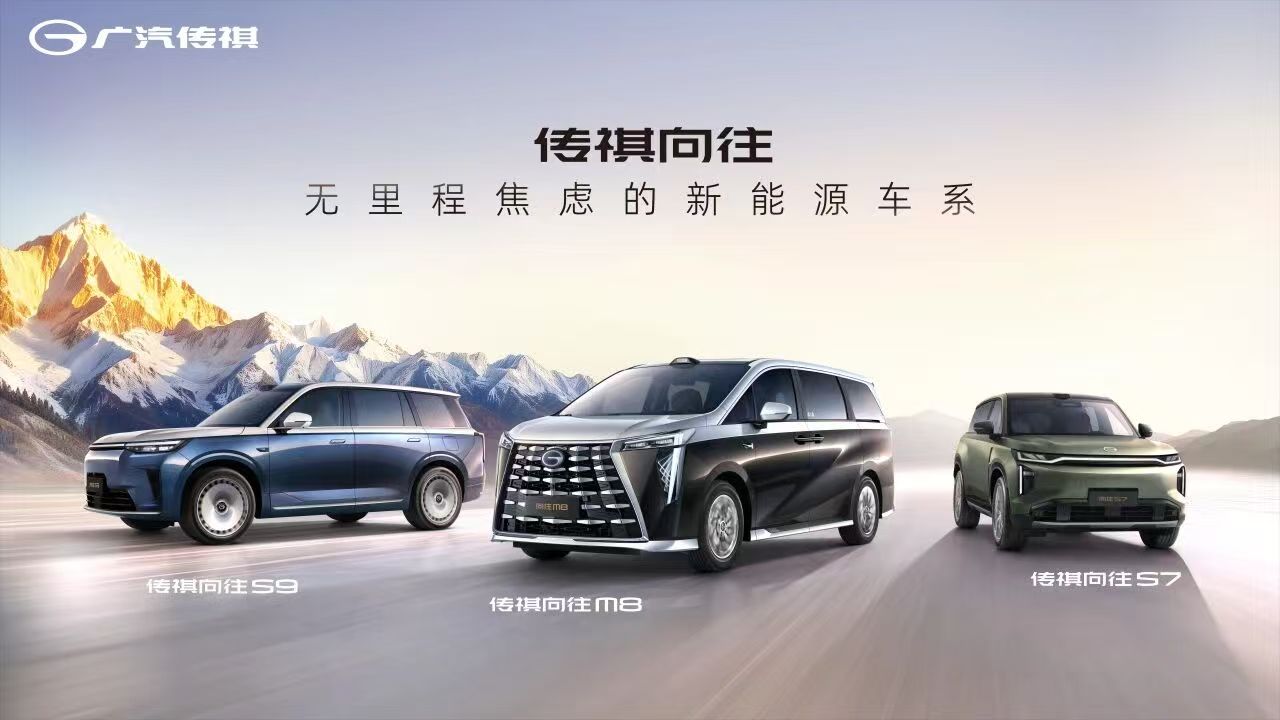
Image source: GAC Group
A breakdown of January data reveals that proprietary brands drove the sales growth. GAC Trumpchi sold 27,700 vehicles, up 51.06%, while GAC Aion sold 21,600 units, surging 171.63%. The combined share of proprietary brands rose to 42.41%. This structural shift is significant against an industry backdrop where joint venture brands are generally under pressure.
Yet the challenges are equally stark. In 2025, GAC Honda sales fell 25.22% to 351,900 units. GAC Toyota managed a 2.44% rise to 756,000, but growth momentum is clearly fading. Balancing the "stability" of the joint venture sector with the "strength" of the proprietary brands is a dual front GAC must advance simultaneously.
In 2024, group sales hit 2.00 million, maintaining a scale above 2 million for eight consecutive years. Thus, the 2026 target is essentially a "return" rather than a "breakthrough"—but the competitive landscape of the industry has shifted irrevocably.
Three Major Tasks and Two Key Pivots
At the conference, Feng summarized the year's main thrust in nine characters: "Stabilize JVs, Strengthen Proprietary Brands, Expand Ecosystem." This strategic framework corresponds to GAC's current three business segments and points to distinct reform priorities.
Regarding joint ventures, GAC Toyota is tasked with "consolidating the internal combustion engine base and expanding NEV product advantages," while leveraging global channels to boost exports. GAC Honda, meanwhile, must "address shortcomings in NEV and intelligent development" and achieve cost reduction and efficiency gains through localized adaptation. The difference in wording reveals distinct transition rhythms: Toyota focuses on expansion amid stability, while Honda must accelerate to close the gap.
For the proprietary sector, Feng outlined the "three battles": user demand, product value, and service experience. Specific measures include pushing management to the front lines, using IPD reforms to build differentiated products, and driving marketing transformation guided by Net Promoter Score (NPS). These initiatives point to a single objective: boosting the competitiveness of proprietary brands in the retail market.
If joint ventures and proprietary brands are GAC's "foundation," then overseas markets and the Qijing brand have been entrusted with the mission of driving "incremental growth."
Overseas, GAC has set a clear target of reaching the 200,000-unit scale this year. In 2025, proprietary brand exports approached 130,000 units, a 47% increase. Adding another 70,000 units within a year requires a more aggressive localization strategy. Feng emphasized focusing on key regions, accelerating local production, and advancing the "Thousand Network Plan."
The Qijing brand plays a unique role. It is a high-end intelligent NEV brand co-created by GAC and Huawei, with its first model positioned as a shooting brake and slated for launch in June 2026. The partnership model is defined as "deep co-creation"—Huawei provides technical solutions like Qiankun Intelligent Driving and HarmonyOS cabins, while importing its IPD (Integrated Product Development) and IPMS (Integrated Product Marketing and Service) processes to GAC. Official information indicates the first Qijing model will feature Huawei's Qiankun L3 autonomous driving hardware architecture, with plans to establish over 300 sales channels in 70 cities nationwide before launch.
Strategically, Qijing carries more than just sales volume. Feng's demand to "ensure victory in the first battle" underscores GAC's dual expectations for a breakthrough in the high-end segment and a successful intelligent transformation.
Beyond specific business deployments, GAC's organizational adjustments are equally noteworthy. In 2025, the group established a "2+3+X" management system, with the Aion BU and Trumpchi BU officially commencing operations to preliminarily integrate R&D, production, supply, and sales for proprietary brands. Public information shows that after implementing the IPD system, new vehicle development cycles were cut from 26 months to 18–21 months, with R&D costs falling by over 10%. The effectiveness of these reforms will be tested by GAC's product rollouts in 2026.
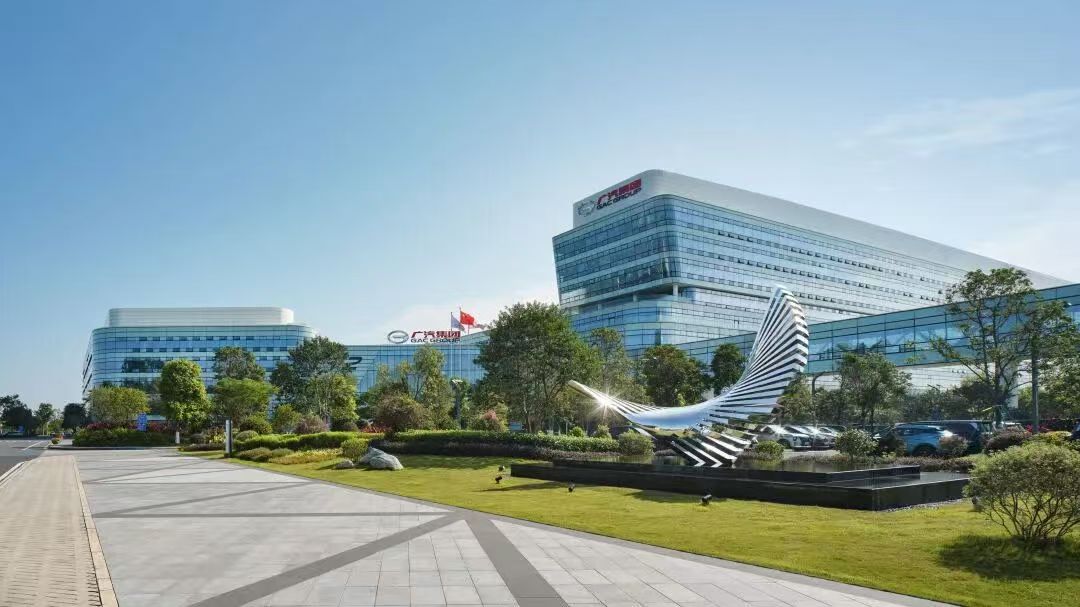
Image source: GAC Group
For GAC, 2026 is destined to be a pivotal year. On one hand, the "Panyu Action" is entering a critical phase of connecting past and future; on the other, performance in the opening year of the 15th Five-Year Plan will directly influence subsequent strategic pacing. As industry competition shifts from incremental growth to stock battles, the 2 million target serves as both a test of internal reform effectiveness and a scrutiny of market adaptability.
Before GAC lies a path requiring simultaneous advances on multiple fronts: stabilizing the joint venture foundation, strengthening proprietary brands, expanding overseas, and refining the new brand. Each front has clear quantitative targets, but whether they can form a cohesive force depends on the depth of organizational change and market feedback on product launches.
As Feng stated at the conference, the goal is to drive reform from the reshaping of "form" to the elevation of "spirit." That transformation process may prove more compelling than the numbers themselves.


