



What made headlines in the auto industry at home and abroad this week?
Changan Automobile denies "scrapping year-end bonuses," likely to pay 4.3 months' salary + 3,000 yuan
On Jan. 7, Changan Automobile issued a statement formally addressing online rumors that it had canceled year-end bonuses. The company said the claims are false. Changan's overall business outlook for 2025 is steady; based on annual performance and incentive criteria, it has formulated and is implementing an incentive plan to safeguard employee rights and support sustainable development.
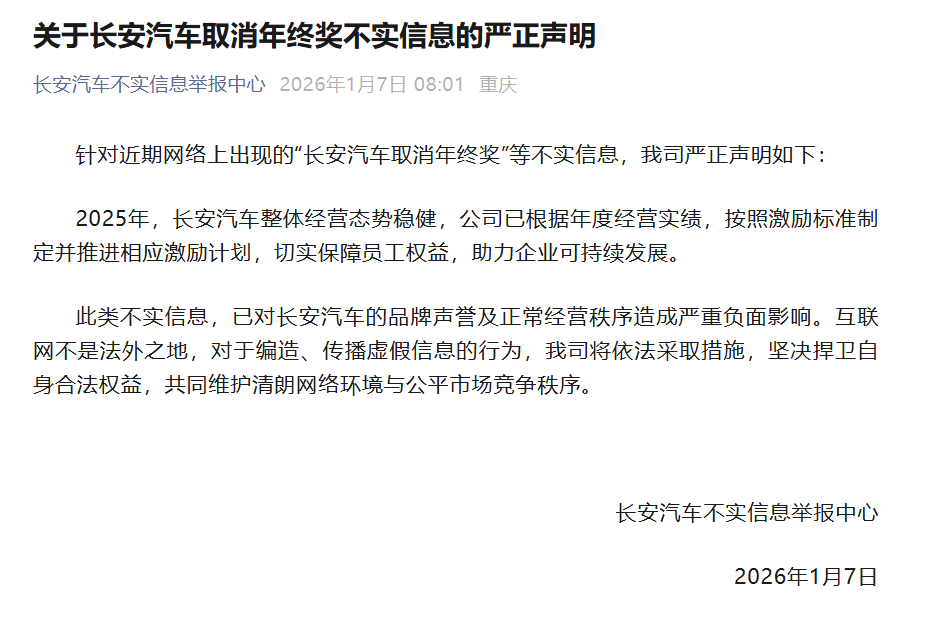
Image source: Changan Automobile Misinformation Reporting Center
Changan emphasized that false information has hurt its brand reputation and business order, and said it will pursue legal action against those who fabricate or spread such rumors.
Gasgoo learned from multiple industry insiders close to Changan that some departments completed briefings on the incentive plan on Jan. 6, covering manager-level staff. Based on current information, the year-end bonus structure is 4.3 times monthly salary plus a fixed 3,000 yuan, with payouts expected to be completed by Feb. 10. The release of these specifics, in turn, confirms that the "incentive plan" mentioned in Changan's statement is moving into execution.
As details around Changan's year-end incentives come into focus, online debate has shifted. Employees from other automakers posted on social media: "Two days ago I was laughing at Changan; now I'm laughing at myself." Many users added, "These days, having any year-end bonus at all is already good."
Gasgoo take: The reversal isn't about whether a bonus exists — it's that under steady operations, the alignment of corporate and employee interests still holds.
Chery Group targets 3.2 million units of sales in 2026
On Jan. 6, Chery Group set its 2026 sales target at 3.2 million units — a 14.03% increase from 2025. Chery Automobile 9973.HK (hereinafter "Chery Automobile") and its five brands aim to achieve 3 million units of sales, up 14.01%.
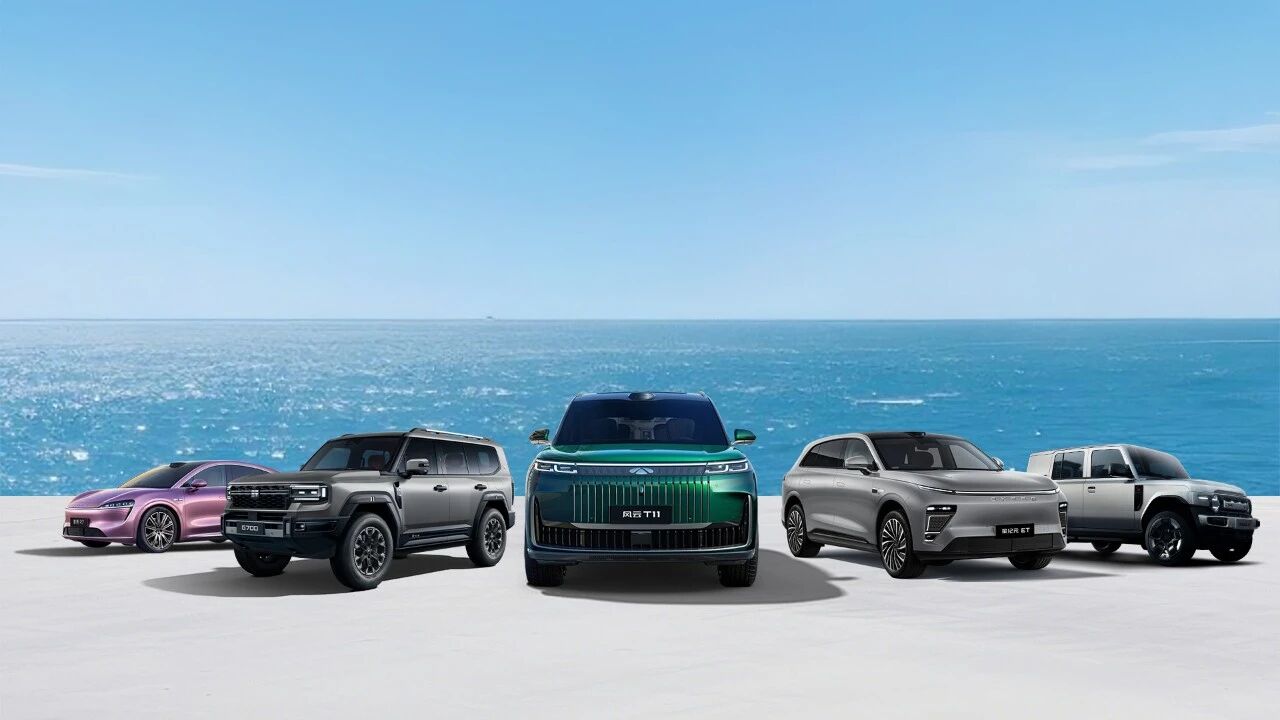
Image source: Chery Group
Data show Chery Group sold 2.81 million vehicles in 2025, up 7.8%. Chery Automobile's full-year sales reached 2.63 million, up 8%. Among its major passenger-car brands, growth was steady: CHERY brand sold 1.70 million; EXEED 120,369; JETOUR 622,590; iCAR 96,989; and LUXEED 90,493.
Notably, in 2025 Chery Group broke new ground across four areas: sales, exports, new energy and quality.
Sales breakthrough: full-year sales reached 2.81 million, with cumulative global users at 18.53 million.
Export breakthrough: December exports rose to 144,430 vehicles, up 46.8% year on year, topping 140,000 for the first time in a single month; full-year exports climbed to 1.34 million, up 17.4%; cumulative exports hit 5.85 million — setting single-month, annual and cumulative export records for a Chinese automaker. Chery has led Chinese-brand passenger-car exports for 23 straight years.
New energy breakthrough: full-year new-energy sales reached 903,847, up 54.9%.
Gasgoo take: A 3.2 million target implies 14% growth. The momentum from exports and NEVs is the backbone for that ambition.
Reports say Dongfeng Motor plans passenger-car production in Turkey
According to foreign media, Dongfeng Motor's dealer in Turkey recently disclosed the company is in talks with an investor and plans to launch passenger-car production in Turkey.
Marcar CEO Yavuz Cirak, who is part of the talks, said in a LinkedIn post: "We are pushing ahead and striving to begin production within the year." The statement noted the partner has finalized the production facility, but a final investment decision is still pending with negotiations ongoing. Marcar will handle local sales and service support for Dongfeng models in Turkey.
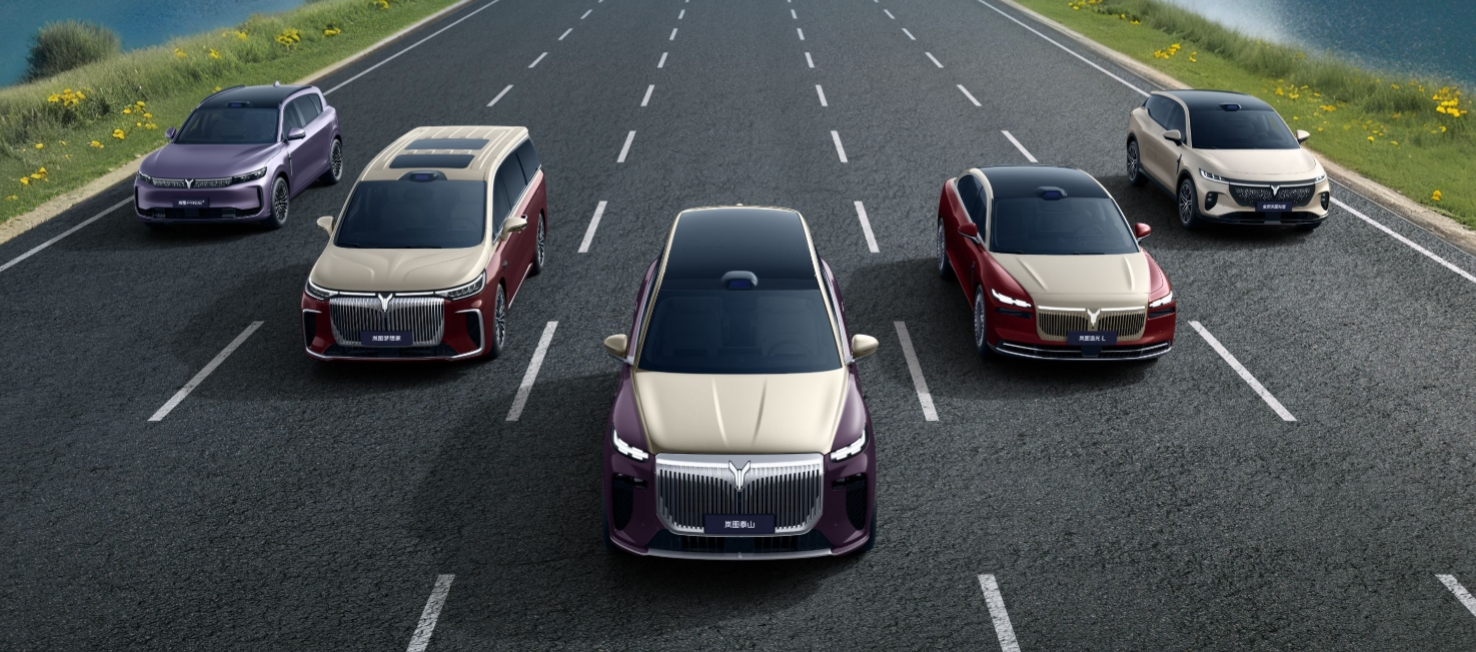
Image source: VOYAH
Dongfeng Motor has yet to respond to Reuters' request for comment.
It's worth noting that VOYAH, Dongfeng's premium brand, said via its official Instagram account in Turkey that local production of one of its hybrid models is in preparation.
According to the Automotive Distributors and Mobility Association (ODMD) on Jan. 7, despite high taxes and tighter financing, Turkey's auto sales in 2025 rose 10.5% year on year to 1.37 million, a record high. In December alone, sales increased 12.6% to 191,620.
ODMD Chairman Haydar Bozkurt said demand growth is driven by Turkey's large population base, rising mobility needs and an aging vehicle fleet.
Turkey also has a free-trade agreement with the European Union. Even so, cars exported from China to Turkey face additional tariffs, prompting several Chinese automakers — including Chery — to seek local manufacturing with Turkish partners. BYD, for its part, is expected to start production in Turkey by late 2026.
Gasgoo take: Local manufacturing is the surest way around tariff barriers. Dongfeng's move keeps pace with the new rhythm of Chinese automakers going global.
Autoliv's Shanghai Jiading plant Phase II officially starts production
On Jan. 9, Autoliv announced the Phase II project at its Shanghai Jiading plant is now operational, further strengthening its smart manufacturing footprint and local production capabilities in China.
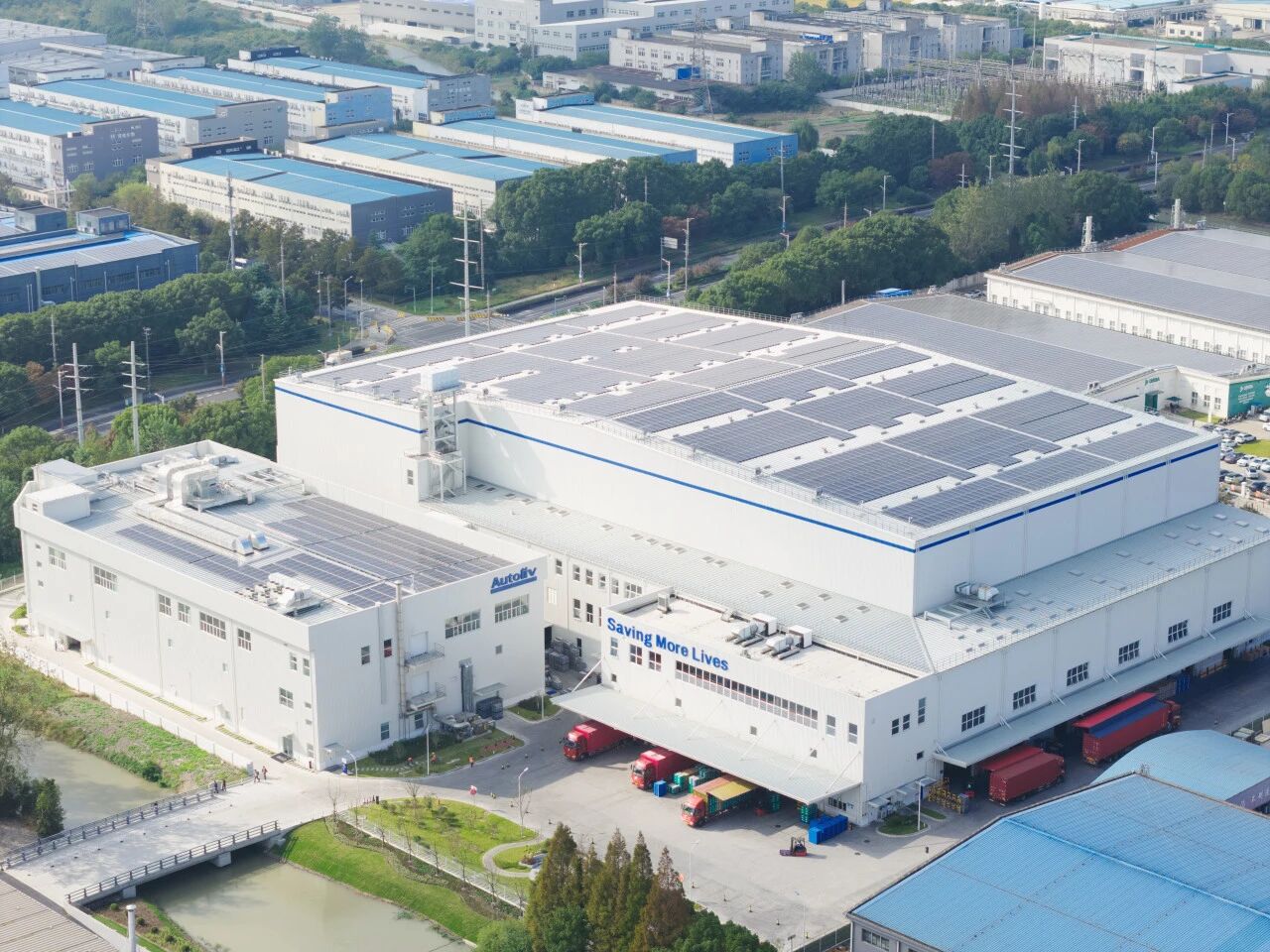
Image source: Autoliv
The expansion was signed in August 2022 with a total investment of 350 million yuan and broke ground in March 2024. Positioned as Autoliv's flagship airbag plant in China, it houses the largest fully automated high-bay warehousing system in Autoliv's China operations. By integrating world-class production and logistics equipment and deeply embedding IoT and automation, the plant enhances both supply-chain responsiveness and operational efficiency.
Even more notable: the site features Autoliv's largest smart high-bay warehouse globally — a core asset backed by technical autonomy and innovation leadership granted to the China team.
The expansion marks Autoliv's latest step in deepening its China footprint. Since entering China in 1989, Autoliv has built an extensive local network. Its China headquarters, main tech center and multiple core plants are all located in Shanghai's Jiading district. In recent years, the company has stepped up investment in China — expanding smart plants in Hefei and Guangzhou — and in 2025 established its second China R&D center in Wuhan.
Gasgoo take: With Phase II online, Autoliv is bolstering local manufacturing through smart warehousing and greater technical autonomy. A multi-plant footprint and dual R&D centers round out a "China serving the world" supply and innovation system.
Schaeffler teams up with Neusoft REACH to build an SDV software-hardware platform
On Jan. 6, Schaeffler told Gasgoo it has signed a strategic cooperation framework agreement with Neusoft REACH. The partners will collaborate deeply in software-defined vehicles (SDVs), combining strengths in automotive ECUs and software platforms to co-develop integrated controller solutions for global markets.
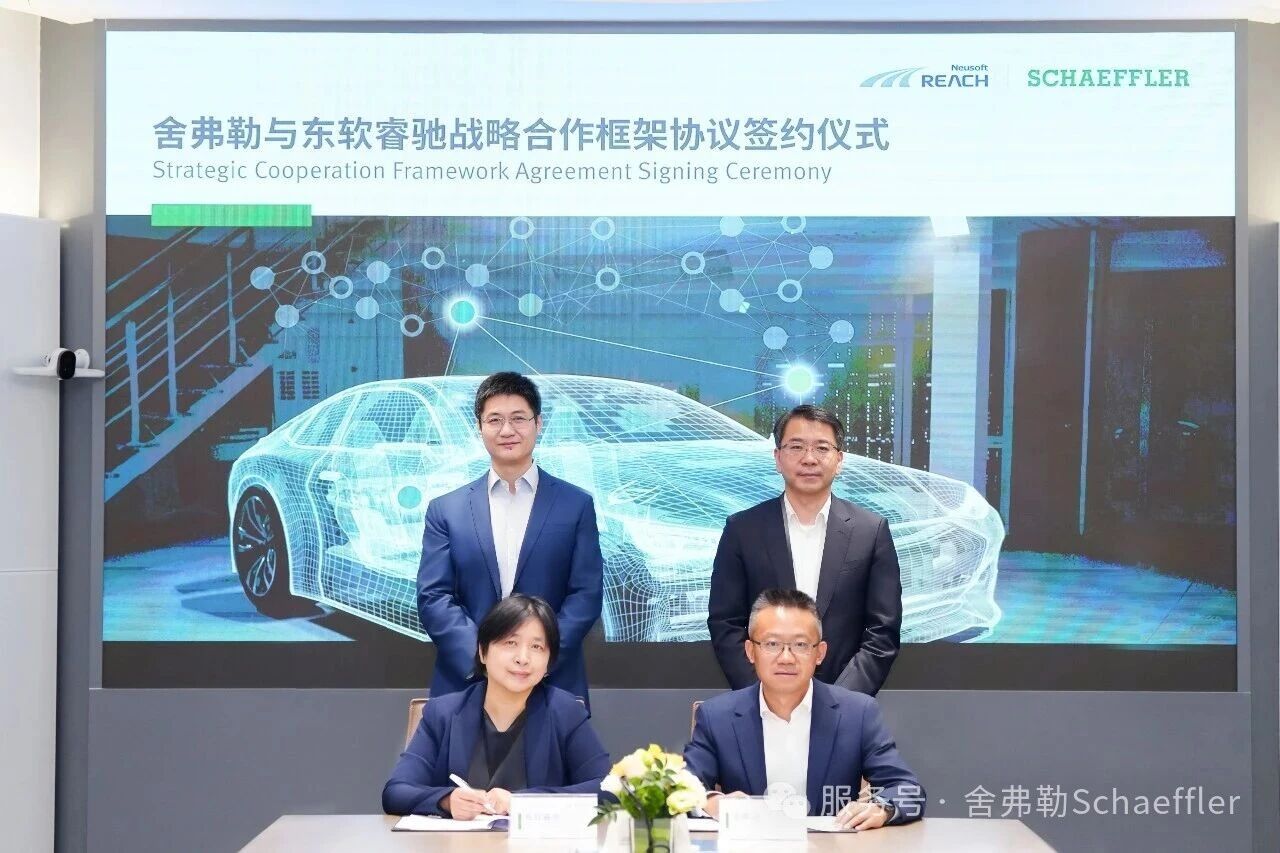
Image source: Schaeffler
The partnership will focus on technical synergy across foundational software, middleware and AI development platforms, offering automakers flexible, mass-production-proven delivery options — while exploring applications of digital twins and AI in automotive scenarios.
As core contributors, Schaeffler brings 25 years of experience in automotive electronic control systems and a suite of domain, zonal and central controllers; its centralized vehicle E/E architecture has grown into a full ecosystem. Neusoft REACH, leveraging its NeuSAR foundational software platform, contributes middleware toolchains and full-vehicle software architecture capabilities. Through complementary strengths, the two will cover the full stack from domain-control hardware to the software layers. The alliance also lifts the localization rate of Schaeffler's China supply chain, sharpening advantages in shorter delivery cycles and on-the-ground service.
On the implementation front, the companies have completed multi-phase joint engineering validation spanning E/E architecture adaptation, standardized software interfaces and cross-platform data exchange. To tackle the challenges of scaling SDVs, they will build a modular software platform that lets automakers call function components on demand — shortening vehicle development cycles.
Next, the partners plan joint research and innovation in digital twins, AI and the AI-defined vehicle — advancing the industry toward smarter and more sustainable mobility.
Gasgoo take: A cross-domain tie-up that fuses hardware and software can cut through industry silos. Schaeffler and Neusoft REACH are offering a textbook case of "hardware as the foundation, software as the force multiplier" in the shift to intelligent cars.
Faurecia Hydrogen secures a 300 million yuan strategic investment from Sinopec Capital
On Jan. 8, FORVIA announced that Sinopec Capital — Sinopec's industrial investment platform — through its subsidiary China Sunrise Private Equity Fund Management, has invested 300 million yuan (about 40 million euros) in Faurecia (Shanghai) Hydrogen Investment Co., Ltd. (hereinafter "Faurecia Hydrogen") via the Chaoyang Hydrogen New Momentum Venture Fund (the "Hydrogen Fund").
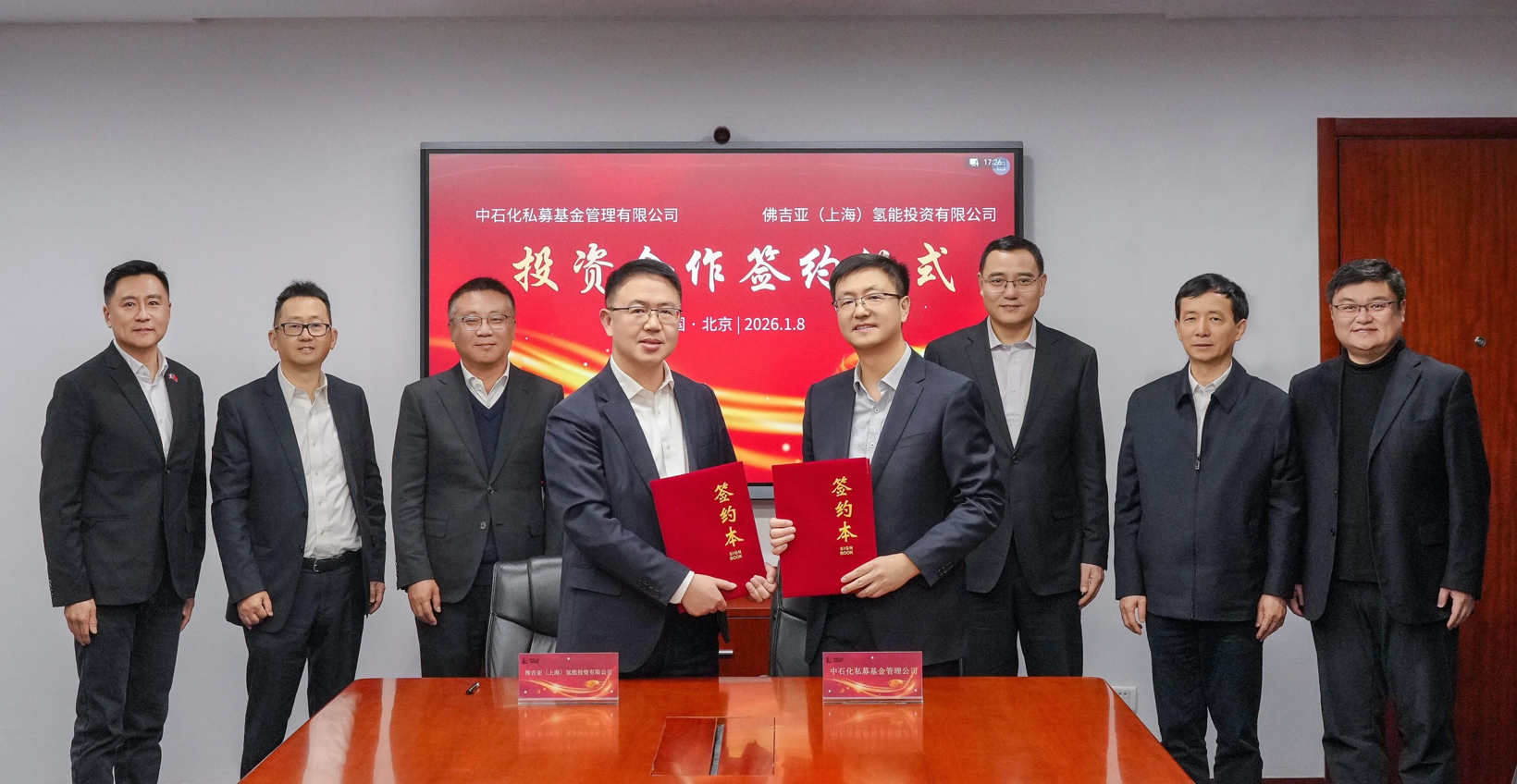
Image source: Faurecia China
Hydrogen, a core track in clean energy, is accelerating globally. China has elevated hydrogen to a national energy strategy, listing it as a key direction among strategic emerging and future industries.
Data show China's hydrogen output reached 36.5 million tonnes in 2024, up 3.5% from 2023, with most used in chemicals while shares in transport and steelmaking are rising. China remains the world's largest single market for hydrogen fuel-cell vehicles, with cumulative sales topping 30,000; nationwide, 559 hydrogen refueling stations have been built. According to the Energy-saving and New Energy Vehicle Technology Roadmap released by the China Society of Automotive Engineers in 2025, China plans to reach 500,000 fuel-cell vehicles by 2030 and exceed 1 million by 2035, supported by subsidies, lower highway tolls and cheaper hydrogen.
Sinopec has targeted the hydrogen value chain since 2020, aiming to become "China's No. 1 hydrogen company." Sinopec Capital, aligning with group strategy, has invested in 13 hydrogen-related firms across the chain. The Hydrogen Fund is China's largest investment fund focused on the hydrogen industry chain.
Faurecia moved early in China's hydrogen market, acquiring Shenyang Slinda Safety Technology in 2021 to formally launch its China hydrogen business. It has since stepped up investment, establishing R&D centers in Shanghai and Shenyang and taking control of several hydrogen tank production sites. The entry of Sinopec Capital will strengthen Faurecia Hydrogen's market positioning and improve its ability to win key government projects and enhance industrial collaboration.
Working with Sinopec Capital, Faurecia Hydrogen has mapped out a clear plan to accelerate growth and value creation by optimizing its supply chain — including carbon fiber and resins.
Gasgoo take: Capital alliances in hydrogen pair industrial resources with technical depth — aiming squarely at scale as policy tailwinds build.
Autoliv and Tensor jointly unveil the world's first foldable steering wheel
On Jan. 8, Autoliv and autonomous personal-vehicle startup Tensor announced they've co-developed the world's first foldable steering wheel for the Tensor Robocar. The wheel supports two modes: conventional manual driving, and full retraction in autonomous mode. Tensor Robocar is expected to enter mass production in the second half of 2026.
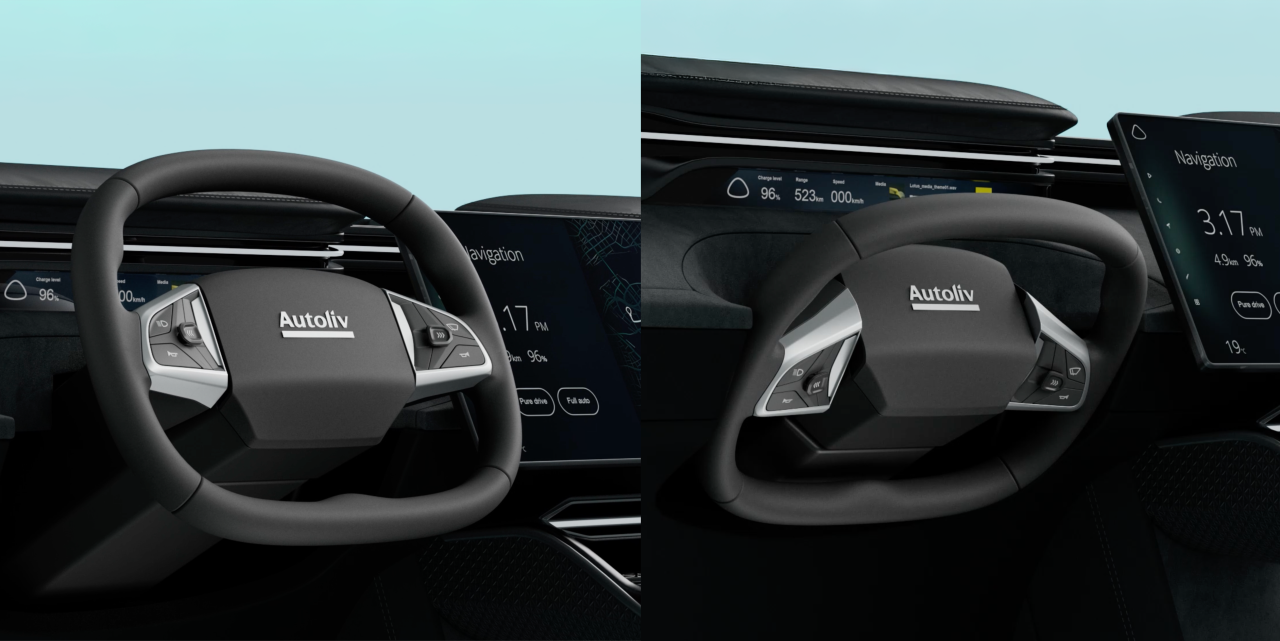
Image source: Autoliv
As autonomous driving advances, the traditional steering wheel can become a constraint in the cabin — affecting comfort and limiting flexible use of space. Designed for the interior paradigm of self-driving vehicles, the foldable wheel co-developed by Autoliv and Tensor opens up more personalized space and flexibility for occupants.
The wheel is tightly integrated with Tensor Robocar's autonomous system: in Level 4 driving (where the vehicle can perform all tasks under defined conditions), the wheel retracts automatically, freeing up the driver area entirely.
Co-innovation in safety systems is central to the product. The airbag system adapts to the driving mode to ensure optimal protection. In autonomous mode with the wheel stowed, the passenger airbag integrated into the instrument panel deploys; in manual mode, the driver airbag is active.
The foldable wheel made its public debut at CES in Las Vegas from Jan. 6–9, 2026, at Tensor's booth.
Gasgoo take: A "vanishing" wheel signals how autonomy is reshaping the cabin — and sets new requirements for safety-system adaptation.


