



Gasgoo Munich- Gestamp recently released its 2025 annual earnings, posting full-year revenue of 11.3 billion euros. Hit by volatile light-vehicle production, slumping performance in core markets, and unfavorable currency swings, sales slipped 5.4% from 2024. Yet the company managed to shore up its financial metrics through cost-cutting and debt optimization. Even as industry headwinds persist, Gestamp's order book for the next five years stands at 47.5 billion euros — a strong foundation for future growth.
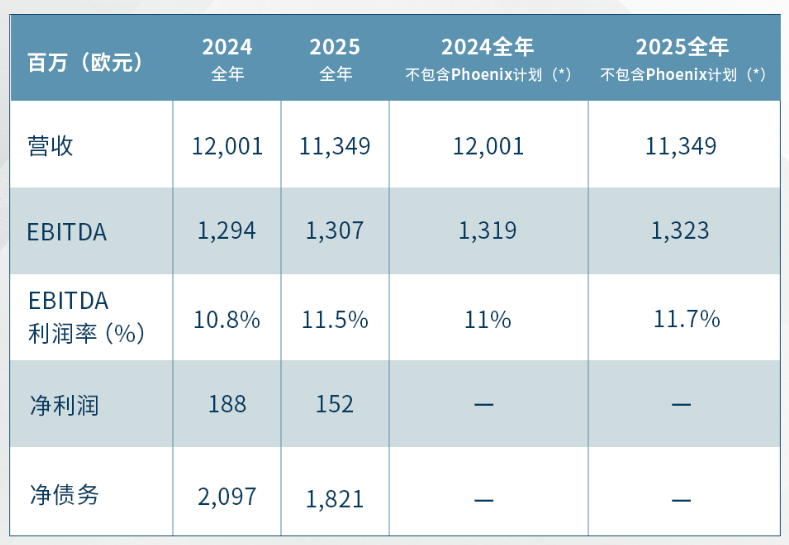
Image Source: Gestamp
The financials reveal a challenging shift in 2025: as EV adoption slowed, Gestamp struck compensation deals with certain clients. Those agreements dented EBIT by 52 million euros and dragged net profit down 19% to 152 million euros. Still, operational efficiency is climbing. Stripping out the impact of the Phoenix plan, EBITDA held steady at 1.3 billion euros, while the EBITDA margin expanded to 11.7% — up 0.7 percentage points from the previous year. Meanwhile, the Phoenix restructuring plan for North American operations is on track, pushing the overall profit margin to 8.1% in 2025, up from 7% and hitting the company's target.
On the balance sheet, Gestamp cut net debt by 13% year-on-year to 1.8 billion euros — a reduction of 276 million euros and the lowest level since its 2017 IPO. The net debt-to-EBITDA ratio fell to 1.4 times, landing squarely within the target leverage range of 1.0 to 1.5 times. The company achieved this by striking real estate equity deals with Banco Santander, issuing preferred bonds, and renegotiating financing agreements to lower debt, extend maturities, and improve terms. Capital efficiency also gained ground: return on capital employed ticked up to 15.8% from 15% in 2024. Free cash flow surged to 278 million euros, well above the 178 million euros recorded a year earlier, handily beating the annual target.
Looking ahead to 2026, S&P Global Mobility forecasts a stagnant market with divergent performance across Gestamp's core regions. In response, Gestamp plans to fortify its financial position and balance sheet, prioritizing high-efficiency investment and profitability gains. The company aims to push its EBITDA margin beyond current levels and achieve an operating cash flow conversion rate of roughly 35%.


