



Gasgoo Munich- SAIC Volkswagen recently hosted a technology showcase under the banner "human-centric tech," pulling back the curtain on its first extended-range electric vehicle (EREV) SUV: the ID. ERA 9X. As the Volkswagen brand's flagship new-energy SUV for the "Joint Venture 2.0" era, the model marks the company's formal entry into the extended-range race.
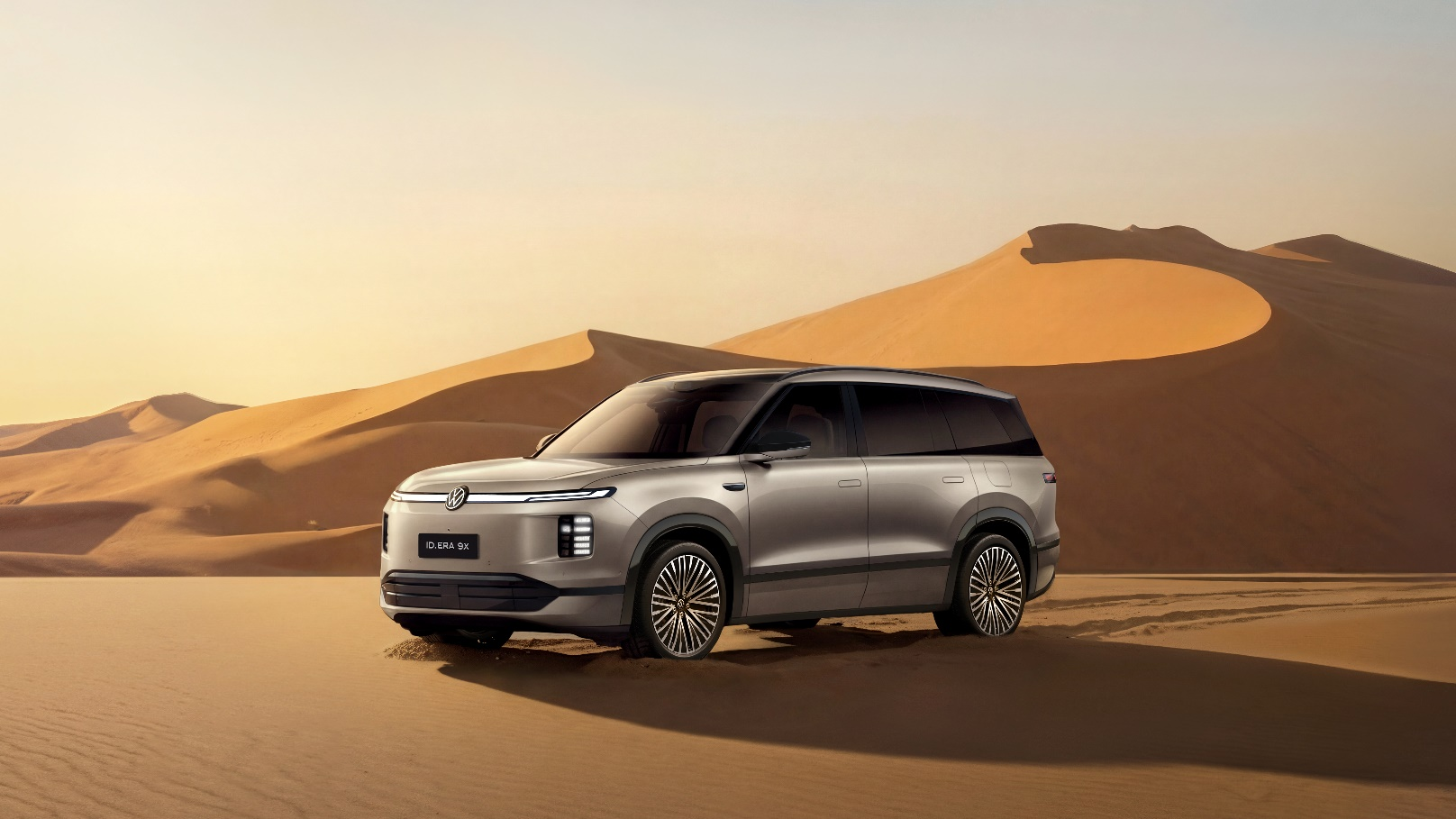
ID. ERA 9X (Source: SAIC Volkswagen)
The extended-range market is already a red ocean, with domestic brands having seized the first-mover advantage. So, what gives SAIC Volkswagen the confidence to go all-in at this stage? And how does it plan to break out? Drawing on insights from the launch event and deep discussions with SAIC Volkswagen's senior management and key ecosystem partner Momenta, Gasgoo analyzes the strategic logic behind this move through five key questions.
1. Why Go All-In on EREVs in a Saturated Market?
With the new-energy market fiercely competitive and early movers like Li Auto already dominating the EREV segment, SAIC Volkswagen's decision to launch the ID. ERA 9X now might seem counterintuitive to outsiders. But for Tao Hailong, Party Secretary and General Manager of SAIC Volkswagen, it is simply "the natural result of our product development rhythm"—and a relentless pursuit of technological maturity.
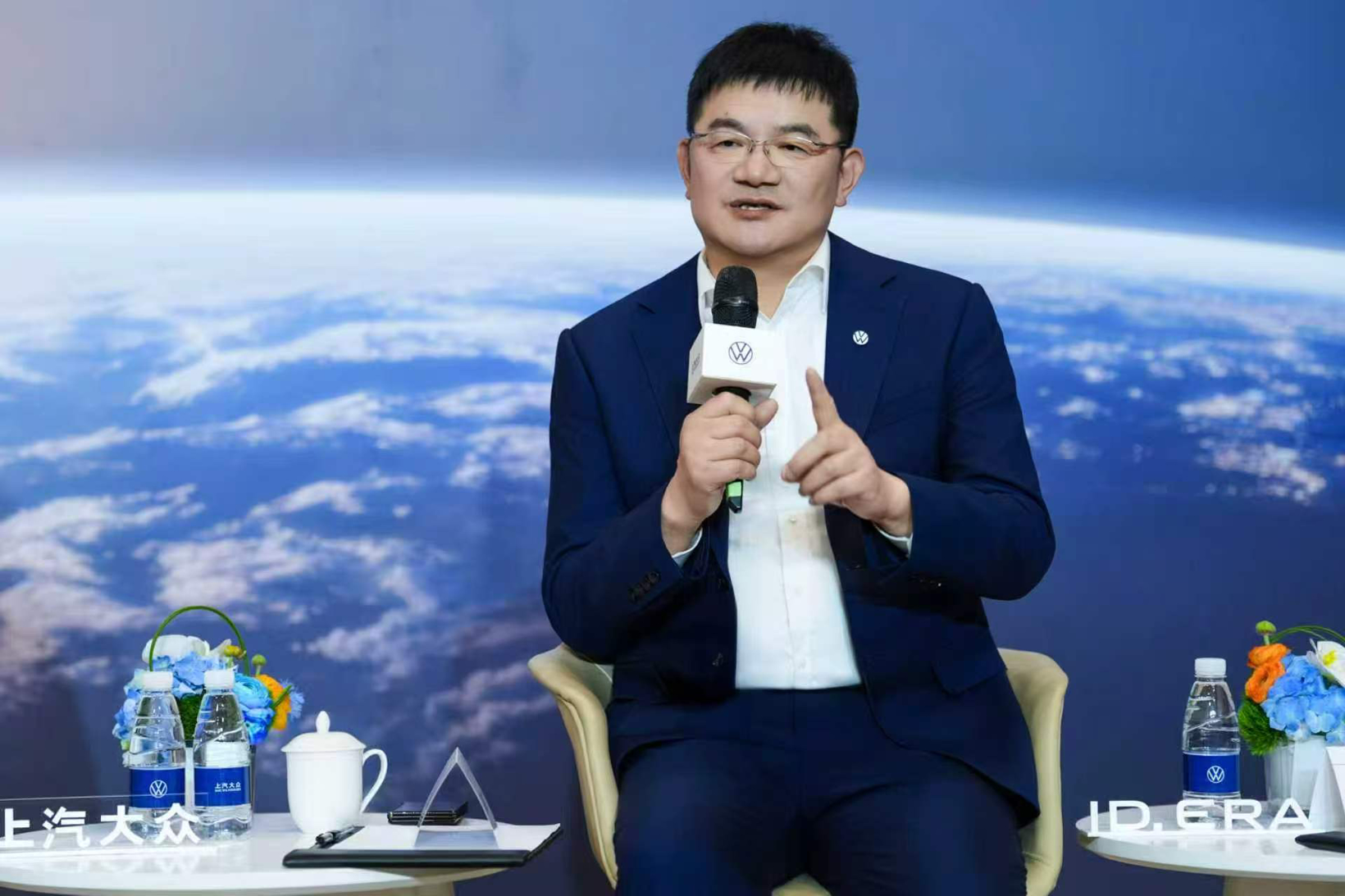
Tao Hailong, Party Secretary and General Manager of SAIC Volkswagen (Source: SAIC Volkswagen)
SAIC Volkswagen has long been a dominant force in internal combustion engine vehicles. "Our strategic positioning in the new-energy market is clear: we aim to be a top-tier player there as well," Tao stated.
A diversified technology roadmap is a standard strategic choice. Specifically regarding EREVs, Tao notes that a persistent market pain point—power loss when the battery is low—is largely tied to the engine. When battery charge depletes, the engine becomes the sole power source. No matter how good the range extender system is, if the engine underperforms, everything else falls apart. And engines, as it happens, are Volkswagen's bread and butter.
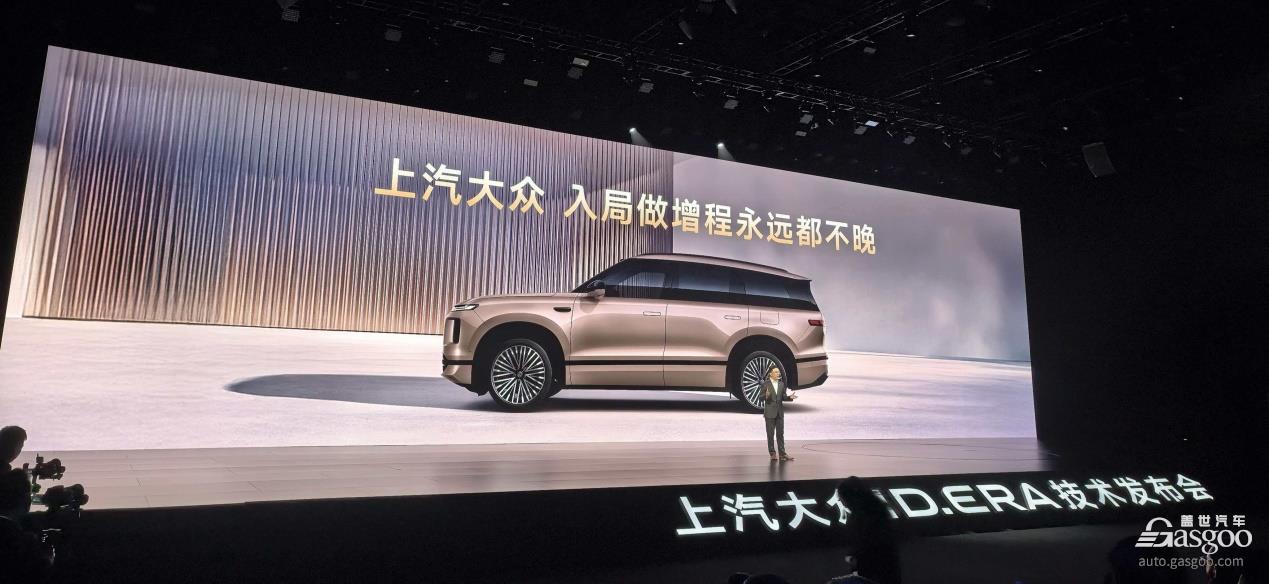
In the view of Fu Qiang, Executive Vice President of Sales and Marketing at SAIC Volkswagen, it is never too late for the company to enter the EREV game.
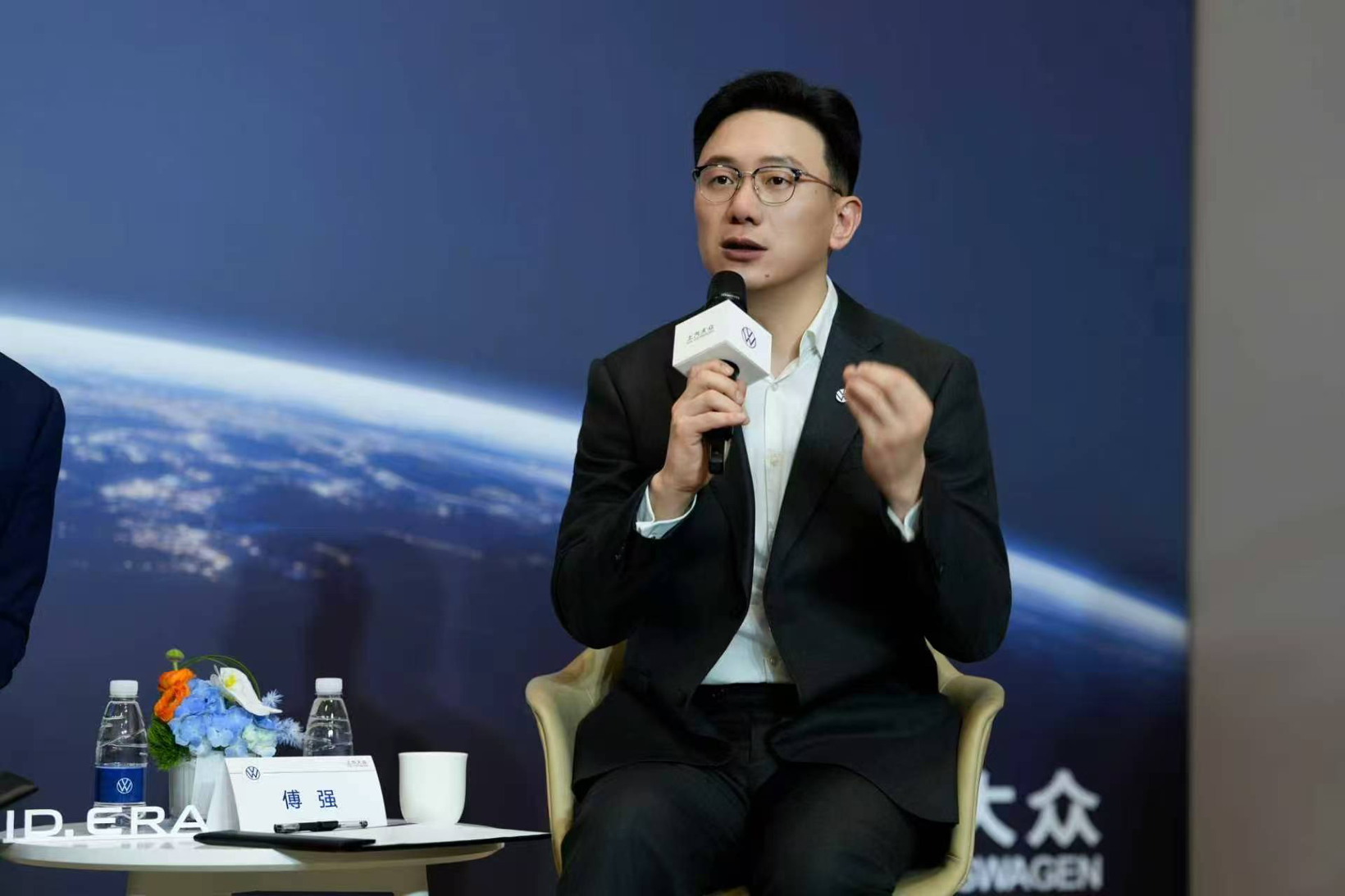
Fu Qiang, Executive Vice President of Sales and Marketing at SAIC Volkswagen (Source: SAIC Volkswagen)
Data shows retail sales of extended-range vehicles hit 1.235 million units in 2025, a year-on-year increase of roughly 6%. While growth has cooled compared to previous years, significant market potential remains. This explains why a growing number of automakers, including SAIC Volkswagen, are entering the space—though the competition has shifted from an initial battle for volume to a contest for quality and value.
2. What Is SAIC Volkswagen's Competitive Edge in EREVs?
To survive in a crowded field, a company needs a unique ace up its sleeve. When asked about this, Fu Qiang remarked: "We are introducing the concept of 'EREV 3.0.' Our goal is to be the king of range extension—the new standard-bearer."
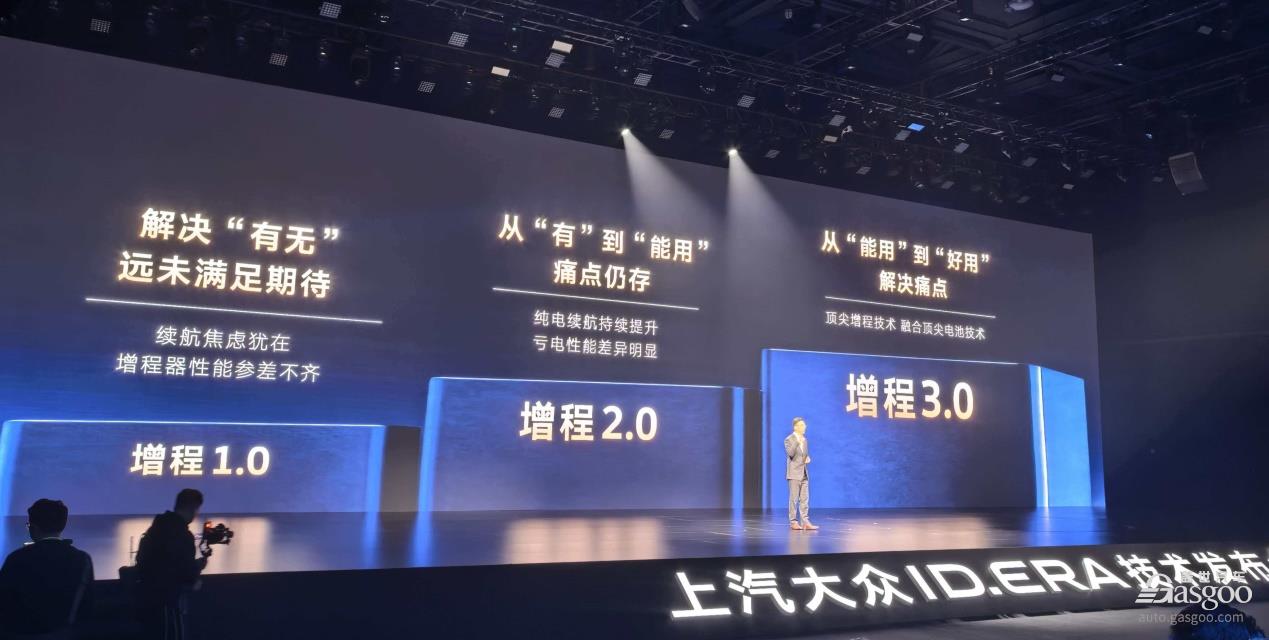
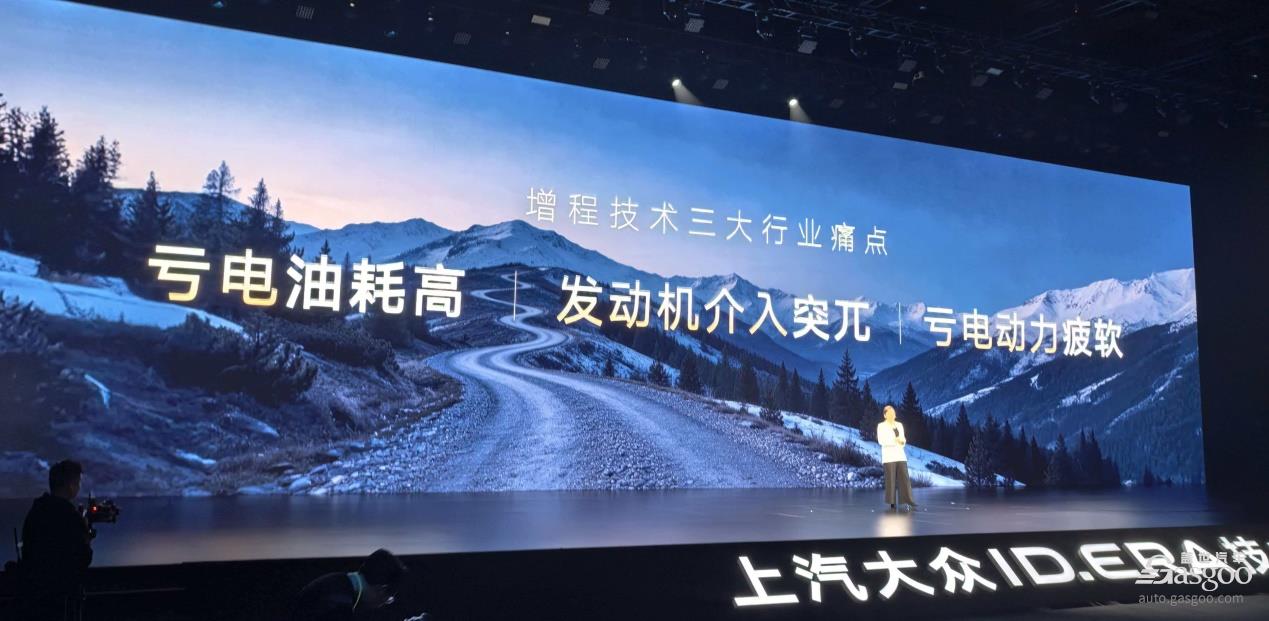
That confidence stems from a direct assault on the three core pain points of current EREVs: high fuel consumption when the battery is depleted, jarring engine engagement, and sluggish performance under low charge.
The ID. ERA 9X's "Golden EREV System" is built around three pillars: efficiency, quietness, and consistent power. It boasts a CLTC pure-electric range of over 400 km and a total range exceeding 1,600 km, with the four-wheel-drive version consuming just 6.27 liters per 100 km even when the battery is low. The noise, vibration, and harshness (NVH) difference when the range extender kicks in is less than 0.5 decibels. In tests conducted in Lhasa at an altitude of 3,650 meters, the acceleration difference between high and low battery states was a mere 0.18 seconds. All three metrics are industry-leading.
Under the hood, this system leverages the EA211 1.5T—a powerhouse engine—adapted as a range extender. Technologies like APS atmospheric plasma spraying have reduced cylinder wall thickness from 2.3 mm to just 0.13 mm. Combined with a deep Miller cycle, 350-bar high-pressure fuel injection, and variable geometry turbocharging (VTG), the system delivers stable, efficient power. Paired with a substantial 65.2 kWh battery pack, it can still discharge up to 310 kW even when the charge drops to 18%, ensuring ample power under heavy loads.
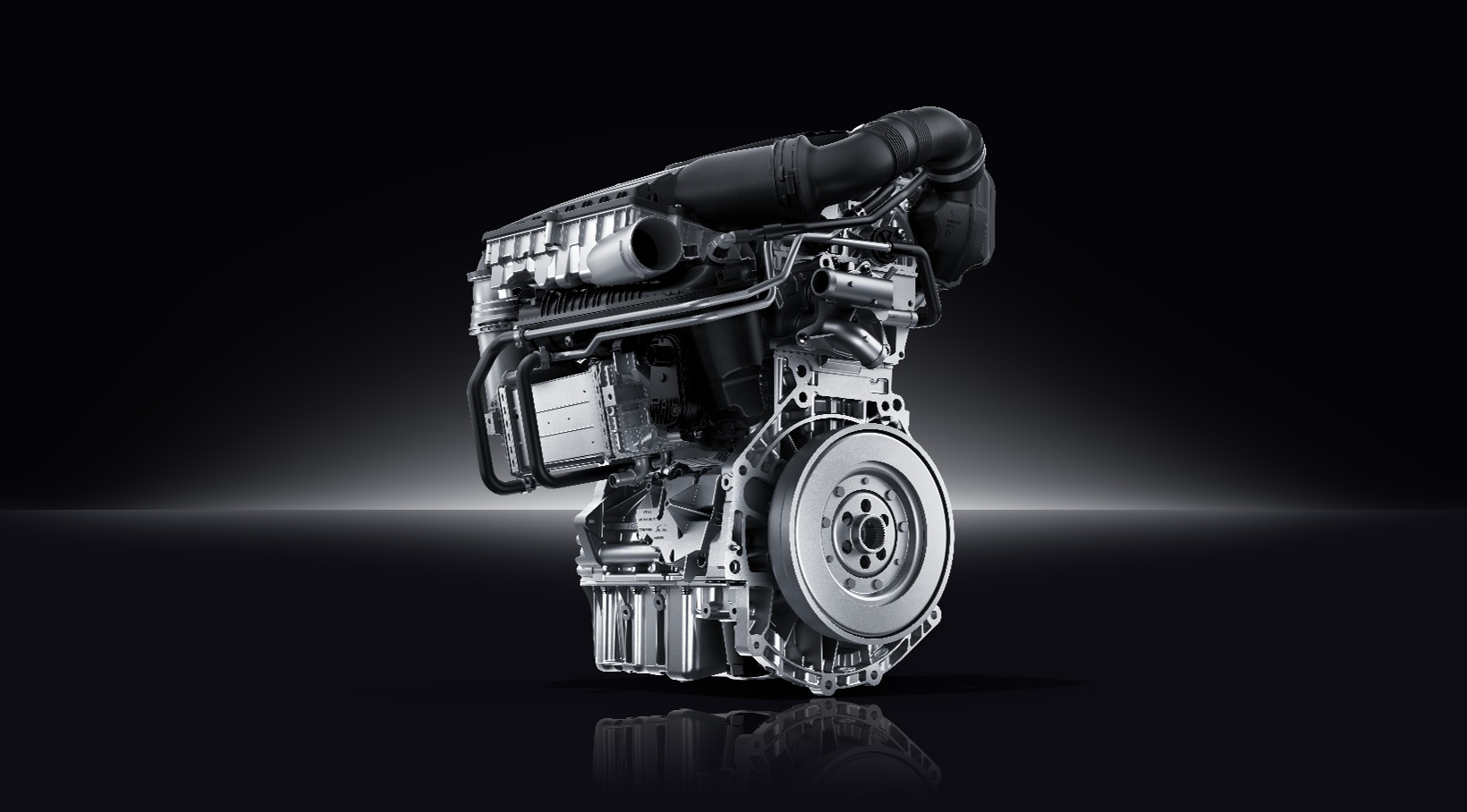
ID. ERA 9X Golden EREV System (Source: SAIC Volkswagen)
"The data we released proves that our approach to range extension is different—especially in low-temperature and high-altitude environments. We have effectively addressed the inconsistency in power performance and the lag in output when the battery is depleted. In short, SAIC Volkswagen is dead serious about this, and we will push ourselves to improve step by step," Fu Qiang emphasized.
Viewed this way, SAIC Volkswagen isn't simply playing catch-up in the EREV race. By leveraging its technical strengths to solve consumer pain points at the root, the company is playing a competitive card that elevates extended-range technology to a new level.
3. How Smart Are Joint-Venture New-Energy Vehicles?
Intelligence has become a top priority for car buyers today. While domestic automakers have moved quickly, joint ventures have lagged, leaving many consumers still associating them with the internal combustion era. For the ID. ERA 9X to stand out, intelligent features are critical.
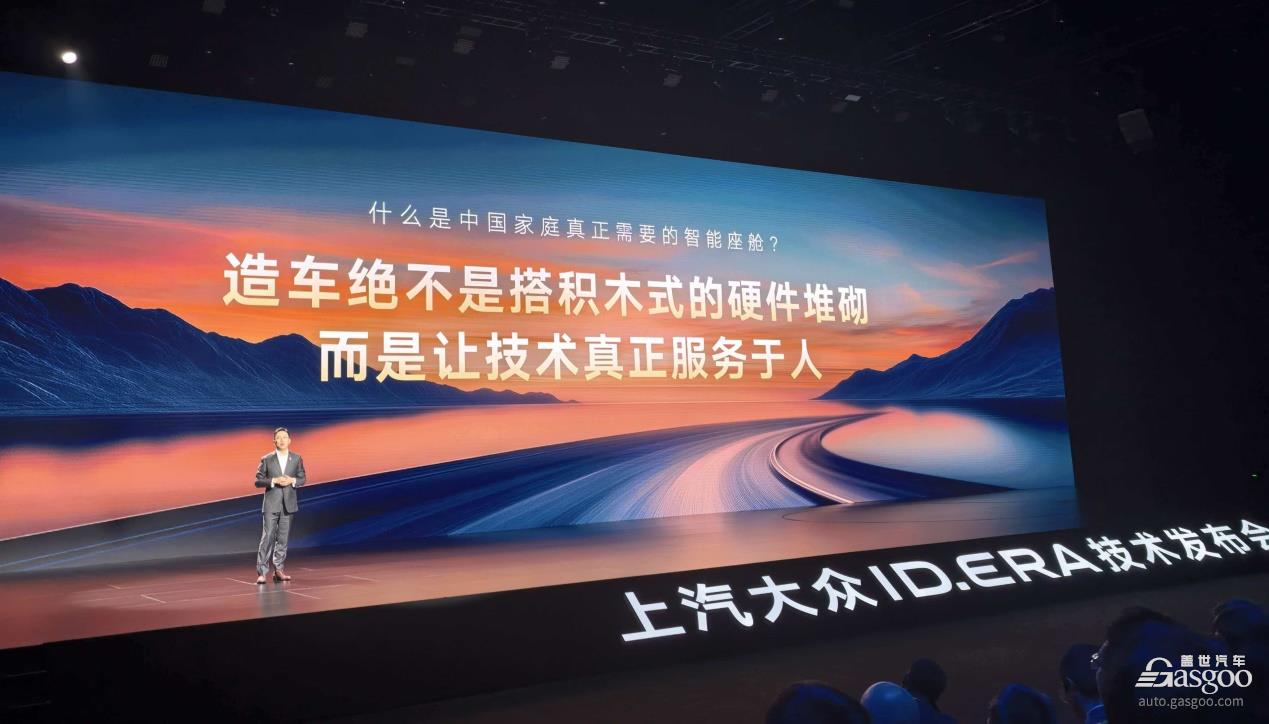
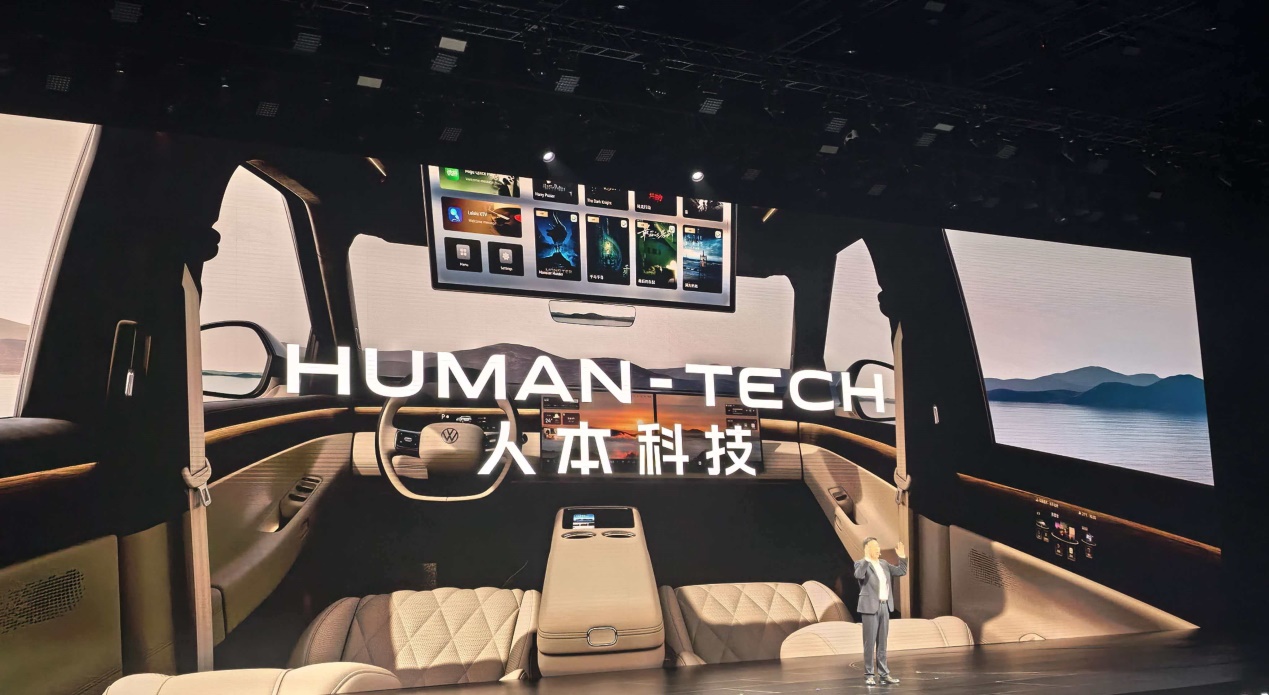
In recent years, SAIC Volkswagen's philosophy of "equal intelligence for ICE and EV models" has yielded results. The ID. ERA 9X comes fully loaded with features like the Yunqi Cockpit, Xingyun Intelligent Chassis, and advanced driver-assistance systems. Yet, this isn't merely a stack of specs; like the Golden EREV system, it follows a "human-centric" philosophy—technology should serve people, not hold them hostage.
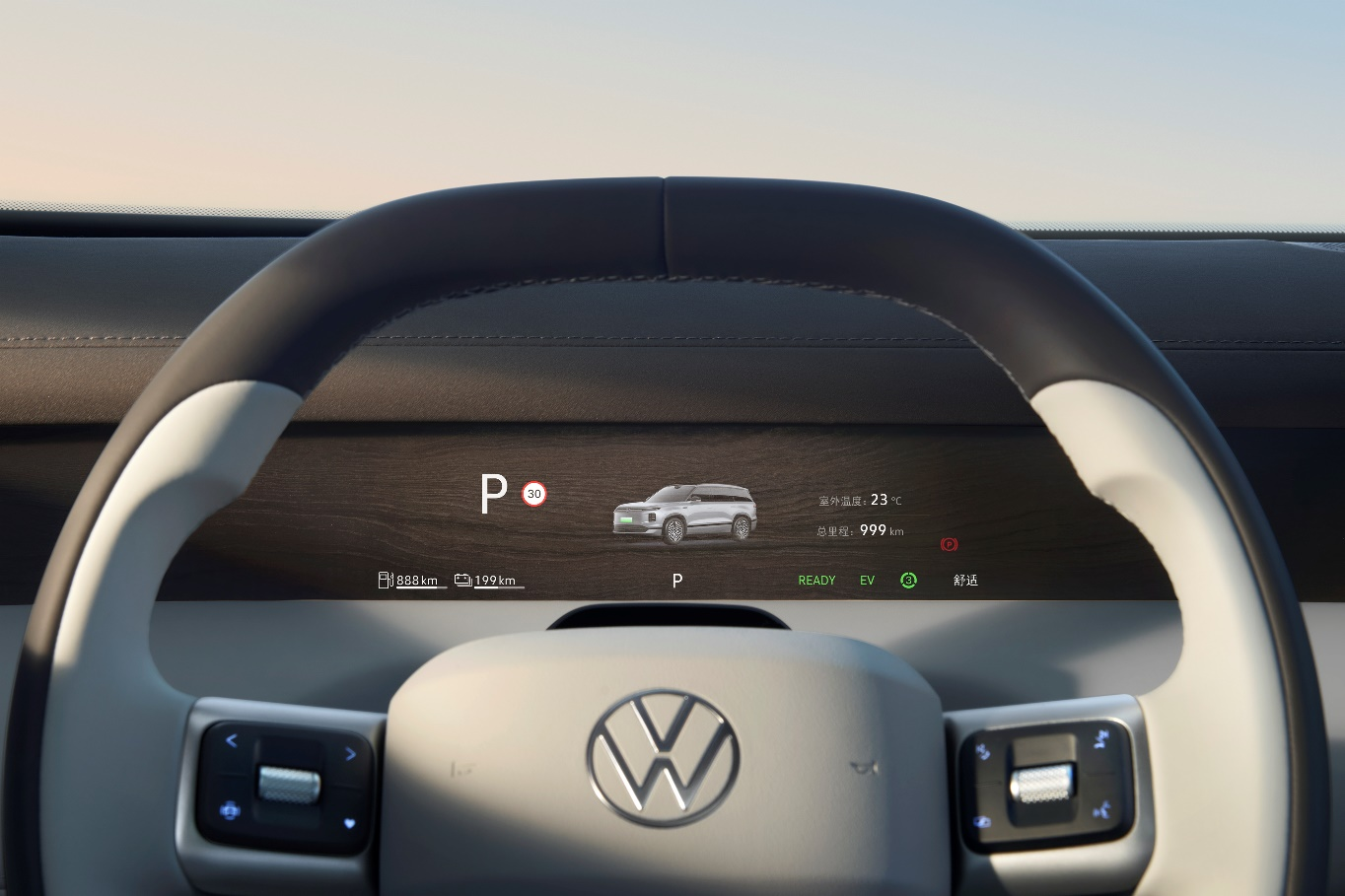
Inside the Yunqi Cockpit, the industry-first "Smart Surface Magic Screen" embodies this philosophy. Using micron-level laser perforation, the display remains hidden beneath wood veneer until needed. This approach pursues ultimate interior aesthetics while directly addressing the safety concern of driver distraction.
Source: SAIC Volkswagen
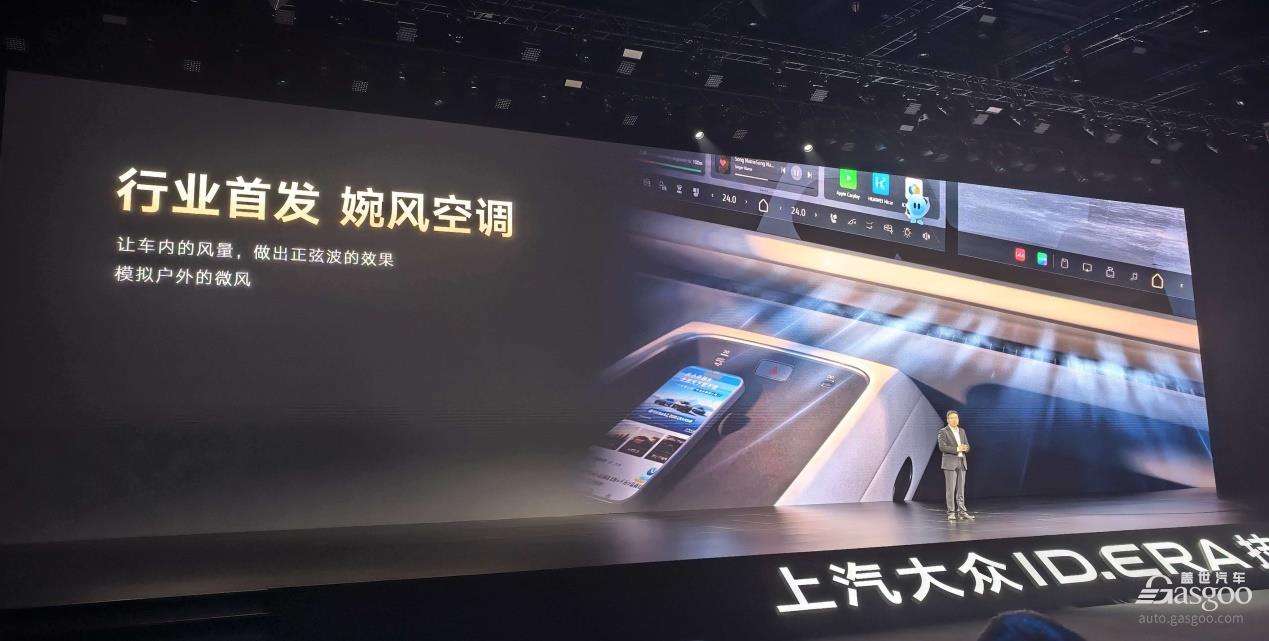
The design of the "Wanfeng (Gentle Breeze)" air conditioning follows the same logic, avoiding the discomfort of direct cold drafts. Combined with active noise cancellation, it halves perceived loudness for occupants. And addressing the common trade-off where zero-gravity seats prioritize comfort over safety, the ID. ERA 9X features three such seats equipped with robust protection: 12-liter anti-submarining airbags, integrated seatbelts, and reinforced connections between the seat frame and body.
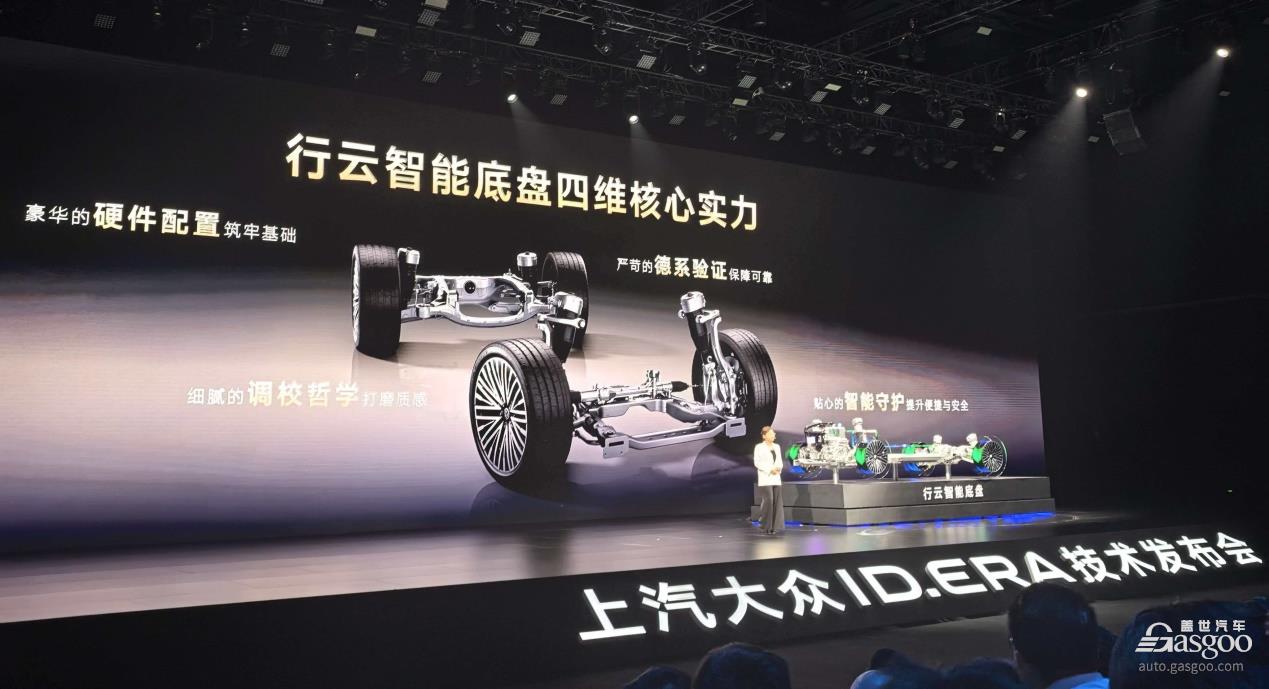
The Xingyun Intelligent Chassis solves the "big car is hard to drive" dilemma. Despite being a large six-seat SUV measuring over 5.2 meters in length and weighing over 3 tons fully loaded, rear-wheel steering gives the ID. ERA 9X a turning radius of just 4.85 meters—making it more agile than a compact hatchback like the Polo.
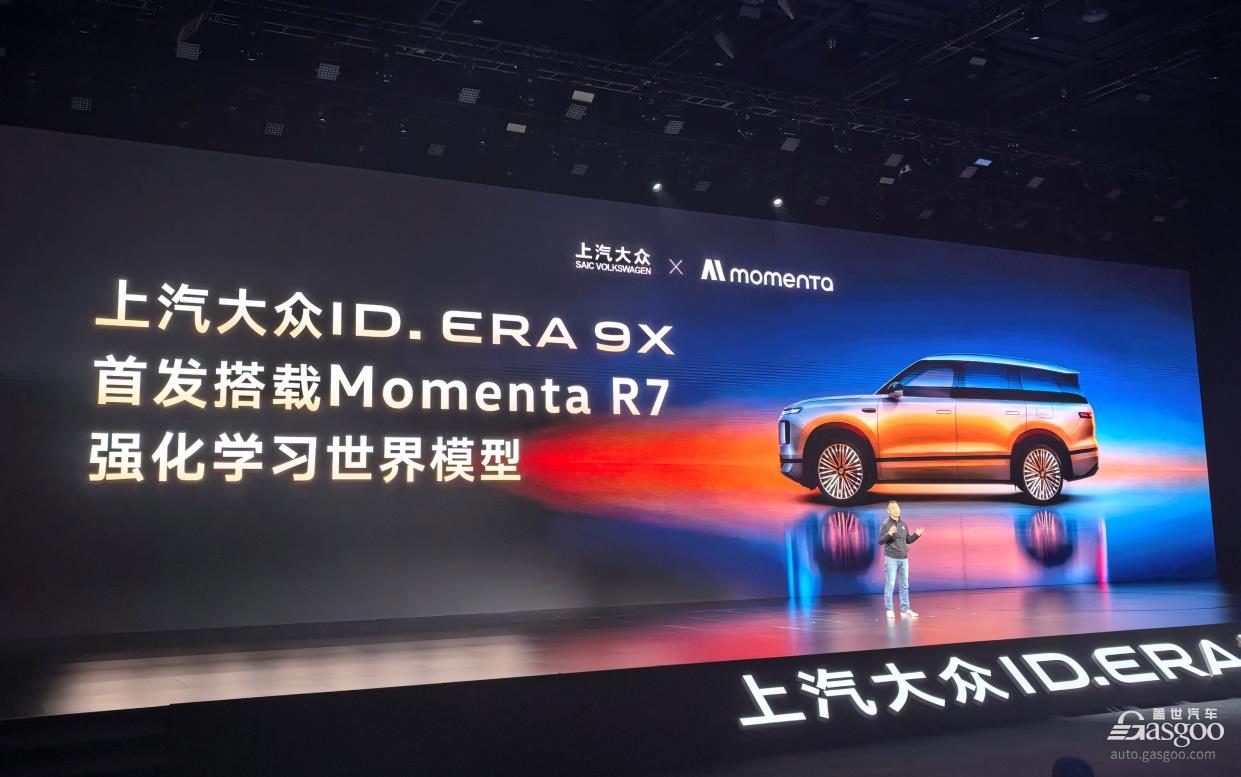
On the intelligent driving front, the SAIC Volkswagen ID. ERA 9X will make its global debut with the Momenta R7 reinforcement learning world model. This marks the first true step toward putting "Physical AI" on the road.
The new Momenta R7 large model builds on reinforcement learning by incorporating a world model, enabling it to construct an understanding of the physical world. It can grasp physical laws, object properties, the causal relationships of motion, and potential interactions. This capability supports a significant leap in key safety and reliability metrics, allowing intelligent driving assistance to evolve continuously.
"This is the first time we have integrated such an AI model into the Volkswagen brand. From chassis and steering to acceleration, Momenta's intelligent driving solution is thoroughly demonstrated. It means the vehicle possesses excellent driving feel and performance in traffic," said Siegfried Pint, Executive Vice President of Product R&D at SAIC Volkswagen.
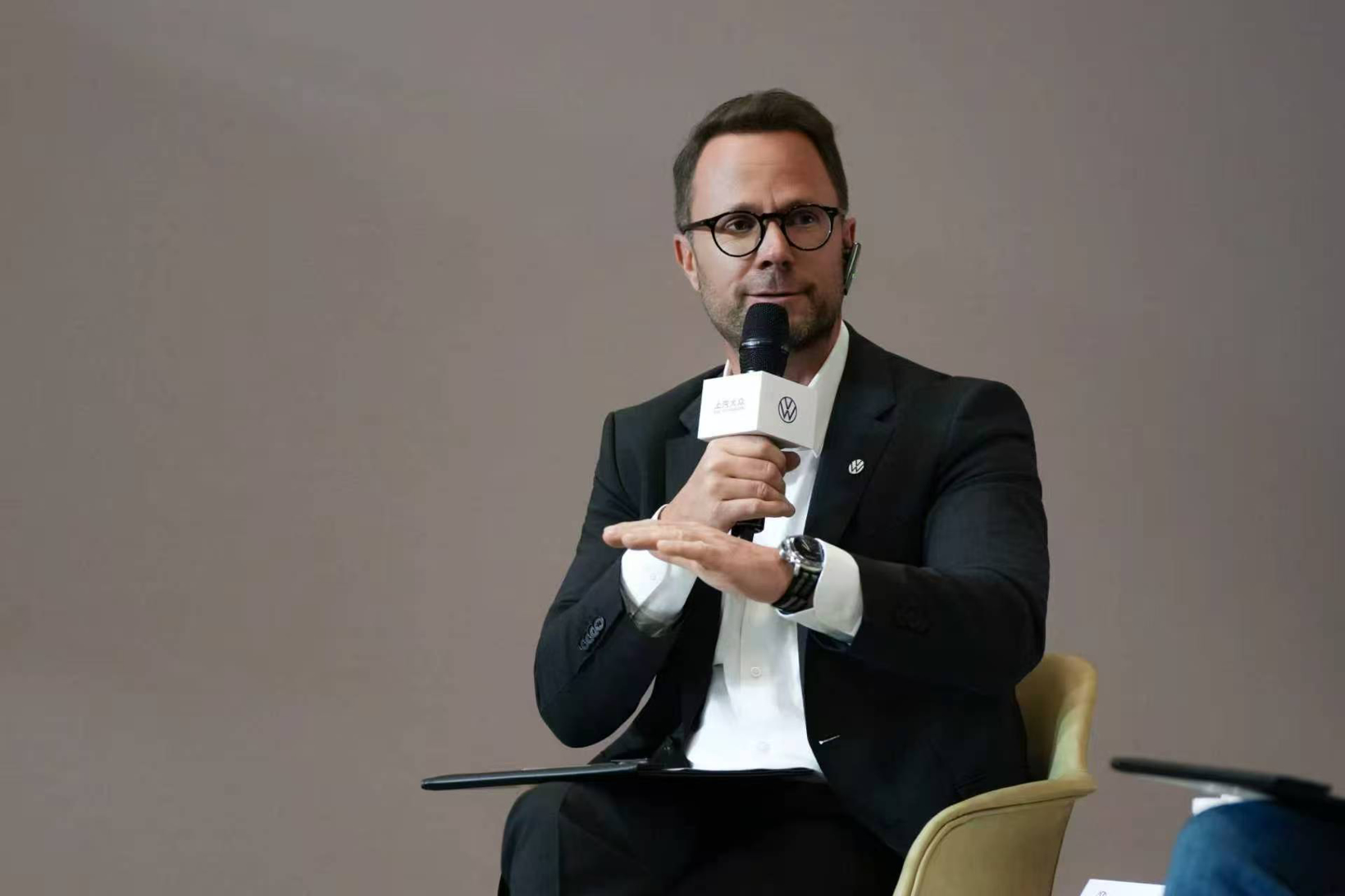
Siegfried Pint, Executive Vice President of Product R&D at SAIC Volkswagen (Source: SAIC Volkswagen)
Discussing the partnership, Momenta CEO Cao Xudong remarked: "Both sides are highly aligned on the underlying values of safety. New technology inevitably brings new challenges. Only by fighting alongside ambitious partners can we dare to take risks, overcome difficulties, and ultimately deliver the best products to users."
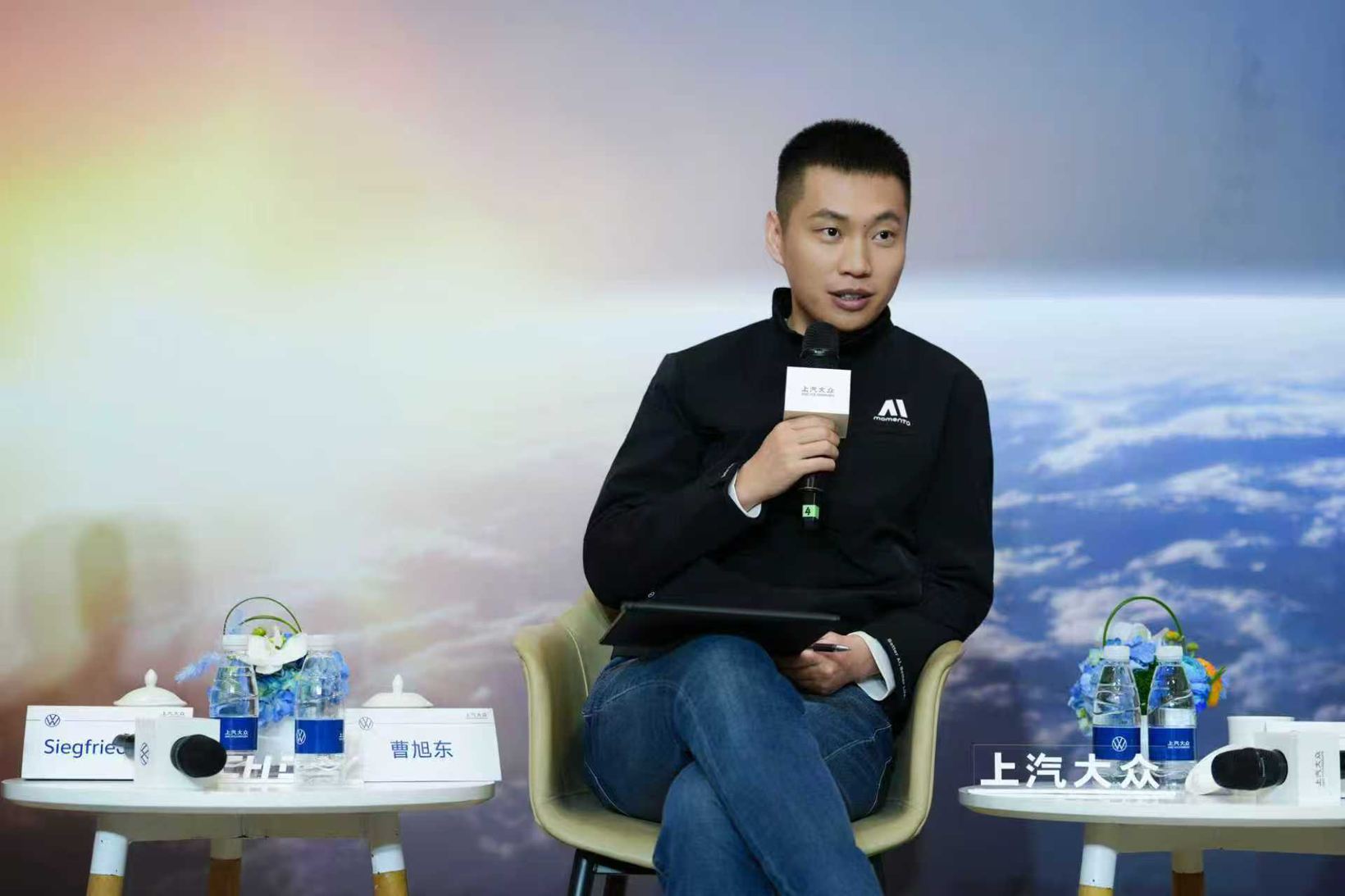
Momenta CEO Cao Xudong (Source: SAIC Volkswagen)
In an era of extreme competition, new-energy vehicles are packing in more intelligent features than ever—but quantity does not equal quality. SAIC Volkswagen's "human-centric tech" approach, which focuses on the fundamentals of demand, experience, and safety, offers a more rational and critical value proposition for the market and consumers.
4. Balancing Costs While Upgrading Technology?
Upgrading technology while lowering costs is a challenge the entire industry faces. However, Tao Hailong made his stance on cost-cutting unequivocal: "The premise for cost reduction at SAIC Volkswagen is that we do not lower standards. Whether it is suppliers or internal teams, I will not accept the excuse that high quality standards prevent us from controlling costs."
So, how does the company control costs while maintaining standards? Tao's answer lies in standardization, platformization, the development of new materials and processes, and leveraging strong economies of scale. He emphasized that SAIC Volkswagen possesses vast historical data and strong brand appeal. Fundamentally, as long as there is a spirit of continuous learning and relationships with suppliers remain fair, just, and transparent, costs can be controlled to a significant degree.
At the same time, Tao repeatedly stressed during the discussion: "SAIC Volkswagen's safety standards often lead regulations." This is evident in the ID. ERA 9X. In terms of battery safety, its "Hexagon Battery Safety" protection can withstand a 2,000-joule impact from the bottom without catching fire or exploding—a standard 13 times higher than the national requirement of 150 joules. Regarding crash safety, the ID. ERA 9X is the first vehicle to meet SAIC Volkswagen's "Crash Safety 4.0" standard, which is based on European norms while simultaneously satisfying national standards, C-NCAP, and C-IASI requirements.
"Our standards for quality, particularly in safety technology, are indeed high, and we are willing to pay for those high standards because that is what is required," Tao stated firmly.
This highlights SAIC Volkswagen's strict adherence to German quality standards and its commitment to "long-termism." With the launch of the ID. ERA 9X, the company's new-energy product matrix is further refined. Fu Qiang revealed that SAIC Volkswagen will launch six new Volkswagen brand models this year, ranging from entry-level to high-end, all maintaining that consistent driving dynamics.
5. How Will the Brand Support the ID. ERA 9X Launch?
The ID. ERA 9X is set to begin pre-sales on March 30. Tao acknowledged that the model carries a crucial mandate: it is a key vehicle demonstrating SAIC Volkswagen's competitiveness in the "Joint Venture 2.0" era and bears the responsibility of building market reputation and driving brand renewal during the energy transition.
To support the rollout of this flagship product, SAIC Volkswagen has rigorously screened and upgraded its sales channels. Out of more than 1,000 outlets nationwide, only about 750 dealers and agents deemed capable of delivering high-quality service were authorized in the first batch. The remaining 250 will need to rapidly improve their hardware, software capabilities, and service quality before authorization is gradually expanded.
"We hope the arrival of this top-tier flagship product will drive a complete renewal in marketing philosophy and service quality across our retail network, elevating the entire system," Fu Qiang stated.
Beyond accelerating new product launches, Tao noted that SAIC Volkswagen must also renew the brand itself: specifically by increasing its share among younger demographics and boosting market penetration in Tier 1 and Tier 2 cities. On the sales front, the system will be market-oriented; product-wise, the focus is on being progressive and reliable; and in service, the emphasis is on being attentive. "Through these efforts, we are rebuilding the SAIC Volkswagen brand image. There will be a wealth of new products next year to reshape user perception," he said.
In Summary:
In the marathon of new-energy vehicles, being a latecomer does not mean being left behind. The key lies in who possesses greater endurance and a clearer roadmap. With the ID. ERA 9X, SAIC Volkswagen is providing its answer.
The ID. ERA 9X is poised to start pre-sales. As a flagship model shouldering the mission of reshaping competitiveness in the Joint Venture 2.0 era, can it carve out a unique path for a "German top-tier flagship" in this saturated market? All eyes are on the outcome.


