



Great Wall Motor recently released its 2025 earnings flash report, posting a full-year net profit of 9.912 billion yuan. While that marks a 21.7% decline from the previous year, the automaker's ability to sustain nearly 10 billion yuan in profit remains notable. This underscores its operational resilience and solid financial fundamentals amid a fierce price war and cutthroat competition.
How did GWM make it?
Great Wall Motor's near-10-billion-yuan net profit in 2025 was driven largely by sustained efforts. These measures focused on optimizing its product mix, expanding overseas, and moving upmarket.
For the full year of 2025, Great Wall Motor generated approximately 222.79 billion yuan in revenue. This represents a 10.19% year-on-year increase. Meanwhile, cumulative sales reached 1.32 million units, climbing 7.33%. Notably, revenue growth outpaced the increase in sales volume.
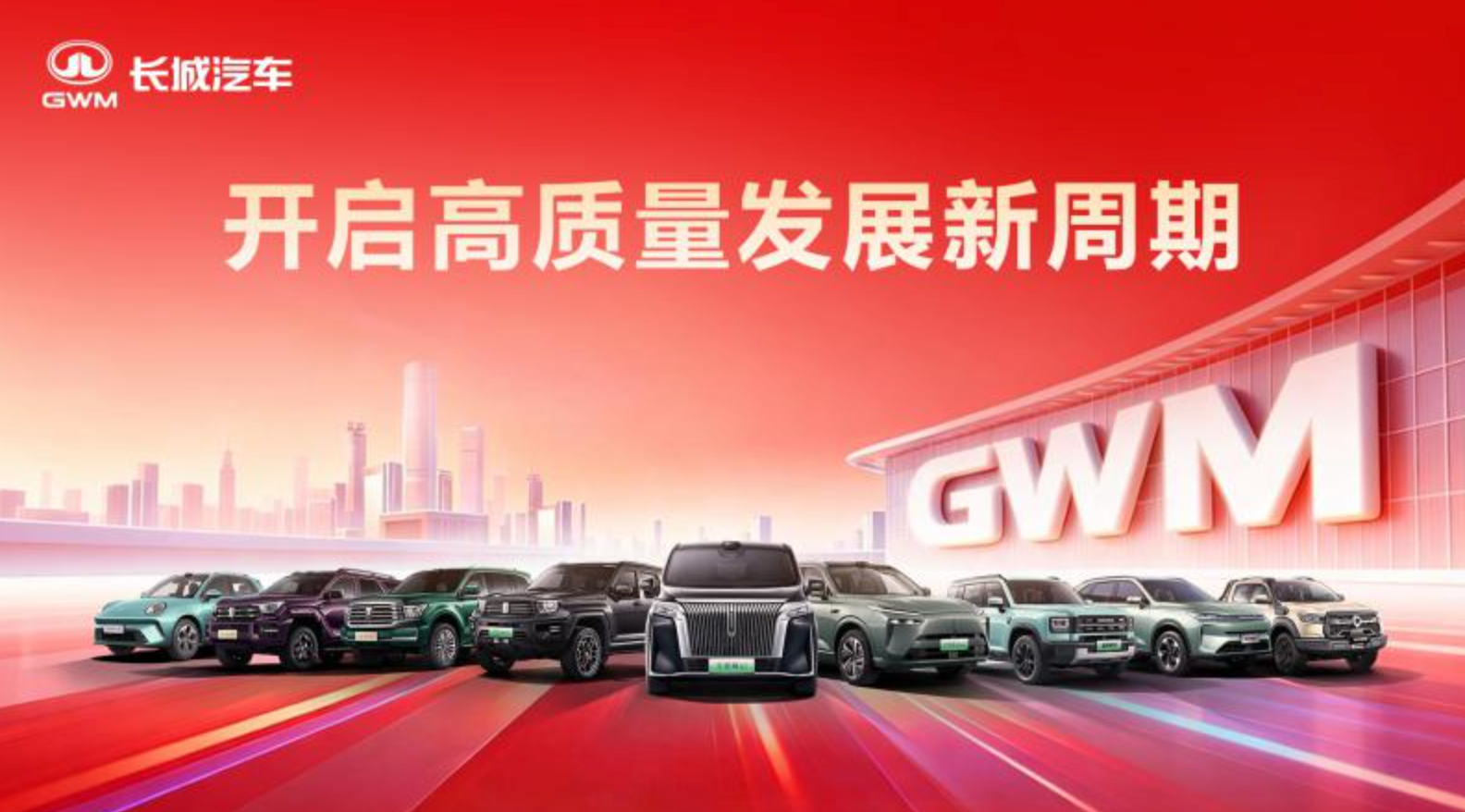
Image Source: Great Wall Motor
Overseas operations played a pivotal role in driving profitability. In 2025, Great Wall's international sales surpassed 506,100 units, an 11.68% jump. Unlike the domestic market, where "involution" — or intense internal rivalry — has eroded margins, overseas markets offer higher per-vehicle profits. This is due to brand premiums and different market dynamics.
Leveraging its "One GWM" global strategy, the automaker has rapidly expanded in Latin America, the Middle East, and ASEAN. This move not only absorbed excess capacity but also significantly boosted the group's overall profitability.
Meanwhile, the transition to new energy vehicles (NEVs) is gaining traction. NEV sales hit 404,000 units in 2025, surging 25.4% — a growth rate well above the overall average. Bolstered by the D platform under the WEY brand, the NEV business has become a second engine for Great Wall's growth.
Optimizing the product mix and differentiating brands also provided a cushion for earnings. The average guide price of a Great Wall vehicle rose to 168,300 yuan in 2025, an increase of roughly 4,500 yuan compared to the previous year.
As the vanguard of its premium push, the WEY brand broke the 100,000-unit sales barrier in 2025, soaring 86.29%. The launch of the Gaoshan family and the all-new Lanshan (Blue Mountain) specifically helped pull the brand upward.
The Tank series continues to dominate the rugged off-road segment. The Tank 300 has claimed the top spot for five consecutive years, while strong demand for high-end models like the Tank 700 has contributed a steady stream of cash flow.
Institutions Aren't Satisfied
However, capital markets have not responded with unqualified enthusiasm to Great Wall's earnings report.
Citigroup noted in a recent report that Great Wall's 2025 net profit fell short of broad investor expectations, prompting the bank to cut its target price from 23.7 HKD to 18.9 HKD. While maintaining a "buy" rating, the price cut signals concerns about the automaker's near-term earning power.
The dissatisfaction stems largely from margin pressure and short-term headwinds. Citi's analysis points to a roughly 1 percentage point drop in gross margin to 18.5%, which ate into profits. Additionally, rising sales and administrative expenses — linked to a shift toward direct sales and the intensive promotion of new products — further strained the bottom line.
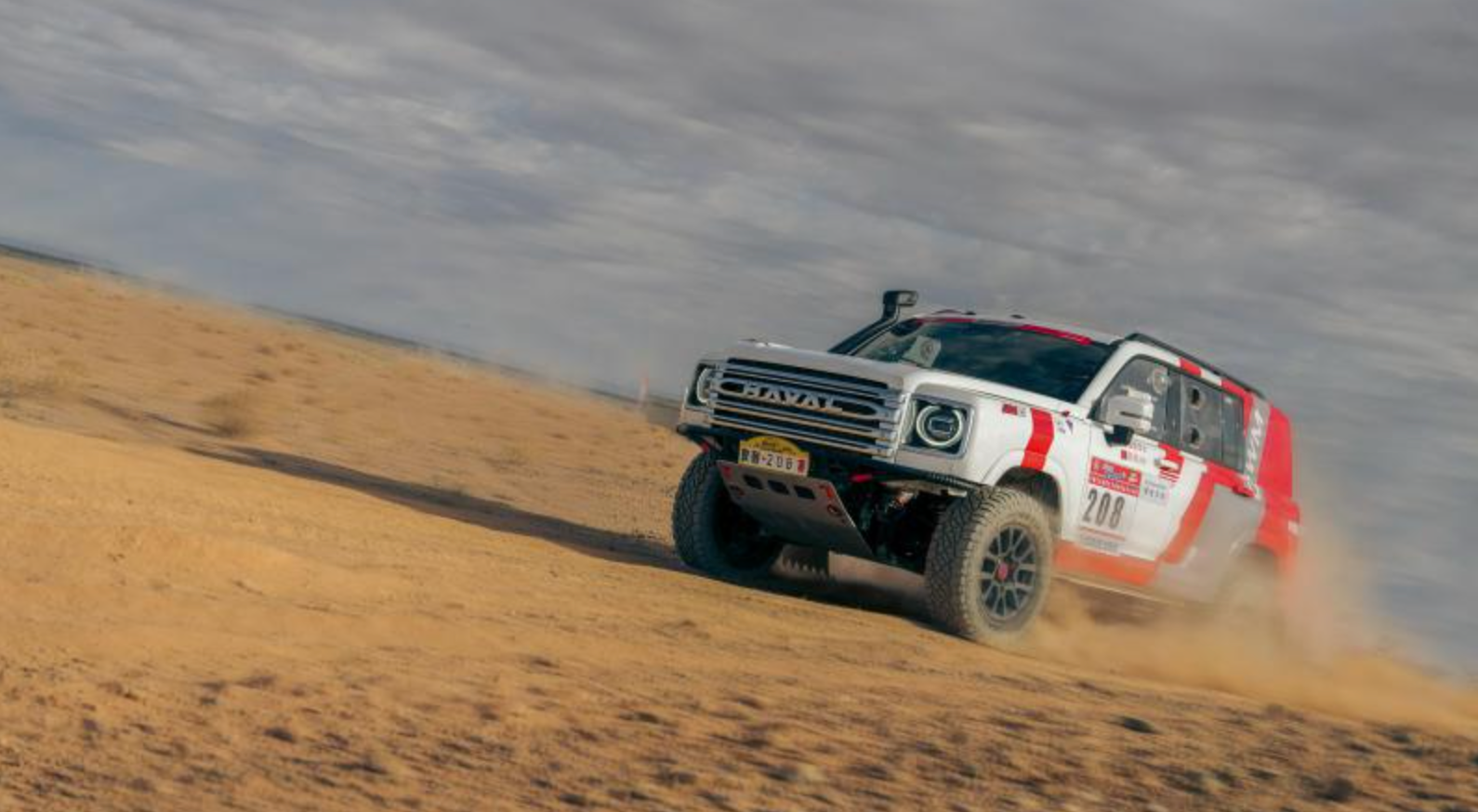
Image Source: Great Wall Motor
Yet, zooming out to the wider Chinese auto market, the assessment of Great Wall Motor deserves more nuance. Data shows the overall sales profit margin for China's auto industry slipped to 4.1% in 2025, a historic low.
In such a brutal competitive landscape, maintaining nearly 10 billion yuan in profit places Great Wall among the top earners of listed automakers on the A-share and Hong Kong exchanges. Compared to many startups still mired in losses, Great Wall possesses strong risk-hedging capabilities.
The institutions' skepticism is rooted in expectations of Great Wall's historically high margins. What the automaker did in 2025 was sacrifice short-term margins to secure a stronger foothold for future globalization and intelligent transformation.
This cautious stance also reflects how capital markets are tightening the screws on automakers during this transition period. It is no longer just about revenue and sales scale; investors are increasingly focused on profit quality, gross margin trends, and the efficiency of cost controls.
Strategic moves — investing in direct sales, NEV technology, and overseas expansion — build long-term competitiveness but weigh heavily on short-term costs and reported profits. Balancing long-term investment with short-term performance is a management challenge facing Great Wall and its peers alike.
Looking ahead, Great Wall's management has set a total sales target of 1.8 million units for 2026, with 600,000 earmarked for overseas markets. The plan includes rolling out multiple new NEV models under the WEY and Ora brands, while continuing to push into intelligence and premium segments.
As volumes from new platforms ramp up and the share of high-value overseas products rises, Great Wall stands to benefit. Improved channel efficiency will also lead to better economies of scale and higher per-vehicle earnings. The current profit dip may well be a necessary phase as the company restructures and invests for the future.
The latest data for January shows Great Wall sold 90,312 new vehicles, an 11.59% year-on-year increase, marking a strong start to the year.

