



Gasgoo Munich- As Chinese brands pile into the off-road SUV sector, the boundary between hardcore off-roaders and family SUVs is being erased by technological progress. The arrival of models like the BYD Formula Leopard 5, the Dongfeng M-Hero 917, and the Tank 500 all emphasize comfort, intelligence, and low energy consumption.
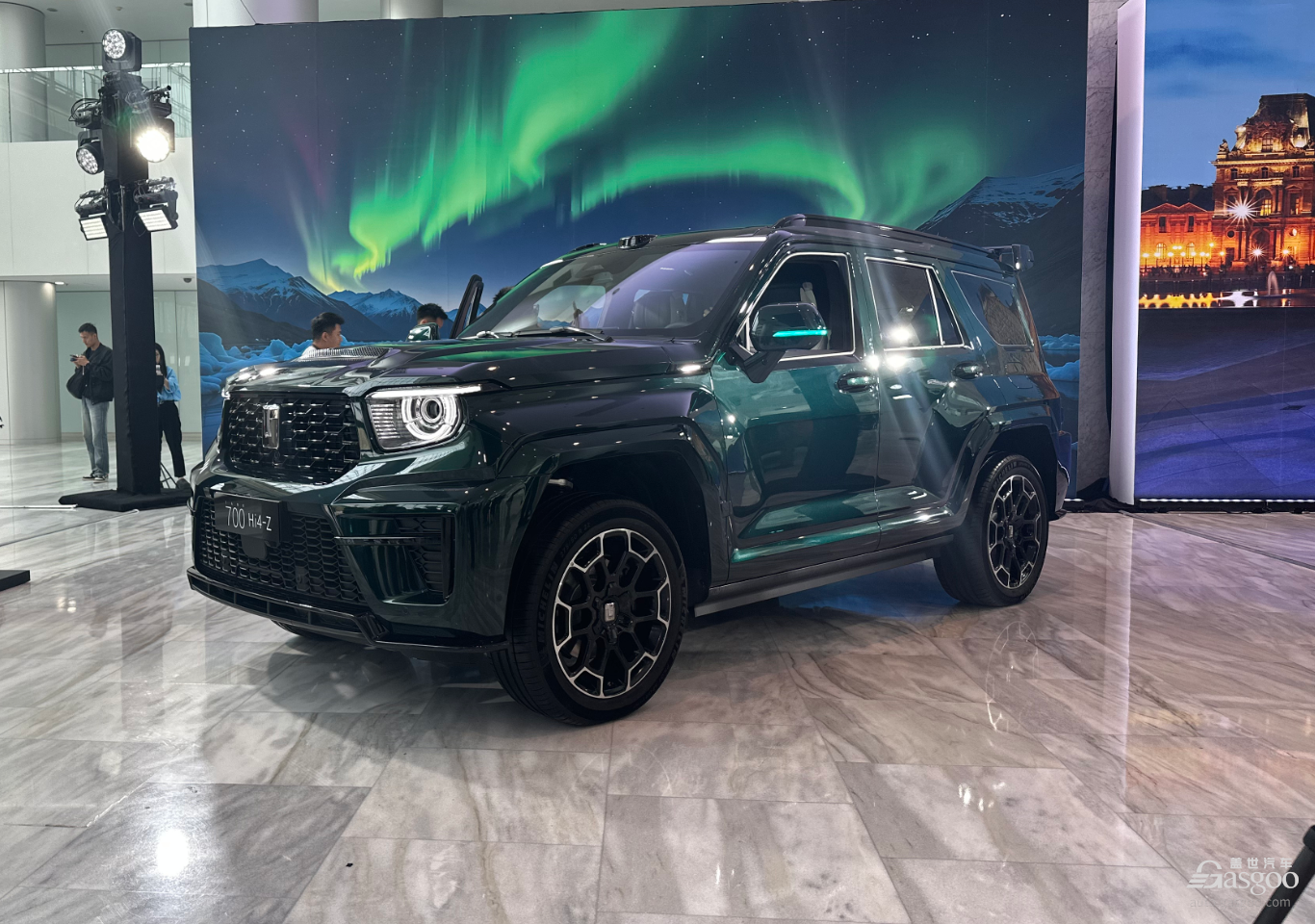
The Tank brand is now launching an assault on the 400,000-yuan city SUV market. On March 30, the all-new Tank 700 officially debuted with pre-sale prices ranging from 438,000 to 518,000 yuan.
This price bracket has long been the primary battlefield for traditional luxury SUVs like the BMW X5 and Mercedes-Benz GLE, as well as the core territory of high-end new energy SUVs like the Li Auto L9 and AITO M9. By anchoring the price of a body-on-frame hardcore off-roader in this range, the company is sending a clear signal: the offensive by off-road vehicles into the city SUV market is widening.
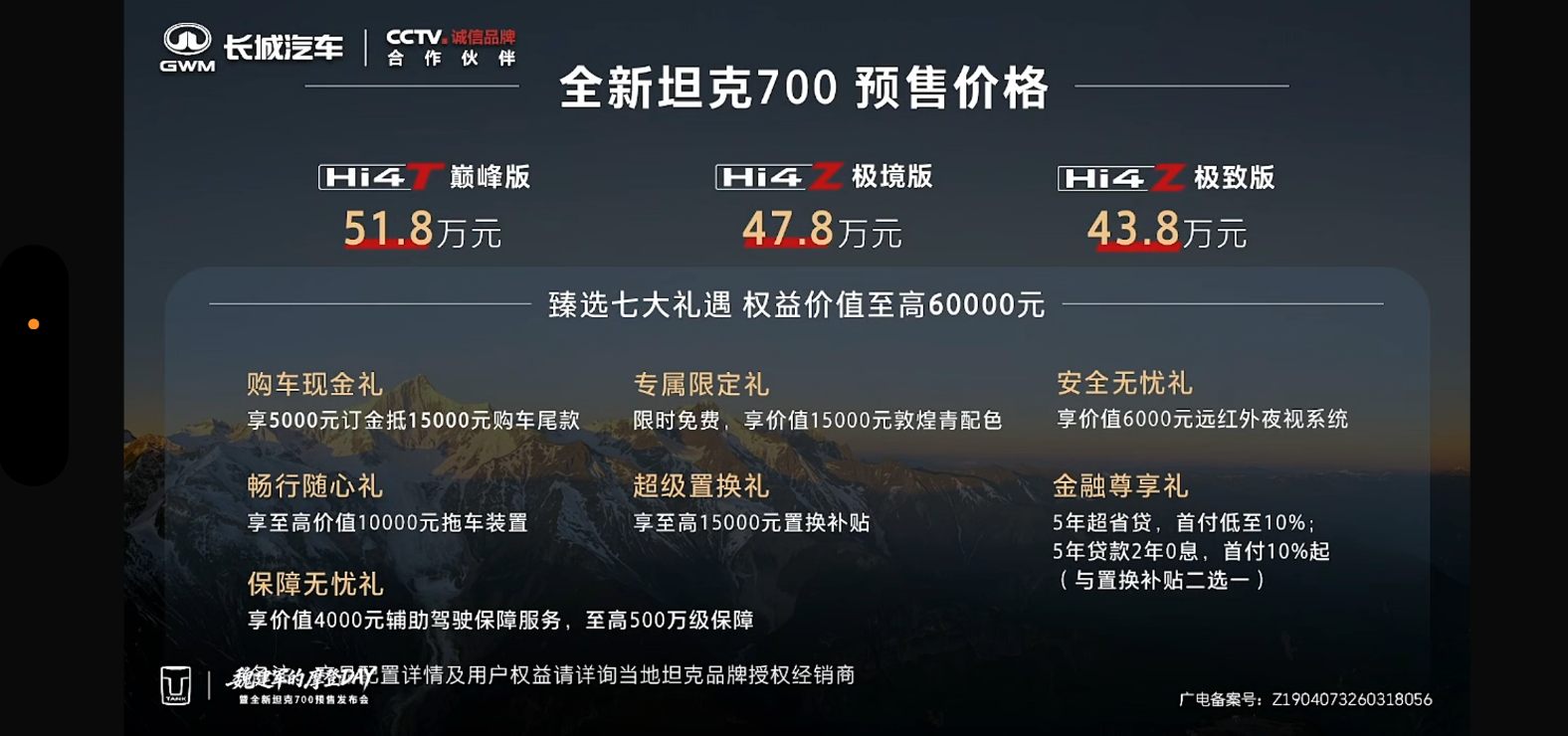
Image Source: Tank Brand
Off-Roaders: Not Just for the Dirt?
Traditionally, a chasm existed between hardcore off-roaders and city SUVs. The former, built with body-on-frame construction, suffered from high centers of gravity, heavy fuel consumption, stiff suspension, and noise—making them naturally less comfortable on the highway. The latter, while comfortable and efficient, couldn't handle complex terrain. Yet technological advances over the past two years are gradually bridging that divide.
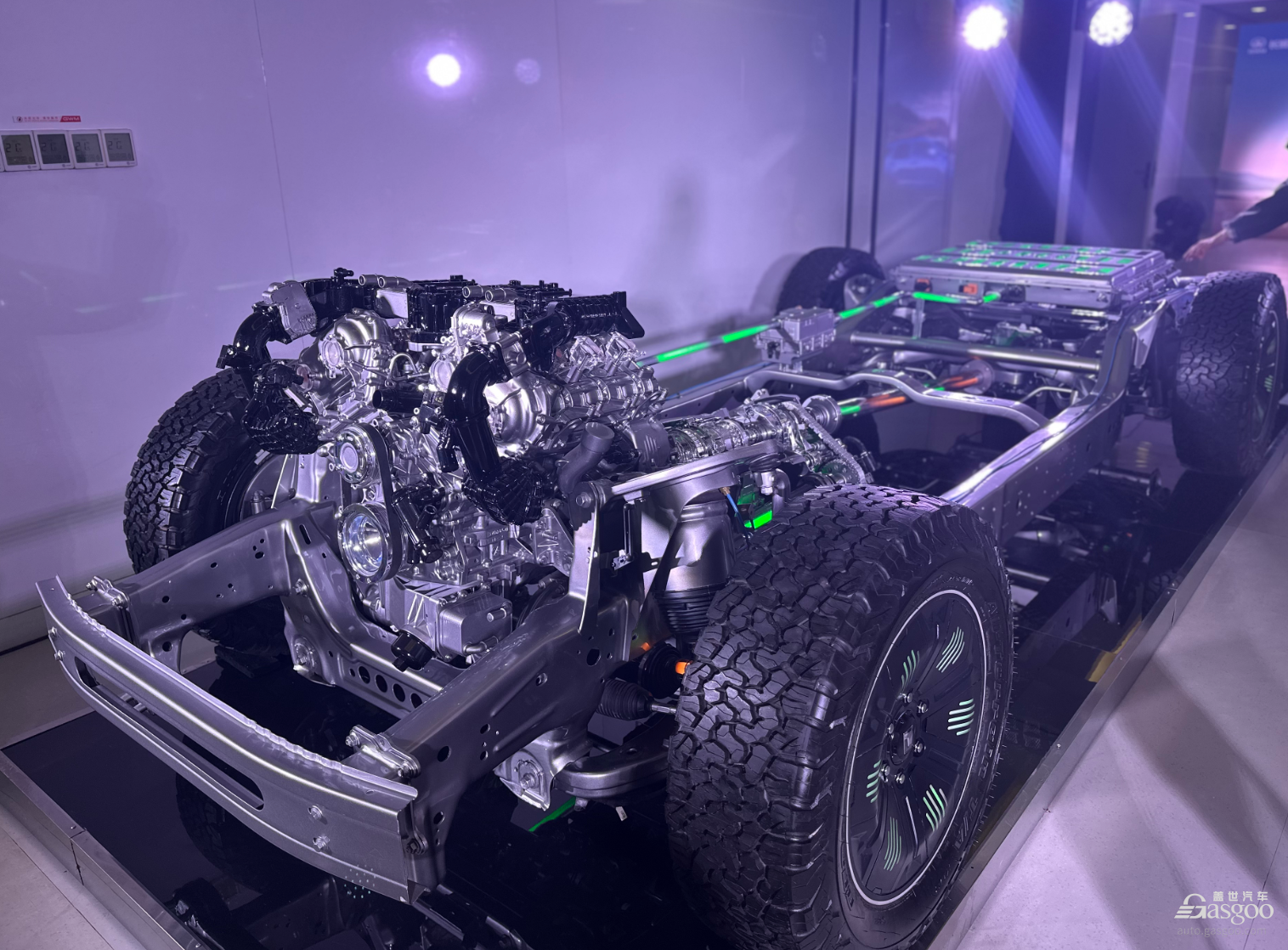
Consider the shift to hybrid powertrains. Massive displacement engines were once the standard for off-roaders, often resulting in fuel consumption of over 15 liters per 100 kilometers in city driving. The Tank 700's Hi4-Z hybrid version, however, offers a WLTC pure electric range of 190 km and a total range of 1,191 km. This means the majority of city commutes can rely entirely on electric power, while fuel consumption in battery-depleted mode is significantly lower than traditional off-roaders.
Gu Yukun, CEO of the Tank brand, explicitly positioned the Hi4-Z version as "better suited for city travel and semi-off-road scenarios" during the launch event. Hybrid technology has allowed off-roaders to shed the "gas guzzler" label, removing the biggest cost concern for family users.
Then there is the refinement of chassis tuning. Body-on-frame vehicles have an inherent advantage in vibration isolation—the rubber bushings between the frame and body add an extra layer of damping. But traditional off-roaders often sacrificed highway comfort to maintain suspension support under extreme conditions.
The Tank 700 incorporates rebound spring technology within its coil spring version. After testing 40 combinations of stiffness and length, engineers reduced body roll by 10% and boosted the moose test score to 72 km/h. Through such precise tuning, the comfort of a hardcore platform can now rival that of unibody vehicles.
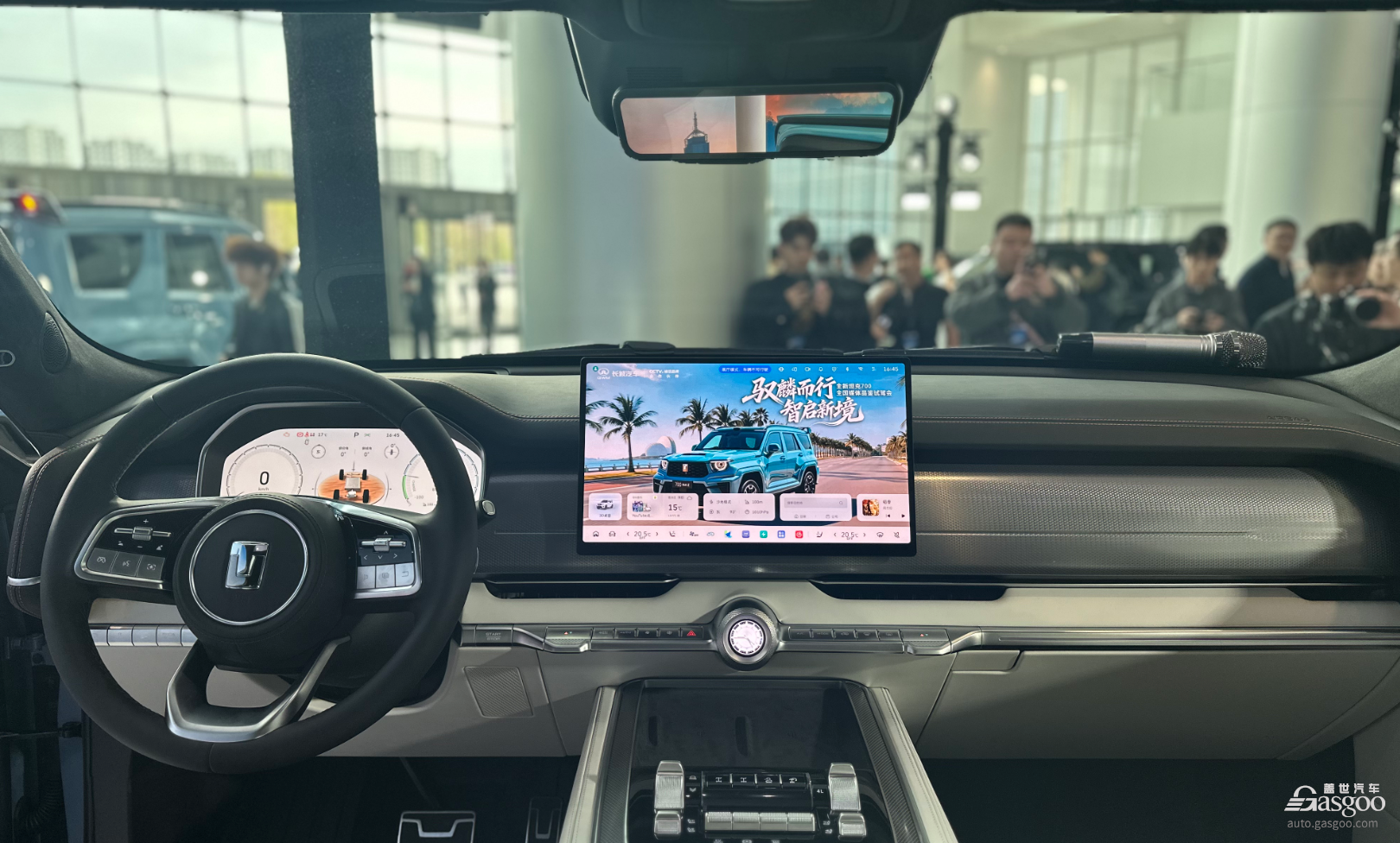
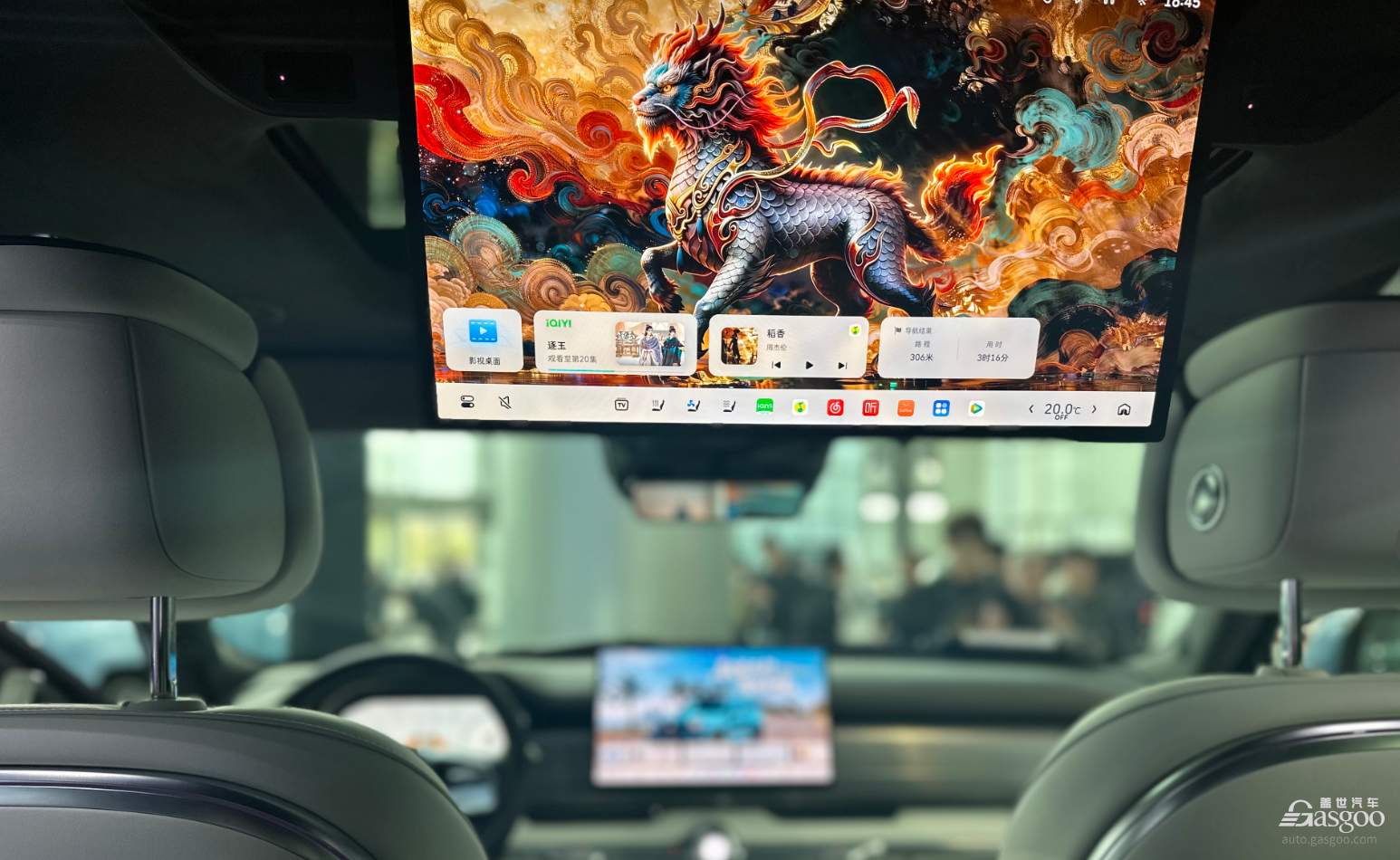
Another factor is the democratization of intelligent driver assistance. The Tank 700 is equipped with a VLA large-model driving system, featuring LiDAR and high-compute chips that support full-scenario NOA. At the conference, Gu cited data showing the current long-term usage rate of city NOA functions is only about 10%, largely due to user distrust of the system's reliability.
Tank 700's solution is a Chain of Thought (CoT) reasoning panel on the central display, visualizing the perception, reasoning, and decision-making processes. By making the system transparent, the brand aims to build trust. This transfer of "technical explanation rights" is a first for off-road vehicles.
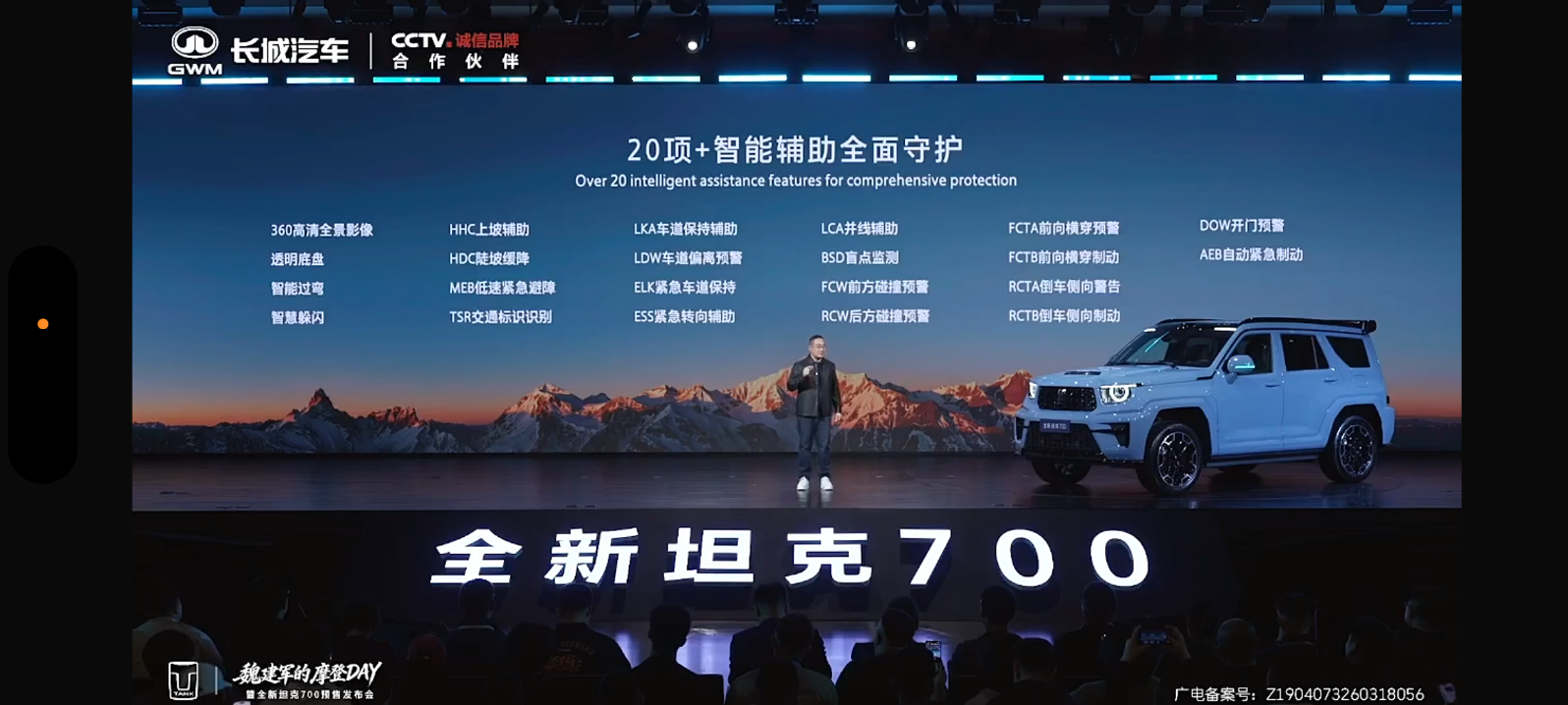
Image Source: Tank Brand
It is evident that off-roaders are evolving from "specialized tools for specific scenarios" into "universal carriers for all scenarios." When a vehicle offers low energy consumption for city commuting, highway comfort, off-road capability, and the smart features families demand, the line with city SUVs blurs, and the audience expands.
Already Showing Results
Market data confirms this trend. According to the Tank brand, full-year sales for 2025 exceeded 200,000 units, with an average selling price reaching 293,800 yuan. In the hardcore off-road market above 200,000 yuan, the Tank brand maintains a market share of over 70%.
More telling is the shift in user demographics. Among Tank 500 owners, 84% use the vehicle for family purposes. For the Tank 400, female owners account for over 40%, and users under 30 make up nearly 30%. This means the decision-makers are no longer just off-road enthusiasts, but a vast number of ordinary consumers focused on family travel and daily commuting.
Zooming out to the broader 400,000-yuan SUV market, the competitive landscape is being reshaped. Previously, this segment was dominated by traditional luxury brands like BMW, Mercedes-Benz, and Audi, high-end new energy family SUVs like Li Auto and AITO, and imported off-roaders like the Toyota Prado and Land Cruiser.
The entry of the Tank 700 is effectively an attempt to merge the functions of the latter two categories—off-road capability and family attributes—into a single product. The target audience is likely families who "want an SUV but don't want to be limited to paved roads."
To balance these two scenarios, the Tank brand has implemented "redundant design." Gu listed over 80 such features at the launch, including dual oil-electric safeguards, dual-path fuel supply, and dual-circuit redundant cooling systems. These additions reportedly increase single-vehicle costs by about 20,000 yuan. The goal is to ensure that while satisfying family demands for comfort and intelligence, reliability in extreme scenarios is not compromised.
Another data point worth noting is actual usage intensity. The Tank 300 alone has accumulated a total driving distance of 17.2 billion kilometers. More than 1,000 owners have driven over 200,000 kilometers, with the highest mileage on a single vehicle reaching 420,000 kilometers.
Such high-frequency, long-distance use proves that owners are not reserving these vehicles for weekend off-roading; they are using them as daily transportation.
From a macro perspective, this reflects a fundamental shift in consumer demand in the Chinese auto market. Buyers are no longer satisfied with vehicles that excel at only one task; they want a single car that covers as many scenarios as possible. Technological progress has made this a reality.
Hybridization solved the energy issue; chassis tuning solved comfort; intelligence solved the experience. With these three shackles unlocked, the entry of off-roaders into urban family households is no longer marketing rhetoric—it is a reality taking shape.


