As the global waves of electrification and intelligent transformation continue to surge, the competitive focus for Chinese automakers has quietly shifted from affordability and mass adoption to value leadership and brand ascent. The high-end flagship market—especially the pinnacle segment represented by large new-energy SUVs—has become a critical testing ground for the comprehensive strength of domestic brands.
The sustained hot sales of the AITO M9, the steady performance of the Li L9, and the successive entries of models like the ZEEKR 9X and VOYAH Titan all paint a clear picture: In the premium SUV sector, Chinese brands are engaging in a head-on battle with traditional luxury giants, armed with unprecedented technological intensity and product confidence. They are beginning to redefine the new standards of luxury intelligent mobility. The "battle record" in this niche market concerns not only per-vehicle profit and brand image but also influences, at a deeper level, the company's technological discourse power, supply chain leverage, and long-term strategic security.
Recently, Great Wall Motor brought its own new 9-Series flagship model—the WEY V9X—into the spotlight.
Following the Coffee Series and the Gaoshan Series, Great Wall Motor's WEY brand is once again using the "V" designation for a new model, and it must face a high-end niche market that is already crowded with strong players and where the landscape has largely taken shape. What exactly are the practical considerations and future expectations behind Great Wall's decision to launch the WEY V9X at this moment?
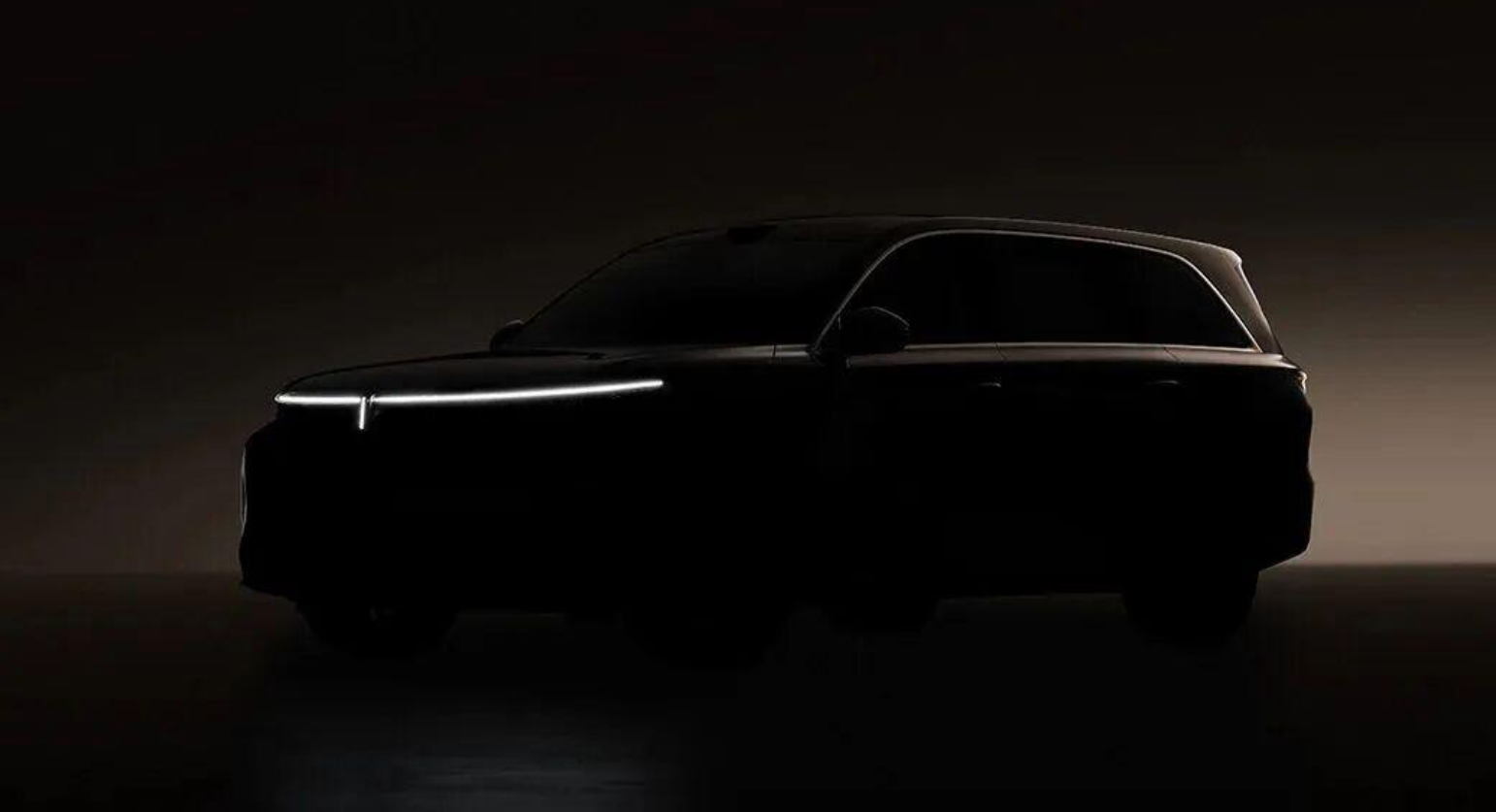
WEY V9X, Image source: Great Wall Motor
Why call it the V9X?
Brand naming is never a simple choice of symbols; it is the first layer of code for a company's strategic intent, market positioning, and communication with users.
Founded in 2016, WEY was born with the endorsement of Great Wall founder Wei Jianjun's surname, carrying the brand goal of breaking through the price ceiling for Chinese brands.
The first generation of products used a "VV + number" sequence (VV7, VV5, etc.), featuring a distinct design language and competitive power configurations for the time. At the brand's launch, it quickly established an initial perception of Chinese luxury in the market. During this period, the "VV" series was strongly bound to WEY's high-end image, representing the highest craftsmanship and technical standards of Great Wall's manufacturing at the time, and it accumulated a certain foundation of user recognition. However, as market competition intensified—especially under the impact of new energy and intelligent connectivity technologies—the traditional fuel SUV market came under obvious pressure, and the lifecycle of the first-generation "VV" series gradually drew to a close.
After a period of market fluctuations, WEY kicked off a brand refresh centered on the Coffee Series. New models such as Mocha, Latte, and Macchiato were rolled out one after another, aiming to break free from the cold mechanical feel of traditional auto manufacturing. By binding with the imagery of a "third space" familiar in the lifestyles of urban elites, they sought to create a fresh emotional connection with users.
However, market feedback did not fully meet expectations.
Veteran industry analyst Ye Sheng told Gasgoo in an interview that this type of naming (Coffee Series) lacks a strong correlation with product positioning. Ordinary consumers find it difficult to intuitively judge whether the Mocha or the Latte is positioned higher, and the internal hierarchy is ambiguous. In the mid-to-high-end market, where clear value stratification is needed, this ambiguity weakens the brand's authority and professional image to some extent. Later, WEY launched the MPV series "Gaoshan," though that belongs to a relatively independent product line.
Therefore, WEY's reboot of the "V" series with the V9X is by no means a simple exercise in nostalgia.
First, it is an efficient awakening of the brand's core assets. As a letter symbol with high recognition in WEY's history, "V" still retains associative memories of "high-end" and "performance" in the minds of some consumers. Restarting the "V" series can quickly establish a link between the new product and WEY's original high-end positioning at the lowest cognitive cost. Ye Sheng also noted in his assessment that the design of early models like the VV7 still leaves a positive impression on many domestic consumers, and WEY's "V" series indeed holds certain brand asset value.
Second, adopting the benchmark-style naming of V9X is an effective ticket to enter the already-established "9-Series Club." When products like the AITO M9 and Li L9 have successfully shaped the number "9" as synonymous with top-tier intelligent electric SUV flagships, following this naming rule—already educated by the market—is a pragmatic and efficient strategy.
The "9" represents the pinnacle, while the "X" likely implies exploration. The entire name clearly and unambiguously declares the new car's product status within the Great Wall system to the market.
This naming approach constructs a context for direct dialogue with competitors and paves the way for its future product matrix. When new models are launched, they can logically form a clear high-end product sequence, allowing consumers to understand the product hierarchy at a glance. This is crucial for shaping a mature luxury brand. In fact, beyond emotional and scenario-based user experiences, a clear, stable, and predictable value hierarchy system is also an indispensable cornerstone for luxury brands.
The "9-Series Market" is getting crowded
The niche market that the WEY V9X is entering is one where the "strong get stronger" dynamic is beginning to show, and the barrier to entry is extremely high. To truly gain a foothold, relying solely on the "9-Series" name and flagship positioning is far from sufficient; it must possess distinct differentiated value and core competitiveness that is difficult to replicate quickly.
In the current domestic "9-Series market," there are not only several star products with stable market performance, but many new models are also sharpening their swords in anticipation.
Thanks to Huawei's technological empowerment in smart cockpits and assisted driving, as well as the powerful brand appeal brought by the Huawei halo, the AITO M9 has successfully stood firm in the market above 500,000 yuan, becoming a benchmark for domestic tech-luxury vehicles.
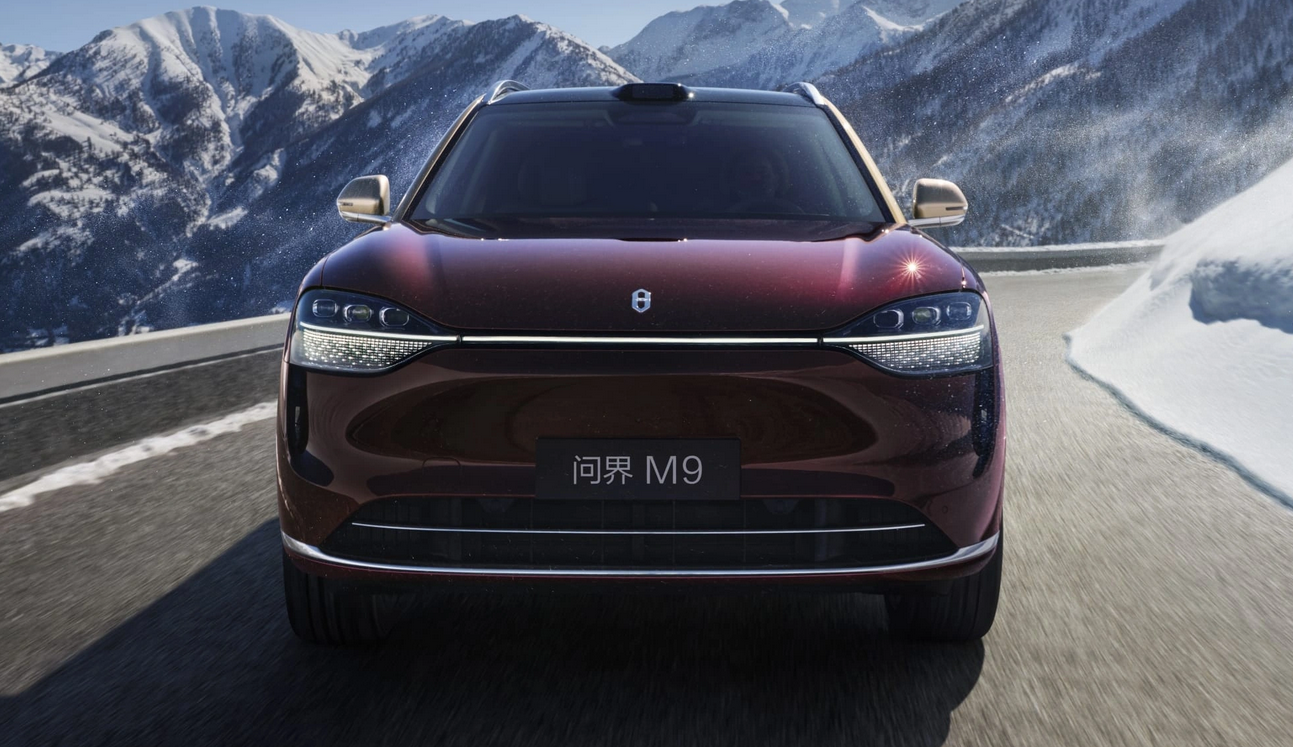
AITO M9, Image source: AITO
The Li L9 is precisely positioned with the product concept of a "mobile home," effectively satisfying the strong demand of domestic multi-person families for space, comfort, and entertainment. The "family bucket" experience composed of a refrigerator, color screens, and plush sofas has deeply taken root. Not only is its market performance stable, but it has also redefined a new concept of luxury centered on family scenarios.
Relying on the Geely Group's technological architecture advantages, the ZEEKR 9X emphasizes top-tier performance, forward-looking design, and personalized expression. It similarly attracts many high-net-worth young users and seasoned car enthusiasts who pursue driving pleasure and disdain following the herd.
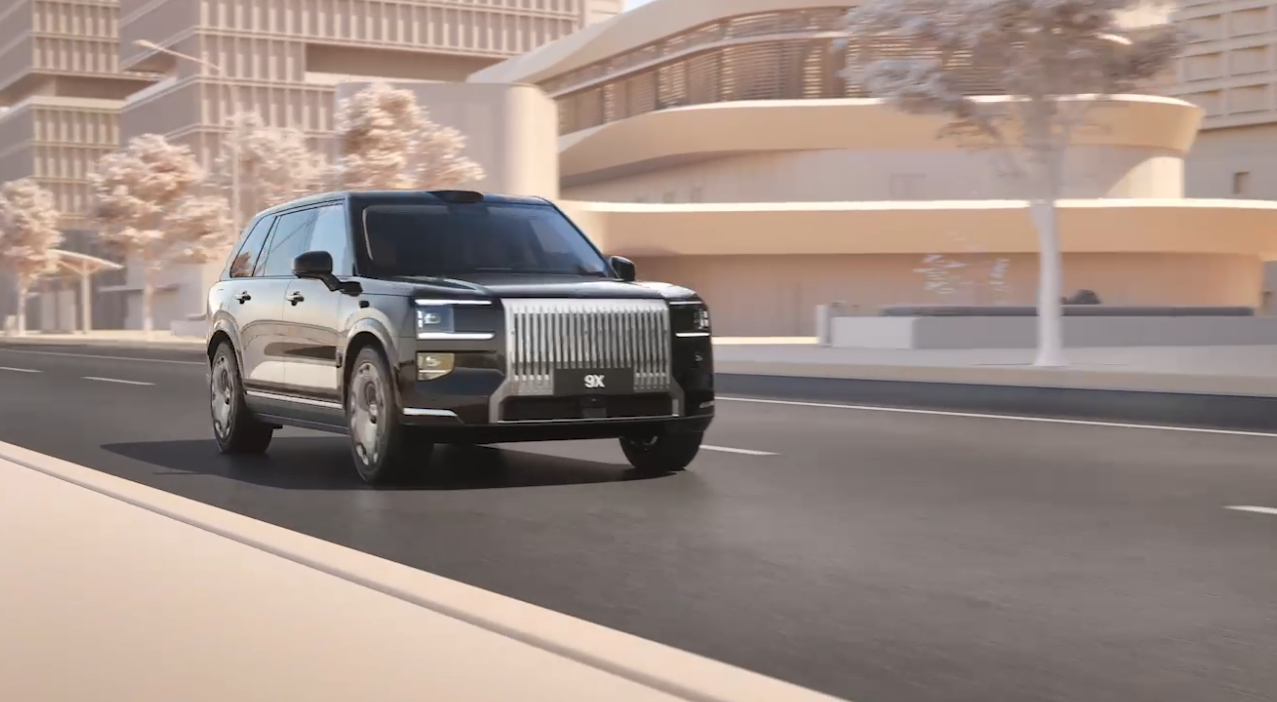
ZEEKR 9X, Image source: ZEEKR
Although the VOYAH Titan does not carry the number 9 in its name, it is also a flagship SUV product under VOYAH. This model focuses on the steadiness of an executive sedan and solid mechanical quality, boasting good groundwork in traditional luxury atmosphere and chassis tuning. Currently, under the name Titan, VOYAH has planned multiple models, and the subsequent performance of this series is worth watching.
There are also the XPENG G9, Denza N9, Lynk & Co 900, IM LS9, Deepal S09, and others. In recent years, alongside the tides of electrification and intelligence, the enthusiasm of independent automakers to layout flagship SUV products has been fully mobilized, becoming an important force in "intercepting" traditional luxury brands as they dominate the domestic high-end car market. It is also worth mentioning that currently, not only are independent automakers aggressively pushing 9-Series new energy vehicles, but joint ventures are also not idle. The most watched joint venture 9-Series product recently is undoubtedly Volkswagen's ID.ERA 9X. As the Volkswagen Group's first and currently only 9-Series model globally, the ID. ERA 9X is defined as a German-spec full-level flagship SUV. Launching this car is not just a product iteration for SAIC Volkswagen; it will serve as a key layout to verify the effectiveness of its "Joint Venture 2.0" model.
In summary, facing competitors who already occupy their respective "hills," if WEY V9X wants to secure a slice of the pie, it must execute a more precise differentiated positioning. Analyst Ye Sheng predicts that the future WEY V9X may build its product competitiveness in areas such as plug-in hybrids, acceleration, smart driving, smart cockpits, and 6C fast charging.
Great Wall Motor has already accumulated significant strength in the PHEV field. If it can upgrade on the basis of the existing technical architecture to provide a plug-in hybrid system that balances long pure-electric range, anxiety-free long-distance capability, and stronger performance, it might quickly form a unique selling point.
Unlike most current high-end domestic products that rely heavily on deep empowerment from Huawei, the self-developed AI cockpit and high-order assisted driving systems to be equipped on the WEY V9X will both reflect Great Wall Motor's full-stack self-research capabilities. Their success or failure lies not only in whether the functions are flashy but also in the fluency of the experience, the coverage of scenarios, and the system's stability and reliability. If Great Wall can use the V9X—a new product positioned at the high end—to build a self-developed intelligent system with more distinctive features and excellent experience, standing apart from the first tier of assisted driving like Huawei, it could significantly enhance Great Wall Motor's technological confidence and discourse power.
According to official statements, the WEY V9X is built on Great Wall Motor's new Guiyuan platform and will feature an 800V hybrid architecture and a hybrid 6C battery, aiming directly at the high-end user's dual demand for efficient travel and instantaneous power response. Against a backdrop where numerous flagship SUVs focus more on space, comfort, and intelligence, highlighting strong acceleration performance and ultra-fast charging capabilities will also help the new car attract users who have higher requirements for comprehensive mechanical quality and charging efficiency.
However, clear positioning is only the first step. The core challenge facing the WEY V9X in the future is how to get consumers to pay the premium price when its brand power has not yet reached the level of first-tier luxury or even the top of the new forces? "Sales volume shouldn't be too high; it's not in the same order of magnitude as the AITO M9," is Ye Sheng's prediction for the new car's subsequent market performance. He believes the strategic value of this car lies in becoming "the culmination of Great Wall's technology, design, and brand philosophy," thereby opening up new space for the value uplift of the entire Great Wall brand matrix.
Why is WEY shouldering the responsibility of building a 9-Series flagship?
Great Wall Motor boasts a rich brand matrix: HAVAL attacks the mass SUV market, TANK focuses on hardcore off-roading, and Ora focuses on personalized creation. Entrusting the heavy responsibility of the group's first 9-Series flagship SUV to WEY is clearly a comprehensive decision based on reality and future strategy, and it may also be a systemic action with high risks and high returns.
Looking at the continuity of brand history and positioning, WEY is a brand that has clearly carried the mission of "luxury" since its birth under Great Wall Motor. Its brand slogan and initial communications revolved around "Chinese luxury." Despite midway twists and turns, the brand's "birth certificate" still says high-end. Placing the 9-Series flagship model under WEY is the most direct continuation and reinforcement of its brand DNA, aligning with the logic of brand asset management.
Looking at internal brand synergy and division of labor within the group, Great Wall Motor needs a brand that can contend with top players on the track of urban luxury and intelligence. In the premium track, Great Wall Motor's TANK brand has undoubtedly achieved good results, but its core label is hardcore off-roading, with specific boundaries for product form and user scenarios. It is difficult to cover urban high-end families with comprehensive needs for luxury, comfort, and technology. WEY is naturally positioned here. If it can successfully break through the high-end family car track with the V9X, forming a "hard and soft" high-end combination with the TANK series, it can help Great Wall achieve a more complete layout in the high-end market and cover a broader consumer group.
The V9X will become a "key battle" in WEY's and even Great Wall Motor's process of moving upmarket.
During the "VV" series period, WEY's market performance fell short of expectations, and both channel confidence and brand buzz faced significant pressure. It was only after the launch of the Lanshan model that the overall performance of the Coffee Series got on track. However, as domestic SUV markets have successively embarked on a new journey of 6-seat flagship SUVs, Great Wall Motor also urgently needs a flagship product with technological height, product strength, and market appeal to boost market confidence.
Therefore, for WEY, the new V9X is the "anchor" for reshaping the brand's high-end image. A successful flagship model can pull up the value perception of the entire brand from top to bottom, allowing the market to re-recognize WEY's technological strength and high-end heritage, thereby driving attention and premium pricing power for its subsequent models.
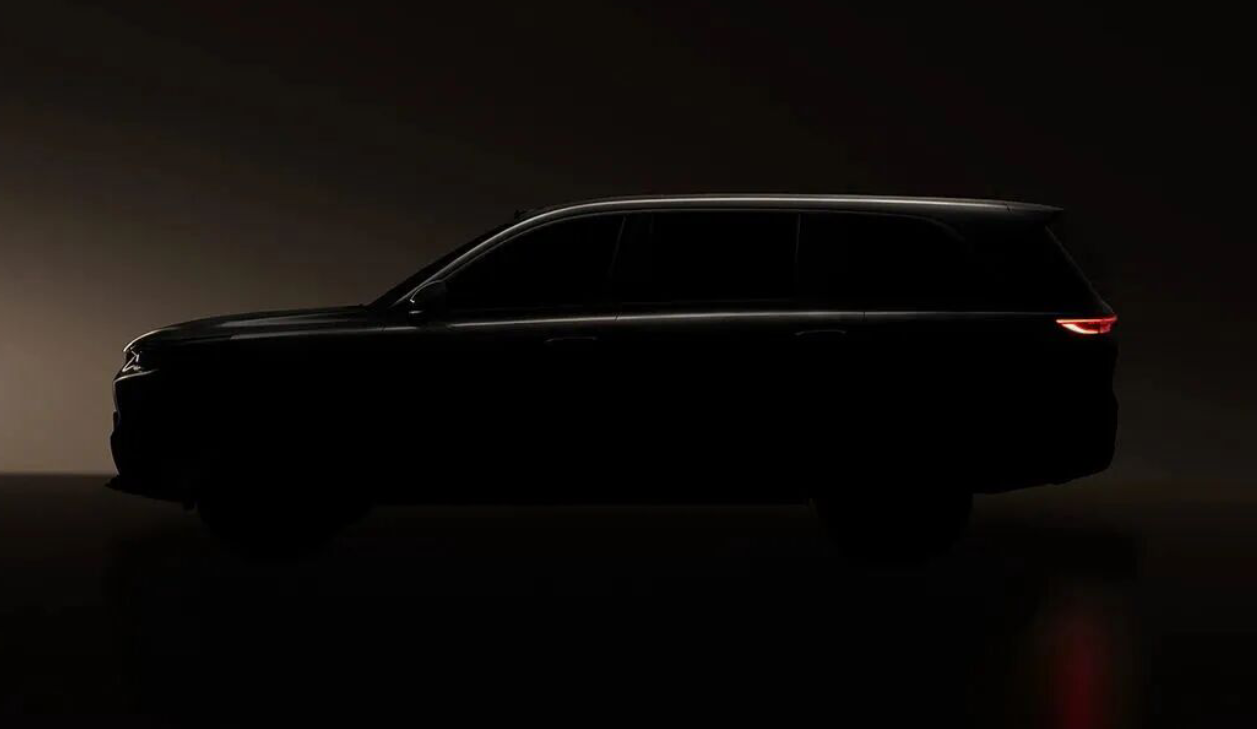
WEY V9X, Image source: Great Wall Motor
For Great Wall Motor, the V9X is a new window for showcasing technological strength. The GWM ONE platform, high-order assisted driving system, AI cockpit, and advanced hybrid system it carries are all new results of Great Wall Motor's years of R&D investment. Through the market test of the V9X, it can prove to the industry and consumers that Great Wall also possesses competitiveness in the top-tier new energy track.
In addition, high-end flagship models are a direct and effective means to improve overall profitability and optimize profit structure. If the V9X succeeds, even if its sales volume isn't the highest, its considerable per-vehicle profit can contribute precious cash flow to Great Wall, feeding back into more forward-looking technology R&D.
Of course, this choice also comes with significant risks. Can WEY's existing brand momentum and channel capabilities support the sales and service of the V9X? Will the market doubt the V9X's longevity due to WEY's past fluctuations? These are all questions Great Wall must face squarely. Therefore, entrusting the 9-Series flagship to WEY is both a trust bestowed and a cruel test.
Conclusion:
The launch of the WEY V9X is a key strategic offensive launched by Great Wall Motor in the second half of the new energy era, attempting to rebuild a clearer high-end brand order through the rational return of its naming strategy.
The future of the new car is destined to be a mix of opportunity and challenge. The opportunity lies in the fact that China's high-end new energy market is still expanding, and consumer acceptance of excellent domestic flagships is unprecedentedly high, providing a market window for latecomers. The challenges are more specific and severe: it needs to face pioneers who have already established strong user mindshare and ecological barriers; it needs to achieve truly first-class standards in self-developed intelligent experience, not just parameter benchmarking; it needs to make up for possible shortcomings in brand marketing, user operations, and luxury service experience; and it needs to use one product as an opportunity to drive the comprehensive innovation of the entire WEY system.
The success or failure of the V9X may not be measured in the short term solely by whether its sales surpass the head products, but by whether it can successfully establish a flagship image of "Technological Great Wall," whether it can significantly enhance WEY's brand value and market heat, and whether it can win lasting discourse power for Great Wall Motor in the high-end market.