



Gasgoo Munich- At 9:30 a.m. on March 19, the trading gong sounded and the ticker "07489.HK" flashed onto the Hong Kong Stock Exchange's electronic board. VOYAH had made its debut on the international capital market — billed as the first high-end new energy vehicle stock from a central state-owned enterprise.
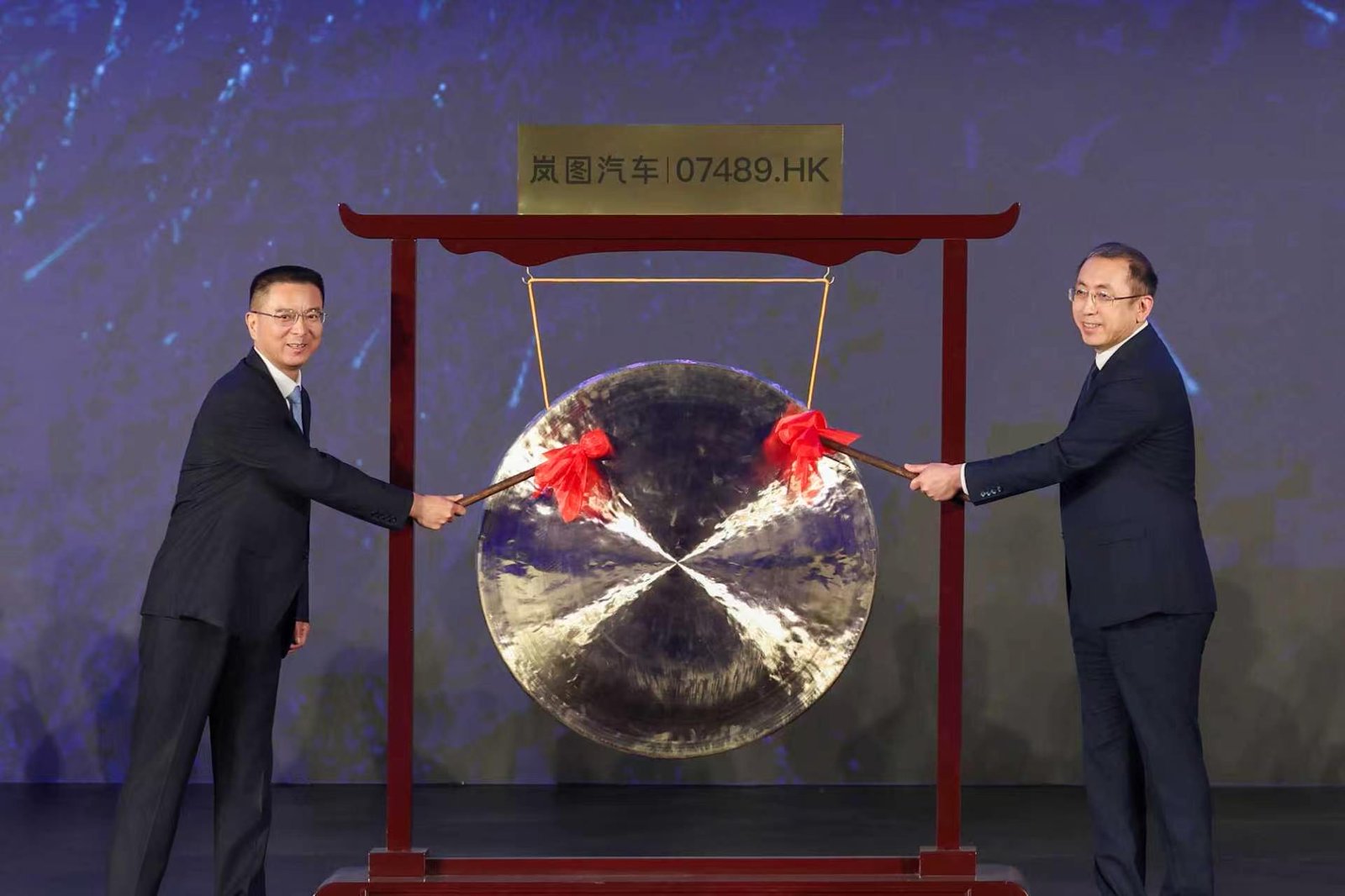
Image source: VOYAH
VOYAH's shares saw volatility on their first day, drawing eyes to the listing. In truth, the entire sector has been taking a hit: on March 18 alone, leaders like Li Auto and XPENG tumbled 6.17% and 4.28%, respectively, dragging the broader board into a retreat. Yet in a market defined by liquidity splits and tightening risk appetites, the opening-day pop—or lack thereof—is no longer the true measure of a company's worth. Since 2024, divergent debut performances have become the norm in Hong Kong, often masking the long-term winners.
This volatility reflects a deeper shift underway in capital markets: investors are moving away from short-term bets on "IPO premiums" and returning to a rational assessment of fundamentals. True long-term capital is no longer fixated on the sentiment of the opening bell. Instead, it prioritizes a company's industrial positioning, its resilience, and its ability to forge certainty out of an uncertain landscape.
VOYAH's listing comes as the market's valuation framework is being rewritten. Short-term price swings often reflect market mood rather than corporate quality, but for companies with genuine systemic competitiveness, a rational market can offer fairer recognition. As the high-end new energy brand crafted by Dongfeng Motor Group, VOYAH carries the weight of a state-owned giant's transformation. Its strategic resolve and ability to integrate resources will be the core variables determining its long-term value. In a macro environment growing more uncertain by the day, the certainty VOYAH brings is itself becoming a scarce anchor for value.
This listing is more than a securitization of assets; it is a demonstration of the logic behind state-owned enterprise reform, the realization of technological value, and the evolution of industry trends. It sends a clear signal to the market: the era of value competition in China's high-end new energy vehicle sector has officially begun.
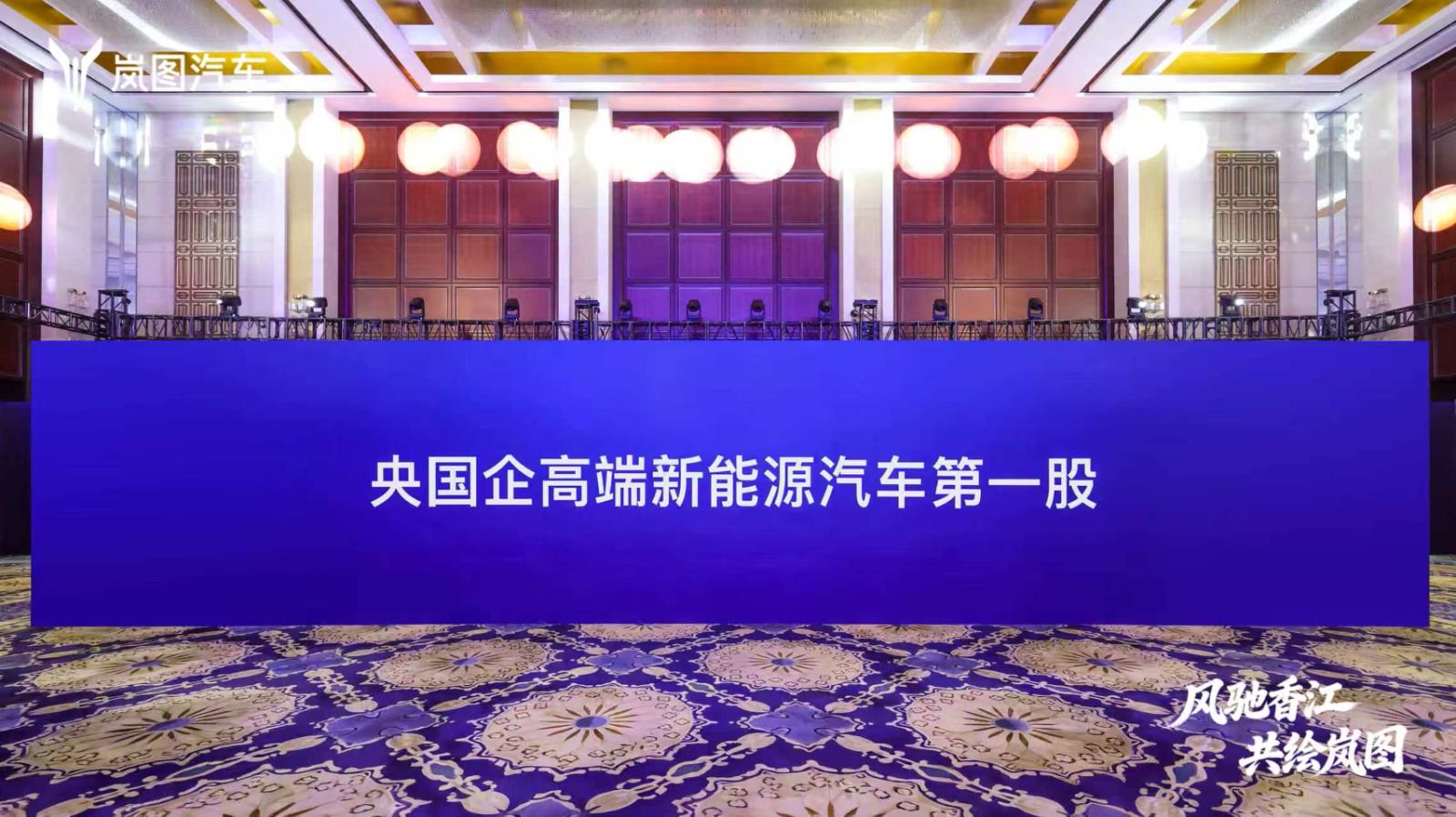
Image source: VOYAH
How Can SOE Reform Accelerate?
From the outset, VOYAH's public debut was shaped by high-level design. It was not a simple spin-off; rather, it ran in parallel with Dongfeng Group's privatization moves, forming a complete closed loop of capital operations. This structure pushed VOYAH—a high-growth asset—onto the capital market, achieving the optimal allocation of resources.
This institutional innovation secured high-level coordination, from the group to regulators. VOYAH filed its listing application in October 2025 and secured principle approval from the Hong Kong exchange in February 2026—clearing multi-layered approvals in just four months. That set an efficiency record for a state-owned new energy brand listing in Hong Kong.
Yet the rapid approval is only the surface. The deeper "acceleration" is found in the transformation of identity and capability.
First, the shift in identity. An independent listing marks VOYAH's evolution from a business unit nurtured by the group into a public company that faces investors and withstands market scrutiny on its own. This transition requires playing by market rules, where greater transparency and sustainable performance are the price of admission—and the key to earning deeper trust.
Second, the shift in capability. With the code "07489.HK," VOYAH has established a standalone platform for capital operations. Looking ahead, whether funding R&D, expanding capacity, or mapping out a global strategy, VOYAH now has the access to long-term capital it needs. This leap in capability will provide critical support as VOYAH bridges the gap from a startup to a mature automaker.
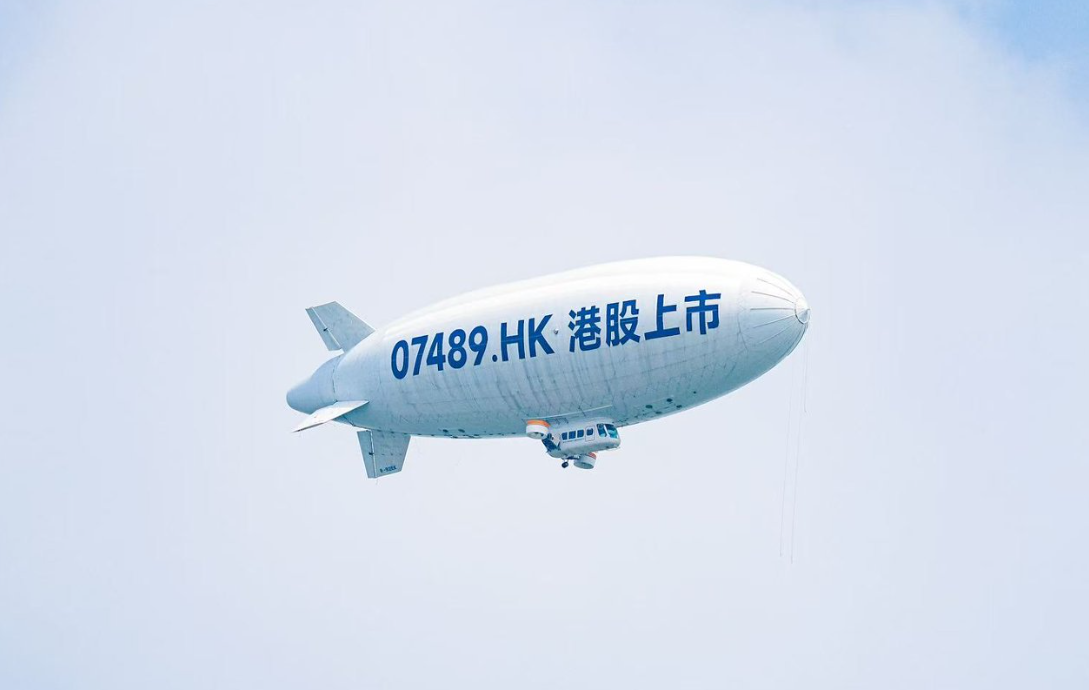
Image source: VOYAH
There is also a shift in development paradigm. VOYAH's path offers a blueprint for spinning off new energy units from state-owned enterprises, proving that high-efficiency market transformation is possible—even under the rigid mandate to preserve and grow state assets—through institutional innovation. In other words, this is not just the acceleration of one company's listing; it is proof that a reform path works.
In his speech, VOYAH Chairman Lu Fang looked back on the journey: "Every step we have taken bears witness to our firm determination to elevate Chinese brands."
While many new energy rivals remain mired in losses, VOYAH has demonstrated its ability to generate its own cash flow with solid financial results: it turned a profit in the fourth quarter of 2024 and posted a full-year net profit of 1.02 billion yuan in 2025, with a gross margin holding steady at a high 20.9%. That report speaks volumes—it proves with hard numbers that state-owned enterprises can not only build competitive electric vehicles but do so profitably.
If financial figures are the fruit, then the root cause is VOYAH's standardized operating system—the systemic control it exercises over governance, operational standards, and compliance. As VOYAH lists successfully, the value of this disciplined operation is beginning to spill over from the capital market to the consumer market.
For consumers, what does it mean to deal with an automaker that has sound governance and transparent operations?
First, predictable delivery. Standardized supply chain management and production processes mean accurate delivery times, not indefinite waits. Second, reliable service promises. From pre-sales consultations to after-sales maintenance, and from OTA upgrades to channel development, standardized operations ensure every touchpoint follows a standard and honors commitments. Third, brand sustainability. When a company achieves profitability and a public listing through disciplined governance, customers are buying more than just a car; they are buying into a brand with long-term backing.
This is the logic chain by which VOYAH translates disciplined governance into user value. The efficient approval process is merely the tip of the iceberg; the systemic capabilities beneath the surface ultimately translate into peace of mind and trust every time a customer gets behind the wheel. This transmission from institutional strength to user perception is the unique value that sets a "national team" player apart from the rest.
Technical Dividends Enter a Period of Concentrated Release
Capital maneuvers were VOYAH's ticket to the Hong Kong market, but technological strength is the ballast that will sustain long-term investor confidence. This listing is, in essence, a concentrated realization of the value VOYAH has built through years of technical accumulation.
VOYAH has established five major technological pillars: platform architecture, Lanhai Power, smart cockpits, intelligent driving, and the VOYAH tech ecosystem. It leads the industry in electrification, intelligence, safety, and driving dynamics. The significance of this systematic layout lies in its refusal to rely on a single technological breakthrough; instead, it uses the synergistic evolution of underlying capabilities to provide continuous momentum for product iteration.
Patent data offers direct evidence of this strength. By February 2026, VOYAH had filed 5,828 patents, with invention patents accounting for 85.35%—a growth rate placing it among the top new energy automakers. More notably, VOYAH's centrally developed electronic and electrical architecture was selected for the SASAC's "Recommended Catalog of Scientific and Technological Innovation Achievements of Central Enterprises," the only technology in its field to receive the recommendation. Through technology licensing and standard output, it now supports the R&D of more than 10 domestic brands. In other words, VOYAH's current capabilities are designed not just to empower itself, but to uplift the entire industry.
In terms of powertrain technology, VOYAH displays a rare comprehensiveness. Lanhai Power, its self-developed high-end new energy powertrain solution, is the first in the industry to run pure electric, plug-in hybrid, and extended-range technologies in parallel under a single brand and architecture.
On the intelligence front, while the industry remains bogged down in refining L2+ experiences, VOYAH has already made systematic preparations for the L3 era. It boasts the world's first "global safety standard" and has built the Tianyuan Smart Architecture, the world's first L3-level intelligent architecture, providing comprehensive technical guarantees for the safe and reliable operation of high-level autonomous driving from the ground up. In terms of data reserves, VOYAH began laying out its L3 conditional autonomous driving system and conducting forward-looking tests as early as 2024, becoming the first automaker to obtain a road test license for an intelligent connected NEV MPV. By the end of 2025, VOYAH had completed 110,000 kilometers of real-world road testing and 900,000 kilometers of simulation testing for its L3 system, covering complex scenarios such as urban congestion, narrow alleyways, and extreme weather—accumulating solid empirical data for functional verification and safety assessment.
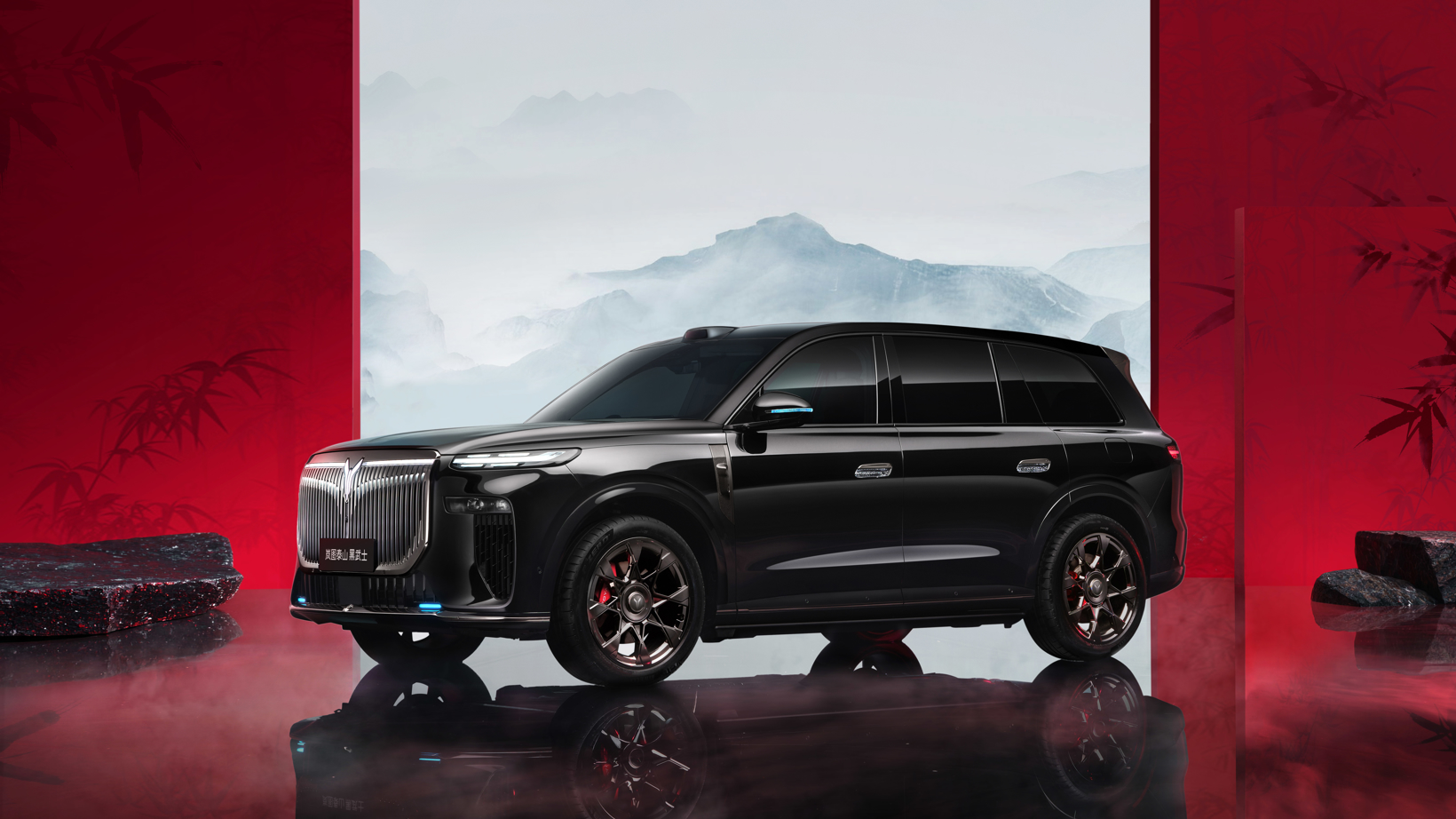
Image source: VOYAH
Supported by this solid technical foundation, VOYAH has built a complete product line covering the 200,000 to 700,000 yuan market in less than seven years. It is the first high-end state-owned new energy brand to complete a full-category layout spanning SUVs, MPVs, and sedans.
VOYAH's "Three Flagships" combination—the Dreamer, the Titan, and the Passion L—anchor the high-end MPV, flagship SUV, and luxury sedan segments respectively, forming a stable high-end triangle. The strategic significance of this layout is clear: it does not rely on a single blockbuster to carry the company. Instead, it establishes a more resilient product system through the synergistic efforts of multiple models across different segments.
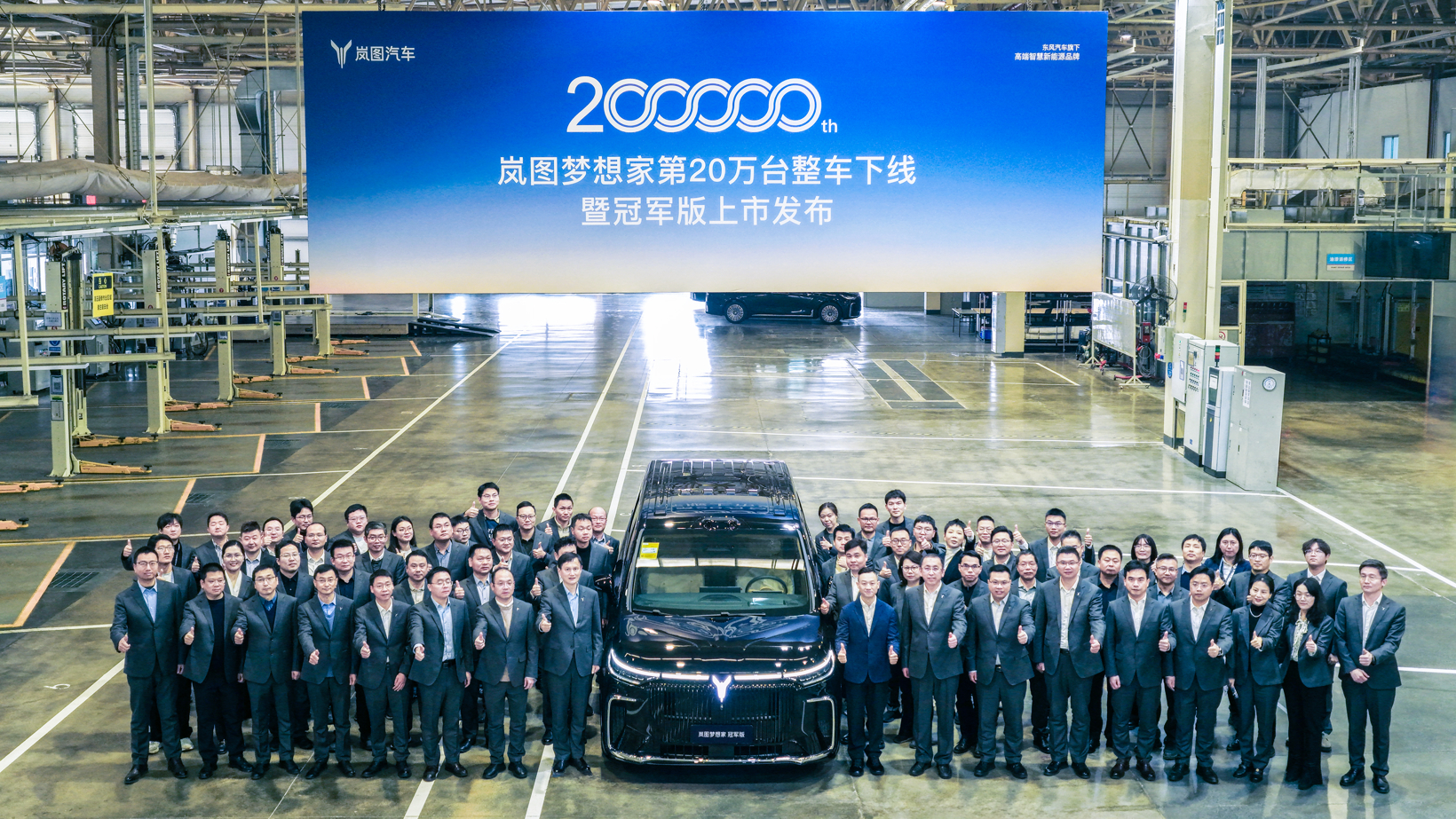
Image source: VOYAH
The VOYAH Dreamer has secured the "Triple Crown" position in the high-end new energy MPV segment—leading in sales, quality, and reputation. With an average selling price exceeding 400,000 yuan, and more than half of its customers trading up from traditional luxury brands like BBA, the data is compelling: it shows that VOYAH has not only achieved product parity with luxury incumbents but also successfully penetrated the core high-net-worth demographic in China. The "Triple Crown" reflects VOYAH's deep insight into user needs: What matters most to high-end MPV buyers? Is it spatial comfort, a quiet cabin, the dignity required for business receptions, or the safety of family travel? The Dreamer has answered these questions through three generations of evolution, proving that Chinese brands now possess the ability to define—and lead—the high-end market.
Today, one out of every three high-end MPVs sold in China is a VOYAH Dreamer.
The "Three Flagships" represent VOYAH's deep technological heritage, but the "Three Kings and One Bomb" product lineup launching in 2026 marks the moment VOYAH converts those technical dividends into market momentum.
The Titan Ultra, the "Smart Driving King," began deliveries on March 17. As the first flagship SUV equipped with the world's highest-spec 896-line dual-beam image-grade LiDAR, it represents the pinnacle of fusing VOYAH's most powerful "brain" with its strongest "body." The Titan X8, the "Space King," made its global debut on the day of the listing, targeting the core needs of Chinese families with a 6.1-square-meter luxury cabin and the latest HarmonyOS cockpit. Following these, the "Looks King" FE (codename) and the "Tech Bomb" Everest (codename) will launch later this year.
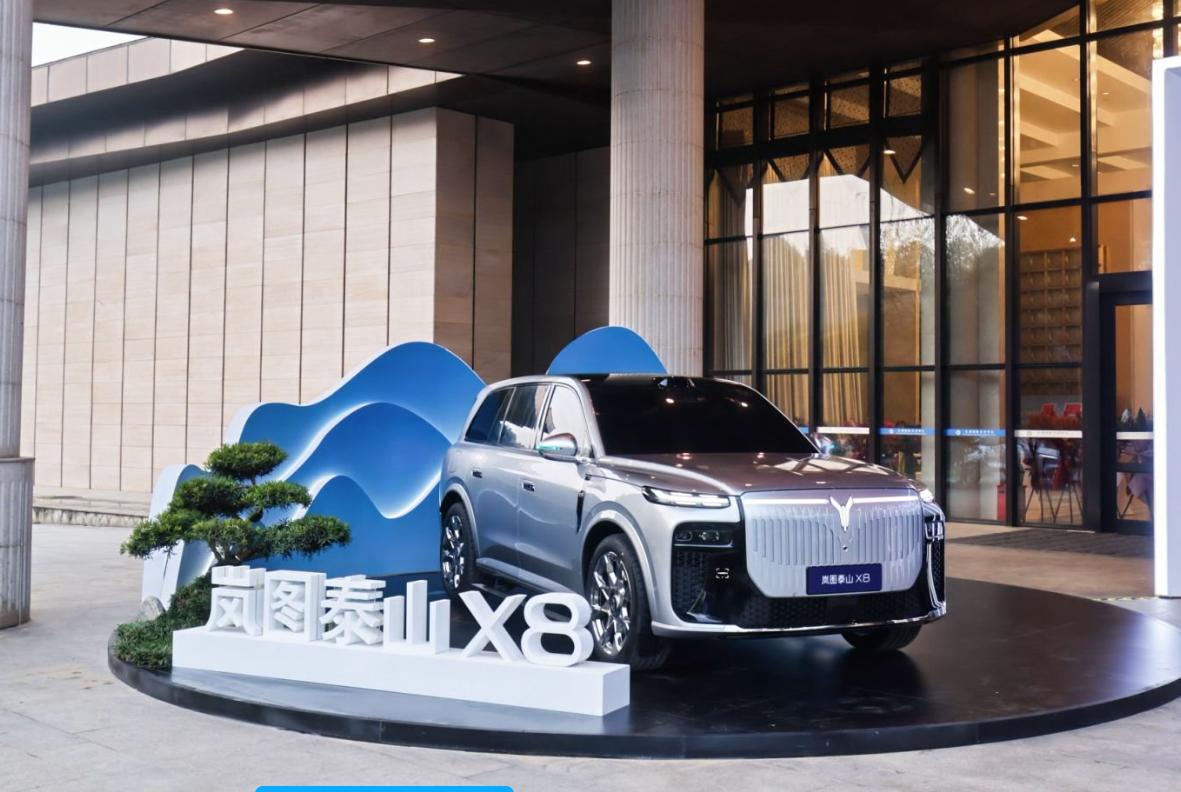
Image source: VOYAH Automobile
A review of VOYAH's trajectory reveals a clear evolutionary logic: the systematic construction of a technology base supports the rapid deployment of a full product matrix; the market validation of that product matrix, in turn, provides continuous data feedback for technological iteration. When this combined capability of "technology plus product" enters a virtuous cycle, the capital market naturally assigns a price to it.
The Hong Kong listing serves as phased confirmation of this logic. Investors are betting not just on VOYAH's past performance, but on a technological system that is difficult to replicate. In this sense, VOYAH's debut is more than a capital maneuver; it is a landmark moment where the technological value of China's high-end new energy vehicles gains recognition from international capital markets. It proves that in the second half of the EV race, the true moat is not traffic or marketing, but solid technological accumulation and the capacity for systematic innovation.
Value Anchors and Future Horizons from a Global Perspective
Listing in Hong Kong is a milestone for VOYAH, but more importantly, a new starting line. From now on, VOYAH operates under the spotlight of global investors, facing the future with a transparent, standardized modern corporate governance structure.
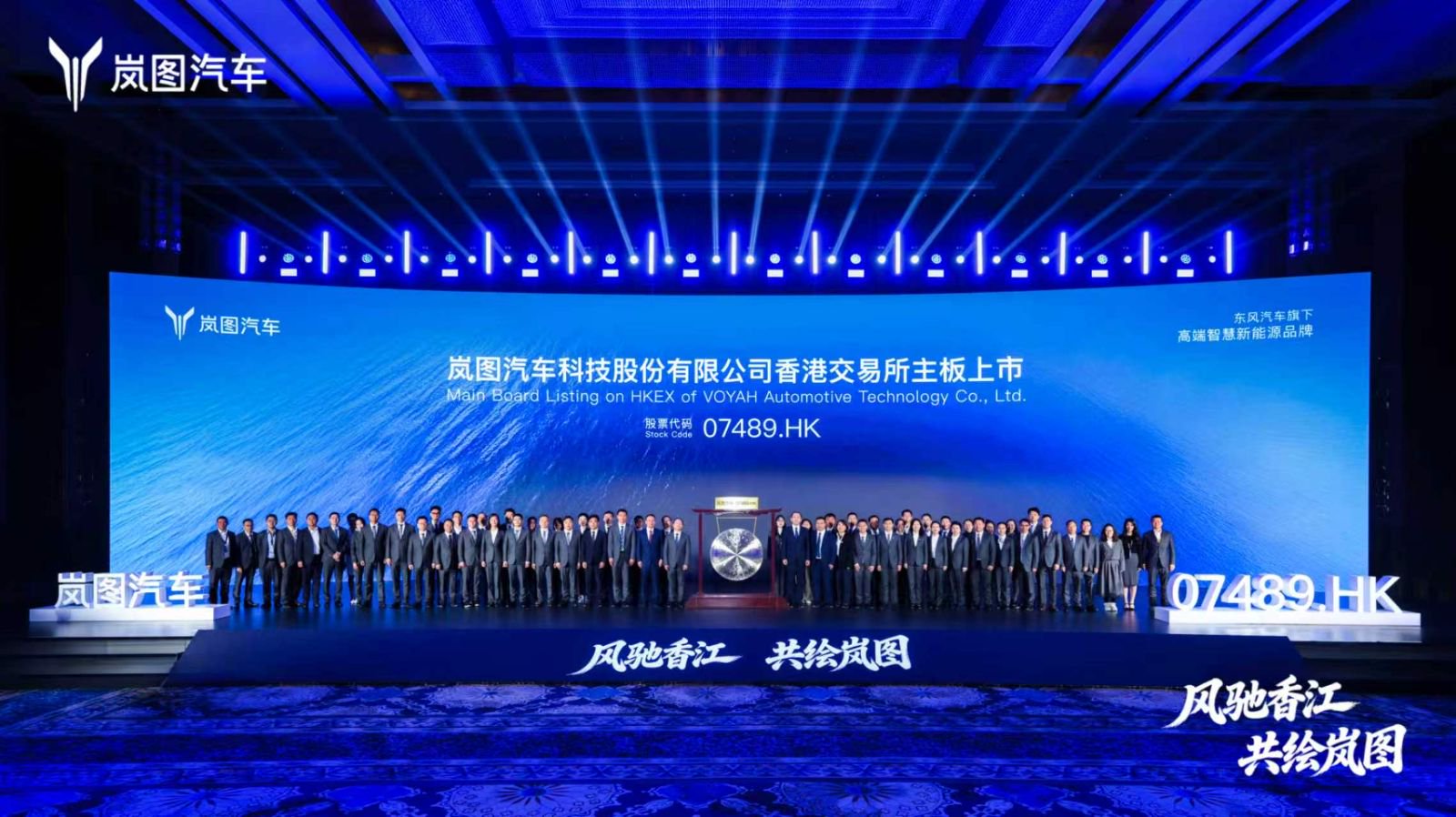
Image source: VOYAH Automobile
This elevation in governance is, in itself, an intangible brand asset.
As an international platform connecting global capital, the Hong Kong market imposes strict requirements on compliance and transparency. To list here is, in itself, a powerful endorsement of VOYAH's governance mechanisms. VOYAH is acutely aware of this: a Hong Kong listing significantly elevates its profile and credibility in the global market—particularly among overseas consumers and potential partners.
That endorsement will translate directly into votes of confidence in the global marketplace, injecting fresh momentum into VOYAH's accelerating globalization strategy.
Public records show VOYAH announced its push into Europe as early as 2022. Today, it operates in over 40 countries and regions, including Norway, Denmark, the Netherlands, the UAE, and Qatar. Going forward, leveraging the brand visibility and capital channels gained from the listing, VOYAH is poised to accelerate channel construction and localized operations in more key global markets—truly making the leap from "VOYAH of China" to "VOYAH of the World."
VOYAH's listing also offers a prime case study for observing the reform and transformation of state-owned enterprises. It proves that in the heat of market competition, a "national team" with deep foundations can do more than survive; through institutional innovation and technological drive, it can carve out a path of high-quality, sustainable development.
As a company headquartered in Wuhan, VOYAH's rise is reshaping the landscape of Hubei's automotive industry. The region was once dominated by commercial vehicles and joint ventures—supply chains that were long but offered limited added value. Today, local high-end new energy brands like VOYAH are driving a comprehensive upgrade of the industrial chain. Over 1,200 auto parts companies now cluster around the Wuhan Economic Development Zone, covering the full spectrum from chip R&D and battery systems to smart cockpits and assisted driving.
VOYAH's technological achievements are also spilling over to its suppliers. With a supply chain localization rate of 41%, the company is progressively transforming its supply chain into a chain of mutual success.
Combining the resource endowment of a central enterprise with the vitality of market-oriented innovation, VOYAH is establishing a unique value anchor distinct from other new energy brands. Amid intensifying macro volatility, its dual attributes of "certainty and growth" are setting it apart.
Summary:
Looking ahead, the challenge for VOYAH is clear: how to further expand sales volume while maintaining premium pricing, and how to convert the market momentum of the "Three Kings and One Bomb" into sustained growth.
Through its Hong Kong listing, VOYAH has clearly articulated its approach: remain user-centric and build a solid foundation with a robust product matrix; adhere to technological long-termism, using in-house capabilities to support generational product leadership; and maintain an open posture, leveraging the Hong Kong hub to embrace global capital and markets.
The road ahead will not be smooth. But by entering the international capital market, VOYAH has secured its "ticket" for the next leg of the journey. It is no longer a "new force" in need of protection, but an independent player that has proven itself on the global stage. That, perhaps, is the core value lying behind the label of "the first high-end new energy vehicle stock from a central state-owned enterprise."


