



Gasgoo Munich-As "cost cutting" and "headcount optimization" dominate industry chatter, BYD is bucking the trend. The automaker has launched a massive recruitment drive, defying the sector's downward cycle and grabbing the spotlight.
On March 12, BYD kicked off a major spring hiring spree across its E'bu and Xiaomo parks in the Shenshan Special Cooperation Zone, targeting more than 2,200 industrial workers. Almost simultaneously, its Xi'an plant announced plans to recruit 1,800. Meanwhile, frontline recruitment is also underway at production bases in Zhengzhou, Hefei, and Fuzhou.
Clearly, BYD's aggressive hiring to expand capacity isn't just patching holes—it's a systematic workforce expansion across its entire manufacturing network. While the rest of the industry frets over cutting costs, BYD is on a talent acquisition spree. What strategic calculus drives this stark contrast?
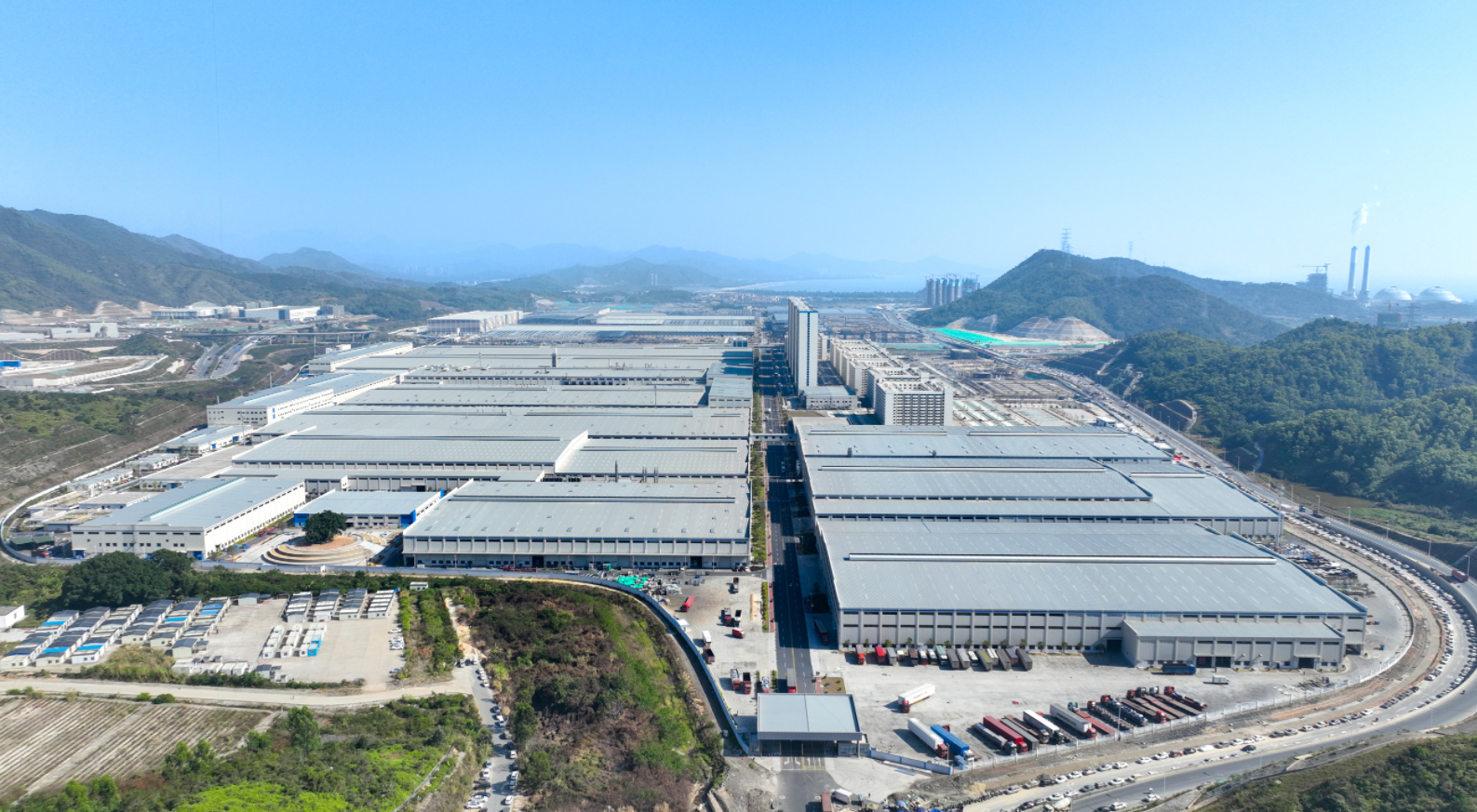
Image Source: BYD
The Market Leader's Forward-Looking Layout
To grasp the deeper logic behind this recruitment wave, one must first understand the strategic rhythm of BYD's capacity expansion.
As a critical production hub for BYD in South China, the E'bu and Xiaomo parks in the Shenshan Special Cooperation Zone play pivotal roles. Public data shows the Shenshan BYD Automotive Industrial Park encompasses four phases. At full capacity, its annual output value exceeds 220 billion yuan, covering a complete industrial chain—from core components like batteries, motors, and electronic controls to vehicle assembly and exports.
Such a massive industrial footprint dictates that continuous investment in human resources is essential for growth.
Take power batteries, the core of new energy vehicles, as an example. The production ramp-up cycle typically requires more than six months of running-in. Recruiting and training staff in advance ensures new production lines hit capacity targets immediately upon launch. Launching this massive hiring drive now is precisely about stockpiling manpower for capacity release in the second half of this year and into next year—demonstrating the company's precise command of production timing.
Notably, the structure of these new roles highlights industrial upgrading. Of the 4,000 new hires, more than 2,000 are technical workers—including electricians, welders, fitters, CNC operators, and forklift drivers. While the overall monthly salary for these technical roles generally exceeds 5,000 yuan, some specific technical positions offer a top monthly pay of 10,000 yuan.
This compensation level is highly competitive within the manufacturing sector, reflecting BYD's emphasis on skilled talent. Unlike simply expanding general labor, high-paying recruitment for technical workers points to quality improvements in production. The Shenshan base handles core components like batteries, motors, and electronic controls—tasks that demand far higher technical standards from workers than traditional vehicle assembly.
Naturally, this aligns BYD's capacity layout with the broader trend of high-quality development in Chinese manufacturing. Data from the Ministry of Industry and Information Technology indicates a talent gap of 1.03 million in China's new energy vehicle industry by 2025, spanning high-end roles in R&D and management as well as frontline technical workers. Through this systematic recruitment, BYD is not only meeting its own growth needs but also contributing actively to the industry's talent pool. With a total workforce exceeding 900,000—making it the largest employer on A-share markets—the company's social responsibility extends far beyond its own walls, becoming a vital force for stabilizing employment and driving development.
The development trajectory of the Shenshan base serves as a vivid case study. Designated as Shenzhen's "10+1" district, the Shenshan Special Cooperation Zone has rapidly built a new automotive industrial cluster following the entry of BYD and other leading enterprises. In 2025, vehicle output at the Shenshan BYD base reached nearly 290,000 units, a 16% year-on-year increase, directly creating thousands of jobs. With the ongoing advancement of Phase III and Phase IV projects—especially the 15GWh Tianxinghu super battery factory—demand for labor at the Shenshan base has surged significantly. When industrial workers earn between 5,000 and 10,000 yuan a month, their purchasing power is enough to transform a family's economic situation and ripple into the local consumer market. This positive loop of employment, income, and consumption is a microcosmic demonstration of the goal to synchronize resident income growth with economic expansion.
More importantly, BYD's capacity expansion is not a simple replication of scale; it is accompanied by a continuous elevation of technical content. Every new position sits at the core of the industrial chain, where workers' labor is tightly integrated with the core technologies of new energy vehicles. From this perspective, the 4,000 new hires are not merely a quantitative supplement but a qualitative enrichment and elevation of the industrial technical workforce.
Overseas Breakthroughs and Tech Leadership: The Dual Engines Driving Labor Demand
If capacity reserves are the foundational logic for this recruitment round, then explosive growth in overseas markets and continuous breakthroughs in technological innovation are the deeper power sources.
Data shows that in 2025, BYD's annual overseas sales surpassed the 1 million mark for the first time, reaching 1.0496 million units, with products now available in 119 countries and regions. The significance of this market trend lies not just in expanded sales volume, but in the fact that Chinese automotive brands have truly stepped onto the world stage. Behind BYD's rising overseas sales is a high degree of recognition from international markets regarding the technical prowess of Chinese new energy vehicles.
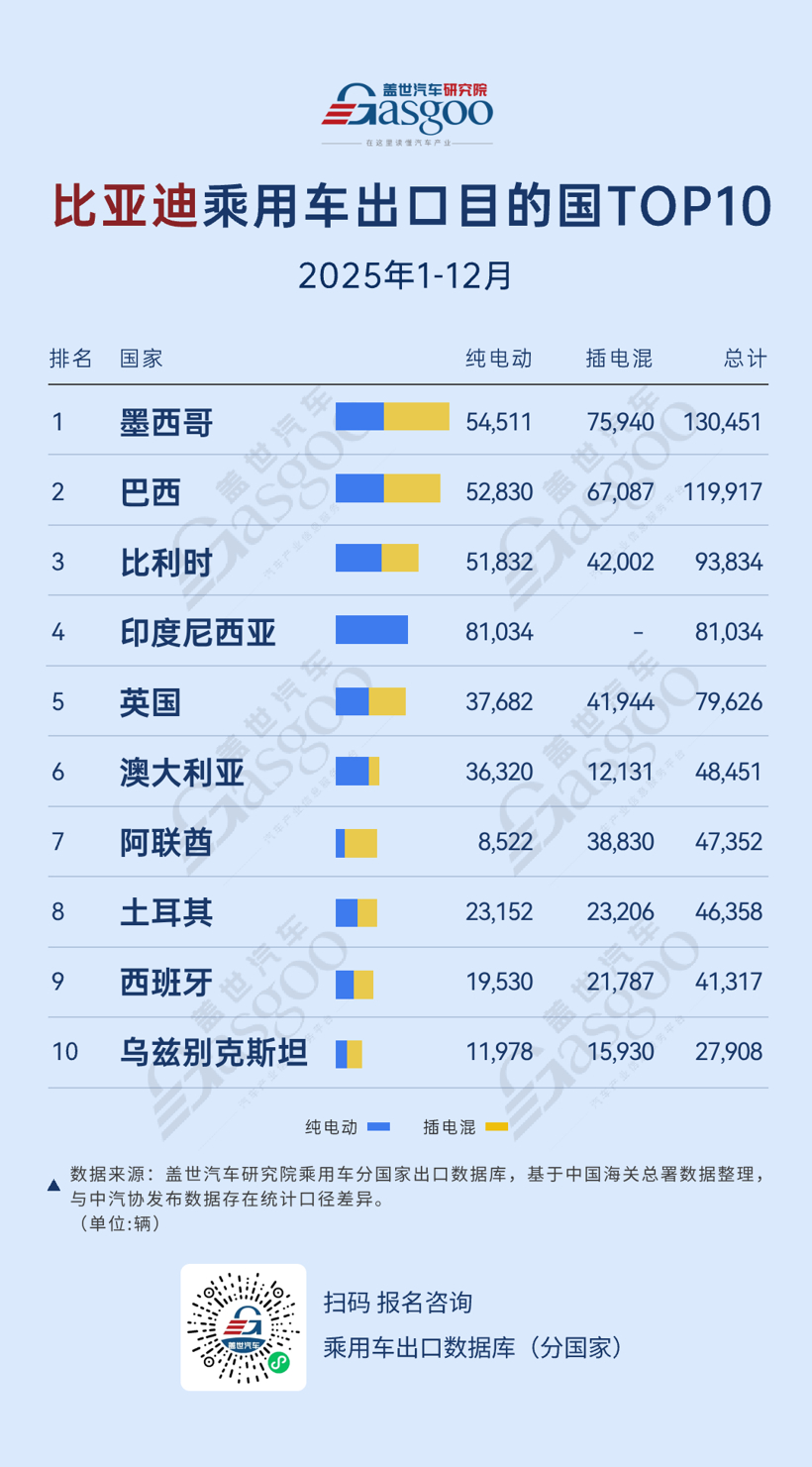
The continuous influx of overseas orders places new demands on the production end. Unlike the standardized product supply for the domestic market, overseas markets involve diverse certification standards, charging protocols, and usage habits across different countries and regions. This necessitates greater customized adaptation during the production process.
As a vital pivot for BYD's export strategy, the Shenshan base handles the production of a large volume of export models. As the proportion of overseas sales continues to rise, production bases must maintain stronger capacity elasticity to meet the diverse demands of the global market. This is precisely the backdrop for BYD's continuous expansion—to provide high-quality Chinese new energy vehicles to global consumers.
Running in parallel with overseas expansion is the accelerated breakthrough in technological innovation.
On March 5, BYD hosted a launch event for its second-generation Blade Battery and flash charging technology. The company unveiled the Gen 2 Blade Battery, which boasts approximately 5% higher energy density and a range exceeding 1,000 kilometers, alongside flash charging technology with a single-gun power output of 1,500 kW.
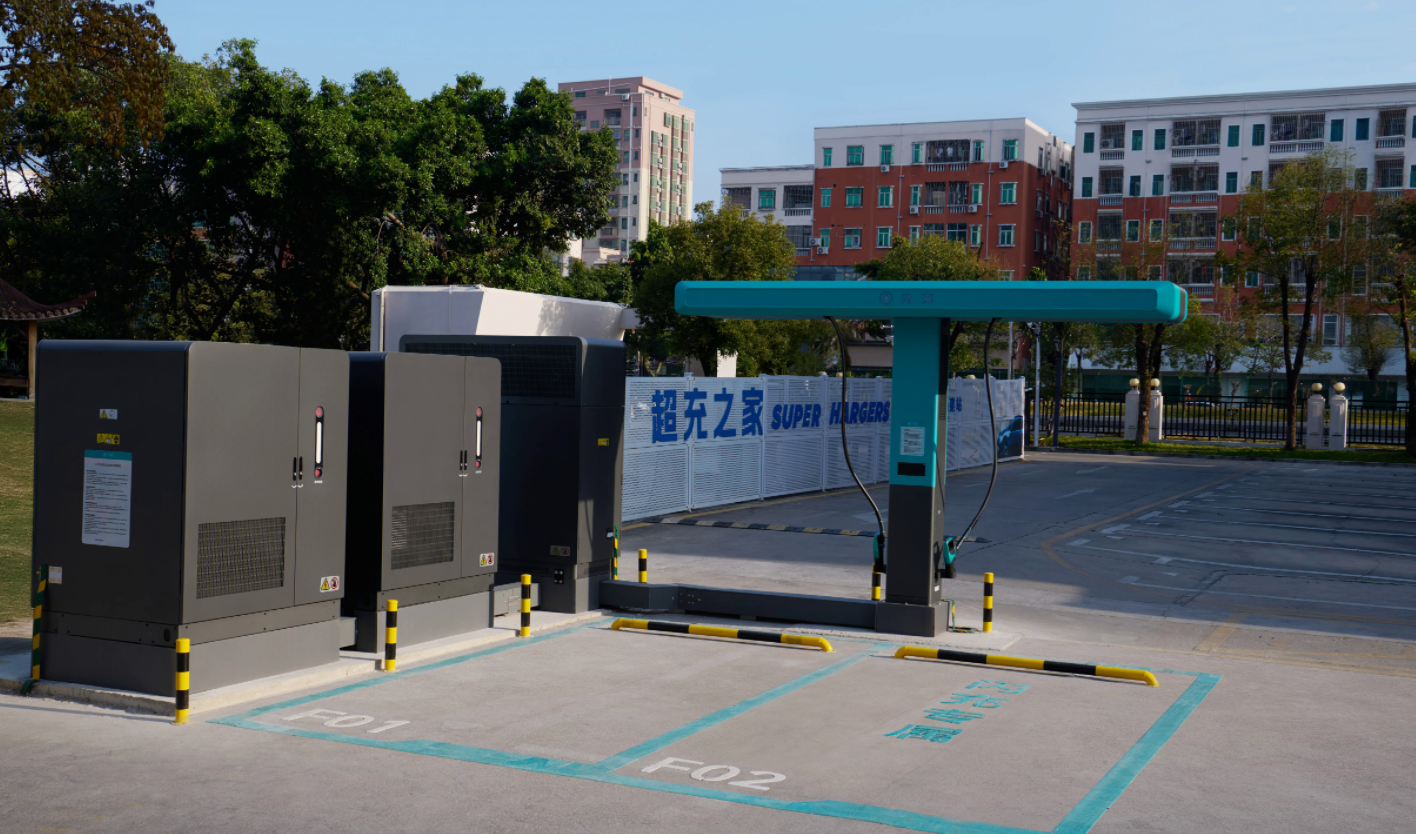
Image Source: BYD
According to the plan, models equipped with these new technologies will be rolled out intensively after March. The mass production implementation of these core technologies relies heavily on the skill support of frontline workers. Take the second-generation Blade Battery: as energy density increases, so do the precision requirements for the production process. In multiple stages such as coating, winding, and electrolyte filling, the operational proficiency of technical workers directly impacts product quality.
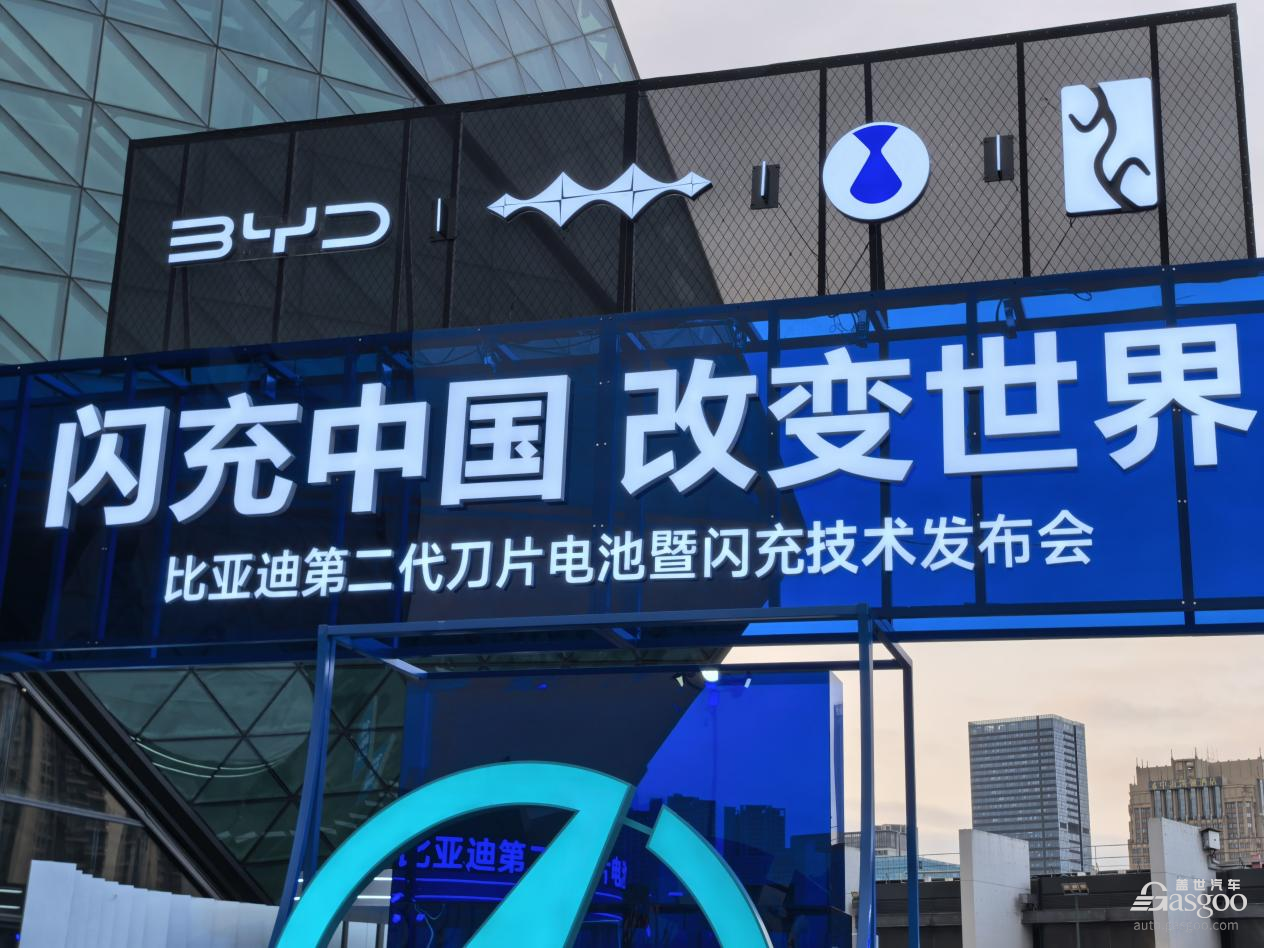
Image Source: Gasgoo
This explains the structural characteristic of technical workers accounting for more than half of this recruitment drive.
As new energy vehicles evolve from the integration of battery, motor, and control systems to their deep fusion, the role of frontline workers is undergoing a profound change. They are no longer passive "cogs" executing operational instructions, but technical craftsmen who must understand process logic and guarantee product quality. BYD raising the monthly salary for certain technical positions to 10,000 yuan is, in essence, a market-based confirmation of this value creation.
Building a Talent Foundation: A Positive Loop from Corporate Hiring to Industrial Ecosystem
The impact of BYD's current recruitment extends far beyond meeting its own capacity needs. Through this 4,000-person hiring plan, we can clearly see the deep transformation occurring in China's new energy vehicle industry: the optimization of talent structure is becoming a foundational support for industrial upgrading, and the employment strategies of leading enterprises are reshaping the talent ecosystem of the entire industry.
First, attention must be paid to the employment driving effect. BYD's recruitment covers multiple production bases including Shenshan, Xi'an, Zhengzhou, Hefei, and Fuzhou. Most of these bases are located in regional central cities or new industrial zones, significantly boosting local employment. Take the Shenshan Special Cooperation Zone: with the entry of BYD and other companies, it is rapidly emerging as a new energy vehicle industrial cluster. The increase in direct jobs has driven the development of local supporting industries and services, forming a virtuous pattern of industry-city integration. This development model of "revitalizing the city through industry and promoting industry through the city" has injected strong momentum into high-quality regional economic growth.
A deeper impact lies in the optimization and upgrading of the skill structure. The fact that technical workers account for more than half of this recruitment reflects the continuously rising skill requirements in new energy vehicle manufacturing. Traditional auto manufacturing focuses on physical labor, but as the core competitiveness of NEVs shifts to batteries, motors, and electronic controls, the production chain requires more technical workers skilled in electrics, precision machining, and equipment debugging. The high monthly salaries BYD offers technical workers will objectively raise the salary benchmark for the entire industry, attracting more young people to technical positions in manufacturing.
It is also worth mentioning that BYD's hiring behavior actively resonates with the construction of a modern industrial system during the "15th Five-Year Plan" period. One of the core characteristics of a modern industrial system is a more solid foundation in the real economy; the foundation of the real economy lies in manufacturing; and the foundation of manufacturing lies in high-quality industrial workers.
The high-paying recruitment in the new energy vehicle sector is changing the old perception of "difficulty in hiring" for manufacturing. When "working in a factory" implies stable income, skill accumulation, and career prospects, the attractiveness of manufacturing will rebound quickly. BYD's total workforce has exceeded 900,000, making it the automotive enterprise with the most R&D personnel globally. This fact itself sends a clear signal to society: manufacturing holds great promise, and skilled talent has a broad future.
Image Source: BYD
Summary:
BYD's current recruitment reveals an exciting new trend: as new technologies move to mass production and overseas markets expand, the corporate perception of the value of frontline workers is undergoing a positive shift. The salary ceiling for technical workers is being constantly broken through, career development paths are becoming clearer, and skills have become the key factor determining income levels.
This change conveys a positive signal: in the new stage of high-quality development, ordinary workers can also share the dividends of industrial upgrading and realize their life value through skill enhancement.
China's new energy vehicle industry in 2026 stands at a new historical starting point. BYD's choice to recruit on a large scale at the beginning of the year demonstrates its confidence in its own technical strength and development prospects, as well as a positive judgment on the industry's long-term upward trend. The 4,000 new workers will become the makers of new energy vehicles at BYD's Shenshan and Xi'an production bases. The welding guns, pliers, and multimeters in their hands connect the present and future of China's new energy vehicle industry.
At a critical stage where the industry is moving towards high-quality development, true leading enterprises always adhere to long-termism, continuously investing in talent reserves and exerting force in skill enhancement. Strategic moves such as capacity expansion, technological breakthroughs, and overseas expansion ultimately need to be translated into reality through the hands of industrial workers.
When a talent gap of millions contrasts with a workforce of 900,000, we see the vigorous vitality of an industry in transformation and upgrading. BYD's new round of recruitment is both an active grasp of this historical opportunity and a firm investment in the future of Chinese manufacturing.


