



Gasgoo Munich- On March 2, Pony.ai said its Gen-7 Robotaxi achieved positive monthly operating profit per vehicle in Shenzhen in February 2026. The milestone follows a similar breakthrough in Guangzhou last November, meaning the company has now reached per-unit profitability in two major Chinese cities. The development signals tangible progress toward sustainable, large-scale commercial deployment of autonomous ride-hailing services.
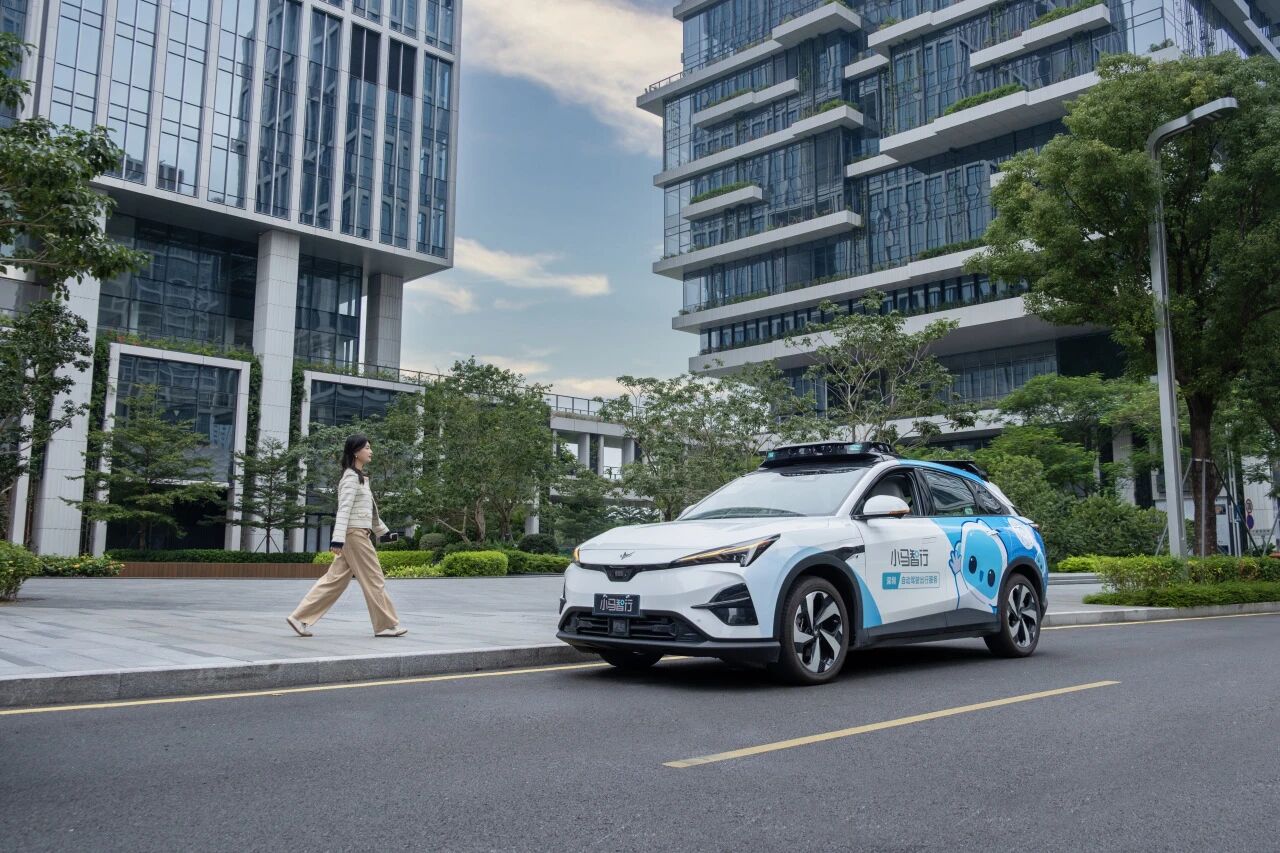
Image source: Pony.ai
Driven by rising user demand and ongoing operational optimization, Pony.ai reported solid performance in Shenzhen's commercial operations. As of February 28, each Gen-7 Robotaxi generated an average daily net revenue of 338 yuan during the month, with vehicles handling about 23 orders per day on average.
Pony.ai's operating footprint in Shenzhen has expanded rapidly. From an initial service area of just 21.7 square kilometers, coverage had grown to 167.4 square kilometers by December 2025. In March 2025, the company officially launched fully commercial Robotaxi services in the city, becoming the first operator to secure a permit for fully driverless commercial operations in Nanshan District. Services have since extended to core areas of Nanshan and Bao'an.
As the Gen-7 fleet scales up, Pony.ai has also enhanced the user experience. Features such as Bluetooth-based automatic unlocking, in-car voice interaction, integrated music streaming and pre-trip climate control aim to improve ride comfort. The company has also refined acceleration and braking calibration to reduce jolts and minimize motion discomfort, a key factor in broader consumer acceptance of autonomous mobility.
Improved product capabilities and wider geographic coverage have translated into rapid user growth. By February 16, 2026, paid Robotaxi orders in Shenzhen had already exceeded the total recorded for the entire year of 2025. During the recent Spring Festival holiday, each vehicle averaged 26 paid rides per day, well above the nationwide 2025 average of around 15 daily orders per Robotaxi reported earlier by the company.
Per-vehicle operating costs include depreciation of the vehicle and autonomous driving hardware, charging expenses, routine maintenance, remote assistance support, insurance, ground staff labor, as well as parking and network infrastructure. The company attributed its improved unit economics to a combination of stronger demand, higher fleet utilization and structural cost reductions.


