



China's automotive industry is undergoing a profound and complex structural transformation. Electrification has shifted from policy-driven to market-led, while the battleground has expanded beyond basics like range and charging to encompass a systemic competition: intelligent features, cost control, global expansion, and the reshaping of brand value.
In this context, the transformation of traditional automakers, which focus on high production volumes, merits close attention. These giants must not only withstand the rapid innovation of new entrants but also reinvent their operational model and elevate their value—all while managing their massive scale.
SAIC-GM-Wuling (SGMW) presents a relatively successful case. From the market success of the Hongguang MINIEV to the Starlight series' rapid expansion in the mainstream market, and now the upcoming high-end flagship Huajing S developed in deep collaboration with Huawei—every step SGMW takes reflects its strategic trade-offs and systemic evolution between fortifying its foundation and breaking through its value ceiling.
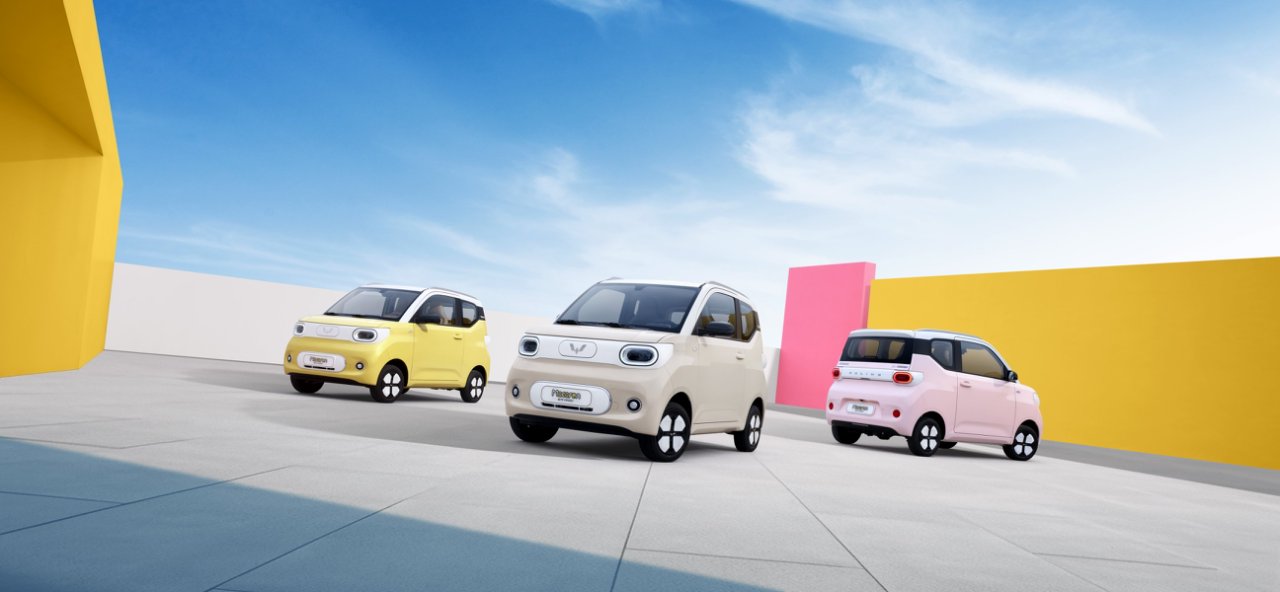
Image Source: Wuling Motors
Scale Base and Transformation Momentum
SGMW's core operating data for 2025 indicates a stable volume, an optimized structure, and a shift in growth drivers.
Sales reached 1.635 million units in 2025, a 6.2% annual increase. This is a significant achievement given China's saturated market and frequent price competition. It confirms the resilience and strong user base of a product matrix spanning everything from basic commuting to mainstream family vehicles.
According to SGMW's 2025 figures, annual output value exceeded 100.02 billion yuan, surging 24% year-on-year and outpacing sales growth.
To date, cumulative production and sales have exceeded 31 million units. This milestone not only cements SGMW's legacy as a maker of "people's cars" but also provides irreplaceable assets for its transition: a vast pool of user data, a deep distribution network reaching into counties and townships, and robust supply chain cost controls.
Underpinning this reality is SGMW's continuously strengthening NEV ecosystem.
Official data reveals SGMW has built a highly efficient, self-controlled, and localized supply chain spanning core components to smart manufacturing. It has achieved 100% localization in the "Three Electrics" (battery, motor, control) and invested billions in energy systems, electronic controls, and smart drivetrains. This ensures supply chain stability and cost advantages, serving as the key foundation that allows SGMW to deliver competitive NEVs at mainstream price points.
Meanwhile, SGMW's "Smart Island" manufacturing system—selected for the national smart factory incubation list—demonstrates that the company is at the forefront of smart manufacturing, fully prepared to produce higher-complexity, higher-quality models like the Huajing S.
If vertical integration represents taking root internally, then an open innovation system that absorbs external expertise represents SGMW's technical vitality for the future.
By establishing "talent enclaves" in innovation hubs like Wuhan, Shanghai, Shenzhen, and Changsha, Wuling has overcome geographical barriers to directly tap into AI, intelligent design, and smart mobility talent. This model aims to fuse the industrial, innovation, talent, and education chains—essentially extending the company's R&D boundaries outward to create a mechanism that dynamically absorbs external innovation and meets the challenge of rapid technological iteration.
This dual-drive strategy—deep industrial cultivation paired with open innovation—is the core engine keeping SGMW ahead in the second half of the electrification and intelligence race.
Breakthroughs in overseas markets are another extension of this transformation momentum.
In 2025, SGMW exported 267,000 units, an 18.6% increase, with NEV exports reaching 95,000 units—a 128.6% surge. Clearly, SGMW's NEV products are gaining substantive recognition internationally, proving its transformation has global appeal. This is more than a simple addition to sales volume; it marks a critical step in the brand's evolution from a Chinese low-cost manufacturer to a global promoter of new energy vehicles.
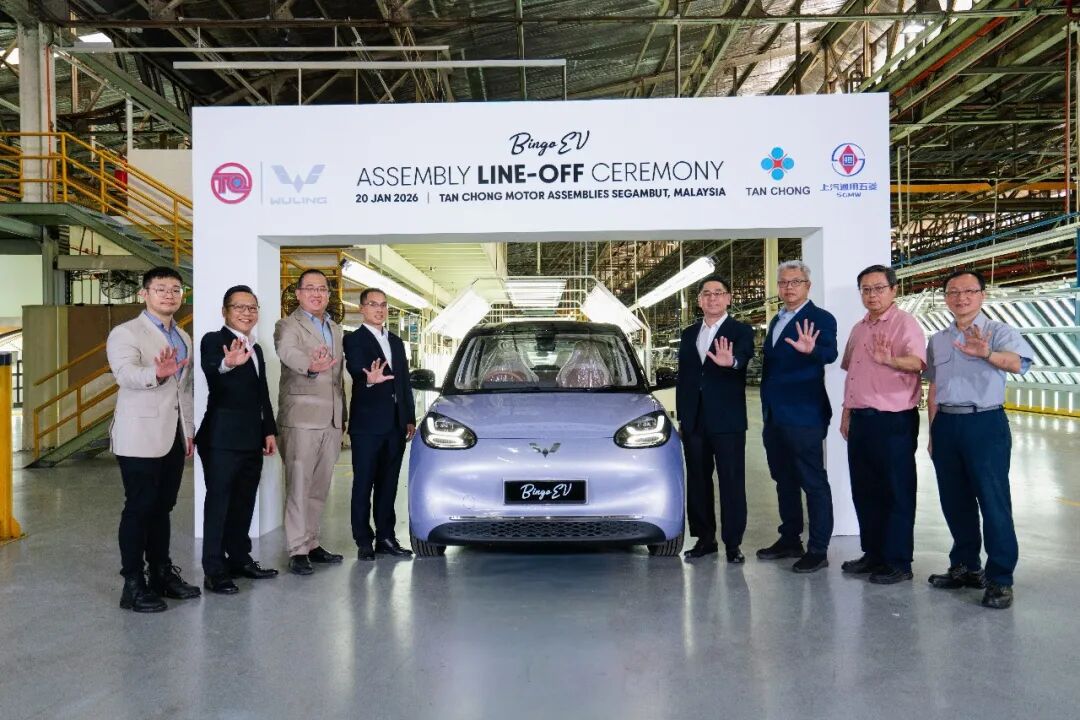
First Wuling Bingo rolls off production line in Malaysia, Image Source: SAIC-GM-Wuling
Product Matrix Strategy
Corporate strategy is ultimately expressed through products and the market.
An analysis of SGMW's future product layout reveals three parallel tracks. First, the Wuling Red Label will drive the NEV transition for commercial vehicles. In 2026, the Red Label is set to launch new models like the Rongguang L and Yangguang Pro to consolidate Wuling's position in the light commercial vehicle sector.
The Wuling Silver Label will continue to expand in the mass market, balancing "commuter" and "mainstream" needs. The Hongguang MINIEV family, Bingo family, and Starlight family will all see significant updates in 2026. Notable highlights include the fifth-generation Hongguang MINIEV and new Starlight series additions: the Starlight 730, Starlight 560, and Starlight L.
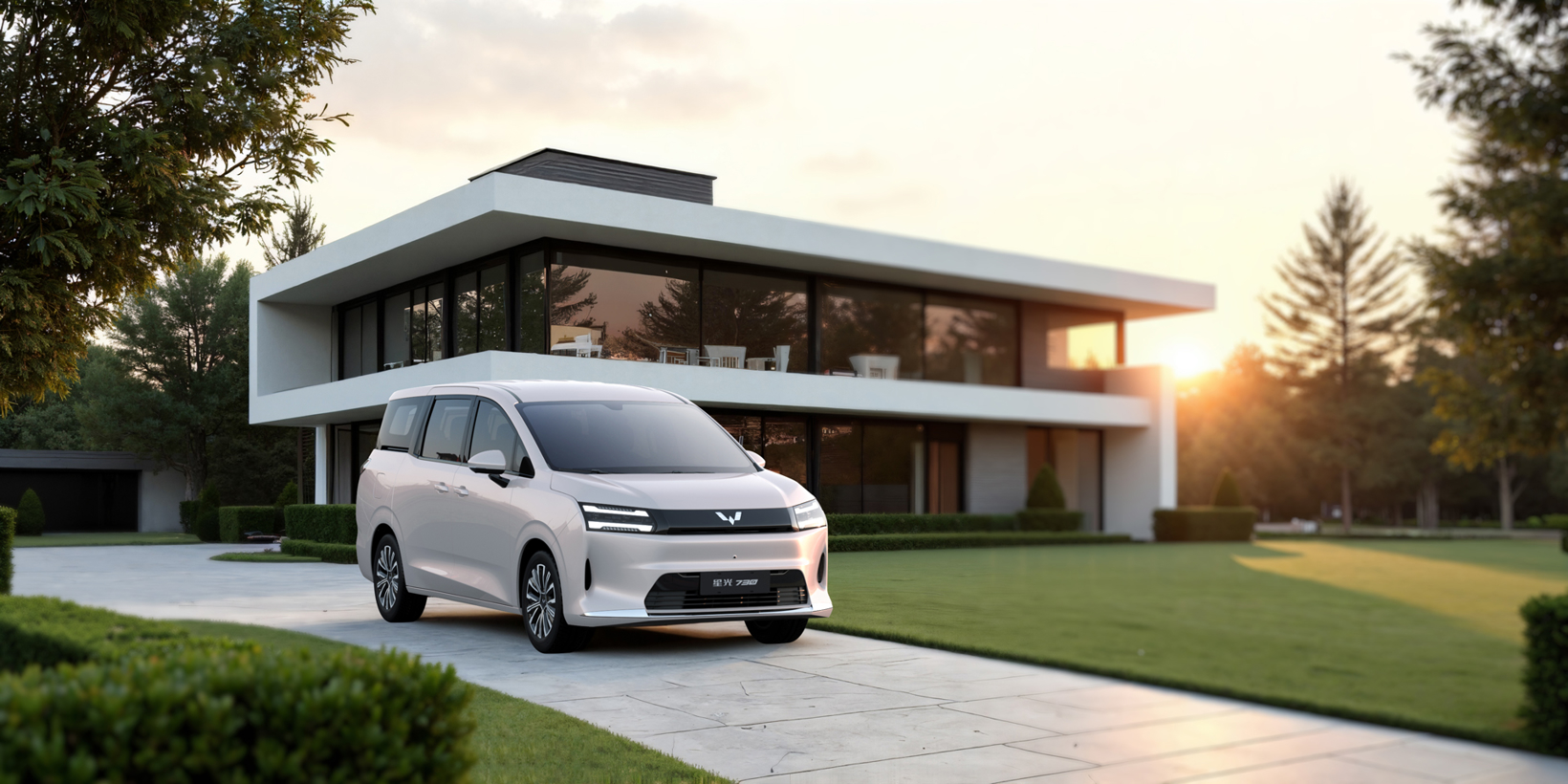
Image Source: Wuling Motors
The previously quiet Baojun brand is also set for a revival in 2026—this time, powered by Huawei. The Huajing S, born from deep collaboration between SGMW and Huawei, is poised for launch. This model is expected to serve as the core product for SGMW's strategic incursion into the high-value market, aiming to break the brand's value ceiling. In essence, a completely new market strategy is slowly unfolding for SGMW.
Pragmatic Evolution in the Mass Market
The Starlight series gained the trust of over 60,000 users in 2025, signaling that SGMW has once again found its footing in the highly competitive mainstream family car market. Behind this success lies a pragmatic product strategy rooted in historical legacy and keen user insight.
First, the naming and positioning of the Starlight series demonstrate a clever leveraging of brand heritage. Si Xing, SGMW's Brand and Marketing Director, told Gasgoo in an interview: "The product names Starlight 560 and Starlight 730 are designed to inherit the positioning of existing users' upgrade needs in the new energy era."
The Baojun 560 and 730 were once best-sellers in their respective segments, boasting millions of users and a reputation for practicality, space, and value. Amid the current NEV transition, a vast number of these users have clear needs for trade-ins and upgrades. By directly reviving these classic model codes, the Starlight series can more quickly establish an emotional connection and bridge value perceptions, efficiently capturing the user base of existing customers upgrading their rides.
Converting historical success into a positioning in the new era is, undeniably, a lower-cost and more efficient strategy for user communication and conversion.
Regarding product definition and value delivery, the Starlight series also reflects SGMW's interpretation of "technology democratization." Si Xing elaborated: "The Starlight series adopts a 'one car, three powertrains' approach, returning the choice of powertrain to the user. At the same time, through better chassis, ride quality, and comfortable seats, we are bringing technological advancements down to more accessible products."
This positioning encompasses two key principles. First, offering diverse powertrain options (such as pure electric and plug-in hybrid) covers different usage scenarios—daily commuting versus long-distance travel—and varying regional policy environments, thereby maximizing satisfaction for mainstream families. Second, focusing improvements on dimensions users feel most acutely, like ride quality and comfort, delivers a premium experience that further underscores SGMW's high-value proposition.
Market feedback has been positive. The Starlight 730 MPV, launched last year, surpassed 20,000 sales in just 49 days. The recently launched Starlight 560 SUV, positioned as a mid-size SUV for under 60,000 yuan, immediately resonated with families in tier-3, tier-4, and township markets—precisely hitting their desire for an upgrade in space, versatility, and ride comfort.
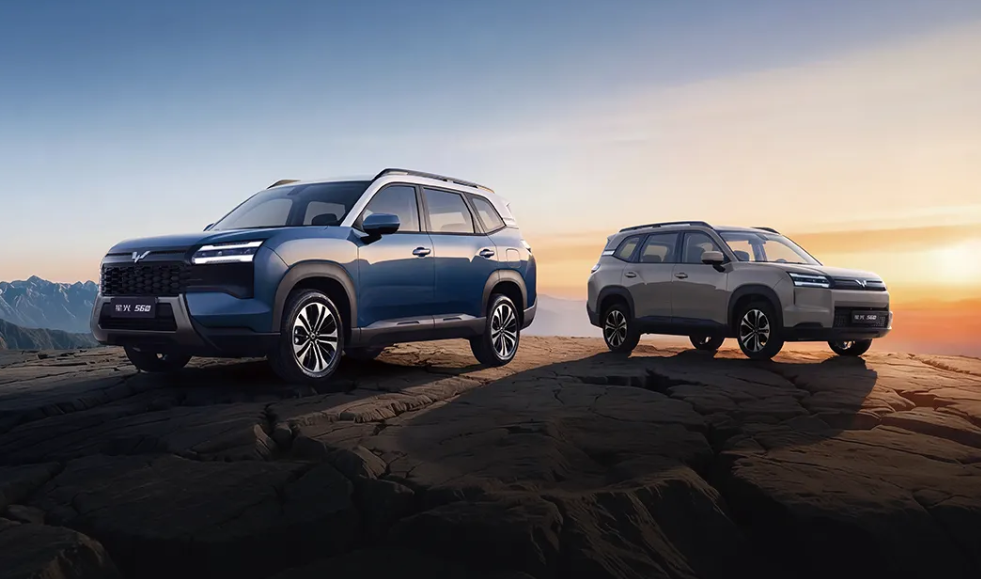
Image Source: Wuling Motors
The strategic role of the Starlight series is distinct: it acts as the core vehicle for transferring the momentum from the Hongguang MINIEV family's dominant position in the mini EV market (cumulative sales exceeding 1.85 million) and the Bingo family's lead in the A0 segment (over 600,000 sales) toward the higher-value, larger-volume mainstream family car market. The series' current performance suggests Wuling has successfully shed its reliance on a single successful model, establishing a cohesive and competitive product ladder from basic commuting to mainstream family use.
Huajing S's Mission to Break the Deadlock
While the Starlight series serves to bridge the past and future, the Huajing S—born from the partnership with Huawei—carries a far more challenging mission: truly breaking the brand's value ceiling.
Si Xing positioned the Huajing S as a "flagship model of comprehensive strategic cooperation with Huawei's 'Three Smarts' leadership—smart manufacturing, smart cockpit, and smart driving." It is also, he noted, "a product transformed across the supply chain, technology, quality, and channel systems according to Huawei's standards."
This positioning alone reveals that the Huajing S carries strategic depth far beyond that of a typical new model launch.
On one hand, the car sets a benchmark for the depth and breadth of cooperation. The Huajing S is not simply using a Huawei component or the HarmonyOS cockpit; it comes standard with a full suite of Huawei technologies, including Qiankun Intelligent Driving, the HarmonyOS cockpit, and Qiankun Cloud solutions. The partnership has escalated to an integration of full-stack intelligent solutions. Through the Huajing S, SGMW aims to rapidly address its shortcomings in high-end intelligent experiences, using a "Huawei Inside" approach to quickly establish a smart-tech perception capable of rivaling top-tier new entrants and premium brands.
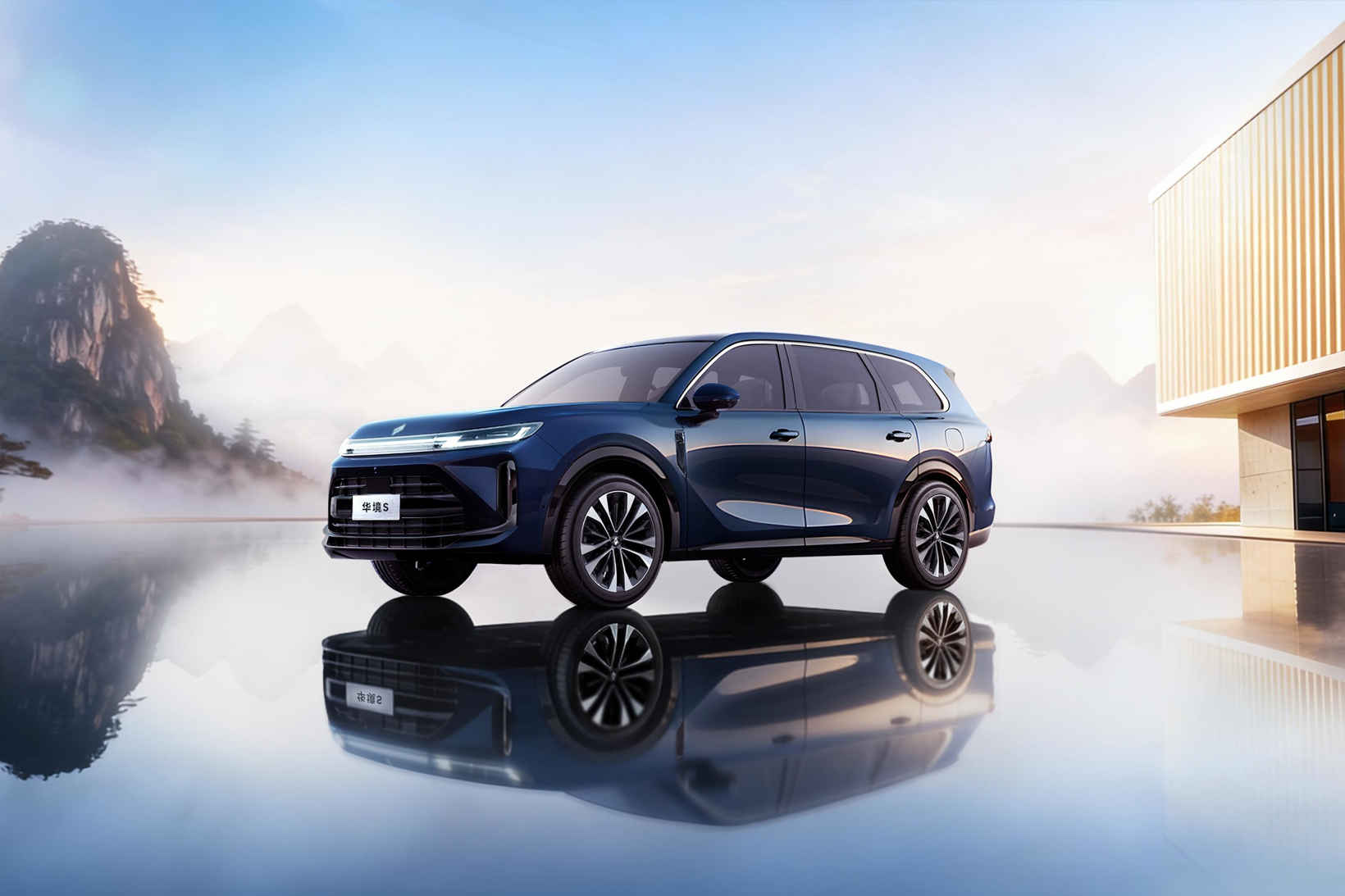
Image Source: SAIC-GM-Wuling
On the other hand, the car serves as a demonstration of SGMW's leap in manufacturing and quality. Born in the Smart Island manufacturing system, the Huajing S adheres to development standards and safety metrics that represent the industry ceiling. This high-standard, high-requirement endorsement acts as a comprehensive upgrade and public display of Wuling's traditional manufacturing system. It sends a clear signal to the market: Wuling possesses the top-tier craftsmanship, consistency, and safety reliability required to manufacture high-end intelligent EVs. If successful, future models will undoubtedly refresh SGMW's corporate image as a maker of "affordable vehicles."
Furthermore, the Huajing S project is set to become the driver of comprehensive internal reform. As Si Xing noted at the briefing, the Huajing S aims to "lead the transformation of manufacturing, R&D, and the supply chain." Launching such a premium product inevitably forces a systemic reconstruction of internal processes—from R&D workflows and supplier management to quality standards and marketing services—to adapt to the competitive rules of the high-end market.
Thus, the Huajing S is not merely a product for the market; it is a "disruptor" and a "pilot project" driving the evolution of SGMW's overall systemic capabilities to a higher level.
Of course, the challenges facing the Huajing S are no less significant than its strategic importance. Consumers in China's high-end NEV market are buying not just a product, but a brand story, emotional value, and exclusive service experiences. The entrenched public perception of Wuling and Baojun as mass-market brands is a significant gap the Huajing S must cross. Whether Huawei's technological empowerment and the upgraded manufacturing system are enough to persuade consumers to accept a high-end product from the SGMW stable remains a question for the market to answer.
In other words, the success of the Huajing S will depend not only on the product itself but on SGMW's ability to build a new brand narrative, user operations, and a premium service system around it. Ultimately, however, SGMW's deep collaboration with Huawei is a development certainly worth watching over the long term.
Outlook for SAIC-GM-Wuling
From market strategies that strengthen its foundation to flagship products that drive upward expansion, SGMW has constructed a clearly layered strategic framework. However, translating that strategy into sustainable growth requires the company to fight on multiple fronts simultaneously and manage the inherent tensions within.
SGMW's future prospects hinge on its ability to find dynamic, efficient solutions to the following critical balances.
Balancing scale advantages with brand premium.
SGMW's core strength lies in its formidable scale and cost management capabilities, which grant it dominant status in China's sub-100,000 yuan market. Yet moving the brand upward inevitably demands a degree of pricing power—an intrinsic tension with its cost-leadership DNA.
SGMW's current strategy appears to be a specific form of "segmented strategy": the Wuling brand will continue to maintain scale and value democratization, raising average selling prices via the Starlight series. The challenging task of breaking the pricing ceiling, however, falls to the Baojun brand, which will attempt to compete on a new playing field with flagship products like the Huajing S. Of course, the synergy and segmentation of this multi-brand strategy require extremely precise execution.
Then there is the balance between vertical integration and an open ecosystem.
In core hardware like the "Three Electrics," SGMW maintains deep vertical integration to ensure supply chain security and cost advantages. In software-defined areas like intelligence and connectivity, however, it chooses deep cooperation with tech giants, prioritizing openness for speed and altitude. The challenge for SGMW's strategic resolve and integration capabilities is ensuring this "hardware-soft, open-closed" model delivers competitive products quickly without forfeiting long-term technical leadership and iterative capability.
A balance must also be struck between domestic market depth and global expansion.
Domestically, SGMW must defend its mini-car base, expand its presence in the mainstream family segment, and strive for a breakthrough in the high-end market. Overseas, it needs to effectively export its successful NEV transition experience—particularly its high-value pure EV products—while gradually elevating its brand image. Both fronts require differentiated strategies regarding resource allocation, product adaptation, and brand communication.
Finally, balancing manufacturing efficiency with an innovation culture is crucial. A massive manufacturing system prioritizes process, discipline, and efficiency, whereas future-oriented innovation demands tolerance for failure, agility, and flat structures. By establishing "talent enclaves," SGMW attempts to cultivate innovation hubs outside its traditional system. The key to SGMW's future performance will be how efficiently it transfers the innovations born in these "enclaves" back into the mainstream mass manufacturing and product development systems, avoiding a disconnect between the two.
Conclusion:
SGMW's transition represents a typical path of gradual reform for a large-scale Chinese automaker. Rather than opting for a complete brand reinvention, it is anchored by its deep manufacturing roots, massive market foundation, and keen insight into user needs. Through precise iteration of its product matrix, deep strategic layout of its industrial ecosystem, and key partnerships, it is gradually widening its business boundaries and raising its value ceiling.
The Starlight series represents SGMW's appreciation and elevation of its history and user assets, while the Huajing S embodies its ambition to break through. As NEV competition evolves into a systemic and ecological battle, the systemic thinking and layout demonstrated by SGMW reveal how China's massive industry players are leveraging a pursuit of efficiency, market understanding, and open cooperation to find a new model of steady progress amidst significant industry upheaval.
This road is destined to be challenging, but the process itself will undoubtedly add an important chapter to the account of the company's transformation.


