



On Jan. 30, SiEngine and ZYT recently inked a strategic partnership agreement. The two sides will collaborate deeply on "chip computing power + intelligent driving systems" to develop high-end smart driving solutions for all scenarios, accelerating the mass adoption of intelligent features.
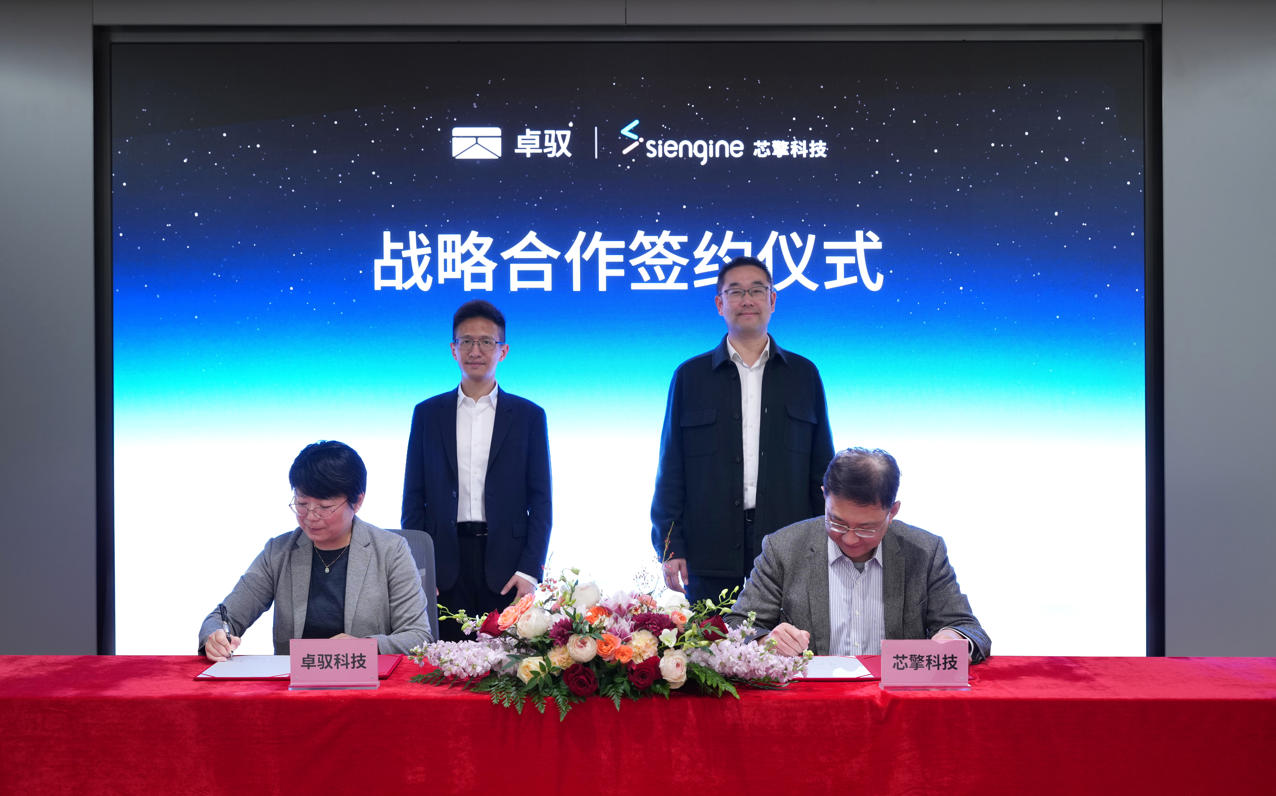
Image Source: SiEngine
At the heart of this partnership is a bid to bridge the gap from underlying chips to upper-layer algorithms. SiEngine has established a dual-track presence in automotive-grade chips, covering both smart cockpits and smart driving. Its "SE1000" cockpit chip is already widely featured in various models, while the "AD1000" chip, designed for advanced driver assistance, is slated for mass production in 2025. For its part, ZYT boasts full-stack in-house development and mass production experience with L2-to-L4 autonomous driving systems, having already secured deployments across multiple platforms at top-tier automakers.
By co-creating an integrated platform combining computing power and algorithms, the partners aim for more than just a single product collaboration; they want to build a benchmark smart driving ecosystem that is sustainable, scalable, and ready for global deployment. This implies that future models running on this platform will be better positioned to balance high computing power and safety with superior user experience and cost efficiency.
Commenting on the partnership, SiEngine founder and CEO Dr. Wang Kai described it as a "synergy and integration of domestic smart driving platforms with local high-end chips." ZYT head Shen Shaojie also emphasized that the duo aims to jointly build a "central computing" ecosystem for the global market. As the battle for intelligence enters its next phase, deep collaboration between chips and systems may well be the crucial step needed to break through on experience while keeping costs in check.
The race to mass-produce smart driving systems is no longer just about individual technologies—it's a battle of ecosystems and integration capabilities. Whether this partnership will serve as a new engine for the large-scale adoption of domestic cockpit-driving fusion solutions remains a key focus for the industry.


