Gasgoo Munich- Late 2018, Lu Fang had just joined Dongfeng. Facing skepticism from group leadership about the new energy vehicle project, he made a vow: "I am betting all my professional honor on this—it must succeed." Seven years later, in 2026, sitting in the interview room at the Intelligent Electric Vehicle Development Forum 2026, he offered a coda to that pledge. "So far, it counts as a success."
VOYAH has bridged the gap from a startup brand to a listing on the Hong Kong stock exchange, with a product lineup spanning SUVs, MPVs, and sedans. The VOYAH Dreamer even claimed the top spot in the high-end MPV segment for the first quarter. Yet Lu acknowledges that the battle is far from over.
During this roundtable, Lu addressed three pervasive challenges facing the auto industry today: how new brands from state-owned enterprises prove they have made the grade; why drivers are hesitant to use smart driving features and how automakers can break that deadlock; and whether full-stack in-house development is worth the cost as supply chain expenses climb.
Drawing the Passing Line
Lu’s definition of "phased success" goes beyond sales figures. He outlined four criteria: brand awareness, the completeness of the product matrix, the depth of the technical system, and a successful listing in the capital markets.
On the brand front, he argues that simply being recognized as a "high-end smart new energy vehicle brand" counts as a victory in this phase. Regarding products, VOYAH has established a presence across SUVs, MPVs, and sedans—with the Dreamer leading the high-end MPV segment in the first quarter.
Technologically, he stresses "full-stack in-house development"—covering not just intelligent software but also underlying systems like powertrains, chassis, and body structures. This is a level of depth far removed from the internal combustion engine era.
On the capital front, VOYAH listed on the Hong Kong stock exchange on March 19, 2026, completing its market-oriented reform. By early April, its share price had surged nearly 20%.
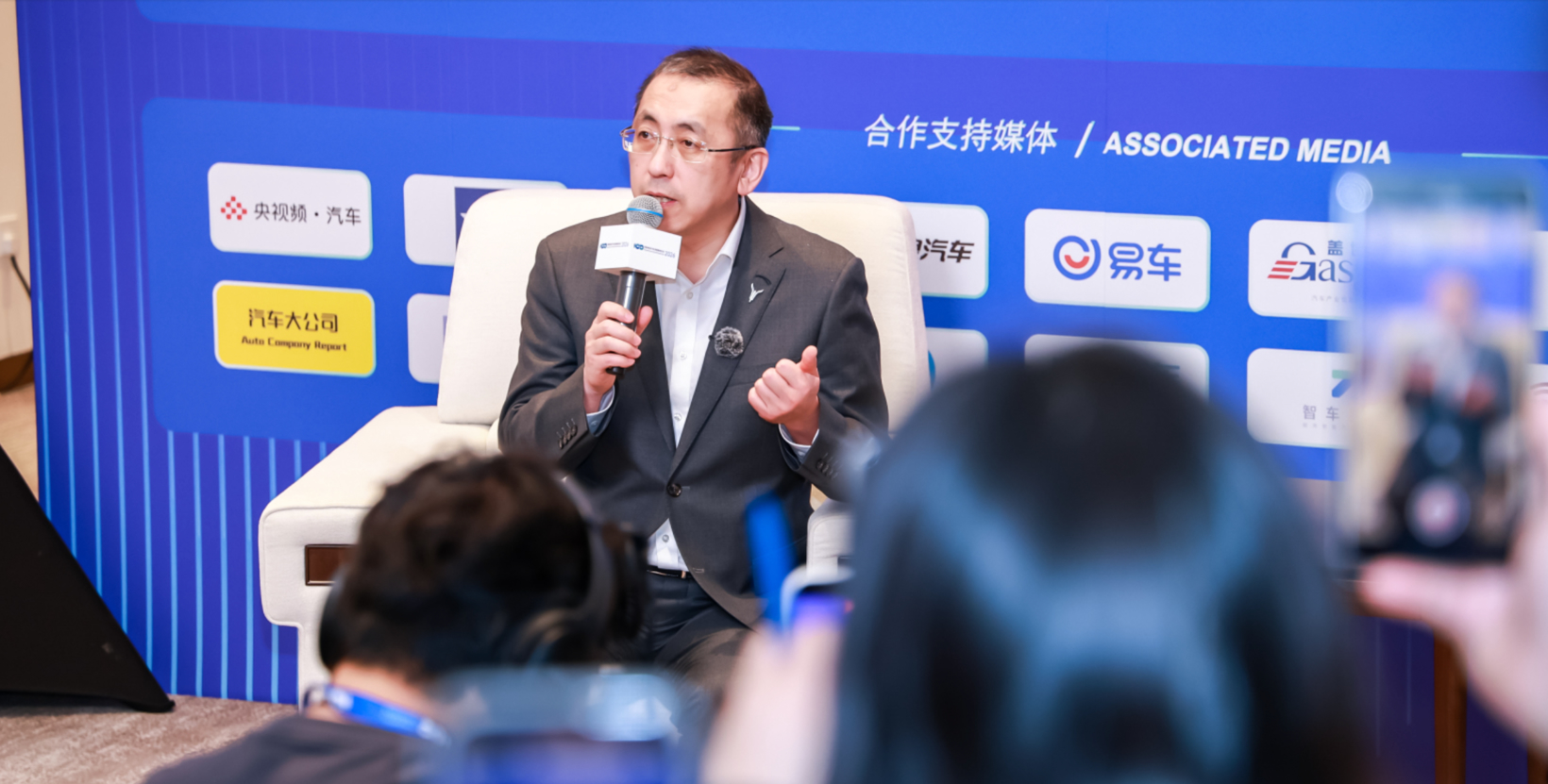
Image Source: China EV100 Institute
These four benchmarks serve as the passing grade for a nascent brand going from zero to one. But Lu does not shy away from the pressure: as a public company, VOYAH must now deliver operational returns to shareholders. "How to improve gross margins and self-sustaining cash generation" has become the central question.
VOYAH’s strategy follows two tracks: boosting quality, cutting costs, and increasing efficiency internally, while expanding sales and channel scale externally. On the capacity front, Dongfeng Motor Group has injected the Yunfeng plant, with its annual capacity of 300,000 units, into VOYAH to lay the groundwork for large-scale deliveries.
Regarding the partnership with Huawei, Lu noted that VOYAH was the earliest automaker to collaborate deeply with the tech giant outside of its "Jie (界)" series. The two sides have developed a "systematic chemistry" in product development and user response. However, he maintains that "VOYAH is VOYAH, and Huawei is Huawei," preserving their status as independent entities.
How to Bridge the Trust Gap in Smart Driving?
Addressing the slow adoption of intelligent driver assistance, Lu believes many users hesitate to engage because "past hype overshot reality, failing to meet expectations and creating concern." He argues automakers have a duty to accurately explain the capabilities and boundaries of smart driving to users.
This is a systemic issue. Over the past two to three years, the rhetoric has shifted from "autonomous driving" to "advanced intelligent driving." Combined with some firms touting immature urban navigation-assisted features as core selling points, this inflated user expectations and sowed the seeds of mistrust.
Lu outlined VOYAH’s internal mantra: "Dare to use, love to use, easy to use, good to use." "Dare to use" comes first—a reflection of the priority placed on safety protocols.
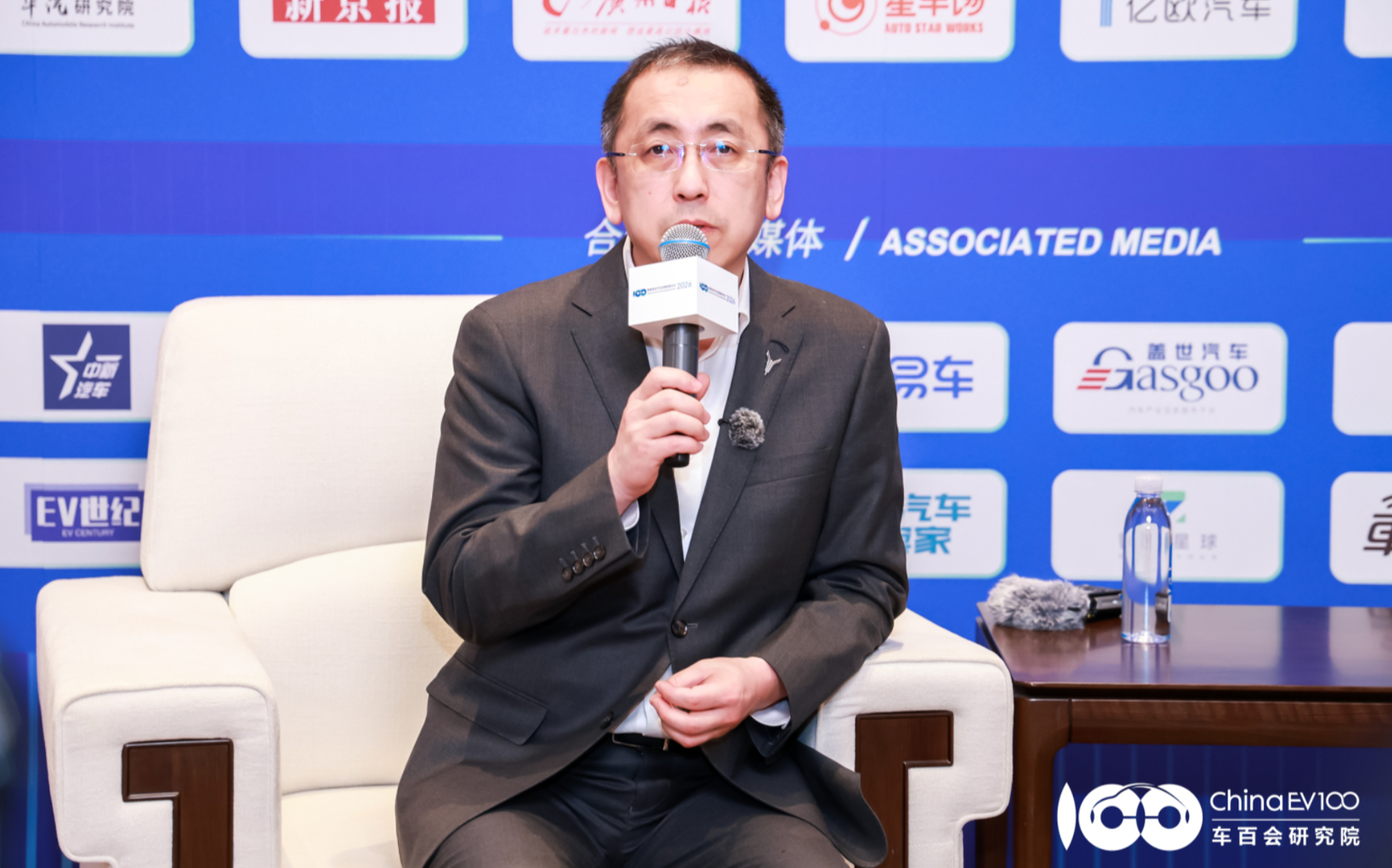
Image Source: China EV100 Institute
In terms of technical reserves, VOYAH has completed development of a vehicle architecture for Level 3 conditional autonomous driving. The VOYAH Titan Ultra features redundant designs for braking, steering, communications, and power, giving it the hardware readiness for L3 deployment. Yet Lu stresses that regulations must prioritize public safety above all. "Once the regulatory environment matures, we will move quickly to bring this to market."
Notably, Lu opposes the obsession with singular hardware specifications. While the industry is currently hyping 896-line LiDAR—and VOYAH is among the first to deploy the hardware—he argues that "in smart driving, one should never fixate on a single number; it represents only an incremental improvement in one capability." The synergy between vehicle perception, decision-making, and execution is what truly defines the core experience.
He called on influential players to "avoid misleading the public with rhetoric" and instead "provide users with a complete understanding." This stance reflects a deepening industry split: some companies are using high-line-count LiDAR and high-compute chips as marketing gimmicks, while others are attempting to return to focusing on the actual user experience.
Rising Supply Chain Costs and the Price of Domestic Substitution
Facing the sharp rise in raw material costs, particularly for storage chips, Lu offers a stark prediction: if these cost pressures persist, "an overall increase in vehicle prices is highly probable." This presents an industry-wide dilemma: the price war is far from over, so raising prices first risks ceding market share; yet, sustaining losses defies commercial logic.
VOYAH’s response operates on three levels: tapping internal potential to cut costs, expanding scale to offset expenses, and advancing supply chain localization and domestic substitution. The third is critical. Lu revealed that over the past few years, VOYAH has completed domestic substitution for numerous high-value components, including certain chips, air suspensions, and rear-wheel steering systems. "Many of these zero-to-one breakthroughs were achieved by VOYAH," he said. "We have laid the foundation for the industry’s adoption of these components."
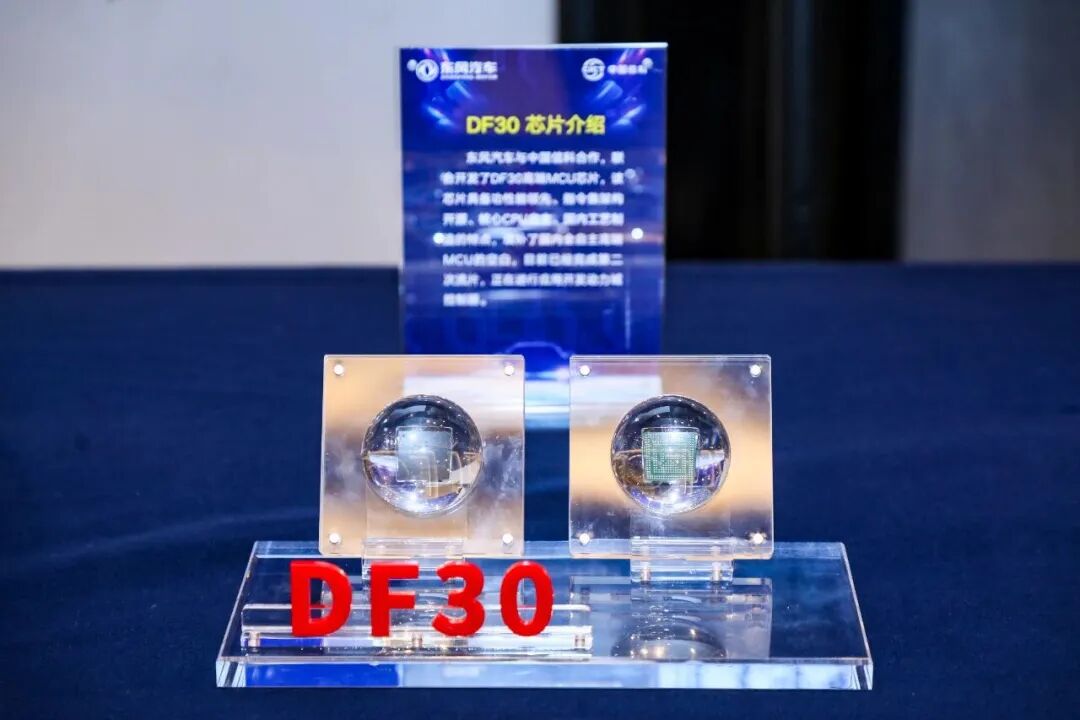
Image source: Dongfeng Motor
Underpinning this is VOYAH’s commitment to full-stack in-house development. Lu believes that only through "profound understanding and mastery" of technology can a company successfully execute domestic substitution. This is not something every automaker can achieve.
In the era of internal combustion engines, automakers acted primarily as integrators, relying on Tier 1 suppliers like Bosch and Continental for core components. Electrification and intelligence, however, have given Chinese automakers the opportunity to redefine the technology stack.
VOYAH chose deep in-house development—writing not just its own software, but also the underlying code for chassis suspension control and audio tuning. The price is steep R&D spending and long return cycles. But Lu views this as the necessary path to mitigate supply chain risks and maintain control over the product.
Seven years on, VOYAH has achieved phased success, but it has also exposed the challenges faced by every brand going from zero to one: scale effects have not yet fully materialized, profit pressures persist, and educating users on smart driving remains a work in progress.
Yet its value may lie less in any single dazzling metric and more in the example it sets for the industry’s transformation: a brand with state-owned legacy roots, navigating the gap between institutional structure and market forces to answer these three defining questions.