



Gasgoo Munich- UAES recently revealed that annual sales of its BMS controllers topped 4.5 million units in 2025. Since the first unit rolled off the line, cumulative sales have surged past the 10 million mark.
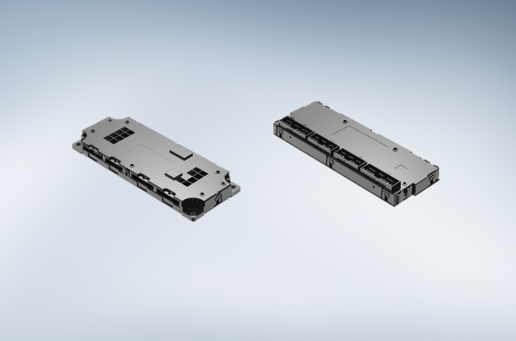
Image source: UAES
The Battery Management System (BMS) serves as the brain of the power battery in new energy vehicles. Its performance directly dictates safety, driving range, and lifespan, making it a critical safeguard for both the battery and the vehicle's overall performance.
UAES's BMS controllers deliver three core functions:
First, real-time safety monitoring. Leveraging high-precision sampling and smart algorithms, the system tracks cell voltage, temperature, current, and insulation status in milliseconds. It flags potential risks—such as overcharging, over-discharging, or overheating—to ensure safe operation.
Second, precise energy management. By dynamically optimizing charging and discharging strategies across various driving conditions, the system maximizes driving range without compromising safety.
Third, cell balancing management. Using active balancing technology, it minimizes inconsistencies between cells, slowing degradation and extending the battery's cycle life.
From its first-generation 500V distributed controller to the latest 800V eBDU unit, UAES has continuously upgraded functionality, optimized architecture, and controlled costs. The company also offers customization to meet diverse client needs.
UAES has also built a comprehensive BMS portfolio spanning the full voltage spectrum. Beyond core 400V, 800V, and eBDU products, the lineup includes 12V and 48V low-voltage units, covering applications for new energy passenger cars and hybrids. The company is now actively expanding overseas and advancing its global strategy to sharpen its competitive edge.


