



Gasgoo Munich- As electric vehicle platforms demand more efficient use of cabin space, the integration of roof systems and thermal management capabilities are becoming critical to interior design. Webasto has recently unveiled a next-generation roof shading technology: Shading in Glass, or SIG. By encapsulating a sunblind between two layers of glass, the solution aims to balance headroom, thermal insulation, and system cost.
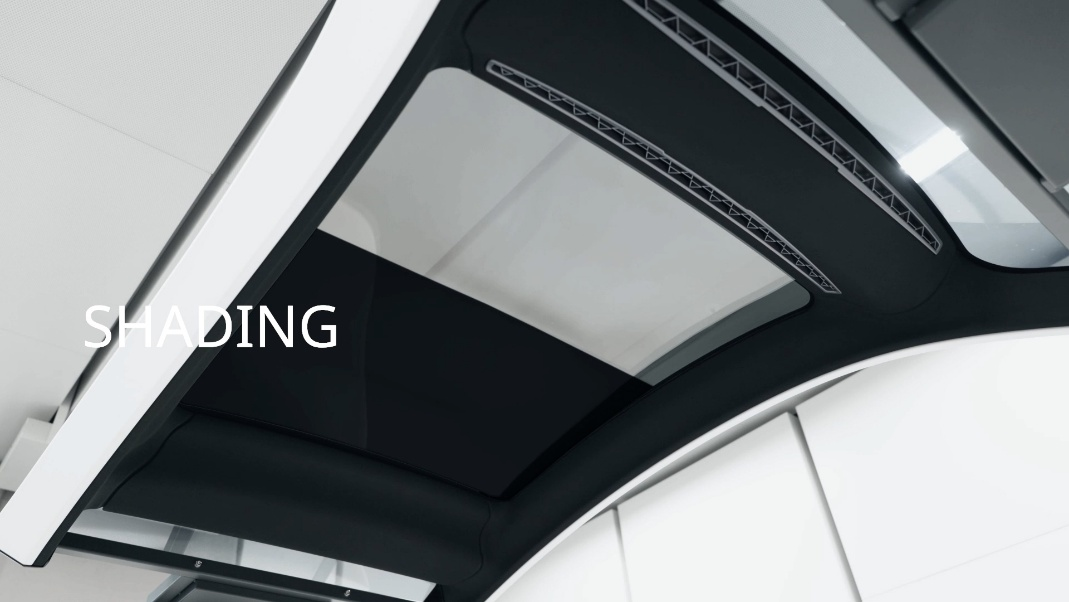
Image Credit: Webasto
The core innovation of SIG lies in relocating the traditional sunblind from the headliner to the space between two glass panes. This "glass interlayer" structure compresses the overall thickness of the shading system, making it easier to meet the height-sensitive design requirements of EVs. Unlike conventional roller blinds, SIG reduces intrusion into the cabin ceiling without sacrificing shading function — a move that helps improve rear headroom.
While some electric models currently use switchable glass technologies like PDLC or EC as alternatives, these solutions still face performance bottlenecks in blocking infrared thermal radiation. SIG reverts to physical shading by placing the blind inside the glass interlayer, directly blocking sunlight and reducing heat entering the cabin. From a thermal management perspective, the system offers superior control over cabin temperature rise in summer conditions compared to most dimming glass products.
Webasto revealed that SIG was designed with the goal of "better performance at a lower cost" from the outset. The solution holds distinct advantages in materials and manufacturing processes compared to switchable glass. For automakers, this approach delivers stable shading and thermal insulation without increasing the bill of materials (BOM) burden — making it suitable for cost-sensitive volume models or mid-tier configurations.
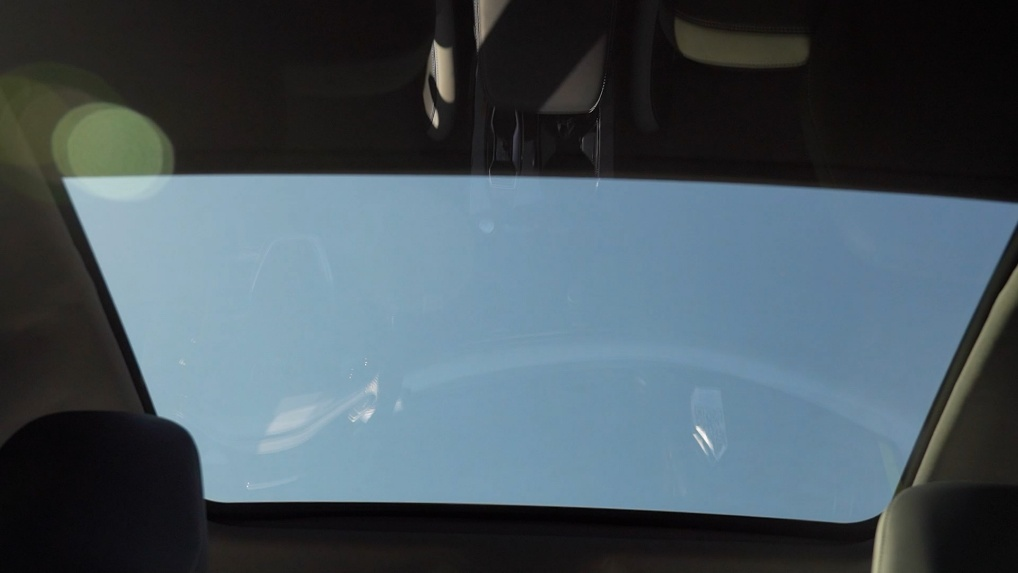
Image Credit: Webasto
Aesthetically, the SIG sunblind slides within the glass interlayer, leaving no exposed mechanisms on the roof surface and presenting a seamless, integrated glass appearance. The movement of the blind is visible inside the glass during operation, adding a touch of high-tech sophistication. Additionally, Webasto notes that the solution can be integrated with ambient "starry sky" lighting or paired with in-car cinema systems as an extension of the cabin experience.
SIG represents a structural iteration in Webasto’s roof shading portfolio, specifically addressing the combined requirements of EV platforms for headroom, thermal management, and cost control. Compared to dimming glass, SIG provides a higher-integration alternative that adheres to the logic of traditional physical shading. For electric models prioritizing value and thermal comfort, the technology holds significant adaptation potential.


