



Recently, Tesla, Xiaomi EV, Li Auto, and XPENG have all rolled out—or aggressively promoted—7-year low-interest financing plans. That extends the traditional auto loan cycle by two to three years.
This isn't just a simple promotion. It's a systematic campaign designed to lower the barriers to entry, lock in long-term customer value, and use financial muscle to squeeze out rivals.
As the industry pivots from product wars to finance wars, the very dimensions of competition are being rewritten.
From Price to Payment Terms
Seven-year low-interest plans dramatically slash monthly repayment pressure for consumers.
Take Xiaomi EV's YU7: under its 7-year plan, down payments start at 49,900 yuan, with monthly installments as low as 2,593 yuan. XPENG offers a 7-year low-interest option across its entire lineup with 15% down and monthly payments starting at 1,355 yuan. Li Auto's 7-year plan requires a down payment of 32,500 yuan, pushing monthly payments as low as 2,578 yuan. Tesla, meanwhile, introduced "7-year ultra-low interest" for the Model 3 and Model Y, with monthly payments starting at 1,918 yuan. According to its website, customers who order by January 31 qualify for the 7-year term, with an annual fee rate as low as 0.5%—equivalent to a 0.98% annual percentage rate. By that math, the interest on a 100,000 yuan loan would be just 500 yuan per year.
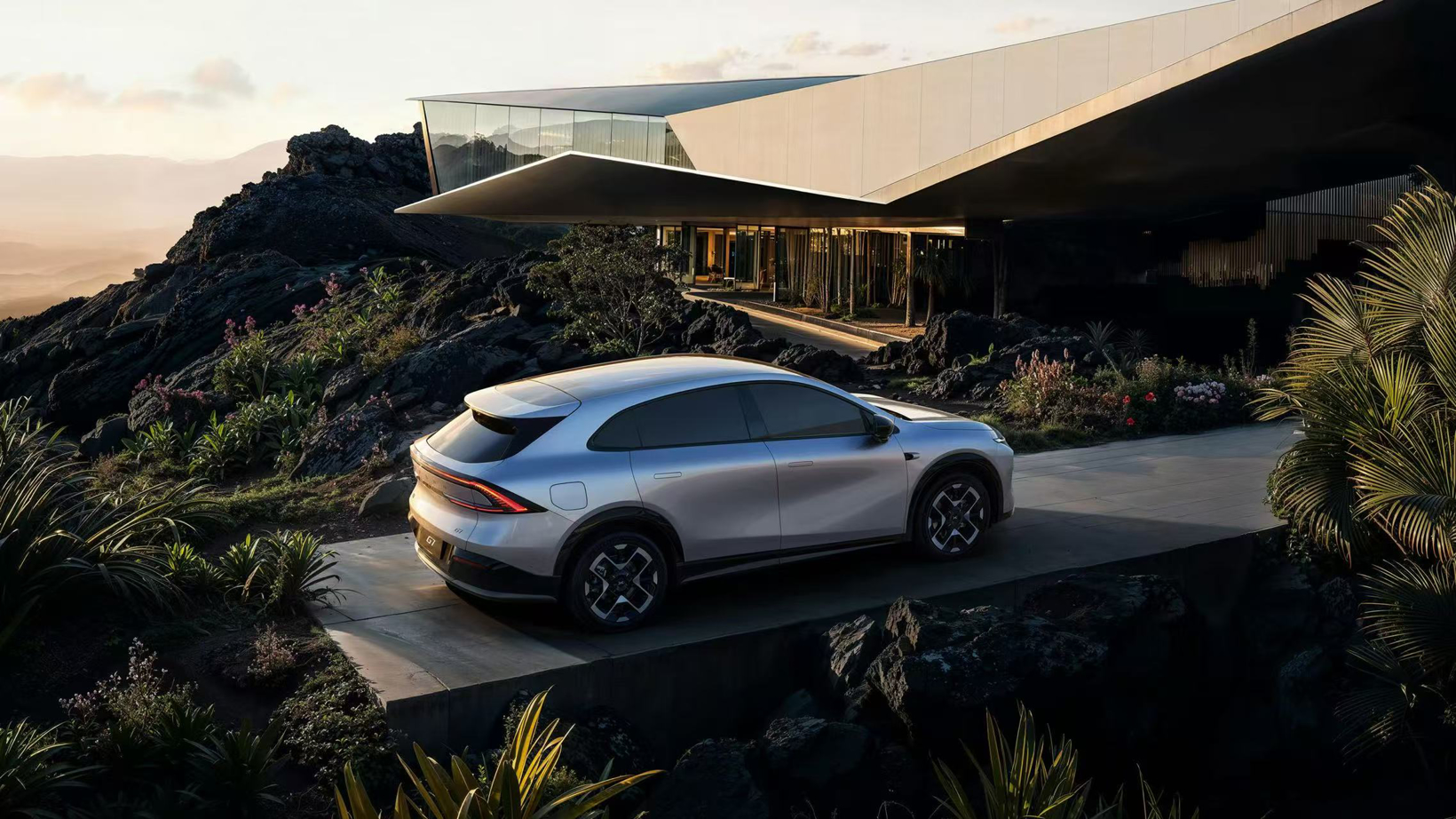
Image source: XPENG
In effect, these 7-year offers shatter the psychological price barrier for many potential buyers, transforming smart EVs from "out of reach" aspirations into "within reach" realities.
Yet the strategy goes far beyond short-term promotion. For automakers squeezed by thin hardware margins, low-interest financing lowers the entry barrier, allowing them to rapidly expand their user base. That builds a critical foundation for future revenue streams—from software subscriptions and insurance to after-sales service and used-car operations.
It means the competitive logic for top-tier automakers has evolved. It is no longer just about the value of a single product, but about managing the total cost of ownership and the customer's cash flow experience over the entire lifecycle.
"Essentially, this is a strategy of trading time for space," a senior industry analyst noted. "Automakers sacrifice some financial returns or absorb capital costs in the short term, but in exchange, they lock customers into a seven-year cycle. During that time, there's a much higher chance of converting them on continuous OTA upgrades, subscription services, and even their next vehicle purchase."
A War for the Heavyweights
While the tactics look similar on the surface, the strategic intent and resources backing each brand differ sharply, revealing distinct paths forward.
For Tesla, this is a global standard adapted for the local market. A long-time practitioner of financial innovation, Tesla is extending its unified global strategy to China. It leverages powerful brand appeal and cost control to secure market share. Crucially, Tesla's confidence rests on its industry-leading margins and global cash flow—allowing it to enter this financial endurance race from a position of strength.
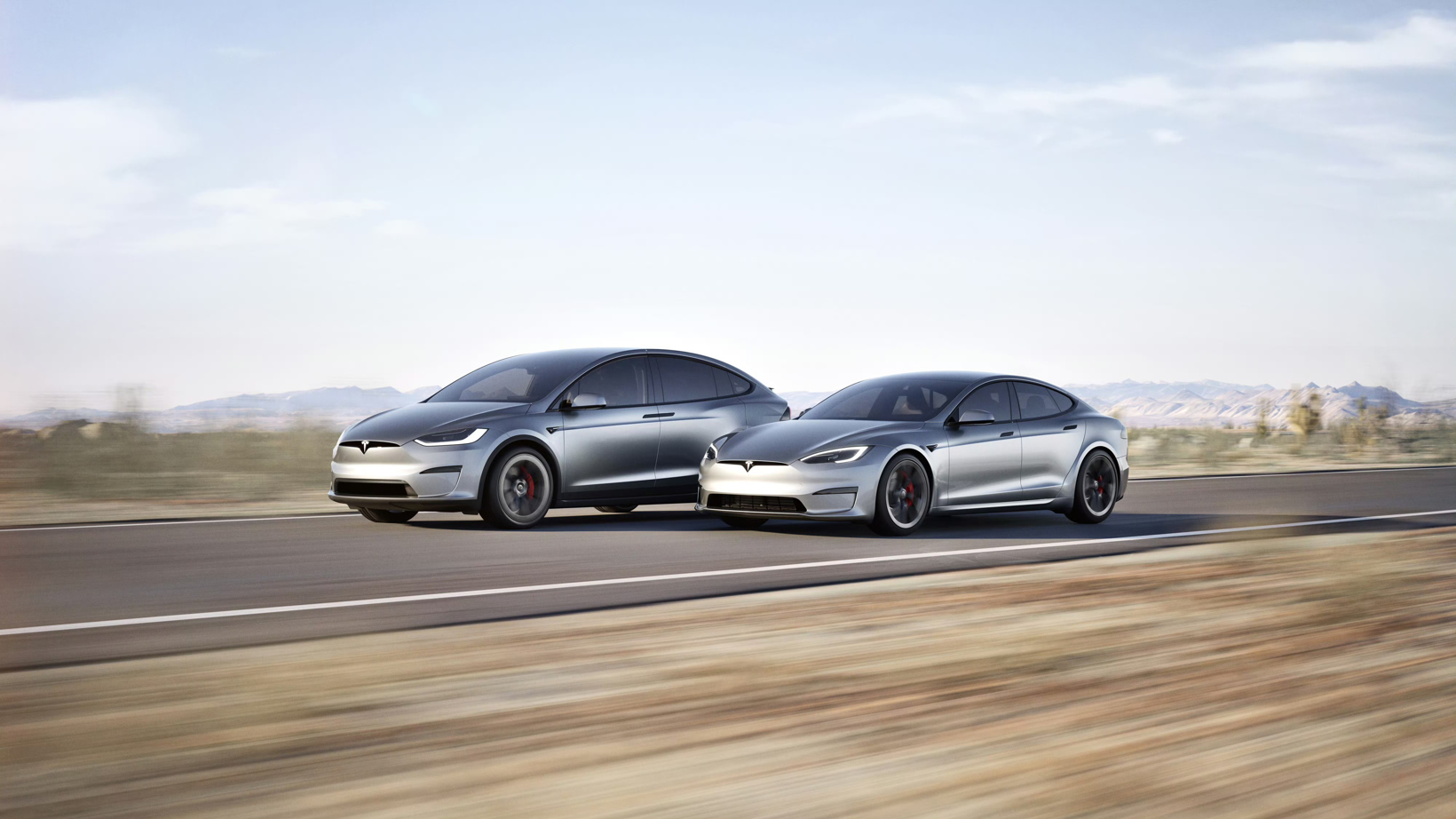
Image source: Tesla
Consequently, this financial war raises the bar for the entire industry. Offering competitive long-term financing requires automakers to have strong control over capital costs, robust cash flow management, and solid risk resilience. For many second-tier brands still burning cash or struggling with liquidity, that creates immense pressure.
"This will likely trigger a new round of industry consolidation," an industry insider said. "Leading players are using their financial and scale advantages to deploy financial tools and erode market share. Brands that can't keep up face a double squeeze on sales volume and capital, accelerating the shakeout."
Still, the risks are ever-present. Managing residual values on seven-year loans, the dangers of long-term consumer debt, and the threat of rising defaults amid macroeconomic volatility are systemic challenges that automakers and financial institutions must navigate together. Whether they can build matching residual-value guarantees and risk-control models will determine if this financial feast can sustain itself.
From range and intelligence to price, and now to financing, the focal point of EV competition keeps shifting. Yet the core remains unchanged: winning the customer's choice with a superior overall experience.
The rise of the "seven-year loan" signals that automakers are digging deeper into customer needs—moving beyond product features to financial situations and lifestyles. It is not just a sales catalyst, but a new tether binding the brand to the customer for the long haul.
As the battle spreads from the showroom floor to the monthly repayment statement, competition in China's EV market has entered a new phase—one that is more complex, deeper, and tests the comprehensive strength of the entire system. In this financial war, the ultimate winners will be the true heavyweights: those who can open markets with innovative financial tools while securing long-term trust through solid products and services.


