



Gasgoo Munich- April 12. Speaking at the AI+Auto Forum during the Smart EV Development High-Level Forum (2026), DeepRoute.ai CEO Zhou Guang noted a distinct issue. Traditional small-model autonomous driving suffers from a "seesaw effect." Performance varies wildly across scenarios, representing a fundamental capability constraint. The industry must pivot comprehensively to large models and embrace foundation models. This drives an evolution in cognitive capabilities.
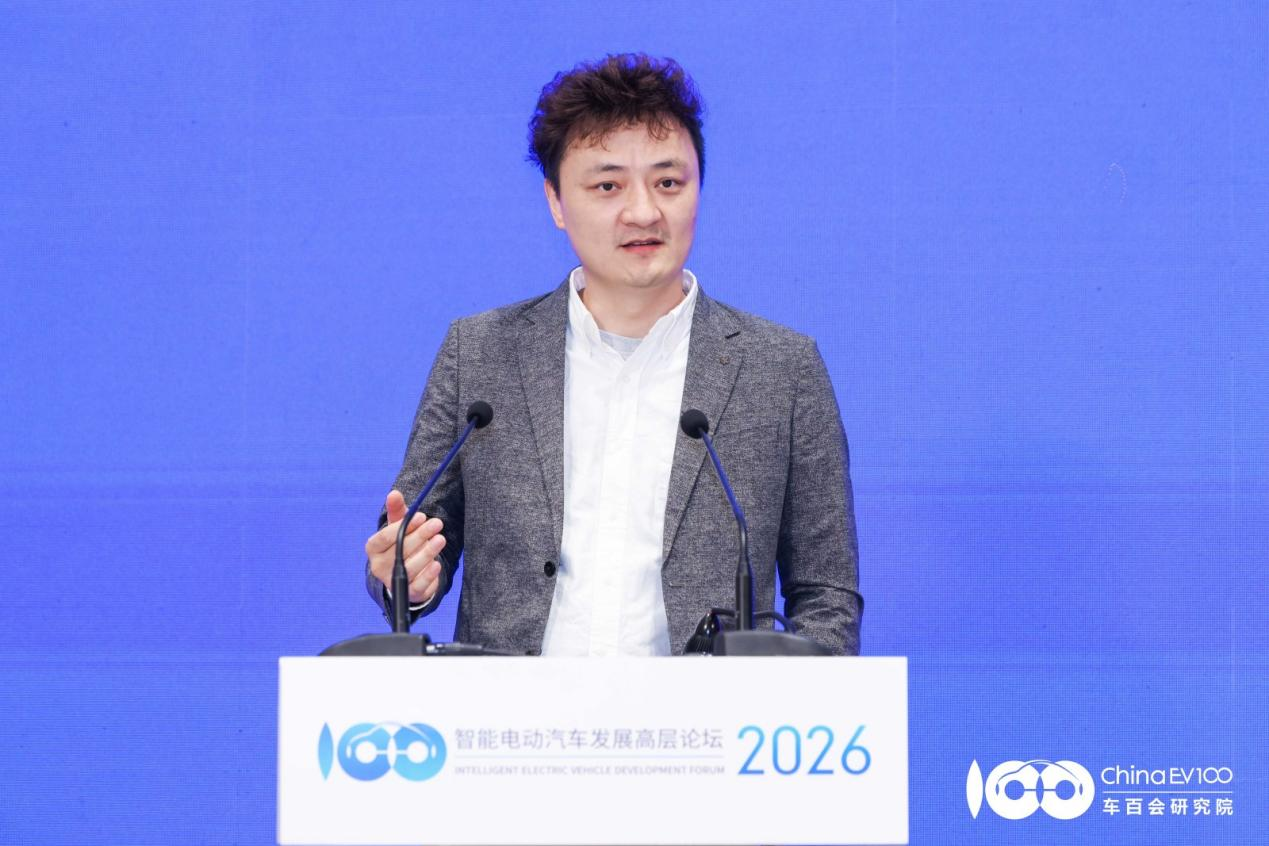
Zhou Guang disclosed DeepRoute.ai has delivered nearly 300,000 production vehicles equipped with its city NOA system. This prevented over 180,000 potential collisions in the past year. By the fourth quarter of 2025, the top three players in the third-party NOA market captured 99%. DeepRoute held 15.51% to secure its spot in the first tier. Yet despite a market size exceeding 120 billion yuan, city NOA penetration hovers around 15%. User stickiness remains weak, highlighting an urgent need to shift the technology from "usable" to "loved."
He explained that DeepRoute has developed a foundation model with 40 billion parameters. It integrates driving, analysis, and evaluation capabilities. This advancement slashed the data closed-loop cycle from more than five days to roughly 12 hours. Built on this single foundation model, the system supports compute solutions ranging from 100 TOPS to over 1,000 TOPS. For 2026, DeepRoute targets deliveries of over 1 million city NOA vehicles. It aims to boost high-frequency user usage to above 50%. This is a critical step toward large-scale Robotaxi application.


