



Gasgoo Munich- "No matter how fast ultra-fast charging becomes, it can never beat battery swapping." Li Bin, chairman of NIO, declared recently, making a renewed case for the battery swapping model. He went further, offering a more controversial judgment: frequent use of ultra-fast chargers may compromise battery lifespan and safety. "From a battery health perspective, if you can slow charge, do not fast charge."
His remarks inevitably draw comparisons to BYD's recent unveiling of its second-generation Blade Battery and megawatt-level flash charging technology. Official data indicates the technology achieves "400 km of range in five minutes" and completes a 10% to near-full charge in roughly nine minutes.
Interestingly, BYD Brand & Public Relations General Manager Li Yunfei later addressed the issue with a far softer tone. "While battery swapping and flash charging are different models, both are quite good," he said. "It is a case of a hundred flowers blooming, and ultimately, different paths to the same destination."
The question of "to charge or to swap" is back in the spotlight.
A Long-Standing Battle
The rivalry between charging and swapping did not start with BYD's flash charging; its roots trace back to the early days of new energy vehicle exploration.
From its inception, NIO established battery swapping as a core business strategy. At the time, the industry was still experimenting with replenishment models. Some viewed swapping as the cure for range anxiety—swapping a depleted battery for a full one in minutes, offering efficiency comparable to refueling a combustion car. NIO thus embarked on a capital-intensive, long-cycle path, continuously rolling out a network of swapping stations across the country.
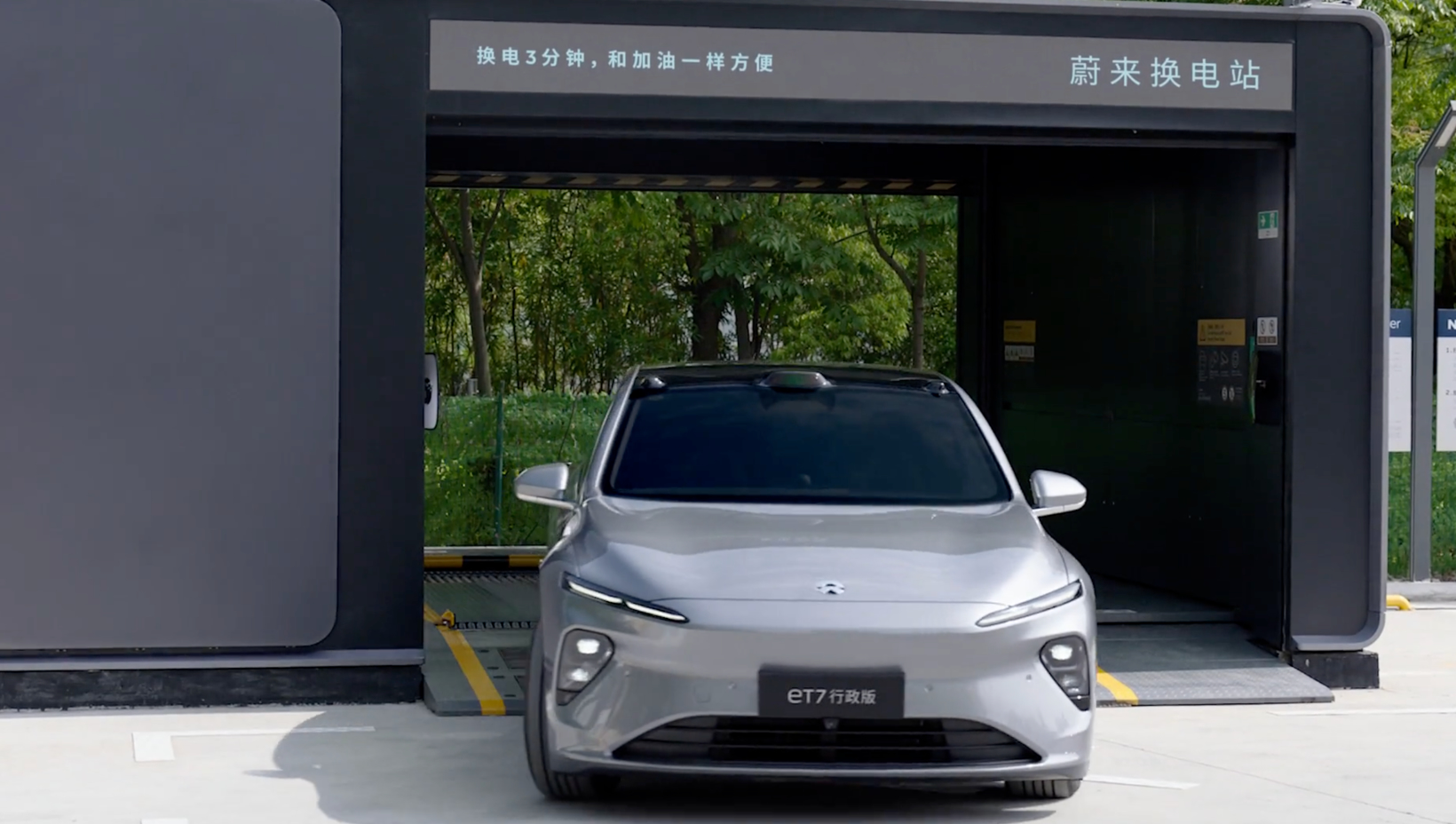
Image Source: NIO
Yet, the road has been far from smooth. Skepticism has never ceased, centering on two main criticisms: the exorbitant construction costs of swapping stations and their long return on investment; and the difficulty of unifying battery standards, making it hard to open the model to other automakers and achieve scale effects. As fast-charging technology accelerates and charging speeds climb, the necessity of swapping faces growing doubt.
The alternative route centers on charging technology. As battery performance improves and charging tech advances, more automakers are choosing to solve replenishment issues by building charging networks and boosting speeds. Companies like BYD have been key proponents of this path.
Li Bin has repeatedly emphasized the superiority of swapping in public forums, calling it the optimal solution to EV range anxiety. In his view, swapping is not just about fast replenishment; more importantly, through the separation of vehicle and battery, it frees users from worries about battery degradation. Since batteries are maintained centrally at swapping stations, they enjoy longer lifespans and higher safety standards.
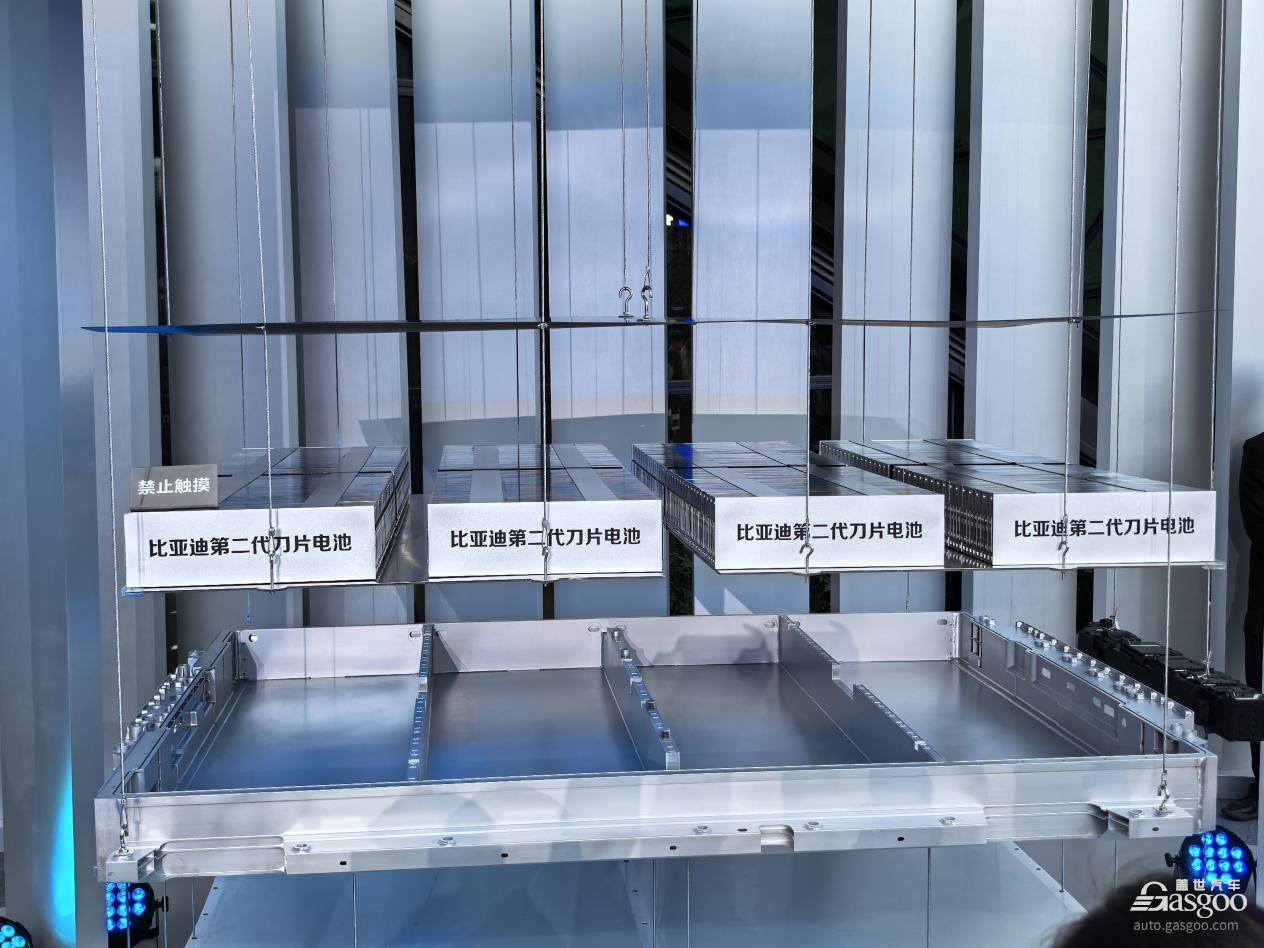
BYD, meanwhile, has charged ahead on the charging path, powered by its Blade Battery. The Blade is not only safe but also supports fast charging. There is no right or wrong in technical routes; ultimately, the market decides.
The technical advantages highlighted by each side differ slightly. Li Bin stresses swapping's "seamless replenishment" and the value of stripping battery assets from the car, while Li Yunfei pushes the ubiquity and low cost of charging.
As the two sides trade barbs, the debate has entered public view, becoming a hot industry topic. It has even trickled down to media and users, with some creating "Swapping vs. Charging" comparison tables, breaking down time, construction costs, and convenience item by item.
This shift reflects, to some extent, the industry's maturation. The new energy vehicle market is expanding, and replenishment technology continues to evolve. Both charging and swapping are developing along their respective paths. It is precisely because of this that whenever new technology or infrastructure emerges, the discussion over replenishment methods tends to heat up again.
Flash Charging: A Formidable Challenger
With the release of new ultra-fast charging technologies, industry competition has entered a new phase. Recently, BYD launched its second-generation Blade Battery and megawatt-level flash charging technology, pushing charging efficiency to new heights.
Look at the hard numbers: 400 km of range in five minutes; 10% to 97% in nine minutes. This means the replenishment efficiency of EVs is closing in on the experience of traditional internal combustion engine vehicles.
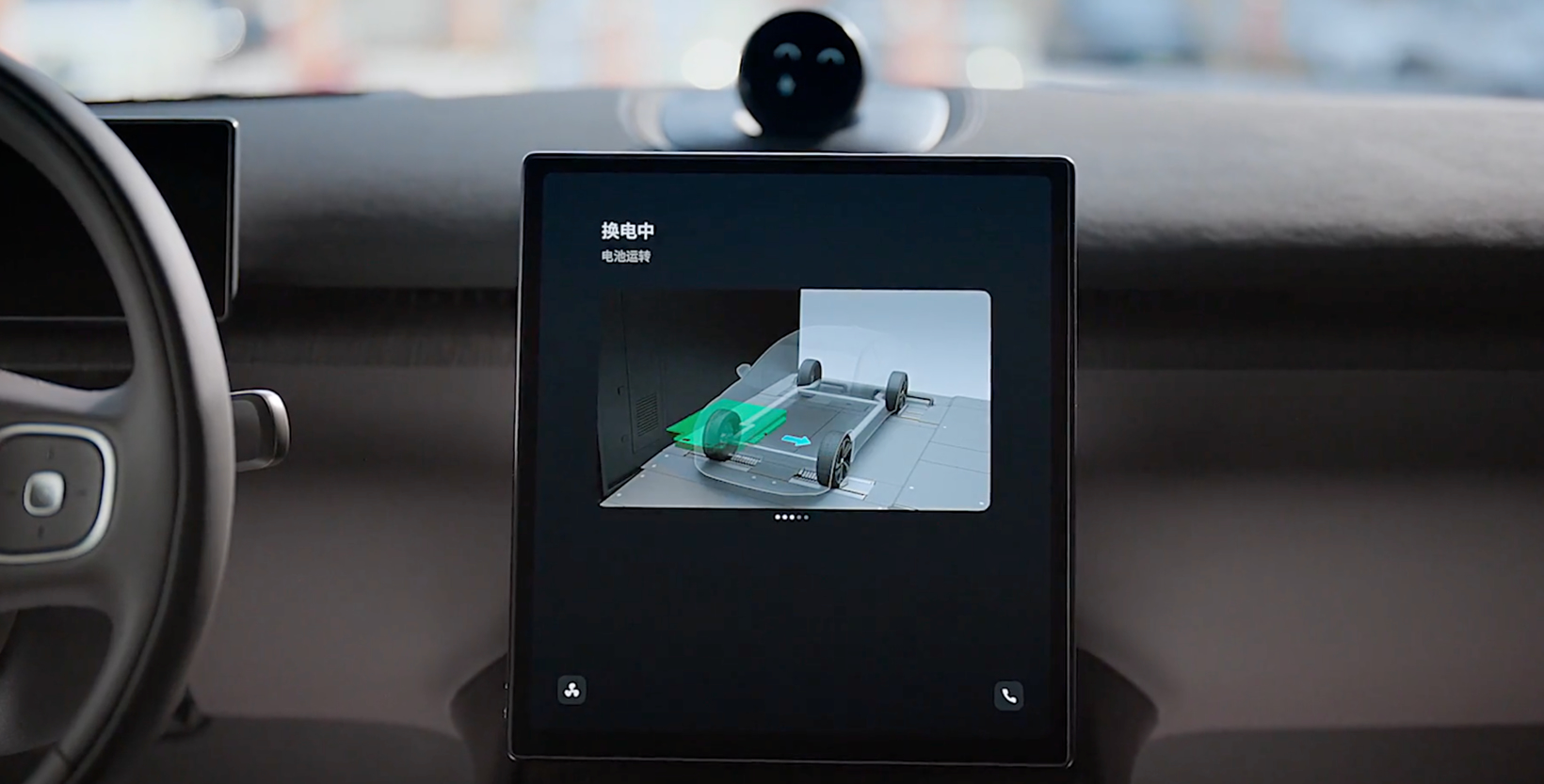
Image Source: NIO
NIO's latest-generation swapping stations complete a swap in 2 minutes and 24 seconds—drivers do not need to get out as the battery is automatically unloaded, installed, and tested. Including entry and exit times, the whole process takes about five minutes. By comparison, BYD's flash charging achieves a near-full charge in nine minutes, compressing the time difference between the two to roughly four minutes.
In actual use, the perceptual change from this gap is not significant. For ordinary users, anything from a few minutes to under ten minutes falls within an acceptable range. In other words, flash charging is eroding the "time advantage" that swapping has long held.
More noteworthy is the capacity for infrastructure expansion. Charging networks can rely on the existing grid system to expand continuously and upgrade capabilities through technology. Swapping stations, constrained by battery reserves and equipment complexity, see a more steady construction pace. This difference means the two models follow distinct paths for scaling up.
BYD announced plans to build 18,000 flash charging stations nationwide by the end of 2026. Of these, 2,000 new highway stations will cover nearly one-third of the country's service areas, while the rest will land as "stations within stations," retrofitted into existing charging networks.
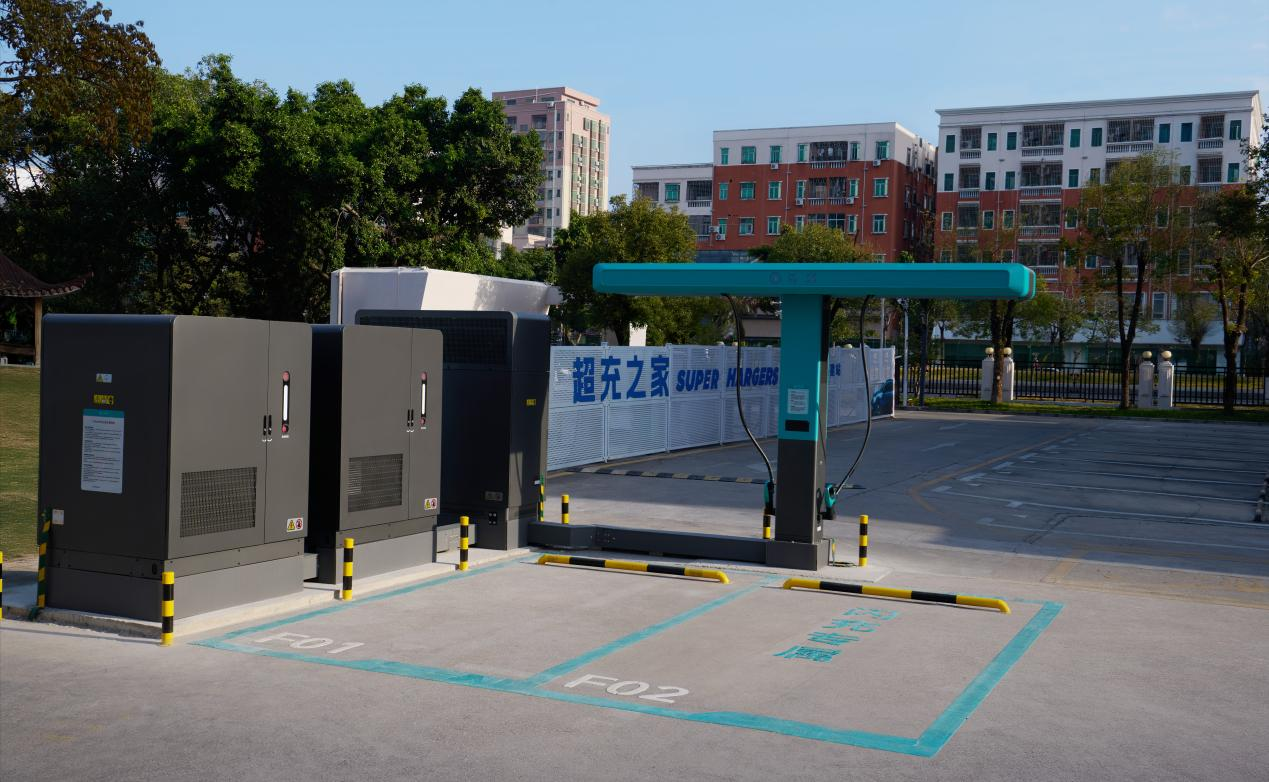
BYD "Station-in-Station" Flash Charging; Image Source: BYD
By the end of 2025, the total number of public charging piles nationwide is expected to exceed 20 million, including 4.72 million public charging points and 15.378 million private charging points. A total of 5,155 swapping stations have been built nationwide, with NIO accounting for 70%. NIO plans to add 1,000 swapping stations in 2026, bringing the total to around 4,700 by year-end. The construction speed of BYD's flash charging stations far outpaces that of swapping stations.
Behind this expansion speed lies a key cost advantage. The "station-in-station" approach requires no additional grid capacity or land approval—it simply moves equipment into existing charging stations. It is a typical light-asset, high-speed expansion model. The construction cost for a single flash charging station is about 1.5 million yuan, whereas swapping stations, requiring multiple spare batteries, automated swapping equipment, and dedicated land, typically cost over 2 million yuan each.
Consumer demand is driving the deployment of flash charging technology. "Who would not want to finish charging in five minutes?" asked a researcher at an independent automaker.
In the private vehicle sector, user core demands are convenience and low cost. Flash charging significantly boosts efficiency while outperforming swapping in both network construction cost and speed, pushing more automakers toward the supercharging route. If swapping wants to hold its ground, it must further reinforce its irreplaceable value.
So, what is the irreplaceable value of swapping? Li Bin offers the answer: battery lifespan. Taking NIO as an example, intelligent charging strategies extend battery life to 12 years, achieving "battery longevity matching the vehicle." Batteries at swapping stations use specialized charging strategies monitored by hundreds of backend models in real time, consistently maintaining a degradation rate below 15%. This systematic advantage is difficult for flash charging to replicate.
But can ultra-fast charging actually damage batteries? BYD claims it has solved the problem. Chairman Wang Chuanfu explained how the second-generation Blade Battery achieves "flash charging without compromising lifespan": by reducing internal resistance through full-link ion flash technology, adopting full-temperature-domain intelligent thermal management for precise temperature control, and upgrading cell warranty standards to enhance technical reliability.
Official data shows the warranty capacity retention rate of the second-generation Blade Battery has risen from 75% to 77.5%, and it can still pass the nail penetration test after 500 flash charging cycles. BYD has even written a lifetime warranty for the cells into user benefits.
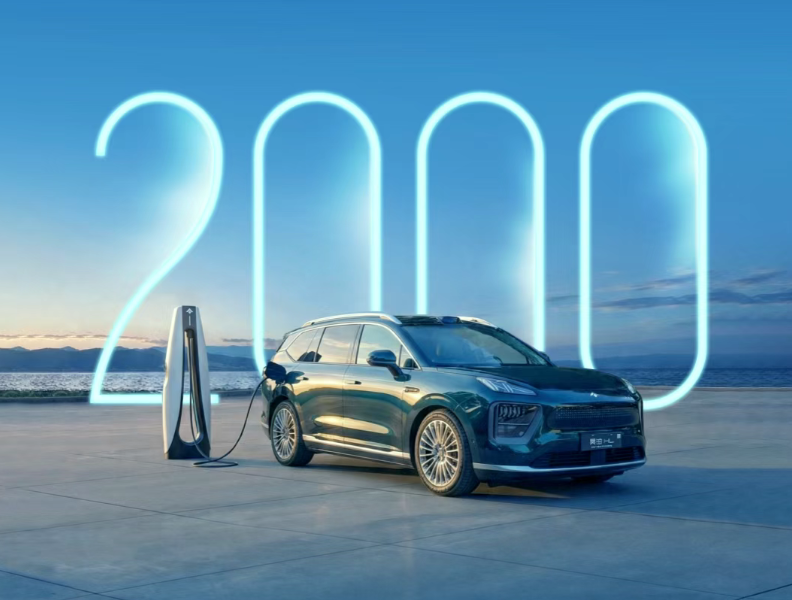
Image Source: GAC Energy
However, Gao Huan, Chief Technology Officer of CATL, once stated frankly that battery technology faces an "impossible triangle"—charging speed, lifespan, and safety are hard to achieve simultaneously. In his view, excessively pursuing supercharging may sacrifice the comprehensive performance of the battery, which is not a healthy technological direction.
Behind these controversies lies a single question: Can flash charging truly solve the problem of battery life degradation?
BYD's answer is: yes, and it has already been done. Its flash charging technology reduces internal resistance and dissipates heat efficiently, effectively installing a "smart air conditioner" for the battery, allowing both fast charging and long life to coexist.
Objectively, however, battery degradation is a slow process. Test data from 500 flash charging cycles still requires time and verification in real-world user scenarios within the vehicle's full lifecycle.
Yet for most private car owners, the actual impact of battery degradation may be a problem that "sounds important but feels negligible" in practice.
Different Use Cases
After all the debate, it comes back to a fundamental question: What exactly are flash charging and swapping fighting over?
If you look at each in its most suitable scenario, you will find they serve different user groups and solve problems at different levels. The so-called "route war" is largely a natural stratification brought about by different market positioning, rather than an either-or competitive relationship.
The core value of flash charging is to significantly boost replenishment efficiency, breaking down the psychological barrier standing between some consumers and pure electric vehicles. When charging time is compressed to a few minutes, the question of "how to recharge on a long trip" is no longer a difficulty that requires advance planning in most scenarios.
From this perspective, flash charging is more like a frontal assault by electric vehicles on the internal combustion engine market, targeting those potential buyers still on the sidelines.
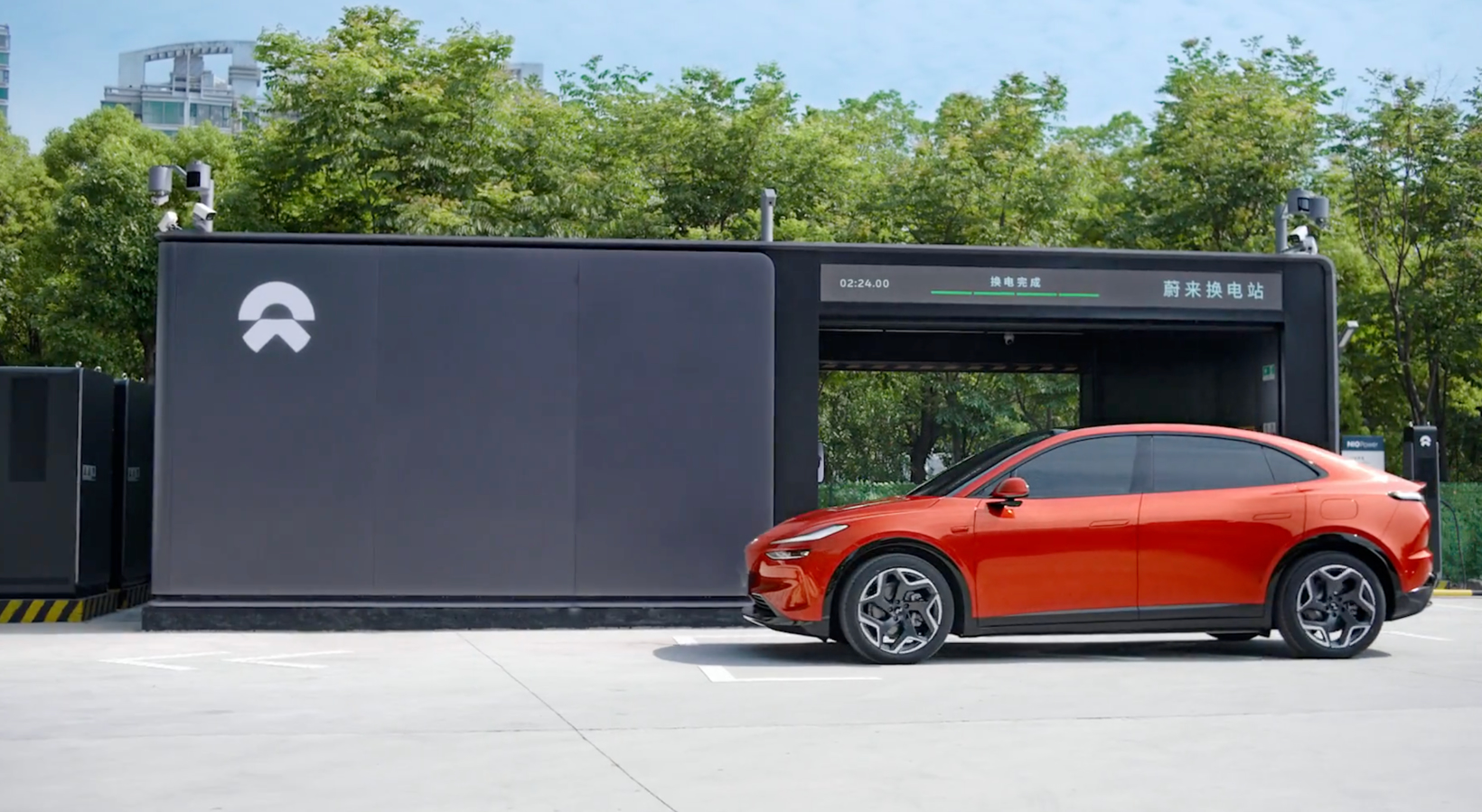
Image Source: NIO
The logic of the swapping route is different. NIO, for instance, positioned swapping as a business model from the start, not just a replenishment method. Its core mechanism is "vehicle-battery separation": users can choose to buy only the car body without the battery, then use battery services via a monthly subscription.
The practical effect of this model is a direct reduction in the starting purchase price. Through battery leasing, NIO lowers the vehicle cost by 70,000 to 120,000 yuan, while also allowing buyers to enjoy purchase tax exemptions. Swapping thus evolves from a replenishment method into a financial tool that lowers the entry threshold for pure electric vehicles. For budget-sensitive consumers, paying less cash upfront is far more persuasive than subtle differences in replenishment experience.
In the view of a researcher at a domestic automaker, swapping suits specific groups, not everyone. For commercial vehicles like taxis and ride-hailing cars, stopping to charge for long periods means direct loss of income; for heavy trucks operating on two shifts around the clock, the shorter the replenishment time, the better. In these scenarios, swapping's ultimate efficiency and the systemic advantage of unified battery management are its strongest moat.
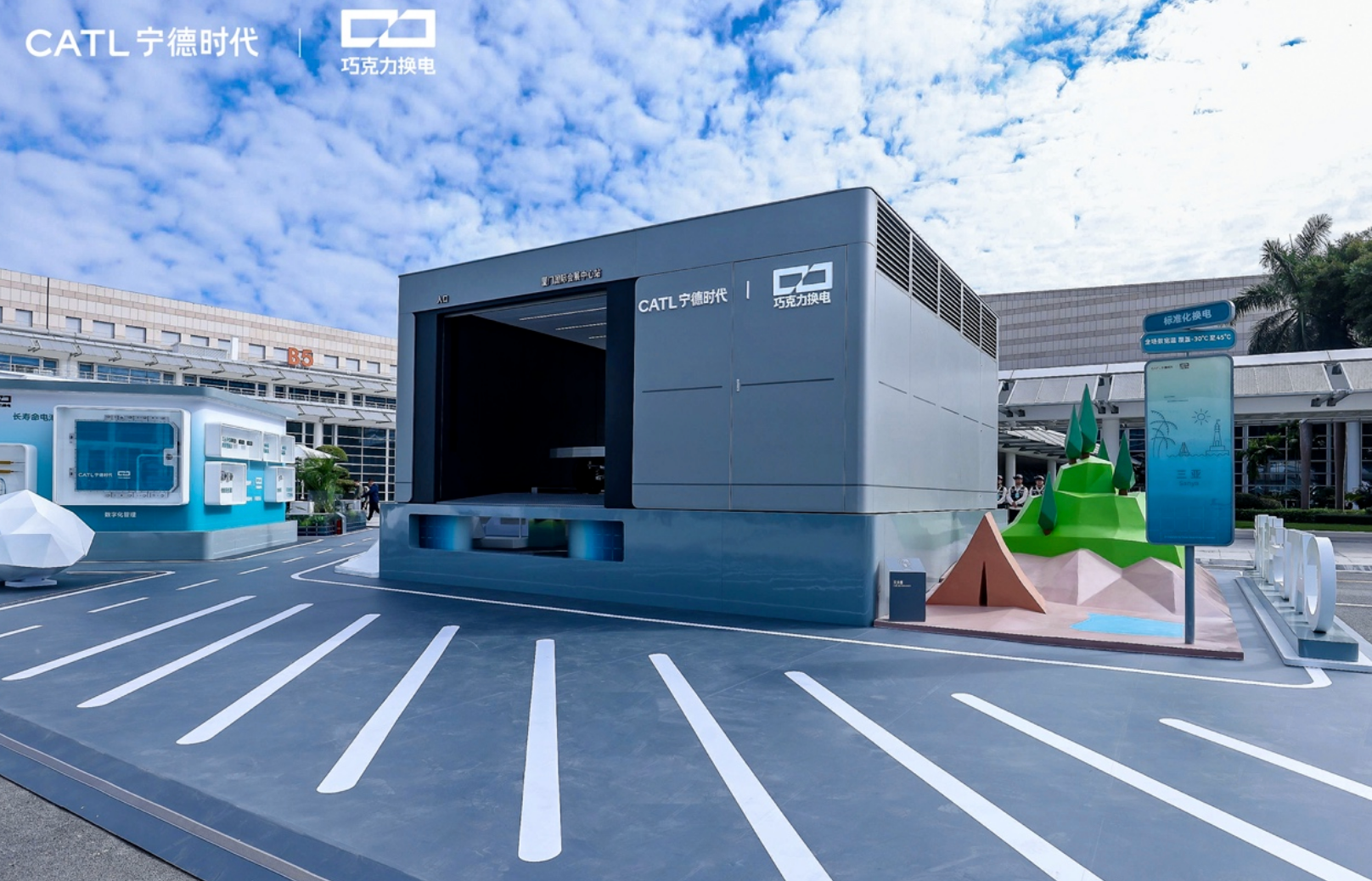
Image Source: CATL
For automakers, the debate over replenishment routes touches on an even more strategic issue: the ownership and control of battery assets.
NIO retains battery assets through its swapping system for unified management and cascaded utilization; BYD, through its subsidiary FinDreams Battery, is deeply integrated with vehicle R&D, forming a closed loop from cell to vehicle. Both companies are elevating the battery from a mere component to a strategic asset in their own ways.
The core logic of this model lies in building a competitive barrier that other companies find hard to replicate by controlling the data and maintenance of the battery's full lifecycle.
At the industry level, the trend toward diversified technical routes is equally obvious. Some companies are laying out fast charging, swapping, and new battery technologies simultaneously, attempting to cover more application scenarios. This "multi-path parallel" strategy suggests the industry has yet to form a single optimal solution.

Image Source: NIO
While focusing on swapping technology, NIO is also aggressively expanding its charging network, having built 28,000 charging piles and introduced 1.572 million third-party piles. Its philosophy relies on NIO Power Cloud technology to build an energy service system that is "chargeable, swappable, and upgradable."
Meanwhile, battery companies are entering the battery after-market service. For example, CATL's Shenxing and Qilin batteries focus on ultra-fast and flash charging, while its Chocolate Swapping Block is rapidly expanding, and the commercialization of all-solid-state batteries is accelerating. CATL Chairman Zeng Yuqun predicts that by 2030, swapping will form a "three-pillar" replenishment landscape alongside home charging and public charging piles.
Senior auto analyst Zhong Shi predicts that in the future, the repair profits and discourse power over core components may shift from automakers or repair shops to battery companies.
Industry consensus holds that, in terms of usage scenarios, the differentiation of replenishment methods is gradually becoming clear. Differences in usage frequency, cost sensitivity, and convenience needs among various user groups mean a single model cannot cover everything. The coexistence of multiple replenishment methods is closer to realistic demand.
Looking beyond the corporate rivalry, both technical routes point to a larger goal—attacking the internal combustion engine market. Flash charging eliminates range anxiety, while swapping removes battery lifespan as a drag; together, they accelerate the dismantling of the last defenses of the internal combustion engine vehicles.
Clearly, as technology advances, the boundaries between replenishment methods are blurring. User focus is also shifting toward stability, economics, and suitability for their specific scenarios. In this process, flash charging and swapping are evolving and complementing each other, jointly driving the continuous improvement of the replenishment system.
Ultimately, what decides the market's direction is not just the technology itself, but how well it matches user needs, infrastructure, and business models.


